



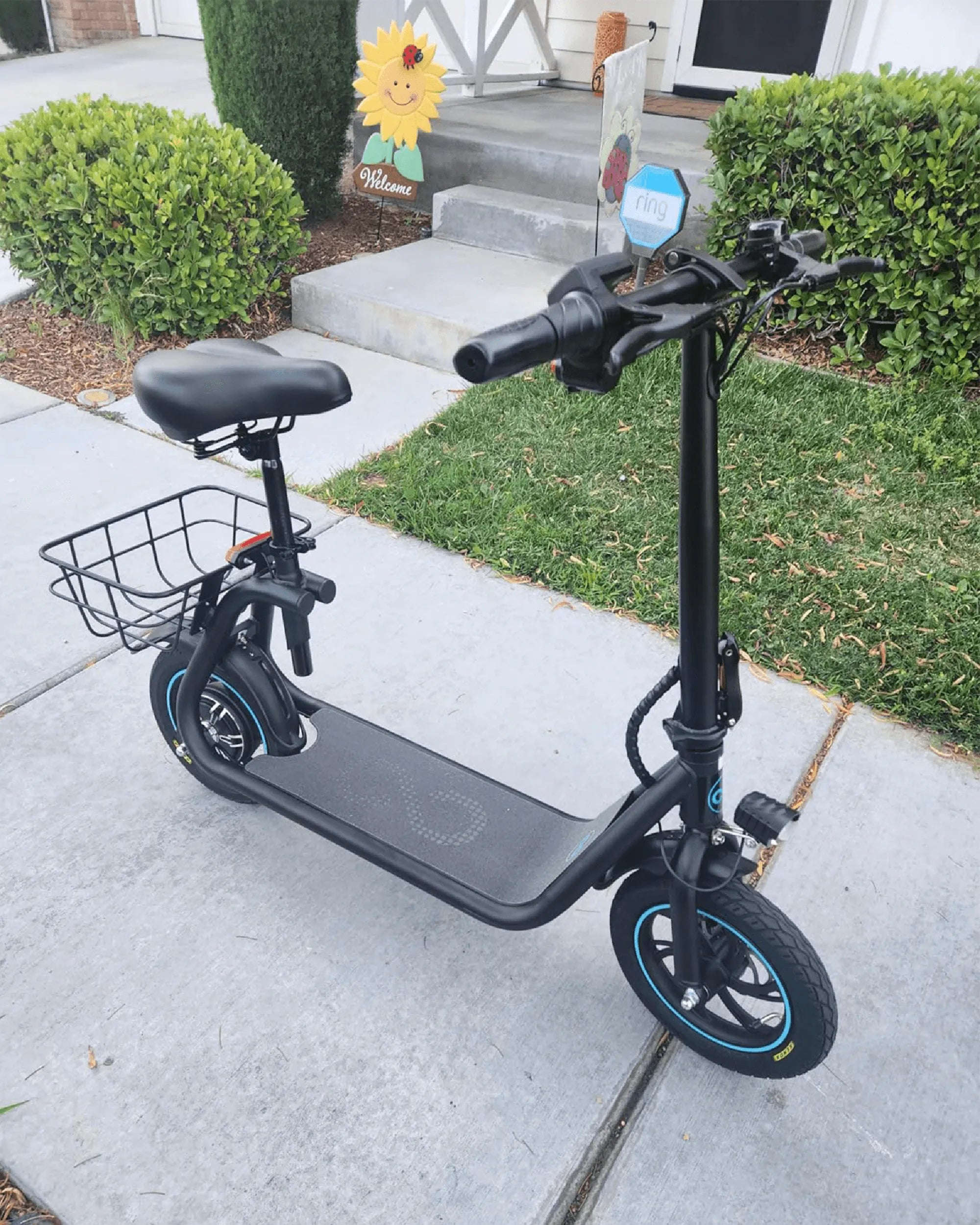
Electric dirt bikes are revolutionizing off-road riding, offering a quieter, eco-friendly alternative to traditional gas-powered machines. But before you hit the trails, it's crucial to understand the rules governing their use. Whether you're a seasoned rider or a newcomer, knowing the regulations can save you from fines, accidents, or even losing access to your favorite riding spots.
Understanding Electric Dirt Bike Classifications
Electric dirt bikes fall into different categories based on their power output, speed, and intended use. These classifications often determine where and how you can ride them. For example, some models are classified as off-road vehicles, while others may qualify as street-legal motorcycles if they meet specific requirements.
Where Can You Ride an Electric Dirt Bike?
Trail access for electric dirt bikes varies by location. Many public lands and off-road parks have specific rules about electric versus gas-powered bikes. Some areas welcome them, while others restrict their use. Always check local regulations before heading out.
Age Restrictions and Licensing Requirements
Age limits and licensing rules for electric dirt bikes depend on local laws. In some places, riders under a certain age may need supervision or special permits. Always verify the requirements in your area to avoid legal issues.
Safety Gear and Equipment Standards
Wearing proper safety gear is non-negotiable. Helmets, gloves, goggles, and protective clothing are essential for any rider. Some jurisdictions also require specific equipment, such as lights or reflectors, for certain types of riding.
Noise and Environmental Considerations
One of the biggest advantages of electric dirt bikes is their reduced noise levels. However, some trails have strict noise limits even for electric models. Additionally, riders should always follow Leave No Trace principles to protect natural habitats.
Insurance and Liability
While not always mandatory, insurance for electric dirt bikes can protect you from liability in case of accidents. Some riding areas may require proof of insurance, especially if you're using public or private land.
Trail Etiquette and Shared Use Paths
Respecting other trail users is key to maintaining access for everyone. Yield to hikers and horseback riders, stay on designated trails, and avoid excessive speed in crowded areas.
Battery Safety and Range Considerations
Understanding your bike's battery life and charging requirements is essential for safe riding. Always carry a backup power source or plan your route around charging stations if available.
Local and State-Specific Regulations
Rules for electric dirt bikes can vary widely between states and even between counties. Some areas treat them like traditional motorcycles, while others have separate classifications. Research your local laws thoroughly.
Future of Electric Dirt Bike Regulations
As electric dirt bikes become more popular, regulations are likely to evolve. Staying informed about potential changes can help you adapt and continue enjoying your rides without interruption.
Ready to experience the thrill of electric dirt biking while staying on the right side of the law? By following these rules and staying informed, you'll enjoy smoother rides and help shape a positive future for this exciting sport. The trails are calling—are you prepared to answer?
Electric Dirt Bike Under $1,500: The Ultimate Budget Off-Road Adventure
High Quality Fat Tire Electric Scooter: The Ultimate Urban Commuter