


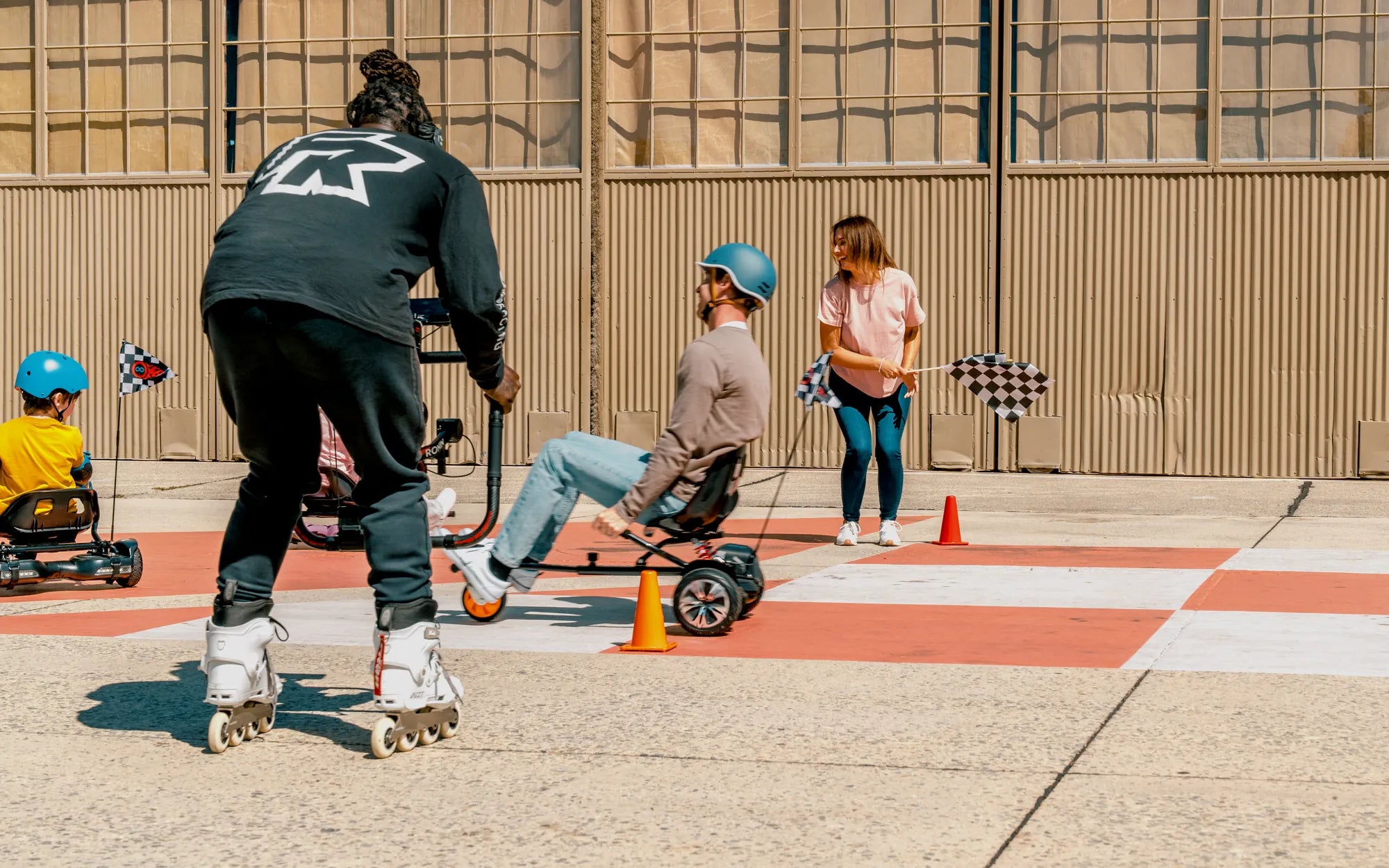
Ever wondered how an electric hoverboard defies gravity and glides smoothly under your feet? These sleek, self-balancing devices have taken the world by storm, but the science behind them is even more fascinating. Let’s dive into the mechanics that make hoverboards work and why they’re more than just a cool gadget.
The Basics of Electric Hoverboards
An electric hoverboard is a two-wheeled, battery-powered personal transporter that relies on a combination of gyroscopic sensors, motors, and microprocessors to maintain balance. Unlike traditional skateboards, hoverboards don’t require pushing off the ground—instead, they respond to subtle shifts in your body weight to move forward, backward, or turn.
Key Components of a Hoverboard
To understand how a hoverboard works, it’s essential to break down its core components:
- Gyroscopic Sensors: These detect the tilt and orientation of the board, sending signals to the motor to adjust speed and direction.
- Electric Motors: Located inside each wheel, these motors power the hoverboard and respond to sensor inputs.
- Microprocessors: The brain of the hoverboard, processing data from sensors and controlling the motors.
- Lithium-Ion Battery: Provides the energy needed to keep the hoverboard running, typically offering several miles of ride time.
- Pressure Pads: Located on the foot platforms, these detect weight distribution and help control movement.
How Self-Balancing Technology Works
The magic of a hoverboard lies in its self-balancing technology. When you step onto the board, the gyroscopic sensors detect your center of gravity. If you lean forward, the sensors signal the motors to spin the wheels forward, keeping you upright. Leaning backward reverses the process, while shifting weight to one side triggers a turn.
This system mimics the human body’s natural balance mechanisms, making it intuitive to ride after a short learning curve. Advanced hoverboards even use machine learning algorithms to adapt to the rider’s style over time.
The Role of Gyroscopes and Accelerometers
Gyroscopes and accelerometers work together to ensure smooth operation. The gyroscope measures angular velocity, helping the hoverboard stay level, while the accelerometer detects linear movement. Combined, they provide real-time feedback to the microprocessors, allowing for precise adjustments to speed and direction.
Battery and Power Management
Most hoverboards use rechargeable lithium-ion batteries, which offer a balance of power and portability. The battery supplies energy to the motors and electronics, with runtime depending on factors like rider weight, terrain, and speed. Modern hoverboards also feature smart battery management systems to prevent overheating and overcharging.
Safety Features and Innovations
Early hoverboards faced criticism for safety issues, but modern designs incorporate multiple safeguards:
- Overcharge Protection: Prevents battery damage by cutting off power once fully charged.
- Speed Limiters: Caps maximum speed to reduce the risk of accidents.
- Non-Slip Footpads: Improves grip and stability during rides.
- LED Lights: Enhances visibility for nighttime use.
Common Misconceptions About Hoverboards
Despite their popularity, several myths surround hoverboards:
- They Require No Skill: While intuitive, hoverboards still require practice to master turns and stops.
- They’re Just for Kids: Many adults use hoverboards for commuting or recreation.
- All Hoverboards Are the Same: Build quality, battery life, and features vary widely between models.
The Future of Hoverboard Technology
As technology advances, hoverboards are becoming smarter and more versatile. Future iterations may include AI-driven navigation, longer battery life, and even off-road capabilities. Some prototypes are experimenting with magnetic levitation for a true “hovering” experience, though widespread adoption is still years away.
Ready to experience the thrill of gliding effortlessly on an electric hoverboard? Whether you’re a tech enthusiast or just looking for a fun way to get around, understanding how these devices work makes the ride even more exciting. Strap in, lean forward, and let the hoverboard do the rest!
Smart Electric Scooter 10inch 2 Wheels Self Balancing Scooter Hoverboard: The Future of Urban Mobility
Cheap Electric Hoverboard UK: The Ultimate Guide to Affordable Rides