



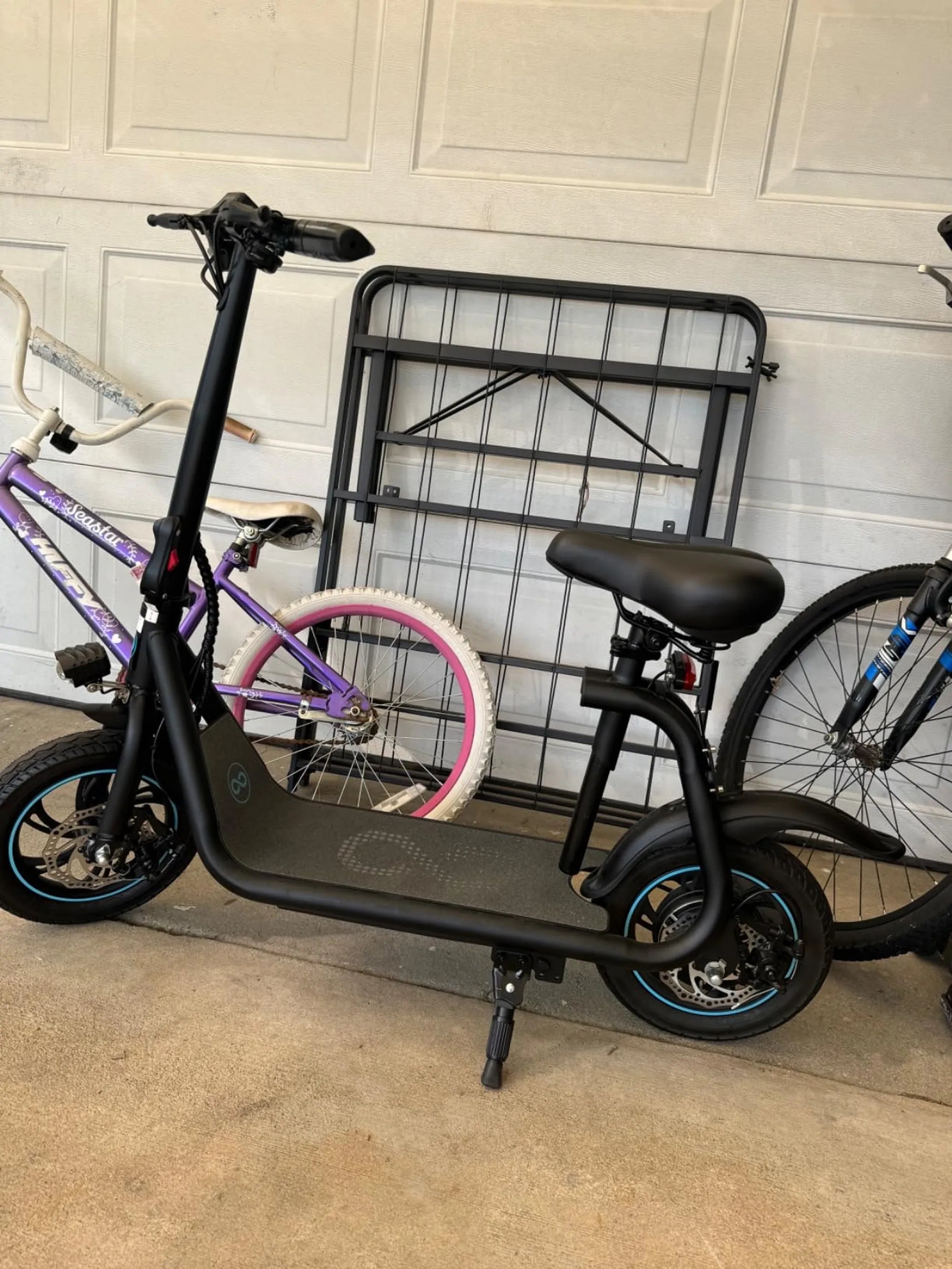
Redefining Independence in the Golden Years
For many seniors, maintaining an active, independent lifestyle can become a challenge due to mobility limitations. An electric mobility scooter is not merely a device; it is a key to preserving autonomy, re-engaging with the community, and rediscovering the joy of daily outings. This guide provides a detailed, factual roadmap to understanding and choosing the right electric mobility scooter, focusing on safety, reliability, and real-world usability. You will learn how to match a scooter to your lifestyle, identify critical safety features, and navigate the practicalities of ownership. Choosing a well-engineered scooter from a reputable brand like Gyroor, known for UL-certified batteries and robust warranties, is a foundational step toward secure and lasting freedom.
Understanding Your Needs: Is a Mobility Scooter Right for You?
Determining if an electric mobility scooter is the appropriate solution requires honest self-assessment of your daily life and physical capabilities. These devices are ideal for individuals who can walk short distances, transfer safely, and have sufficient upper body strength and cognitive ability to operate the controls, but for whom longer walks cause fatigue, pain, or instability. They bridge the gap between walking aids and full-time power wheelchairs.
Common scenarios where a scooter dramatically enhances quality of life include running errands like grocery shopping, visiting friends and family, attending social or religious gatherings, navigating large residential communities or campuses, and enjoying outdoor spaces such as parks and gardens. It transforms daunting tasks into manageable, even enjoyable, activities.
Conversely, a scooter may not be suitable if you require support for standing or walking very short distances, have severe balance issues that require constant torso support, or need to navigate very tight, indoor-only spaces where a compact power chair or walker is more practical. Consulting with an occupational therapist or physician is always recommended.
Key Indicators for Considering a Scooter
Specific signs suggest a mobility scooter could be a beneficial tool. These include persistent fatigue or pain that cuts walks or outings short, a reluctance to leave home due to walking difficulties, a noticeable decrease in social activities, or a genuine fear of falling while walking longer distances. When the effort of mobility begins to limit your life, a scooter offers a practical solution to reclaim it.
The Gyroor Advantage: Safety and Reliability Engineered for Seniors
When selecting a mobility aid, safety and dependability are paramount. Gyroor, a leading electric scooter and e-bike brand trusted by over 100,000 riders, translates its core engineering principles into senior-specific benefits. This commitment ensures that the promise of independence is backed by robust, trustworthy technology.
The cornerstone of this safety is the UL-certified battery pack. For seniors, this means unparalleled peace of mind during home charging. UL certification involves rigorous testing for overcharge protection, short-circuit prevention, and thermal stability, significantly reducing fire risk—a non-negotiable feature for any device used and charged in the home.
Furthering this commitment is an IPX5 water-resistant design. This rating means the scooter’s electrical components are protected against low-pressure water jets from any direction. In practical terms, it provides security against unexpected puddles, light rain, or accidental splashes, ensuring a sudden shower doesn’t end your outing or damage your investment.
Finally, Gyroor supports its products with a reliable 1-year comprehensive warranty and accessible customer support. For seniors and caregivers, this means having a clear path for troubleshooting and repair, minimizing downtime and stress, and ensuring the scooter remains a dependable part of daily life for the long term.
Comparing Scooter Types: Travel vs. Full-Size Models
Choosing the right class of scooter is crucial and depends primarily on your primary use case: portability versus all-day stability. The main categories are lightweight travel scooters and heavier full-size scooters, each with distinct advantages.
Travel scooters are designed for maximum portability. They are lighter, often feature a quick-disassembly mechanism, and are built to fit in a car trunk. They are ideal for seniors who are still drivers or who frequently travel with a caregiver, allowing the scooter to be taken on road trips, to appointments, or to visit family. Their trade-off is typically a smaller frame, slightly less suspension, and a lower weight capacity.
Full-size mobility scooters, often with four wheels, offer superior stability, comfort, and range. They are built for extended use outdoors and in large stores, featuring larger batteries for longer range, more powerful motors for handling inclines, wider seats, and often more advanced suspension. They are the choice for primary, daily use around a community or neighborhood but require a van or lift for transport.
| Feature | Travel Scooter | Full-Size 4-Wheel Scooter |
|---|---|---|
| Primary Use | Portability, travel, errands | Daily outdoor/community use |
| Weight | Lightweight (often under 100 lbs) | Heavier (150 lbs+) |
| Disassembly | Easy, often tool-free | Complex or not intended |
| Range per Charge | Moderate (10-15 miles) | Long (15-30+ miles) |
| Stability | Good on paved surfaces | Excellent, handles minor terrain |
| Ideal User | Active senior on the go | Senior needing a primary home/community vehicle |
Essential Features to Look For in a Senior Mobility Scooter
Beyond brand reputation, specific features directly impact comfort, ease of use, and safety. A senior-friendly scooter should feel intuitive and secure from the first use.
Comfort is critical. Look for a swivel seat that locks in place, with ample padding and adjustable height. The tiller (steering column) should be adjustable to accommodate your arm length for a relaxed posture. A delta-style handlebar (a single loop) is often easier for those with hand strength or dexterity issues compared to two separate handle grips.
Ease of use centers on simple, intuitive controls. A clear, backlit display showing battery level and speed mode is essential. The control mechanism—whether a thumb lever or twist grip—should require minimal force and offer precise acceleration and braking control. Controls should be logically grouped and easy to identify by touch.
Practicalities complete the picture. Integrated front and rear lighting is a must for visibility. A storage basket or compartment is invaluable for carrying groceries, a purse, or medical supplies. Finally, consider the charging process; the charger should be lightweight, and the charging port should be easily accessible without strenuous bending.
Safety Features You Shouldn't Compromise On
Certain safety elements are fundamental. Electromagnetic brakes, which engage automatically when the throttle is released, provide fail-safe stopping power. Adjustable speed settings, including a very slow "turtle mode" for crowded indoor spaces, allow you to match the scooter's performance to your environment and confidence level.
Anti-tip wheels at the rear prevent the scooter from tipping backwards on inclines. A stable, wide wheelbase is crucial for preventing lateral tipping. Additionally, a feature that provides automatic braking or limits speed on declines is vital for maintaining control on hills. These features are standard in quality designs from brands like Gyroor, where safety is integrated, not an afterthought.
Navigating the Practicalities: Purchase, Delivery, and Daily Use
The journey from decision to daily use involves several practical steps. Start by choosing a reputable retailer, either a local medical equipment dealer with service support or a trusted online brand with robust customer service, clear return policies, and detailed product specifications.
Understand delivery and setup options. Many local dealers offer "white-glove" delivery, which includes assembly, a basic tutorial, and removal of packaging. For online purchases, ensure you or a caregiver are comfortable with the assembly process, which for most scooters is straightforward but involves attaching the seat and front basket.
Basic maintenance is simple but essential. Proper battery care involves charging it after use, not letting it fully deplete for long periods, and storing it in a cool, dry place. Regularly check tire pressure (if pneumatic) for wear and ensure all connections are tight. Keep the scooter clean, especially the deck and mechanical parts.
Safe operation requires understanding the rules of the path. On sidewalks, yield to pedestrians and travel at a safe speed. In stores, be mindful of aisles and displays. Always use lighting in low-visibility conditions. Practice in a safe, open area like an empty parking lot to become familiar with the scooter's turning radius, acceleration, and braking before venturing into busier environments.
FAQ: Common Questions from Seniors and Caregivers
Q: Can I use a mobility scooter on grass or gravel?
A: Full-size scooters with larger, sometimes pneumatic tires can handle firm, packed grass and smooth gravel paths. Travel scooters and models with small solid tires are best suited for paved surfaces. Always proceed with caution on uneven terrain.
Q: How far can I go on a single charge?
A> Range varies by model, battery size, terrain, and rider weight. A typical range is between 10 and 20 miles per charge. Always check the manufacturer's specifications and plan trips with a safety margin. For example, a Gyroor scooter with a UL-certified battery will provide a reliable, consistent range as stated.
Q: What is the weight limit for these scooters?
A> Weight capacities are clearly listed and vary from approximately 250 to 350 pounds. It is imperative to choose a scooter rated for your weight to ensure safety, performance, and durability. Exceeding the limit compromises stability and stresses the frame and motor.
Q: Is a mobility scooter covered by insurance or Medicare?
A> Medicare Part B may cover a power mobility device (like a scooter or power chair) if you meet strict criteria: a medical necessity for use inside your home, a face-to-face examination, and a prescription from your doctor. It will not cover a scooter primarily for outdoor use. Always check with your specific plan and supplier for details.
Q: How do I transport a mobility scooter?
A> Travel scooters disassemble for car trunks. For full-size scooters, you need a vehicle lift or a wheelchair-accessible van. Many models can also be used on public transportation with bus lifts or on trains in designated areas.
Taking the First Step Toward Greater Freedom
Selecting an electric mobility scooter is a significant decision that directly impacts quality of life. By prioritizing safety through UL-certified batteries, valuing reliability through strong warranties and water-resistant builds, and carefully matching scooter type and features to individual needs, seniors can make a confident, informed choice. This investment goes beyond a product; it is an investment in autonomy, social connection, and the simple joy of moving through the world on your own terms.
Begin your journey by consulting with your healthcare provider to discuss your mobility goals. Then, explore options from brands that build with integrity and clarity. For a range of electric scooters engineered with these senior-focused priorities in mind, browse the full Gyroor collection at gyroorboard.com.
Electric Scooters for 7 Year Olds: The Ultimate Parent's Guide
Electric Scooters for City Commuting: Redefining Urban Mobility