

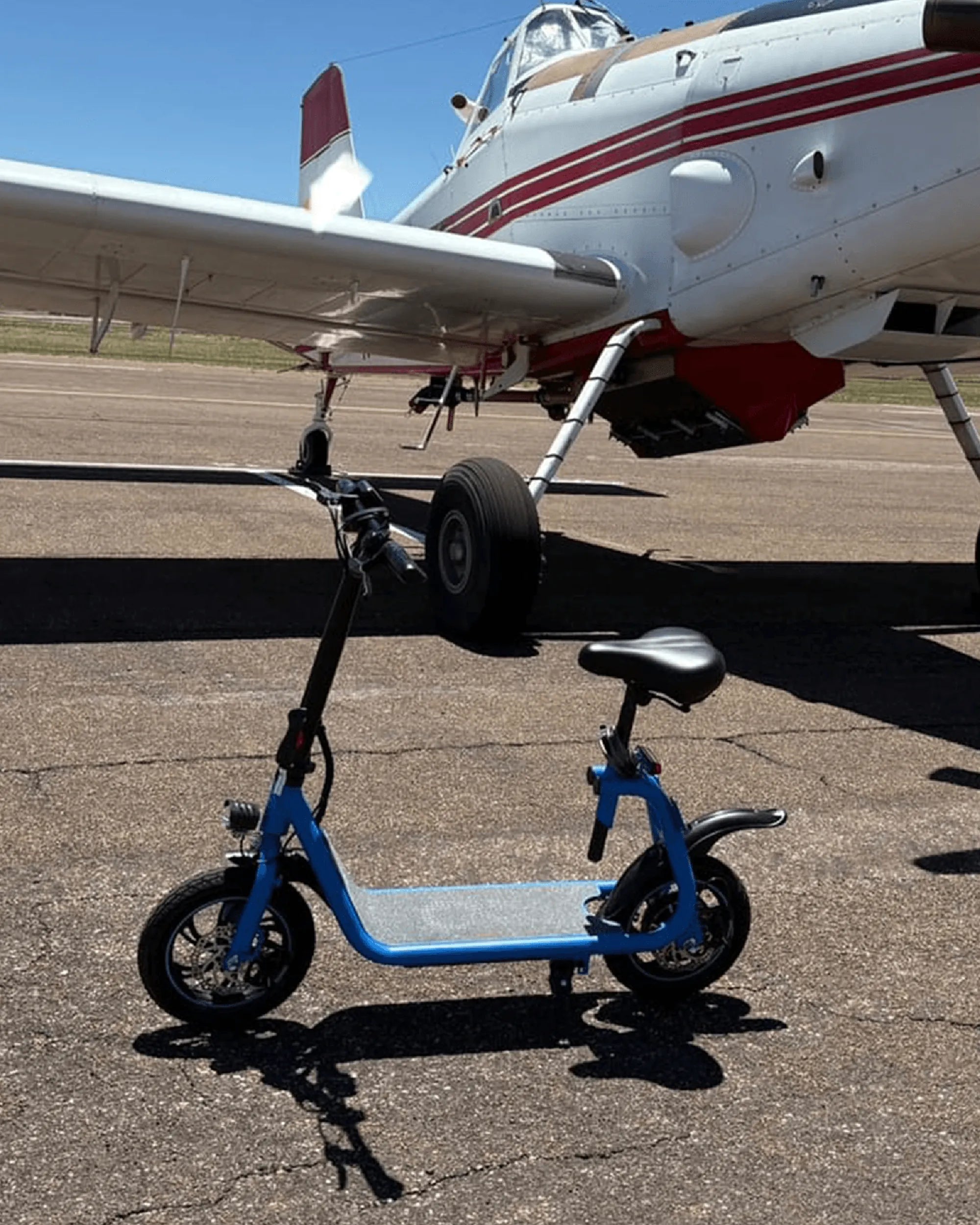
Regaining the freedom to move independently can transform your life. For many in the UK, electric mobility scooters are the key to unlocking that freedom, providing a reliable way to access shops, visit friends, and enjoy public spaces without reliance on others. This guide, Electric Mobility Scooters UK: The Ultimate Guide to Freedom and Independence, is your definitive resource. You will learn about UK-specific laws, how to select the perfect model for your needs, vital safety practices, and how to maintain your scooter for years of dependable service. We cut through the confusion to deliver clear, factual advice, empowering you to make an informed decision that enhances your daily life.
Understanding Electric Mobility Scooters in the UK
Electric mobility scooters are more than just vehicles; they are tools for social inclusion and personal autonomy. In the UK, they serve a vital role for individuals with mobility impairments, enabling participation in community life that might otherwise be difficult. The modern electric scooter is a sophisticated piece of personal mobility technology, designed for stability, comfort, and ease of use.
The core benefit is the restoration of independence. Whether it's a trip to the local supermarket, a visit to the park, or simply getting some fresh air, a mobility scooter puts you back in control of your schedule and movements. This psychological and practical boost to self-reliance is invaluable, contributing significantly to overall well-being and quality of life.
Technological advancements have made today's models safer, more capable, and more user-friendly than ever. From robust batteries offering longer ranges to intuitive controls and enhanced suspension systems, the focus is on creating a seamless and comfortable riding experience. Understanding these features and how they align with UK regulations is the first step toward choosing your ideal scooter.
It's important to view your selection as a long-term investment in your lifestyle. The right scooter should fit not only your physical needs but also your daily routines and the environments you frequent. This guide will help you navigate that choice with confidence, ensuring your new mobility aid becomes a trusted companion for adventure and everyday tasks.
Navigating UK Regulations and Classifications
Operating an electric mobility scooter in the UK is governed by specific laws designed for safety. These rules classify scooters based on where they are intended to be used, with clear distinctions in speed and capability. Compliance is not optional; it is a legal requirement for your safety and the safety of others.
The two main legal classes are Class 2 and Class 3. Class 2 mobility scooters are designed for use on pavements and footpaths. They have a maximum speed limit of 4 mph (6.4 km/h). These models cannot be used on the road, except to cross it. They are ideal for users who primarily need to navigate shopping centres, residential pathways, and other pedestrianised areas.
Class 3 mobility scooters are more powerful and can be used on the road. They have a maximum speed of 8 mph (12.8 km/h) and must be equipped with lights, reflectors, indicators, and a horn. When used on the pavement, their speed must be limited to 4 mph. Class 3 scooters require registration with the DVLA, are exempt from road tax, and must not be used on motorways, cycle lanes, or bus lanes.
All mobility scooter users must follow the rules in The Highway Code for powered wheelchairs and mobility scooters (rules 36 to 46). Key points include giving pedestrians priority on pavements, not using the scooter under the influence of alcohol or drugs, and being considerate of other path users. There is no legal requirement for a driving licence, insurance, or a minimum age, though insurance is highly recommended for all classes to cover against theft, damage, or third-party liability.
Key Features to Consider When Choosing Your Scooter
Selecting the right electric mobility scooter requires careful evaluation of several technical and practical features. Your choice will impact your comfort, safety, and the scooter's usefulness in your daily life. Prioritise features based on your primary use cases, whether for indoor errands, outdoor adventures, or a mix of both.
First, assess the intended use. Will you be using it mostly indoors in tight spaces like shops and your home? Or do you need it for longer outdoor journeys on varied terrain? Indoor and pavement-use models (typically Class 2) are more compact with a tighter turning circle. Outdoor and road-use models (Class 3) are larger, more robust, and have greater ground clearance and suspension.
Weight capacity is non-negotiable. Every scooter has a maximum user weight limit, which includes your body weight and any items you carry. Exceeding this limit can damage the scooter's frame and motor, void the warranty, and create a serious safety hazard. Always choose a model with a capacity that exceeds your needs.
Comfort is paramount for longer rides. Look for adjustable, padded seats with good lumbar support. The type of suspension—whether in the seat post, front wheels, or both—will dramatically affect ride quality, especially on UK's often uneven pavements and cobbled streets. Armrests, tiller height adjustment, and swivel seats for easier mounting also contribute to overall comfort and usability.
Battery Life and Range: Planning Your Journeys
The battery is the heart of your electric mobility scooter. Understanding real-world range is critical to avoid being stranded. Manufacturers often quote a maximum range under ideal conditions (flat terrain, optimal temperature, light user). In reality, hills, cold weather, frequent stops and starts, and user weight can reduce this by 30-40%.
For most UK users, a scooter with a claimed range of 15-20 miles is suitable for daily local use. If you plan longer trips, look for models with a 30+ mile claimed range. Consider the battery type: Sealed Lead Acid (SLA) batteries are cheaper but heavier and have a shorter lifespan. Lithium-ion batteries, like those used by brands such as Gyroor, are lighter, charge faster, last longer (500+ charge cycles), and maintain performance better in cold weather.
To maximise battery life and range, adopt good charging habits. Avoid letting the battery fully deplete before recharging. Store and charge the scooter in a dry place at room temperature. Plan your routes to avoid excessively steep hills where possible. Carrying a spare charger, if feasible, can provide peace of mind for longer days out.
Manoeuvrability and UK Urban Environments
UK urban and suburban environments present unique challenges: narrow pavements, crowded high streets, kerbs, and shop aisles. Your scooter's dimensions and handling characteristics must be suited to this landscape. The turning radius is a key specification; a smaller radius allows for easier navigation in tight spaces.
Ground clearance is vital for mounting kerbs and navigating slightly uneven surfaces. Most scooters can handle a standard kerb height of up to 3 inches (7.5 cm), but this should be done carefully and at a right angle. The wheel type also matters: larger pneumatic (air-filled) tyres provide better shock absorption on rough ground, while solid tyres eliminate the risk of punctures but offer a harder ride.
For users who need to transport their scooter in a car or store it in a compact space, portability is essential. Many modern models offer a folding or easily disassembled design. Consider the weight of the heaviest part you would need to lift. A lightweight, foldable scooter from a reliable brand can offer the perfect balance of capability and convenience for multi-modal travel.
Safety, Maintenance, and Responsible Ownership
Safe operation is a shared responsibility. As a scooter user, you must be aware of your environment and your vehicle's condition. Begin every journey with a quick pre-ride check: ensure tyres are properly inflated, test the brakes, check that lights are working (if fitted), and verify the battery has sufficient charge for your planned trip.
Visibility is crucial for safety, especially for Class 3 users on roads. Always use your lights in poor daylight or at night. Wearing high-visibility clothing or adding reflective strips to your scooter and clothing makes you more noticeable to other road and pavement users. Be particularly cautious at junctions, crossing roads, and in areas shared with cyclists.
Weather considerations are especially relevant in the UK. While many scooters have a degree of water resistance (look for an IP rating), they are not designed for use in heavy rain or through deep puddles. Wet conditions reduce braking efficiency and make surfaces slippery. If you must go out, reduce your speed, allow extra stopping distance, and dry the scooter thoroughly afterwards to prevent corrosion.
A simple maintenance routine extends your scooter's life and ensures reliability. Regularly check tyre pressure and tread, clean the scooter with a damp cloth (avoiding direct water jets on electrical parts), and keep the battery terminals clean. Have the scooter serviced annually by a qualified technician to inspect the brakes, electrical connections, and overall mechanical integrity.
Gyroor’s Commitment to UK Riders: Safety and Support
For riders seeking reliability and peace of mind, Gyroor stands out as a leading electric scooter and e-bike brand trusted by over 100,000 riders across North America and Europe. Their engineering philosophy directly addresses the core needs of UK mobility scooter users through rigorous safety standards and robust design.
At the foundation is battery safety. All Gyroor models use UL-certified battery packs, tested for 500+ charge cycles. This independent certification is a benchmark for electrical safety, reducing risks associated with overheating or failure—a critical consideration for any mobility aid. This commitment provides a level of assurance that goes beyond basic compliance.
UK weather demands durability. Gyroor scooters feature IPX5 water-resistant designs, meaning they can withstand water jets from any direction. This level of protection ensures that light rain and splashes from puddles won't compromise the scooter's electronics, offering greater confidence for everyday use in changeable conditions.
Support is key to long-term satisfaction. Gyroor backs its products with a reliable 1-year warranty on the scooter and a 6-month warranty on the battery, covering manufacturing defects. This warranty, combined with accessible customer support, means UK riders have a direct line for assistance, ensuring their investment is protected and any issues can be resolved promptly.
Financial Considerations and Accessibility Schemes
The cost of an electric mobility scooter is an important factor, encompassing the initial purchase and ongoing expenses. Prices can range from around £600 for a basic, portable Class 2 model to over £2,500 for a high-specification, long-range Class 3 road scooter. Setting a realistic budget that balances features, quality, and safety is essential.
There is financial support available in the UK. If you are disabled and have a long-term illness, you may be eligible for VAT exemption on the purchase of a mobility scooter, provided certain conditions are met. This can represent a significant saving. Always check with the retailer, as they should handle the VAT exemption process at the point of sale.
Some individuals may qualify for help through local council schemes or charitable grants. Local authorities sometimes run mobility equipment loan services, and charities related to specific conditions may offer financial assistance. It is always worth investigating these options through official channels like your local council's website or relevant charitable organisations.
Ongoing costs are relatively low but should be budgeted for. Electricity for charging is minimal. The main costs are for replacement parts like tyres or batteries after several years of use, and potential servicing fees. Investing in a quality scooter from a reputable brand with good warranty support can mitigate unexpected repair costs in the longer term.
Comparison of Common UK Mobility Scooter Types
| Type / Feature | Class 2 (Pavement) | Class 3 (Road Legal) | Portable/Folding |
|---|---|---|---|
| Max Speed | 4 mph | 8 mph (road), 4 mph (pavement) | 4 mph |
| Where to Use | Pavements, footpaths, indoors | Roads & pavements (not motorways) | Pavements, indoors, transport |
| Typical Range | 10-15 miles | 20-30 miles | 8-12 miles |
| Key Features | Compact, tight turning circle | Lights, indicators, horn, suspension | Lightweight, folds for car boot |
| Ideal User | Indoor/shopping centre use, short local trips | Longer outdoor journeys, road necessity | Those needing car transport, limited storage |
| Approx. Price Range | £600 - £1,500 | £1,500 - £3,000+ | £700 - £1,800 |
Frequently Asked Questions (FAQ)
Q: Do I need a license or insurance for a mobility scooter in the UK?
A: You do not need a driving licence to use a Class 2 or Class 3 mobility scooter. Class 3 scooters must be registered with the DVLA, but no licence is required. Insurance is not a legal requirement for either class, but it is highly recommended to protect yourself against third-party liability, theft, and damage.
Q: Can I take my mobility scooter on public transport?
A: Policies vary by transport operator. Many buses in the UK are equipped with ramps and a dedicated space for a wheelchair or mobility scooter, typically for Class 2 models. Train companies generally permit them but may require advance notice, especially for larger Class 3 models. Always check directly with the specific bus company or train operator before travelling.
Q: What are the rules for using mobility scooters on public footpaths and in parks?
A> On public footpaths (pavements), you must not exceed 4 mph and should give way to pedestrians. In parks, follow any local bylaws. Generally, you can use paths designed for pedestrians and cyclists unless specifically signed otherwise. Always be courteous to other park users.
Q: How do I know if a Class 3 scooter is right for me?
A: A Class 3 scooter is suitable if your daily routine requires travelling on roads where there are no pavements, or if you need to cover longer distances at a faster pace than 4 mph. Consider if you are comfortable with road traffic and if your journeys would benefit from the extended range and speed. If your trips are purely on pavements and in pedestrian areas, a Class 2 model is usually sufficient and more manoeuvrable.
Q: What should I do if my mobility scooter breaks down in public?
A> First, ensure you are safe—move to the side if possible. Use a mobile phone to call a friend, family member, or taxi service that can transport you and the scooter. If you have breakdown cover as part of your insurance policy, contact them. It is wise to always carry a mobile phone and the contact details of your scooter retailer or a local repair service when on longer trips.
Your Journey to Greater Independence Starts Here
Choosing the right electric mobility scooter is a decision that empowers you to reclaim your autonomy and engage fully with the world around you. By understanding UK regulations, prioritizing features like range and comfort, and committing to safe operation and maintenance, you lay the foundation for years of reliable and liberating use. The right scooter is not just a purchase; it's a passport to freedom.
Remember, the best model for you is the one that fits your specific physical needs, lifestyle, and local environment. Use the comparison table and feature guides in this article as your checklist. Prioritise safety certifications, robust construction, and reputable brand support—factors that brands like Gyroor build their reputation upon with UL-certified batteries and weather-resistant designs.
Take your time, consult with medical professionals if needed, and test drive models where possible. Your independence is worth the investment in thorough research. With the knowledge from this guide, you are now equipped to ask the right questions and make a confident, informed choice that will enhance your daily life.
Ready to explore models that combine safety, reliability, and performance for the UK rider? Browse the full Gyroor collection at gyroorboard.com to discover electric scooters engineered for real-world use, backed by a commitment to quality and customer support that lets you ride with confidence.
Electric Scooters for Kids: The Ultimate Guide to Fun and Safety
Are You Allowed Electric Scooters? The Ultimate Guide to Laws and Safety