



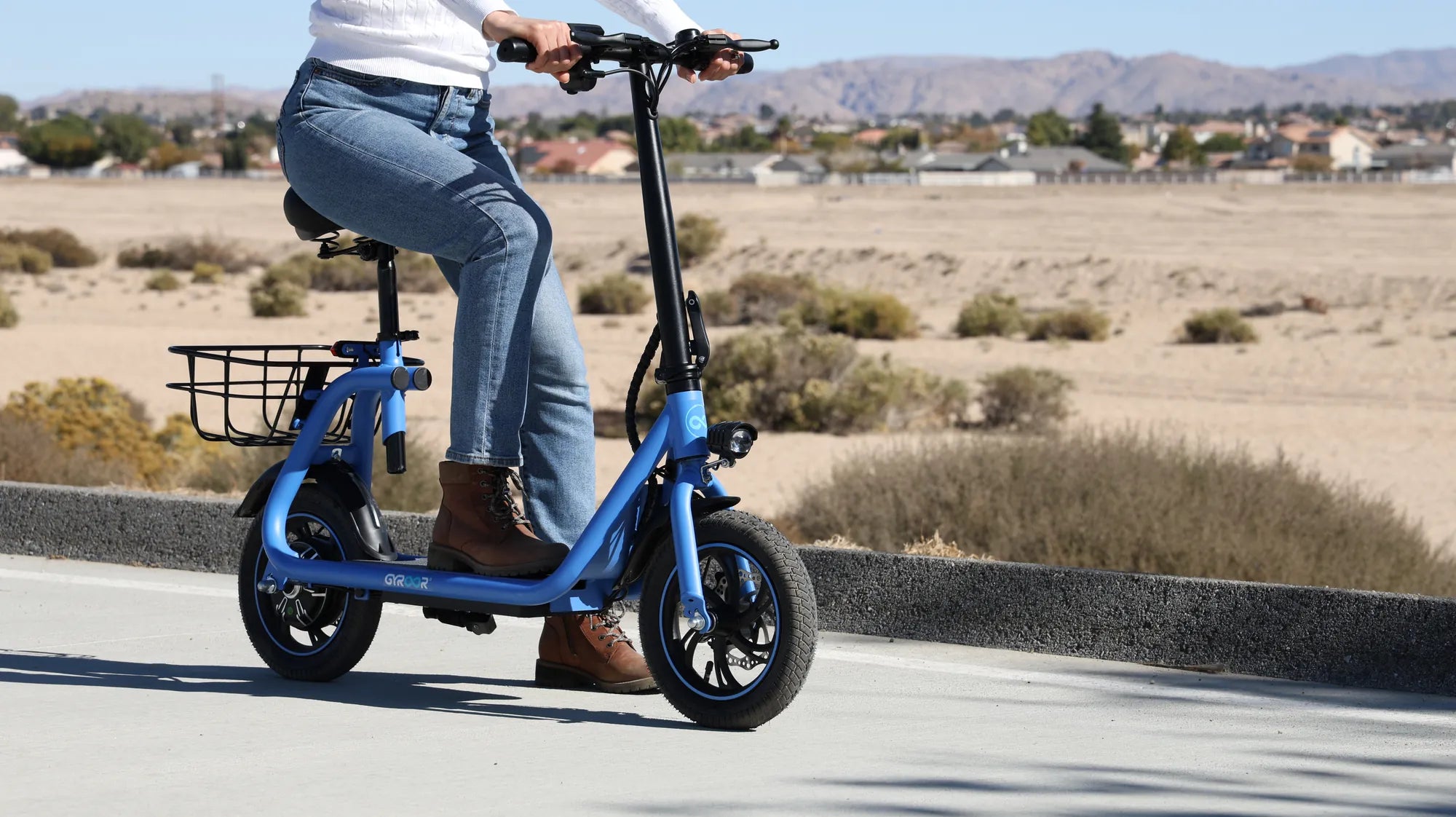
Introduction to the Australian E-Scooter Landscape
The streets of Sydney, Melbourne, and Brisbane are undergoing a quiet revolution. Electric motor scooters Australia have surged from a niche novelty to a mainstream mobility solution, fundamentally altering how residents navigate sprawling urban centres. This shift is driven by a potent combination of practical necessity and environmental consciousness, addressing chronic traffic congestion, rising fuel costs, and a collective push towards sustainable living.
For Australian commuters, the appeal is clear. E-scooters bridge the frustrating 'last mile' gap between public transport hubs and final destinations with remarkable efficiency. They offer a flexible, cost-effective alternative to sitting in gridlock, all while producing zero direct emissions. The market has responded with a vast array of models, making informed choice critical. Leading this evolution are brands like Gyroor, which bring a focus on certified safety, robust construction, and reliable performance tailored for Australian conditions, trusted by over 100,000 riders globally.
The adoption curve mirrors global trends but is uniquely shaped by local geography, climate, and evolving regulatory frameworks. As trials transition into permanent schemes and personal ownership grows, understanding this landscape is key for any prospective rider. This article provides a comprehensive, data-driven guide to navigating the present and future of electric motor scooters in Australia.
Why Australia is Embracing Electric Motor Scooters
Australia's intrinsic characteristics make it a fertile ground for electric scooter adoption. First, the climate is predominantly favourable, with many cities enjoying mild winters and extensive sunshine, facilitating year-round riding. This contrasts with regions facing harsh seasonal limitations, giving Australian riders a significant usability advantage.
Urban sprawl is a defining feature of major Australian cities. Suburbs extend vast distances from central business districts, creating complex commutes. Electric scooters solve a critical piece of this puzzle, seamlessly connecting homes to train stations or bus stops. They transform a 20-minute walk into a swift 5-minute glide, making public transport a more viable and attractive option for a wider population.
A strong and growing environmental consciousness amplifies the shift. Australians are increasingly motivated to reduce their carbon footprint. Choosing an e-scooter over a car for short trips represents a tangible, personal contribution to cleaner air and reduced traffic congestion, aligning with broader national sustainability goals.
Finally, the economic argument is compelling. With the cost of car ownership, fuel, parking, and public transport continually rising, electric scooters offer a low-cost alternative. The electricity required for charging is minimal, and maintenance costs are typically far lower than for motor vehicles, providing substantial long-term savings for daily commuters.
Navigating Australian E-Scooter Laws and Regulations
Understanding the legal framework is the most critical step before purchasing or riding an e-scooter in Australia. Regulations are not nationally uniform; they are set by individual states and territories, with nuances often added by local councils. Ignorance is not a defence, and non-compliance can result in significant fines. The core rules generally revolve around where you can ride, speed limits, and scooter specifications.
Most states align on key points for privately owned scooters. The general maximum speed limit on public paths and roads is 25 km/h. Motor power output is typically capped at 200W or 250W for road use without registration. Riders must wear an approved bicycle helmet, and the minimum age is often 12 or 16 years. Riding on footpaths is permitted in some states but prohibited in others, emphasising the need to check local rules.
Safety First: Riding Responsibly Down Under
Adhering to the law is the foundation of safety, but responsible riding goes further. Always perform a pre-ride check of your scooter's tyres, brakes, and lights. Use hand signals to indicate turns or stops, just as a cyclist would. Be hyper-aware of your surroundings, especially pedestrians, children, and pets on shared paths—always yield and maintain a safe, courteous distance.
For night riding, visibility is non-negotiable. Ensure your scooter's front and rear lights are fully functional and consider adding reflective elements to your clothing or backpack. Choosing a scooter with reliable, responsive braking systems is crucial. Features like Gyroor's dual braking systems (electronic and disc or drum) provide the confidence needed to handle sudden stops in dynamic urban environments, from busy city intersections to park paths.
Key Features to Look for in an Australian E-Scooter
Selecting the right electric scooter for Australian conditions requires careful evaluation of specifications against your specific needs. Prioritising features that match local regulations, terrain, and climate will ensure a safer, more reliable, and enjoyable experience. The market is saturated with options, but focusing on a few core areas will guide you to a quality investment.
Build quality is paramount. A scooter with a sturdy frame, often made from aerospace-grade aluminium, can withstand the rigours of daily commuting. Pay close attention to the advertised water resistance rating. An IPX5 rating, like that found on Gyroor models, means the scooter can withstand water jets from any direction, offering essential protection against unexpected rain showers common in subtropical cities like Brisbane or Sydney.
Power and Range for Aussie Commutes
Motor power directly impacts your ability to tackle inclines and maintain speed. For most Australian cities, a continuous motor rating of 350W to 500W provides a good balance of hill-climbing capability and regulatory compliance for use on bike paths and local roads. Always verify your state's specific wattage limits for unregistered vehicles.
Range is often the most scrutinised spec. Manufacturers advertise 'maximum' range, but real-world range is affected by rider weight, terrain, wind, and temperature. For a typical Australian suburban commute of 5-10km each way, a scooter with a real-world range of 20-25km provides a comfortable buffer. This is where battery quality is critical. Gyroor's use of UL-certified battery packs, tested for over 500 charge cycles, ensures not only safety from overheating but also more consistent range performance over the scooter's lifetime.
Durability for Diverse Terrain and Weather
Australian urban terrain varies from smooth bike lanes to cracked footpaths and gentle gravel paths. A scooter with a suspension system—whether spring-based or hydraulic—absorbs shocks, providing a smoother ride and reducing fatigue on longer journeys. It also lessens stress on the scooter's frame and components, enhancing longevity.
Tyre choice is another key durability factor. Air-filled (pneumatic) tyres offer superior shock absorption and grip on varied surfaces compared to solid tyres. However, they require maintenance to check pressure and are susceptible to punctures. Solid or airless tyres eliminate puncture worries but can provide a harsher ride. The decision often comes down to your primary route surface and maintenance preference.
Gyroor E-Scooters: Engineered for Australian Conditions
For Australian riders seeking a harmonious blend of performance, safety, and durability, Gyroor stands out as a purpose-engineered choice. The brand's philosophy centres on delivering reliable mobility solutions backed by rigorous testing and certified components, directly addressing the specific challenges of the Australian commute.
Gyroor models are designed with regulatory compliance in mind. Their popular commuter offerings feature motor configurations and speed limiters aligned with common state regulations for personal mobility devices. This provides peace of mind that your ride is built for legal road and path use. Beyond compliance, the focus is on real-world performance. Powerful motors ensure confident acceleration from stops and capable hill-climbing, essential for cities like Sydney with its undulating landscape.
The commitment to durability is evident in key specifications. The IPX5 water-resistant rating is a critical feature, safeguarding the scooter's electrical systems against rain and road spray. Combined with robust folding mechanisms and high-tensile frames, this makes Gyroor scooters capable of handling daily use in variable conditions. Furthermore, the inclusion of UL-certified batteries addresses the foremost safety concern for any lithium-ion powered device, offering proven protection against thermal runaway.
Finally, Gyroor supports its products with a comprehensive 1-year warranty and accessible customer support. For Australian customers, this means a direct channel for assistance and parts, ensuring your investment is protected and your scooter remains on the road for years to come. It's a holistic approach that prioritises the rider's long-term experience over short-term specs.
Comparing Top E-Scooter Use Cases for Australian Riders
Different riders have different needs. The table below breaks down key considerations for common Australian use cases, highlighting how feature priorities shift.
| Use Case | Recommended Range | Key Features | Terrain & Consideration |
|---|---|---|---|
|
Last-Mile Commuter (Train/Bus + Scooter) |
15-25 km | Lightweight, fast folding, compact design, good water resistance (IPX5). | Paved paths, smooth surfaces. Portability for carrying on transport is critical. |
|
Suburban Daily Commuter (Full trip home to office) |
25-40 km | Long-range battery, comfort suspension, powerful motor (350W+), bright lights. | Mixed paths and local roads. Needs durability for daily use and power for hills. |
| Campus & Urban Explorer | 20-30 km | Balanced weight, good manoeuvrability, reliable brakes, moderate speed. | Footpaths, shared zones, crowded areas. Safety and control are paramount. |
| Weekend Recreational Rider | 30+ km | Extended range, enhanced suspension, larger tyres for stability, higher speed capability. | Bike paths, park trails, longer distances. Focus on ride comfort and enjoyment. |
The Future of Urban Commuting in Australia
The trajectory for electric motor scooters in Australia points towards deeper integration into the urban transport fabric. We can expect state regulations to gradually harmonise, creating a more consistent national framework that encourages adoption while maintaining safety standards. Technology will continue to advance, with future scooters likely featuring smarter connectivity, enhanced battery energy density for longer ranges, and more sophisticated safety systems like automatic emergency braking or turn-signal integration.
A significant trend will be the formalisation of 'micro-mobility' as a complementary layer to public transport. Transport authorities may begin to design infrastructure with e-scooters in mind, such as wider, smoother bike lanes, more secure parking hubs at stations, and even integrated payment systems. The scooter itself will evolve from a simple vehicle to a connected data point within a smarter city ecosystem.
For consumers, this means more choice, better technology, and improved riding infrastructure. The emphasis will increasingly shift towards total cost of ownership, reliability, and sustainability credentials—factors where established brands with certified components and strong warranties already hold a significant advantage. The future commute is not just electric; it's interconnected, efficient, and personalised.
Frequently Asked Questions (FAQs)
Q: Do I need a license or registration to ride an e-scooter in Australia?
A: For privately owned e-scooters that meet specific criteria (e.g., power under 250W, speed limited to 25km/h), you generally do not need a license or registration in most states for use on allowed paths and roads. However, you must always check your specific state's rules as they differ. Riders are typically required to be over a certain age (often 16).
Q: Can I ride my e-scooter on the footpath?
A> This varies significantly by state. In Queensland and Tasmania, riding on footpaths is generally permitted. In New South Wales, it is prohibited for devices capable of over 10km/h. In Victoria, it is prohibited unless specifically signed as a shared path. Always default to your local state regulations, as council bylaws can add further restrictions.
Q: What is the best e-scooter for hills in cities like Sydney or Melbourne?
A: To comfortably tackle hills, look for a scooter with a robust motor. A continuous rating of 500W or higher is recommended for sustained hill-climbing power. Also, consider models with good torque at lower speeds. Scooters with dual motors (though often exceeding power limits for some road use) provide maximum hill-climbing ability. Ensure your chosen model's power complies with your local regulations for intended use.
Q: How does Gyroor's warranty and support work for Australian customers?
A> Gyroor offers a standard 1-year warranty on its electric scooters, covering manufacturing defects in materials and workmanship. Australian customers can access support through the brand's official channels. It's advisable to purchase from authorised retailers or the official website to ensure warranty validity and streamline the support process for parts or service inquiries.
Q: Are Gyroor scooters compliant with Australian state regulations?
A> Gyroor designs its scooters with global regulations in mind. Many of their core commuter models feature power outputs and speed limiters that align with common Australian state limits for personal mobility devices (e.g., 25km/h top speed). However, the ultimate responsibility for compliance lies with the rider. You must configure and use the scooter within the legal parameters of your state, such as adhering to local speed and power limits on public land.
Conclusion: Your Next Commute, Reimagined
Electric motor scooters are more than a passing trend in Australia; they are a pragmatic and sustainable response to the evolving challenges of urban mobility. They offer unparalleled flexibility, slash commuting costs, and contribute to a cleaner urban environment. The key to unlocking this potential lies in making an informed choice—prioritising safety through certified components like UL-listed batteries, ensuring durability with features like IPX5 water resistance, and selecting a model whose performance aligns with both your commute and local laws.
As Australian cities continue to grow and adapt, the integration of e-scooters into our daily lives will only deepen. By choosing a reputable brand engineered for reliability and backed by strong customer support, you're not just buying a scooter; you're investing in a smarter, more efficient way to move. The future of your commute is electric, connected, and waiting. Explore how a well-built e-scooter can transform your daily travel. Browse the full Gyroor collection at gyroorboard.com to find the model engineered for your Australian journey.
Electric Scooters 2025 Models: The Future of Urban Mobility
Are Electric Scooters Going to Become Legal? The Future of Urban Mobility