

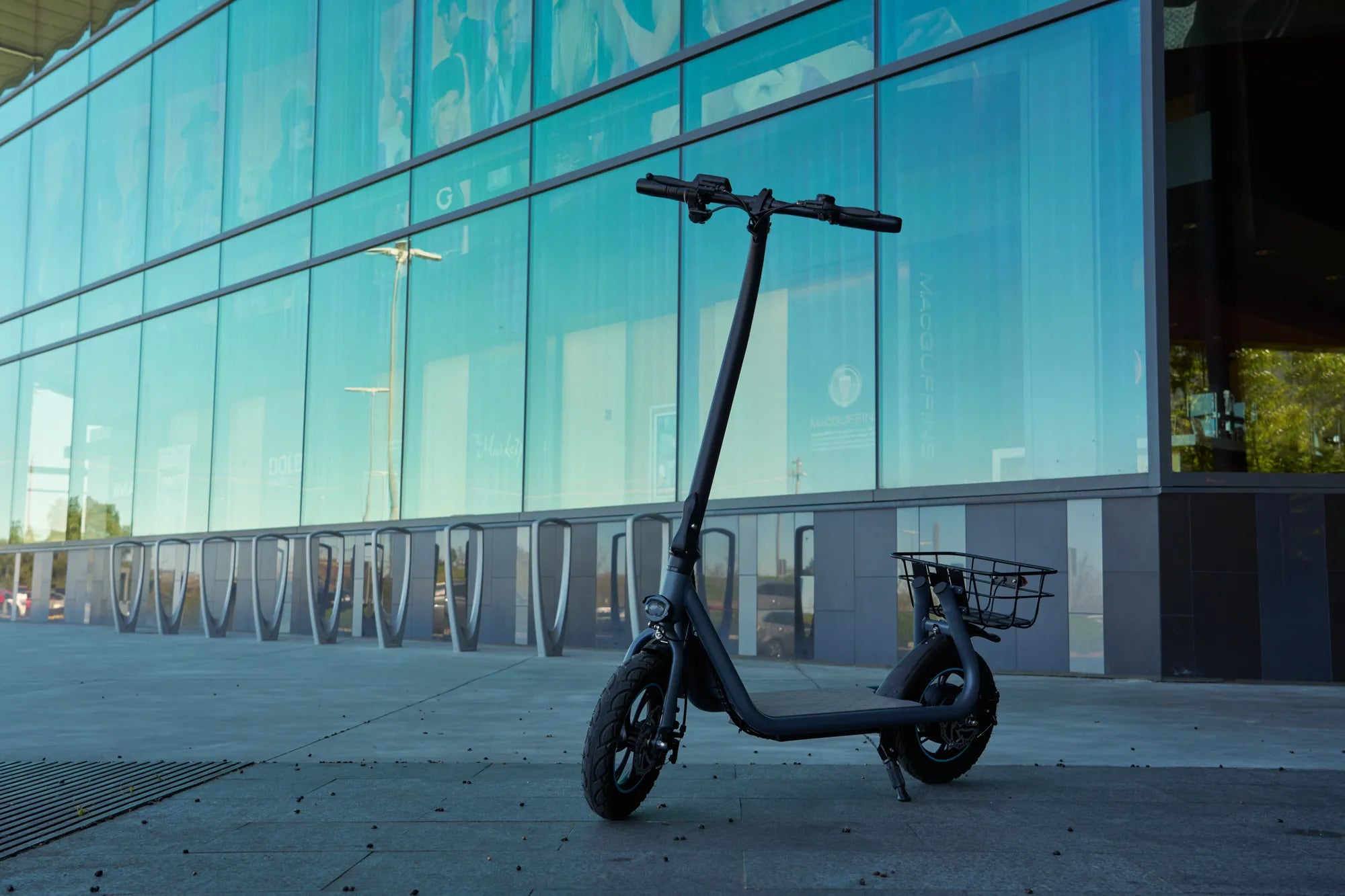
The Rise of the Electric Scooter
Urban landscapes are undergoing a silent revolution. As city streets groan under the weight of congestion and the environmental toll of traditional transport mounts, a nimble, efficient alternative has emerged. Electric powered scooters are no longer a novelty; they are a core component of a pragmatic solution to modern mobility challenges. This shift is driven by a global community of commuters seeking smarter, cleaner, and more economical ways to navigate their daily lives, with innovators like Gyroor leading the charge in engineering reliable, safe, and high-performance personal electric vehicles.
The transformation is data-backed. Cities that have integrated micro-mobility options report measurable reductions in traffic congestion and localized emissions. For the individual, the appeal is immediate: reclaim time lost in traffic, eliminate fuel costs, and simplify the often-complex last-mile journey from transit hubs to final destinations. The electric powered scooter represents a fundamental rethinking of personal urban transit, prioritizing efficiency and accessibility.
This adoption is fueled by significant technological advancements. Modern electric scooters boast longer ranges, more powerful motors, and robust safety features that make them viable for daily commuting, not just recreational use. Brands committed to quality, such as Gyroor, have built trust with over 100,000 riders across North America and Europe by focusing on certified components and durable designs, proving that this mode of transport is built to last.
The future of urban mobility is not about replacing every car but about offering a smarter, more flexible choice for a significant portion of city trips. The electric powered scooter sits at the heart of this new ecosystem, offering a compelling blend of personal freedom and collective benefit that is reshaping how we move.
Why Electric Scooters Are Dominating City Streets
The dominance of electric powered scooters in urban centers is not accidental. It is the result of a powerful convergence of economic, environmental, and practical advantages that directly address the pain points of modern city living. For millions, the daily commute has transformed from a stressful expense into an efficient, even enjoyable, part of the day.
These vehicles offer a direct answer to the inefficiencies of traditional transport. They bypass traffic, eliminate the search for parking, and seamlessly connect different modes of public transit. The result is a faster, more predictable, and less stressful journey from point A to point B, giving riders control over their most valuable asset: time.
The Unbeatable Commuter Math: Cost & Time Savings
When analyzed purely on economics, the value proposition of an electric scooter is staggering. The initial investment is quickly offset by the near-elimination of ongoing costs associated with car ownership or frequent ride-sharing. Consider the annual expenses of fuel, insurance, parking, maintenance, and depreciation for a car in a metropolitan area, which can easily exceed thousands of dollars.
In contrast, the operating cost of an electric powered scooter is measured in cents per charge. A full charge for a typical commuter model costs less than a quarter of electricity, providing 15-40 miles of range. There is no gas, no expensive insurance mandate in most regions, and minimal maintenance. When compared to monthly public transit passes or daily ride-share fares, the scooter pays for itself within months for a regular commuter.
The time savings are equally significant. Electric scooters can maintain an average speed of 15-20 mph, often matching or exceeding car speeds in dense downtown traffic during rush hour. They can use bike lanes and pathways, avoiding gridlock entirely. This transforms a 30-minute stalled car commute into a 15-minute breezy ride, reclaiming hours every week.
The Green Commute: Environmental Impact in Numbers
The environmental argument for electric powered scooters is compelling and quantifiable. They produce zero direct tailpipe emissions, immediately improving local air quality by reducing pollutants like nitrogen oxides and particulate matter in crowded urban corridors. This has a direct impact on public health and urban livability.
On a lifecycle basis, the carbon footprint per mile traveled on an e-scooter is a fraction of that of a passenger car, even when accounting for electricity generation and manufacturing. A study by the European Environment Agency found that shared e-scooters, when replacing car trips, can reduce lifecycle greenhouse gas emissions by approximately 70% per passenger kilometer. For personal ownership, the impact is even greater due to longer product life and efficient charging.
Responsible manufacturers amplify this benefit through sustainable engineering. Gyroor, for instance, utilizes UL-certified battery packs designed for 500+ charge cycles, ensuring a long product lifespan and reducing electronic waste. This commitment to durability means fewer scooters in landfills and a lower overall environmental impact from production to disposal.
Ultimate Urban Agility: Convenience and Parking
The physical design of electric scooters solves one of cities' most intractable problems: space. Their compact, foldable form factor is the epitome of urban agility. A commuter can ride to a train station, fold the scooter in seconds, carry it aboard, and unfold it for the final leg of the journey. This mixed-mode flexibility makes public transit more accessible and effective for a wider range of trips.
Parking ceases to be a headache. An electric powered scooter can be parked in a bicycle rack, brought inside an office, or stored under a desk, completely eliminating parking fees, tickets, and the frustrating search for a space. This not only saves money but also significantly reduces daily stress, contributing to a more pleasant urban experience.
This portability also enhances security. The ability to easily take your vehicle indoors drastically reduces the risk of theft, a major concern with bicycles and motorcycles. For apartment dwellers without garage access, the scooter’s compact size makes storage trivial, removing a significant barrier to personal vehicle ownership.
Choosing Your Ride: Key Features for the Modern Rider
Selecting the right electric powered scooter requires understanding how specifications translate to real-world performance. It’s not just about top speed or maximum range; it’s about matching the scooter’s capabilities to your specific commute, terrain, and personal needs. A well-informed choice ensures satisfaction, safety, and reliability for years to come.
Focusing on core performance metrics, build quality, and rider comfort will guide you to a model that feels like a natural extension of your daily routine rather than a compromise. Leading brands engineer their products around these pillars, creating vehicles that are both powerful and practical for the demands of city life.
Power & Performance: Motor, Speed, and Range Explained
Motor wattage is a key indicator of performance, particularly for handling hills and acceleration. A 250W motor is sufficient for flat terrain, while 350W-500W motors provide confident hill-climbing ability for gradients common in many cities. High-performance commuter and off-road models may feature dual motors or motors exceeding 500W for exceptional torque.
Advertised range is a “best-case scenario” number. Real-world range is affected by rider weight, terrain, wind, temperature, and riding style (frequent acceleration uses more power). A scooter advertised for 25 miles may reliably deliver 18-20 miles for a 180-pound rider on a hilly route. It’s wise to choose a model with a range rating at least 30% higher than your longest regular trip to account for these variables and battery degradation over time.
Speed should align with local regulations and safety comfort. Most urban areas regulate e-scooters to speeds between 15-20 mph. A scooter with a top speed of 19-20 mph is ideal for keeping pace with city traffic in bike lanes. Higher speeds require more protective gear and greater rider skill, and may not be legal on all paths.
Built for the Real World: Durability and Safety
Durability is non-negotiable for a daily commuter vehicle. The frame should be constructed from aerospace-grade aluminum or reinforced steel, capable of withstanding the vibrations and minor impacts of urban pavement. Welds should be clean and solid, and the folding mechanism (if present) should feel robust and secure with no wobble.
Safety is paramount and is defined by two critical components: the battery and water resistance. A UL-certified battery pack, like those used in all Gyroor models, is essential. This certification means the battery has undergone rigorous independent testing for electrical, mechanical, and environmental safety, drastically reducing the risk of fire or malfunction—a fundamental standard responsible riders should demand.
Equally important is an IPX5 water resistance rating. This signifies the scooter can withstand water jets from any direction, making it safe to ride in light rain and through puddles. For a commuter who can’t choose the weather, this feature is indispensable for reliability and protects the scooter’s internal electronics from moisture damage.
Comfort & Control: Tires, Suspension, and Braking Systems
Ride comfort is determined by the scooter’s ability to absorb road imperfections. Air-filled (pneumatic) tires provide the best shock absorption and traction, especially on wet surfaces, but require occasional inflation and are susceptible to punctures. Solid or honeycomb tires are maintenance-free and puncture-proof but offer a firmer, less comfortable ride. For city commuting, pneumatic tires paired with a front or dual suspension system offer the ideal balance of comfort and grip.
The braking system is your primary safety feature. A combination of braking mechanisms is ideal. Electronic (regenerative) brakes help recharge the battery slightly and provide smooth stopping power, while a physical brake—either a disc brake (offering strong, consistent performance) or a drum brake (lower maintenance)—delivers reliable stopping force in all conditions. A scooter with dual braking systems, such as an electronic front brake and a disc rear brake, provides redundancy and maximum control.
The Gyroor Advantage: Engineered for Confidence
In a market filled with options, Gyroor has distinguished itself by building a foundation of trust through engineering excellence and clear customer commitments. The brand’s philosophy centers on providing riders with not just a product, but a reliable, safe, and enjoyable mobility solution. This is achieved by setting and exceeding industry benchmarks in critical areas that matter most for daily use.
With a community of over 100,000 riders and a 4.5/5 average rating, Gyroor’s reputation is built on real-world performance. Their approach combines advanced technology with practical design, ensuring every scooter is ready for the challenges of the daily commute, from sudden rain showers to demanding hills.
Safety as Standard: The UL-Certification Promise
Gyroor’s commitment to safety begins at the core: the battery. Every model is equipped with a UL-certified battery pack. This is not merely a marketing term but a rigorous guarantee. UL certification involves extensive testing for overcharge, short circuit, impact, crush, and drop scenarios to ensure the battery will not catch fire or explode under fault conditions.
This standard is crucial for a device kept in homes and offices. It provides peace of mind that the energy source powering the scooter is as safe as possible. Furthermore, these batteries are rated for 500+ charge cycles, ensuring long-term performance and stability, which translates to consistent range and reliability over years of ownership, protecting the rider’s investment.
Ride Through the Elements: IPX5 Water Resistance
Understanding that commutes don’t stop for weather, Gyroor designs its scooters with IPX5-rated water resistance. This engineering specification means the scooter’s electrical compartments are sealed against low-pressure water jets from any angle. In practical terms, a rider can confidently navigate wet city streets, ride through unavoidable puddles, or get caught in a light drizzle without fear of immediate damage or electrical short.
This feature is a hallmark of a serious commuter vehicle. It extends the scooter’s usable days per year and prevents the downtime and repair costs associated with water damage. It reflects a design philosophy that anticipates real-world conditions, ensuring the scooter is a dependable tool, rain or shine.
Protected Investment: Understanding the 1-Year Warranty
Gyroor backs its engineering confidence with a comprehensive 1-year warranty. This warranty covers defects in materials and workmanship for the entire vehicle, including the motor, controller, and frame. It is a direct reflection of the brand’s trust in its manufacturing quality and durability.
For the customer, this warranty is a vital safety net. It means that if a component fails under normal use within the first year, Gyroor’s support team will provide a resolution, which may include sending replacement parts or providing repair guidance. This US-based support structure is designed for quick, helpful service, turning a potential frustration into a simple process and ensuring the rider gets back on the road with minimal disruption.
Electric Scooter Comparison: Matching Model to Need
Choosing the right model depends on your primary use case. The table below compares general scooter categories to help guide your decision, illustrating how different designs prioritize features for specific riders.
| Rider Profile & Use Case | Recommended Focus | Key Features to Prioritize | Gyroor Lineup Example |
|---|---|---|---|
|
Short-Distance Commuter / Student (Sub-5 mile trips, flat campuses) |
Portability, Affordability, Simplicity | Lightweight foldable design, solid tires (low maintenance), adequate range (10-15 mi), simple controls. | Compact, lightweight models ideal for carrying on buses or storing in dorms. |
|
Urban Daily Commuter (5-15 mile round trip, mixed terrain) |
Range, Comfort, Durability, Weather Resistance | Real-world range (18+ mi), pneumatic tires & suspension, IPX5 rating, UL-certified battery, reliable brakes. | Commuters with enhanced suspension, water resistance, and robust batteries for daily reliability. |
|
Performance & Long-Distance Rider (Extended range, higher speeds, hills) |
Power, Extended Range, Advanced Features | High-wattage motor (500W+), large capacity battery (30+ mi range), dual braking, superior suspension, brighter lights. | High-performance models designed for tackling steep hills and providing maximum range for longer adventures. |
|
Off-Road / Rugged Terrain Enthusiast (Trails, gravel, uneven surfaces) |
Extreme Durability, Traction, Suspension | Large pneumatic off-road tires, full suspension system, high ground clearance, ultra-durable frame, extreme torque. | Rugged models built with reinforced frames and off-road tires for adventure beyond pavement. |
The Road Ahead: Integration and Smart Cities
The evolution of electric powered scooters extends beyond the vehicle itself. Their true potential is unlocked when they are integrated into the broader urban mobility ecosystem. Forward-thinking cities are beginning to view micro-mobility not as a nuisance, but as a vital tool for reducing congestion, lowering emissions, and increasing equitable access to transportation.
This integration represents the next phase of the urban mobility revolution, where the humble electric scooter becomes a connected node in a smarter, more responsive city network. The technology is evolving to support this vision, moving from standalone products to interconnected components of urban infrastructure.
From Personal Vehicle to Public Transit Partner
The concept of “micro-mobility as a first-mile/last-mile solution” is becoming a formalized part of urban planning. Transit agencies are partnering with scooter providers and designing infrastructure to create seamless journeys. This includes designated parking and charging docks at transit hubs, integrated fare payment systems, and urban design that prioritizes safe, connected networks of bike and scooter lanes.
This synergy makes public transit more viable for a wider range of trips. A commuter living a mile from a subway station is more likely to use the train if a quick, cheap scooter ride bridges that gap. This reduces reliance on private cars for the full journey, leading to fewer vehicles on the road, less demand for parking, and more efficient use of existing public transit infrastructure.
Technology Convergence: Apps, Connectivity, and Security
The future electric powered scooter is a connected device. Integrated GPS and 4G/Bluetooth connectivity enable features like real-time location tracking via smartphone apps, geofencing to control riding zones, and remote locking mechanisms that immobilize the scooter, drastically reducing theft.
These apps can also provide diagnostic data, maintenance reminders, and ride statistics. Looking further ahead, connectivity allows for potential integration with smart city IoT networks. Scooters could communicate with traffic signals to request priority, provide aggregated, anonymized data to city planners on traffic flow, or even self-diagnose and report maintenance issues to service centers, ensuring higher fleet reliability for shared systems and personal owners alike.
Frequently Asked Questions (FAQ)
Are electric scooters legal on roads and bike paths?
Laws vary significantly by city, state, and country. In most U.S. urban areas, they are legal on bike lanes and streets with speed limits under 35 mph, but often prohibited on sidewalks. Always check your local Department of Transportation or city council website for specific regulations regarding maximum speed, helmet requirements, age limits, and approved riding areas before you ride.
How far can I really go on a single charge?
The real-world range is typically 70-80% of the manufacturer’s advertised range, which is tested under ideal conditions (light rider, flat terrain, moderate speed). Factors that reduce range include rider weight, hills, headwinds, cold temperatures, and frequent stops and starts. For a reliable commute, choose a scooter with an advertised range at least 30-40% longer than your round-trip distance.
Is it difficult to learn to ride an electric scooter?
Most adults and older teens can learn the basics in under 30 minutes. The key is to start in a safe, empty parking lot. Practice balancing, gentle acceleration using the thumb throttle, and braking. Always wear a helmet and protective gear during the learning phase. The intuitive controls and self-balancing nature make it far easier to learn than a bicycle for many people.
What maintenance does an electric scooter require?
Regular maintenance is minimal but crucial for safety and longevity. Key tasks include: checking tire pressure weekly (for pneumatic tires), inspecting brakes for wear and proper function, ensuring all bolts and nuts (especially on the folding mechanism and handlebars) are tight, cleaning the scooter with a damp cloth (never a pressure washer), and storing the battery between 20-80% charge if not used for extended periods.
How does Gyroor’s warranty handle common wear and tear items?
Gyroor’s 1-year warranty covers defects in materials and workmanship for core components like the motor, battery, controller, and frame. Consumable parts that experience normal wear, such as tires, brake pads, and grips, are not covered as they degrade with use. The warranty is designed to protect against manufacturing faults, ensuring the scooter’s fundamental systems are reliable. Instructions for replacing wear items are provided in the user manual.
Your Ticket to a Smarter Commute
The evidence is overwhelming: electric powered scooters are a cornerstone of sustainable, efficient, and enjoyable urban mobility. They offer a tangible solution to the economic drain of car ownership, the environmental cost of fossil fuels, and the daily frustration of traffic and parking. This isn't a fleeting trend but a fundamental shift in how we conceptualize short-distance travel in our cities.
Embracing this future requires choosing a partner you can trust. It means selecting a vehicle where safety certifications like UL are non-negotiable, where water resistance is engineered in, and where a comprehensive warranty backs the build quality. Brands like Gyroor have built their reputation on these pillars, providing over 100,000 riders with the confidence to redefine their daily journeys.
The future of urban mobility is clean, connected, and personal. It starts with a single decision to move differently. Explore the engineering, compare the specs, and discover how a reliable electric scooter can transform your commute from a chore into the best part of your day. The road to a smarter city begins with your ride.
Ready to join the mobility revolution? Browse the full Gyroor collection at gyroorboard.com to find the electric scooter engineered for your confidence and commute.
Are Electric Scooters Street Legal? What You Need to Know
Premium Electric Scooters for Urban Commuting: Your 2024 Guide