



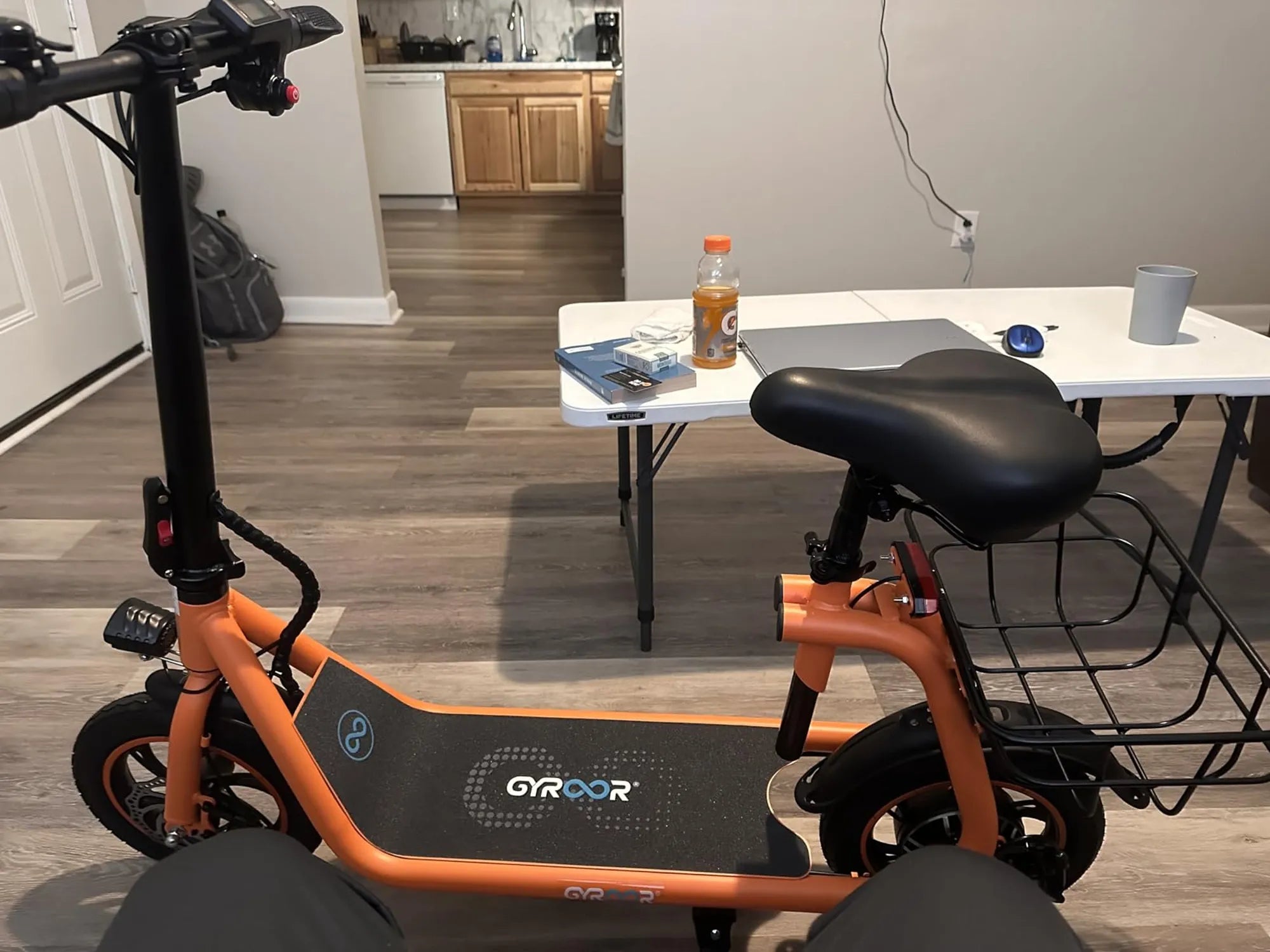
Introduction to Electric-Powered Tricycles
An electric powered tricycle, or e-trike, integrates an electric motor, a battery pack, and a controller into a stable three-wheeled chassis. This configuration creates a distinct vehicle category that offers the pedal-assist or throttle-powered convenience of an e-bike with the inherent stability of a third wheel. The electric powered tricycle is rapidly evolving from a niche product into a mainstream solution for urban mobility, active aging, and light utility transport.
This vehicle bridges a critical gap between two-wheeled electric scooters or e-bikes and larger, more expensive electric cars or cargo vans. Its core appeal lies in solving specific pain points: the balance requirement of two-wheelers and the inefficiency of cars for short trips. The market for the electric powered tricycle is diversifying, with models tailored for different primary users.
Key user segments include urban commuters seeking a car alternative for errands, seniors and individuals with mobility concerns who prioritize safety and ease of use, and businesses or individuals needing to transport significant cargo or passengers. The electric powered tricycle represents a practical, low-barrier entry point into electric personal transportation.
This guide will provide a data-driven analysis of why the electric powered tricycle is gaining traction, what specifications truly matter, and who stands to benefit most from this versatile form of mobility. We will move beyond marketing claims to examine real-world performance, safety standards, and long-term usability.
The Core Advantages: Why Choose an E-Trike?
The decision to choose an electric powered tricycle over other micromobility options hinges on three fundamental advantages that are inherent to its design. These benefits address limitations commonly found with two-wheeled vehicles, making the e-trike a uniquely practical choice for a broad demographic.
First is the elimination of the balancing act. For many, the prospect of riding a bicycle or scooter, even with electric assist, is daunting due to stability concerns, especially at low speeds or when coming to a stop. The electric powered tricycle solves this definitively.
Second is its unparalleled utility. The stable platform allows for integrated cargo solutions that would be precarious or impossible on two wheels. This transforms the vehicle from a simple people-mover into a legitimate tool for daily tasks and light commercial work.
Finally, the design philosophy of most e-trikes centers on accessibility. The step-through frames, comfortable seating positions, and intuitive controls lower the physical and skill barriers to entry, inviting a wider range of people to enjoy independent electric mobility.
Unmatched Stability and Safety
The three-point contact with the ground is the defining feature of the electric powered tricycle. This geometry provides passive stability that does not rely on rider skill or constant micro-corrections. The vehicle remains upright when stationary, during slow-speed maneuvers, and when loading or unloading cargo.
This inherent stability is a significant safety multiplier. It drastically reduces the risk of tip-overs, which are a common cause of injury on two-wheeled vehicles, particularly for inexperienced or older riders. The confidence this instills allows riders to focus on traffic and navigation rather than balance.
For seniors, individuals with certain physical disabilities, or those recovering from injury, this stability is not just a convenience—it's an enabler of mobility. It allows for safe, low-impact transportation without the fear of falling, which can be a major deterrent to using traditional bicycles or e-scooters.
Furthermore, the stable platform allows for more robust construction. Frames can be designed to carry heavier loads without compromising handling, and components like batteries and motors can be mounted lower and more centrally, improving the overall center of gravity and ride quality.
Exceptional Cargo and Passenger Capacity
Utility is where the electric powered tricycle truly shines. The stable base enables various cargo configurations that far exceed the capacity of panniers or a bike basket. This makes the e-trike a genuine car replacement for numerous local trips.
Common designs include large rear cargo boxes or platforms with high weight ratings, often exceeding 100 lbs (45 kg). Some models feature lockable storage compartments, while others offer customizable flatbeds. Front-loading "bucket" or "box" trikes are also popular, placing weight between the two front wheels for optimal steering and stability under load.
This capacity directly translates to practical applications. A single trip on an electric powered tricycle can handle a full week's groceries, multiple bags of gardening supplies, or bulky items like a large pet carrier. For families, specially designed models can safely transport one or two young children in integrated seats.
For commercial users, this utility is transformative. The electric powered tricycle serves as an efficient, zero-emission platform for last-mile delivery, mobile vending (coffee, food, goods), security patrols on large campuses, or internal logistics in warehouses and factories. The operational cost per mile is a fraction of that of a van or truck.
Accessibility and Comfort for All Riders
The design of most electric powered tricycles prioritizes ease of use. The step-through frame is nearly universal, allowing riders to mount and dismount easily without swinging a leg over a high crossbar. This is a critical feature for those with limited flexibility or strength.
The seating position is typically upright and relaxed, reducing strain on the back, neck, and wrists compared to the leaned-forward posture of many road bikes or e-scooters. Wide, cushioned seats are common, and many models offer adjustable seating positions to accommodate different leg lengths.
Operation is straightforward. Most e-trikes offer multiple levels of pedal assist (PAS) and a thumb or twist throttle for pure electric power. There is no need to learn how to balance or execute complex maneuvers. Riders can start, stop, and navigate at their own pace with confidence.
This focus on accessibility makes the electric powered tricycle an inclusive technology. It extends the benefits of active, electric transportation to demographics that might otherwise be excluded, promoting greater independence, physical activity, and community engagement for a wider population.
Key Features to Consider When Buying an E-Trike
Selecting the right electric powered tricycle requires careful evaluation of its specifications and construction. Unlike impulse purchases, an e-trike is a significant investment in a utility vehicle. Understanding these key features will ensure you choose a model that meets your needs for performance, range, safety, and durability.
The core components—motor, battery, and frame—determine the vehicle's capability. Secondary features like brakes, tires, and accessories define its comfort and versatility. A holistic assessment, rather than focusing on a single high-number spec, leads to the best long-term satisfaction with your electric powered tricycle.
Brand reputation and post-purchase support are equally crucial. A comprehensive warranty, available replacement parts, and clear customer service channels are indicators of a manufacturer that stands behind its product. This is where established brands with a track record in personal electric transport, like Gyroor, provide significant value and peace of mind.
Investing time in research pays dividends. Consider your primary use case, typical load, terrain, and storage conditions. Matching these real-world requirements to the specifications below will guide you to the ideal electric powered tricycle for your lifestyle or business.
Motor Power and Drive Configuration
Motor power, measured in watts (W), is a primary determinant of an e-trike's hill-climbing ability and acceleration. For most urban and suburban use, a motor in the 500W to 750W range provides ample power. For heavy cargo hauling or significant hills, 750W to 1000W or more is advisable.
The motor's location is also key. Hub motors, located in the center of one or more wheels, are common and provide direct drive. They are generally low-maintenance. A rear-hub motor offers good traction for climbing. Some performance-oriented or utility electric powered tricycle models feature two-wheel drive (2WD), with a hub motor in each of the two rear wheels, providing exceptional traction for off-pavement use or slippery conditions.
Mid-drive motors, mounted at the bike's crank and pedals, are less common on e-trikes but offer advantages. They leverage the bicycle's gears, making them highly efficient on hills and providing a more natural pedaling feel. However, they are often more complex and expensive.
When evaluating motor power, consider the torque rating (in Newton-meters, Nm) alongside watts. Torque is the rotational force that gets you moving from a stop and pushes you up a hill. A high-torque motor, even at a modest wattage, can feel more powerful in real-world conditions than a high-wattage, low-torque motor.
Battery Capacity and Real-World Range
Battery capacity is the fuel tank of your electric powered tricycle. It is typically described by its voltage (V) and amp-hour (Ah) rating. A more useful combined metric is watt-hours (Wh), calculated as Voltage x Amp-hours. A higher Wh number indicates a larger capacity battery and, all else being equal, a longer potential range.
Manufacturer range estimates are often conducted under ideal laboratory conditions. Real-world range is affected by numerous variables. The table below provides a realistic estimation framework based on battery capacity and common riding factors.
| Battery Capacity (Wh) | Estimated Min Range* | Estimated Max Range* | Key Influencing Factors |
|---|---|---|---|
| 400-500 Wh | 15 miles (24 km) | 30 miles (48 km) | Low assist, flat terrain, light rider |
| 500-700 Wh | 20 miles (32 km) | 40 miles (64 km) | Mixed use, moderate hills, some cargo |
| 700-1000+ Wh | 30 miles (48 km) | 60+ miles (96+ km) | High-capacity for cargo/long commutes |
*Rider weight, cargo load, terrain (hills), wind, tire pressure, and level of pedal assist used dramatically impact range. Throttle-only use can reduce these estimates by 30-50%.
Battery safety is non-negotiable. Insist on models that use brand-name, UL-certified battery cells and packs. These have undergone rigorous testing for thermal stability, short-circuit protection, and longevity. Gyroor, for example, equips its electric mobility products with UL-certified battery packs tested for over 500 charge cycles, a critical benchmark for safety and value.
Build Quality, Braking, and Warranty
The frame is the foundation. Look for sturdy materials like aluminum alloy, which offers a good strength-to-weight ratio and corrosion resistance, or high-tensile steel for maximum durability in heavy-duty applications. Welds should be clean and even, and the overall finish should be robust.
Braking performance is paramount, especially for a vehicle that can carry significant weight. Disc brakes, whether mechanical or hydraulic, offer superior stopping power and consistent performance in wet conditions compared to rim or drum brakes. For a loaded electric powered tricycle, dual disc brakes (front and rear) are highly recommended for safe, controlled stopping.
Weather resistance protects your investment. An Ingress Protection (IP) rating like IPX5 indicates the electrical components are protected against water jets from any direction, making the e-trike capable of handling rain and wet roads. This is a key feature for a practical, everyday vehicle.
A strong warranty is your safety net. A reputable brand will offer a comprehensive warranty that covers the frame (often 2-5 years), motor (1-2 years), and battery (1-2 years). Gyroor's standard 1-year comprehensive warranty on its e-mobility products, backed by its history with over 100,000 riders, exemplifies the confidence and support a reliable manufacturer provides.
E-Trike vs. E-Bike vs. E-Scooter: Choosing Your Ride
The landscape of light electric vehicles can be confusing. Understanding the fundamental differences between an electric powered tricycle, an electric bicycle (e-bike), and a stand-up electric scooter (e-scooter) is essential for matching the vehicle to your primary needs. Each excels in different scenarios.
The following comparison table distills the key attributes. Use it as a starting point to identify which vehicle type aligns with your priorities for stability, utility, storage, and riding experience.
| Feature | Electric Powered Tricycle | Electric Bicycle (E-Bike) | Electric Scooter (E-Scooter) |
|---|---|---|---|
| Primary Stability | Exceptional (3 wheels) | Good (requires balance) | Good (requires balance) |
| Cargo/Passenger Capacity | Very High (integrated boxes, racks) | Moderate (panniers, trailers) | Low (small deck, backpack) |
| Portability & Storage | Low (large, heavy) | Medium (can be heavy) | High (foldable, relatively light) |
| Typical Use Case | Utility, commuting, mobility aid | Fitness, commuting, recreation | Last-mile transit, urban short trips |
| Learning Curve | Very Low (intuitive) | Low (requires basic bike skill) | Low-Medium (requires balance) |
| Rider Position | Seated, upright | Seated (various postures) | Standing |
The electric powered tricycle is the undisputed choice for anyone whose top priorities are inherent stability, high cargo or passenger capacity, and ease of use without a learning curve. It is a tool for practical transportation and utility first.
An e-bike is ideal for riders who already enjoy cycling and want electric assist for longer distances, hills, or to reduce sweat on a commute. It offers a more traditional, athletic riding experience and is generally more portable and easier to store than an e-trike.
A stand-up e-scooter excels in multi-modal commuting and ultra-short trips. Its compact, foldable design makes it easy to carry on public transit or store under a desk. It is a pure people-mover with minimal utility for cargo.
Your choice ultimately hinges on your dominant use case. If you envision hauling groceries, giving rides, or simply want the most confidence-inspiring ride, the electric powered tricycle is the logical and optimal selection.
Practical Applications: Who Are E-Trikes Best For?
The theoretical advantages of the electric powered tricycle become concrete in specific user scenarios. By examining these real-world applications, it becomes clear that the e-trike is not a one-size-fits-all solution, but rather a uniquely capable tool for well-defined needs and lifestyles.
From replacing car trips in dense urban areas to restoring independence for older adults, the electric powered tricycle is proving its value daily. Its versatility also opens new possibilities for small businesses and municipal services seeking efficient, green alternatives for local logistics.
Understanding these applications helps potential buyers visualize how an e-trike could integrate into and improve their daily routines. It moves the conversation from features on a spec sheet to tangible benefits in quality of life, cost savings, and environmental impact.
The following profiles illustrate the primary beneficiaries of this technology. If you identify with one or more of these descriptions, an electric powered tricycle may be a transformative investment for you.
The Urban Commuter and Errand-Runner
For city and suburban dwellers, the electric powered tricycle is a game-changer for local transportation. It efficiently replaces car trips for distances under 10 miles, eliminating the frustrations of traffic, parking fees, and fuel costs. The stable platform makes navigating urban streets and bike lanes feel secure.
Its utility shines during errands. A weekly grocery run, a trip to the hardware store, or ferrying children to activities can be accomplished without a second thought about cargo space or balance. The lockable storage on some models adds security for your belongings while you shop.
Commuting on an electric powered tricycle combines exercise (if using pedal assist) with guaranteed arrival without sweat. It provides a reliable, all-weather option that isn't dependent on public transit schedules. For those with limited parking at work, an e-trike solves the final leg of the journey seamlessly.
Environmentally and economically, the impact is significant. Switching multiple car trips per week to a quiet, zero-direct-emission electric powered tricycle reduces your carbon footprint and saves hundreds of dollars annually on fuel, maintenance, and parking.
Seniors and Riders Seeking Enhanced Mobility
For seniors, the electric powered tricycle is more than a vehicle; it's a key to maintained independence and social connection. It addresses the common decline in confidence for driving a car or riding a two-wheeled bicycle. The stable, easy-to-mount design removes these barriers.
It enables active aging. Light pedaling with electric assist provides low-impact cardiovascular exercise, improves joint mobility, and boosts mental well-being. It allows seniors to visit friends, attend community events, or simply enjoy a park ride without relying on others for transportation.
Individuals with conditions that affect balance, strength, or stamina—such as arthritis, mild Parkinson's, or recovery from surgery—find the electric powered tricycle to be a safe and empowering mobility aid. It extends their range and capability beyond what walking allows.
In most jurisdictions, low-speed electric powered tricycles do not require a driver's license, registration, or insurance, making them an accessible and low-cost transportation option for this demographic. They represent freedom and self-reliance.
Commercial and Utility Use
The commercial case for the electric powered tricycle is compelling and growing. Its low operating cost, zero tailpipe emissions, and cargo versatility make it an ideal solution for "last-mile" logistics in crowded urban environments where larger vehicles are inefficient.
Delivery services for food, parcels, and local goods are a natural fit. An e-trike can navigate pedestrian areas, use bike lanes, and park effortlessly, often delivering faster than a van in dense city cores. Companies are adopting them to meet sustainability goals and reduce urban congestion.
Mobile vendors use customized electric powered tricycles as self-contained retail units for selling coffee, ice cream, flowers, or artisan goods. The vehicle provides storage, power for equipment, and an attractive storefront that can move to high-foot-traffic locations.
On large properties like universities, corporate campuses, hospitals, or resorts, e-trikes are used by security personnel for patrols, by maintenance teams for transporting tools, and by hospitality staff for guest services. They are quiet, clean, and cost-effective compared to gas-powered utility vehicles.
FAQ: Your Electric Tricycle Questions Answered
Prospective e-trike owners often have practical questions about legality, maintenance, and performance. This section addresses the most common inquiries with clear, authoritative answers based on current regulations and best practices.
Understanding these fundamentals will help you ride confidently, care for your investment properly, and set realistic expectations for what your electric powered tricycle can do. Always consult your local authorities for the most specific regulations in your area.
These answers are designed to cut through confusion and provide actionable information. From legal requirements to battery care, being informed is the first step to a successful and satisfying ownership experience with your electric powered tricycle.
Q1: Do I need a license, registration, or insurance to ride an electric powered tricycle?
A1: In most U.S. states and many other regions, low-speed electric powered tricycles are classified similarly to electric bicycles. If the motor is under 750W and the maximum assisted speed is 20 mph (Class 1/2) or 28 mph (Class 3), they typically do not require a driver's license, vehicle registration, or insurance. However, local laws vary significantly. Some cities or states may have age restrictions or helmet requirements. Always check the specific regulations in your municipality and state/province before riding.
Q2: How do I maintain and store an e-trike, especially the battery?
A2: Basic maintenance ensures longevity. Regularly check tire pressure (crucial for range and handling), inspect brake pads for wear, and keep the chain lubricated and clean if your model has one. For the battery, follow the manufacturer's guidelines precisely. Key tips include: store the bike and battery in a cool, dry place away from extreme temperatures; avoid leaving the battery fully discharged for extended periods; and always use the charger provided with your electric powered tricycle. For brands like Gyroor, using UL-certified chargers with their battery packs is part of the integrated safety system.
Q3: Can electric trikes handle hills and rough terrain?
A3: Yes, but capability varies by model. An electric powered tricycle with a motor of 500W or more, especially a 750W+ model, can handle moderate hills, particularly if the rider uses pedal assist. Models with two-wheel drive (2WD) offer exceptional traction for steep or slippery inclines. For terrain, most e-trikes are designed for paved roads, bike paths, and packed gravel or dirt trails. They are not suitable for aggressive mountain biking trails, deep sand, or rocky off-road conditions due to their wheelbase and geometry.
Q4: How far can I realistically travel on a single charge?
A4: Real-world range depends heavily on usage. Refer to the range estimation table in the "Battery Capacity" section. As a rule of thumb, expect 1-2 miles per 10Wh of battery capacity under average conditions (e.g., a 500Wh battery yields 25-50 miles). Using the highest level of pedal assist or throttle-only, carrying heavy cargo, riding into a headwind, or navigating constant hills will reduce this range. Planning for a range of 20-30 miles on a mid-capacity battery is a safe bet for most users, with plenty of reserve.
Q5: Are e-trikes safe to ride in traffic?
A5: With proper precautions, yes. Their stability is an asset. To maximize safety: use bright front and rear lights day and night; install a loud horn or bell; use high-visibility flags (especially since e-trikes are lower than cars); obey all traffic laws; signal your intentions clearly; and assume drivers may not see you. Choose routes with bike lanes or slower-speed streets when possible. The confident, upright riding position of an electric powered tricycle can make you more visible and predictable to other road users than a crouched cyclist.
The Future of Personal Transport is on Three Wheels
The electric powered tricycle has emerged as a pragmatic and powerful answer to several modern challenges: urban congestion, the need for sustainable logistics, and the desire for inclusive mobility. It is not a futuristic concept but a practical, available technology improving lives today.
Its value proposition is clear and data-driven. By offering unmatched stability, superior cargo utility, and broad accessibility, the electric powered tricycle fills a unique niche that two-wheeled vehicles and cars cannot. It democratizes electric mobility, making it viable for a far wider segment of the population.
As cities become denser and the focus on carbon reduction intensifies, the role of vehicles like the e-trike will only grow. They represent a smart, scalable solution for cleaner, quieter, and more livable communities. The evolution towards more efficient motors, longer-lasting batteries, and smarter connectivity will further enhance their appeal and capability.
Choosing a reliable electric powered tricycle from a trusted brand is an investment in this future. Brands that prioritize foundational safety features—like UL-certified batteries, IP-rated water resistance, and robust warranties—provide the reliability needed for daily use. For those ready to experience stable, utility-focused electric mobility, the journey begins with informed research and a quality product.
Explore a range of durable, safety-certified electric mobility solutions designed for real-world use. Browse the full Gyroor collection at gyroorboard.com.
Budget Friendly E Bike: The Complete Guide to Smart Value in 2024
How Fast Can a 80cc Dirt Bike Go? Top Speed & Performance Guide