



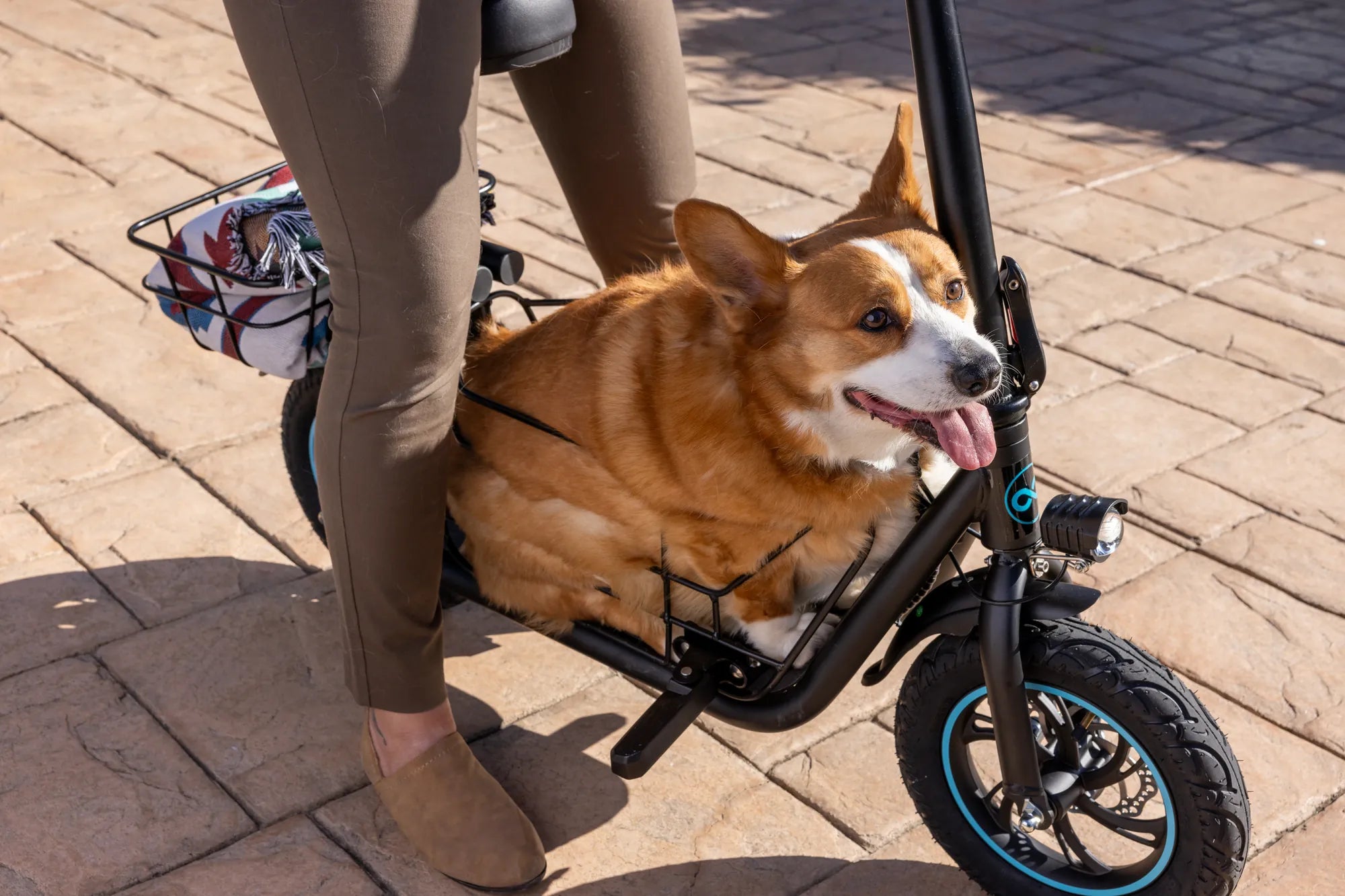
The Rise of the Electric Road Scooter
Urban mobility is undergoing a quiet revolution. The electric road scooter for adults has emerged from the realm of novelty gadgets to become a legitimate, primary mode of transportation for thousands of commuters. This shift is driven by a perfect storm of urban congestion, rising transportation costs, and a growing demand for sustainable, personal mobility solutions.
These are not the toys of childhood. Modern electric road scooters for adults are engineered machines, designed to handle the rigors of daily pavement travel with power, range, and durability that meet adult needs. They represent a direct answer to the frustrations of traffic jams, packed subway cars, and the expense of car ownership.
As cities become denser and commute times balloon, the efficiency of point-to-point electric scooter travel is undeniable. The ultimate urban commuting solution isn't about raw speed; it's about predictable travel time, significant cost savings, and reclaiming a sense of freedom in daily transit. Leading this charge are brands like Gyroor, a company trusted by over 100,000 riders, which focuses specifically on building robust, safe, and reliable electric scooters and e-bikes for adult commuters.
What Defines an Electric Road Scooter for Adults?
Not all electric scooters are created equal. An electric road scooter designed for adult commuting is fundamentally different from lighter, recreational models. It is a purpose-built vehicle for reliable, daily travel on paved urban surfaces. The distinction lies in a suite of specifications that prioritize safety, performance, and endurance over mere portability.
The core differentiator is weight capacity. Adult commuter scooters are built to safely and stably support riders weighing 250 pounds or more, with reinforced decks and stems. This is a stark contrast to many basic models, which may have limits as low as 150-180 pounds. The construction must handle this load day after day without compromising structural integrity.
Wheel size and motor power are equally critical. Adult road scooters typically feature larger wheels, 8.5 inches or, preferably, 10 inches in diameter. Larger wheels provide greater stability, better shock absorption over cracks and bumps, and improved handling. Paired with this is a robust motor, usually starting at 350 watts and going up to 500 watts or more. This power ensures consistent speed, even on gentle inclines, and prevents the scooter from straining under an adult rider's weight.
Finally, the battery and range are scaled for practical use. A true commuter scooter offers a minimum real-world range of 15 miles, with many models reaching 25 miles or more on a single charge. This ensures the scooter can cover a typical round-trip commute with a margin of safety, eliminating daily range anxiety. These defining features—capacity, power, and range—transform the electric road scooter from a last-mile toy into a primary commuting vehicle.
Key Benefits: Why an Electric Scooter Beats Other Commute Options
Choosing an electric road scooter for your daily commute isn't just a lifestyle choice; it's a practical, data-driven decision that offers tangible advantages over traditional transportation methods. When analyzed through the lenses of time, cost, convenience, and environmental impact, the benefits become compelling.
Time and Cost Efficiency vs. Cars & Public Transit
The financial argument is powerful. The American Automobile Association estimates the average annual cost of owning and operating a new car exceeds $10,000. An electric scooter eliminates fuel, parking fees, insurance premiums, and significant maintenance costs. Even compared to public transit, annual scooter ownership often pays for itself within a few months of forgone monthly passes or fare cards.
Beyond money, time is the ultimate currency. Electric scooters provide door-to-door travel, bypassing traffic congestion, searching for parking, and walking to and from bus stops or subway stations. In dense urban cores, a scooter traveling at 15-20 mph can often match or beat car travel times for distances under 10 miles. This predictable, point-to-point efficiency gives commuters control over their schedules.
Flexibility and Convenience vs. Traditional Bikes
While traditional bicycles are excellent, electric scooters offer distinct advantages for the urban commuter. The most notable is the "sweat-free" factor. Arriving at work or a meeting without being perspired is a major benefit, especially in professional settings or warmer climates. There's no need for a change of clothes or shower facilities.
Portability is another key advantage. Most high-quality adult electric scooters feature a sophisticated folding mechanism, allowing them to be compactly stored under a desk, in a closet, or carried onto public transit for a mixed-mode commute. This ease of storage solves the significant problem of bicycle theft and the space required for parking. The electric assist also makes hills and longer distances far less daunting, expanding viable commuting radii without requiring peak physical fitness.
Environmental Impact: A Cleaner Commute
The environmental benefit is clear and quantifiable. Transportation is a leading source of urban greenhouse gas emissions. Replacing a car commute with an electric scooter directly reduces an individual's carbon footprint. Electric scooters are incredibly energy-efficient, consuming a fraction of the electricity per mile compared to an electric car.
For the eco-conscious commuter, this represents a direct and immediate contribution to cleaner air and reduced noise pollution in cities. As urban grids increasingly shift to renewable energy sources, the lifecycle emissions of an electric scooter commute trend toward zero. It is a personal action that aligns with broader municipal sustainability goals.
Critical Features to Look for in a Commuter Scooter
Selecting the right electric road scooter requires careful evaluation of its specifications and build quality. These features determine reliability, safety, and overall satisfaction. Here is a breakdown of the non-negotiable elements for a serious daily commuter.
Motor Power, Speed, and Hill Climbing Ability
Motor power, measured in watts (W), is the engine of your scooter. For adult commuting, a minimum of 350W is recommended, with 500W being ideal for most city terrains. Power translates directly to acceleration, the ability to maintain speed (typically 15-20 mph, respecting local laws), and, crucially, hill-climbing capability. A scooter with insufficient power will slow to a crawl on an incline, defeating the purpose of a motorized commute.
Look for scooters that specify a grade-climbing ability, often expressed as a percentage (e.g., 15% grade). This tells you how steep a hill the scooter can handle while maintaining a reasonable speed. This feature is essential for cities with varied topography and ensures your commute is consistent, regardless of the route.
Battery Range, Charging Time, and Real-World Expectations
Battery range is the most frequently misunderstood spec. Advertised ranges are often achieved under ideal laboratory conditions: a lightweight rider on flat ground at low speed. Real-world range is affected by rider weight, terrain, frequent stops and starts, temperature, and use of the highest speed setting.
A prudent rule is to deduct 20-30% from the advertised maximum range for a realistic daily estimate. Therefore, if your round-trip commute is 10 miles, seek a scooter with an advertised range of at least 15-18 miles. Charging time is equally important; most quality scooters recharge fully in 4-6 hours. Most critically, insist on a scooter with a UL-certified battery pack, like those used by Gyroor, which are tested for safety, longevity (500+ charge cycles), and consistent performance.
Build Quality, Safety, and Warranty
The scooter's construction determines its lifespan and your safety. The braking system is paramount: a combination of electronic (regenerative) braking and a mechanical disc or drum brake provides reliable, redundant stopping power. Lighting is non-negotiable; bright front and rear LEDs, plus side reflectors, are essential for visibility in low-light conditions.
Water resistance, indicated by an IP rating, protects the scooter's electrical components. An IPX5 rating, standard on many Gyroor models, means the scooter can withstand water jets from any direction, making it safe to ride in light rain and through puddles. Finally, a comprehensive warranty is the manufacturer's vote of confidence. A robust 1-year warranty on the frame, motor, and battery signals a commitment to quality and provides peace of mind for your investment.
Gyroor’s Engineering Edge: Built for the Daily Grind
While many brands offer electric scooters, Gyroor's design philosophy is explicitly centered on the needs of the adult commuter. Their engineering choices directly address the common pain points of daily use, prioritizing safety, durability, and rider confidence above all else.
UL-Certified Battery Packs: The Core of Safety and Reliability
Gyroor's commitment to safety starts at the most critical component: the battery. Every Gyroor scooter utilizes UL-certified lithium-ion battery packs. This certification means the battery has undergone rigorous independent testing by Underwriters Laboratories for electrical, mechanical, and environmental hazards, including overcharge, short circuit, and impact tests.
This is not a minor detail. It is the primary defense against battery failure and potential fire risk. A UL-certified battery ensures stable chemistry, robust internal construction, and intelligent battery management systems that regulate temperature and charging cycles. For the commuter, this translates to unwavering reliability and the confidence that the power source of their vehicle meets the highest recognized safety standard.
IPX5 Water Resistance: Confidence in All Weather
Commuting is a daily activity, and weather is unpredictable. Gyroor builds its scooters with IPX5-rated water resistance integrated into the design. The IPX5 rating is a specific, tested standard indicating protection against low-pressure water jets (6.3mm nozzle) from any direction.
In practical terms, this means a Gyroor scooter is engineered to handle wet city streets, spray from puddles, and light to moderate rain. The electronic controllers, wiring, and battery compartment are sealed to prevent water ingress that could cause corrosion or short circuits. This feature removes the anxiety of a sudden downpour and significantly expands the scooter's usable days per year, making it a truly all-weather commuting partner.
The 1-Year Warranty and Support Promise
Gyroor backs its engineering with a clear and comprehensive 1-year warranty, covering the scooter's frame, motor, and battery. This warranty is a testament to the durability built into their products and provides a significant safety net for the consumer. It shifts long-term risk from the rider back to the manufacturer, where it belongs.
Complementing the warranty is accessible, US-based customer support. For a commuter relying on their scooter daily, the ability to get timely help with troubleshooting, technical questions, or warranty claims is invaluable. This support structure ensures that your investment is protected and that you have a partner in maintaining your scooter's performance over the long haul.
Making the Choice: Is an Electric Road Scooter Right for You?
Determining if an electric road scooter fits your life requires an honest assessment of your commute and lifestyle. The ideal candidate has a one-way commute distance within the scooter's realistic range (typically 5-10 miles), has access to secure storage at both ends of the trip (like under a desk or in a dedicated closet), and travels primarily on paved roads or bike lanes.
Consider your local climate and regulations. While IPX5 resistance handles rain, icy conditions are hazardous. Check your city or state laws regarding where scooters can be ridden (bike lanes vs. sidewalks), speed limits, and any helmet requirements. The learning curve is minimal for most adults, but a short practice session in a safe area is essential to master braking and balance.
Financially, it's a compelling choice if you seek to reduce or eliminate costs associated with cars, ride-shares, or public transit. Environmentally, it's a direct step toward a lower-carbon lifestyle. For the urban dweller seeking agility, predictability, and a dose of fun in their daily travel, the electric road scooter for adults presents a uniquely efficient solution.
Comparison: Electric Scooter vs. Other Commute Modes
| Feature | Electric Road Scooter | Personal Car | Public Transit | Traditional Bicycle |
|---|---|---|---|---|
| Avg. Commute Cost (Annual) | $300 - $800 (Electricity + Maintenance) | $7,000 - $12,000+ (Payment, Fuel, Insurance, Parking, Maintenance) | $800 - $2,500 (Fares/Passes) | $100 - $300 (Maintenance) |
| Door-to-Door Time Predictability | High (Avoids traffic jams) | Low (Subject to traffic) | Low-Medium (Subject to delays, transfers, walking time) | High (Uses bike lanes, but subject to rider fitness) |
| Environmental Impact | Very Low (Electric, high efficiency) | Very High (Tailpipe emissions) | Low Per Passenger (If full) | Zero (Direct emissions) |
| Storage/ Parking Needs | Minimal (Folds for indoor storage) | High (Parking space, garage) | None (User only) | Medium (Requires bike rack or secure room) |
| Physical Exertion | Low (Motor-assisted) | None | Low-Medium (Walking to/from stops) | High (Full rider power) |
| Primary Best Use Case | Urban commutes 5-15 miles, last-mile solution | Long distances, cargo/passenger needs, inclement weather | High-density urban corridors, long distances | Fitness-focused commutes, short to medium distances |
Frequently Asked Questions (FAQ)
Are electric road scooters legal for adults to ride on city streets?
Laws vary significantly by municipality, state, and country. In most U.S. cities, electric scooters are legal for adult use in bicycle lanes and on streets with speed limits at or below 35 mph. Riding on sidewalks is often prohibited. Key regulations typically govern maximum speed (often capped at 15-20 mph), rider age (usually 16+), and whether a helmet is required. It is the rider's responsibility to check and comply with all local laws before riding.
How far can I realistically go on a single charge?
Real-world range depends on several factors: rider weight, terrain (hills reduce range), riding speed (higher speeds use more power), temperature (cold reduces battery efficiency), and tire pressure. As a general rule, expect 70-80% of the manufacturer's advertised "maximum" range under normal commuting conditions. For example, a scooter rated for 25 miles might reliably deliver 18-20 miles for a 180-pound rider on mixed terrain.
Is it safe to ride an electric scooter in the rain?
Safety in rain depends on the scooter's water resistance rating. A scooter with an IPX5 rating, like those from Gyroor, is designed to withstand water spray and light rain, making it safe for wet conditions. However, rider safety is paramount: reduce speed, avoid painted road markings and metal surfaces (like manhole covers) which become extremely slippery, use extra caution when braking, and ensure your lights are on for visibility. Avoid deep puddles that could submerge the deck.
What maintenance does an electric scooter require?
Regular maintenance is minimal but crucial for safety and longevity. Key tasks include: checking and inflating tires to the recommended PSI weekly (for pneumatic tires), testing brakes before each ride, ensuring all folding mechanisms and nuts/bolts are tight, cleaning the deck and frame to prevent dirt buildup, and storing the scooter in a dry place. Periodically inspect the brake pads for wear and check for any unusual noises or vibrations. Refer to your owner's manual for specific lubrication points and battery care instructions.
How do I store and secure my scooter at work or home?
At home or work, the best practice is to fold the scooter and store it indoors in a dry place. This protects it from theft and weather. If indoor storage isn't possible, use a high-quality, hardened steel U-lock or chain lock to secure it to a fixed, immovable object, like a dedicated bike rack. Lock through the frame, not just the wheel. Some commuters use a combination of a lock and a lightweight cable for added security. Never leave the scooter unattended in public for extended periods if avoidable.
Conclusion and Next Steps
The evidence is compelling: for millions of urban and suburban adults, the electric road scooter represents a smarter way to move. It consolidates the time-saving agility of a bicycle with the effortless power of an electric motor, all while slashing transportation costs and environmental impact. The key to a successful experience lies in choosing a scooter built not as a toy, but as a tool—one with the motor power, battery safety, water resistance, and warranty to withstand the daily commute.
Brands that prioritize these fundamentals, like Gyroor with its UL-certified batteries and IPX5-rated construction, offer the reliability necessary to make the scooter a trusted part of your daily routine. By carefully matching a scooter's capabilities to your specific commute distance and terrain, you can unlock a new level of freedom and efficiency in your city.
Ready to transform your commute? Explore engineering built for the real world. Browse the full Gyroor collection of UL-certified, high-performance electric road scooters for adults at gyroorboard.com and find the model engineered for your journey.
Electric Scooters for 12 Year Olds: A Safe and Fun Way to Ride
Electric E Scooters: The Future of Urban Mobility and Sustainable Transportation