



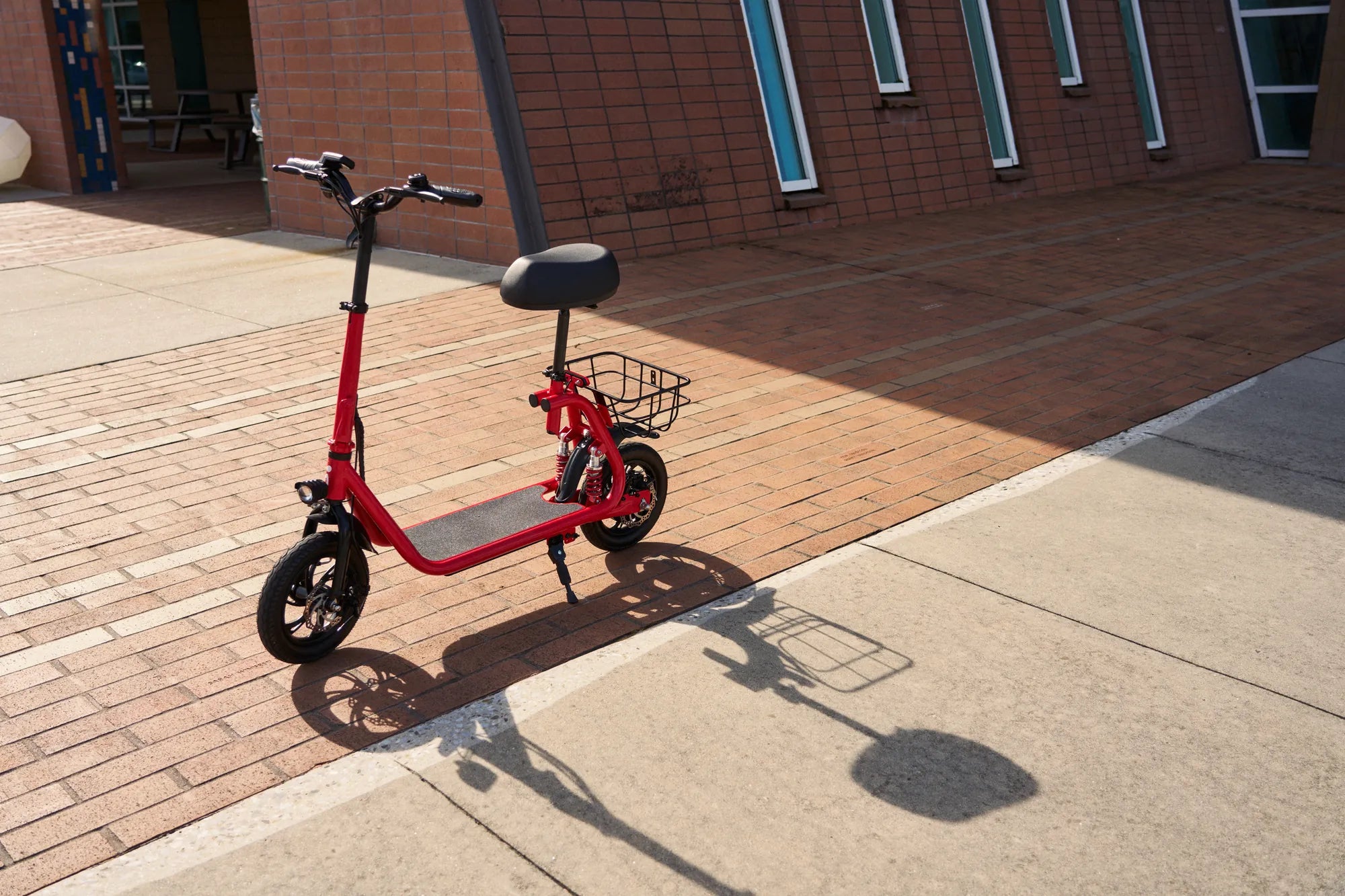
The rise of electric scooters in India has been nothing short of revolutionary. With growing environmental concerns and rising fuel prices, these sleek, battery-powered vehicles are becoming the go-to choice for urban commuters. But are they really the perfect solution? Let’s dive into the electric scooter advantages and disadvantages in India to find out.
Advantages of Electric Scooters in India
1. Eco-Friendly Transportation
Electric scooters produce zero tailpipe emissions, making them a cleaner alternative to petrol or diesel vehicles. In a country battling severe air pollution, switching to electric scooters can significantly reduce your carbon footprint.
2. Cost-Effective Commuting
With electricity being cheaper than petrol, electric scooters offer substantial savings on fuel costs. Maintenance expenses are also lower since they have fewer moving parts compared to traditional scooters.
3. Government Incentives
The Indian government promotes electric mobility through subsidies and tax benefits under schemes like FAME II. These incentives make electric scooters more affordable for buyers.
4. Quiet and Smooth Ride
Electric scooters operate almost silently, reducing noise pollution. Their instant torque delivery ensures a smooth and responsive riding experience.
5. Easy to Maneuver
Lightweight and compact, electric scooters are ideal for navigating India’s congested urban streets. They’re perfect for short commutes and last-mile connectivity.
Disadvantages of Electric Scooters in India
1. Limited Range
Most electric scooters offer a range of 80-120 km per charge, which may not suffice for long-distance travel. Range anxiety remains a concern for many potential buyers.
2. Charging Infrastructure
India’s charging network is still underdeveloped, making it challenging to find charging stations outside major cities. Home charging is often the primary option.
3. Longer Refueling Time
Unlike petrol scooters that refuel in minutes, electric scooters take several hours to charge fully. Fast-charging options are limited and can degrade battery life.
4. High Initial Cost
Despite government subsidies, electric scooters have a higher upfront cost than their petrol counterparts. Battery replacement costs can also be expensive.
5. Performance in Extreme Conditions
Electric scooters may underperform in extreme heat or heavy rains. Battery efficiency can drop in high temperatures, and water damage is a risk during monsoons.
Is an Electric Scooter Right for You?
Electric scooters are a game-changer for India’s urban mobility, but they’re not without flaws. If you prioritize eco-friendliness, low running costs, and short commutes, they’re an excellent choice. However, if you frequently travel long distances or lack reliable charging options, a petrol scooter might still be more practical.
Ready to join the electric revolution? Weigh the pros and cons carefully to make the best decision for your lifestyle and budget. The future of commuting is electric—are you prepared to embrace it?
60V 12Ah Electric Scooter Battery: The Ultimate Guide to Power and Performance
60V 12Ah Electric Scooter Battery: The Ultimate Guide to Power and Performance