


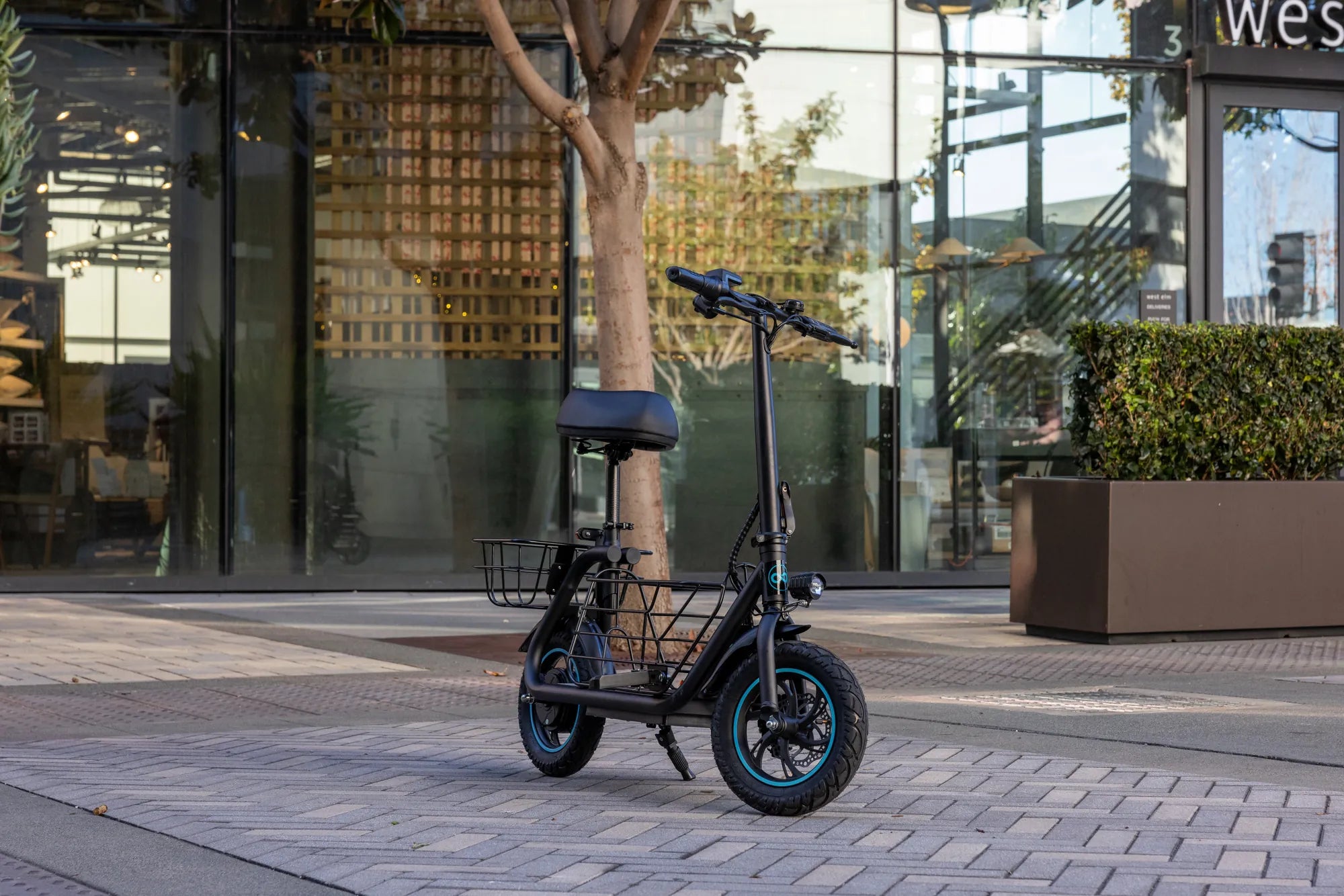
The electric scooter and battery industry is transforming the way we move through cities, offering a cleaner, more efficient alternative to traditional transportation. As urban populations grow and environmental concerns escalate, these compact, electric-powered vehicles are becoming an indispensable part of modern mobility. But what does the future hold for this dynamic industry? Let's dive into the key developments and trends that are shaping its trajectory.
The Rise of Electric Scooters in Urban Landscapes
Electric scooters have surged in popularity over the past decade, becoming a common sight in cities worldwide. Their compact design, affordability, and zero-emission operation make them an attractive option for short-distance commuting. Unlike cars, which contribute to traffic congestion and pollution, electric scooters offer a nimble solution for navigating crowded urban environments.
The adoption of electric scooters has been accelerated by the sharing economy, with many cities implementing scooter-sharing programs. These initiatives allow users to rent scooters on-demand, further reducing the need for private car ownership. As infrastructure improves—with more dedicated bike lanes and charging stations—the convenience and safety of electric scooters continue to increase.
Battery Technology: The Heart of the Electric Scooter Revolution
At the core of every electric scooter is its battery, and advancements in battery technology are driving the industry forward. Lithium-ion batteries, known for their high energy density and long lifespan, dominate the market. However, researchers are continuously exploring new materials and designs to enhance performance, reduce costs, and minimize environmental impact.
One of the most promising developments is solid-state batteries, which promise higher energy storage, faster charging times, and improved safety. While still in the experimental phase, these batteries could revolutionize the electric scooter industry by addressing some of the current limitations, such as range anxiety and charging infrastructure.
Challenges Facing the Electric Scooter and Battery Industry
Despite its rapid growth, the electric scooter and battery industry faces several challenges. Safety concerns, including accidents and injuries, have prompted calls for stricter regulations. Additionally, the environmental impact of battery production and disposal remains a critical issue. While electric scooters produce no emissions during operation, the mining of raw materials like lithium and cobalt raises ethical and ecological questions.
Another hurdle is the lack of standardized charging infrastructure. Unlike gasoline stations, charging points for electric scooters are still sparse in many areas, limiting their usability for long-distance travel. Governments and private companies must collaborate to build a robust network of charging stations to support widespread adoption.
Innovations Shaping the Future
The electric scooter and battery industry is ripe with innovation. From swappable battery systems to AI-powered predictive maintenance, companies are constantly seeking ways to improve user experience and efficiency. Swappable batteries, for instance, allow riders to quickly replace depleted batteries with fully charged ones, eliminating downtime and extending range.
Meanwhile, advancements in lightweight materials are making scooters more portable and durable. Carbon fiber and aluminum alloys are increasingly used to reduce weight without compromising strength. These innovations, combined with smarter battery management systems, are paving the way for longer-lasting, more reliable electric scooters.
The Role of Government Policies and Incentives
Government policies play a pivotal role in the growth of the electric scooter and battery industry. Many cities have introduced subsidies and tax incentives to encourage the adoption of electric vehicles. These measures not only make electric scooters more affordable but also stimulate investment in research and infrastructure.
However, regulatory frameworks must strike a balance between promoting innovation and ensuring public safety. Clear guidelines on speed limits, helmet use, and parking regulations are essential to prevent accidents and maintain order in urban spaces.
Environmental Impact and Sustainability
While electric scooters are often touted as a green alternative to cars, their environmental benefits depend on several factors. The source of electricity used for charging, the lifespan of the batteries, and the recycling processes all influence their carbon footprint. To maximize sustainability, manufacturers must prioritize renewable energy sources and develop efficient recycling programs for end-of-life batteries.
Efforts are already underway to create closed-loop systems where old batteries are repurposed or recycled into new ones. Such initiatives not only reduce waste but also lower production costs by reclaiming valuable materials.
The Global Market Outlook
The global electric scooter and battery industry is projected to grow exponentially in the coming years. Rising fuel prices, increasing environmental awareness, and urbanization are key drivers of this trend. Asia-Pacific currently leads the market, thanks to high adoption rates in countries like China and India, but North America and Europe are catching up rapidly.
As competition intensifies, companies are focusing on differentiation through design, technology, and customer service. The next wave of electric scooters will likely feature enhanced connectivity, with apps that provide real-time diagnostics, route planning, and theft prevention.
The electric scooter and battery industry is not just changing how we get around—it's redefining urban mobility for a sustainable future. With continued innovation and collaboration, these vehicles could soon become the backbone of city transportation systems. Are you ready to join the revolution?
Where to Buy Cheap E Scooter: Top Places to Find Affordable Rides
Where Can You Ride Electric Scoers UK: A Complete Guide