



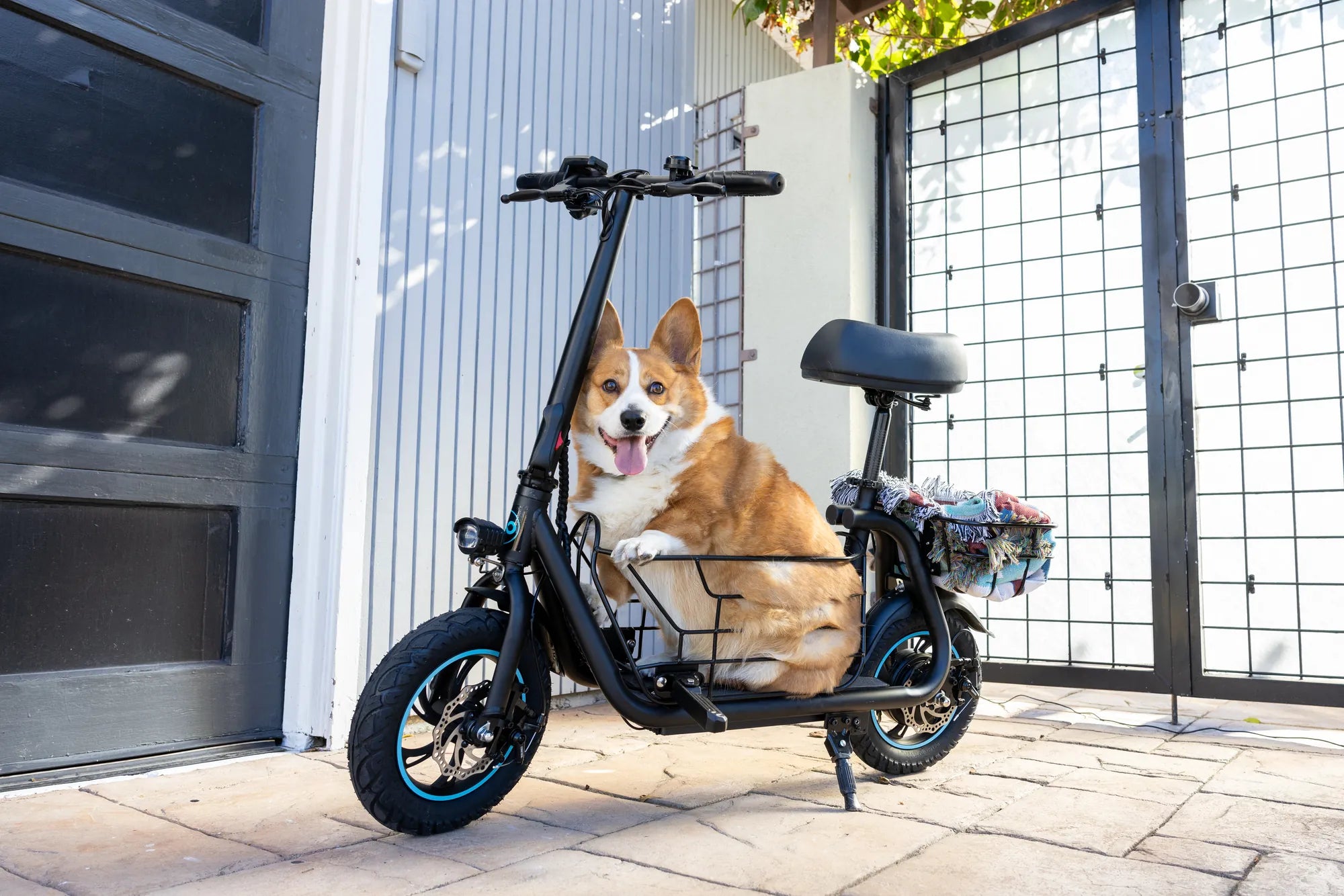
Electric scooters have revolutionized urban mobility, offering a convenient and eco-friendly way to navigate busy streets. However, their performance and longevity heavily depend on how well you maintain and charge the battery. Ignoring proper charging practices can lead to reduced battery life, poor performance, or even safety hazards. Whether you're a daily commuter or a weekend rider, mastering electric scooter battery charging best practices is crucial for getting the most out of your ride.
Understanding Your Electric Scooter Battery
Most electric scooters use lithium-ion (Li-ion) or lithium-polymer (LiPo) batteries due to their high energy density and lightweight properties. These batteries are efficient but require careful handling to maintain their health. Unlike older battery technologies, Li-ion batteries don't suffer from the "memory effect," but they are sensitive to overcharging, deep discharging, and extreme temperatures.
Optimal Charging Habits
To maximize your battery's lifespan, follow these key charging habits:
- Avoid Full Discharges: Unlike nickel-based batteries, Li-ion batteries degrade faster when fully discharged. Try to recharge when the battery level drops to 20-30%.
- Don't Overcharge: Leaving your scooter plugged in overnight or for extended periods can stress the battery. Most modern chargers stop charging when full, but it's still best to unplug once charged.
- Use the Right Charger: Always use the manufacturer-recommended charger. Third-party chargers may deliver incorrect voltage or current, damaging the battery.
Temperature Considerations
Batteries are sensitive to temperature extremes. Charging in very hot or cold conditions can harm the battery's chemistry. Ideally, charge your scooter in a cool, dry place with temperatures between 50°F (10°C) and 86°F (30°C). Avoid charging immediately after a long ride when the battery is warm—let it cool down first.
Storage Tips for Longevity
If you won't be using your scooter for an extended period, store the battery at around 50% charge. Storing a fully charged or completely drained battery can lead to capacity loss. Check the charge level every few months and top it up if it drops below 30%.
Common Charging Mistakes to Avoid
Many riders unknowingly shorten their battery's lifespan by making these mistakes:
- Charging in Direct Sunlight: Heat buildup can damage the battery.
- Using Fast Chargers Excessively: While convenient, frequent fast charging generates more heat and stresses the battery.
- Ignoring Battery Warnings: If your scooter shows signs of swelling, overheating, or rapid discharge, stop using it immediately and seek professional help.
Extending Battery Life
Beyond charging habits, other factors influence battery longevity:
- Regular Use: Batteries perform best when used regularly. Long periods of inactivity can lead to capacity loss.
- Smooth Riding: Aggressive acceleration and braking strain the battery. A steady riding style helps conserve energy.
- Proper Maintenance: Keep the battery terminals clean and ensure the scooter's firmware is up to date for optimal performance.
By following these electric scooter battery charging best practices, you can enjoy longer rides, fewer replacements, and a safer experience. A well-maintained battery not only saves you money but also ensures your scooter is always ready for the next adventure. Start implementing these tips today and ride with confidence!
48V 1800W Electric Scooter Motor Charging Port: Everything You Need to Know
Electric Mini Water Scooter: The Ultimate Guide to Fun and Adventure on the Water