

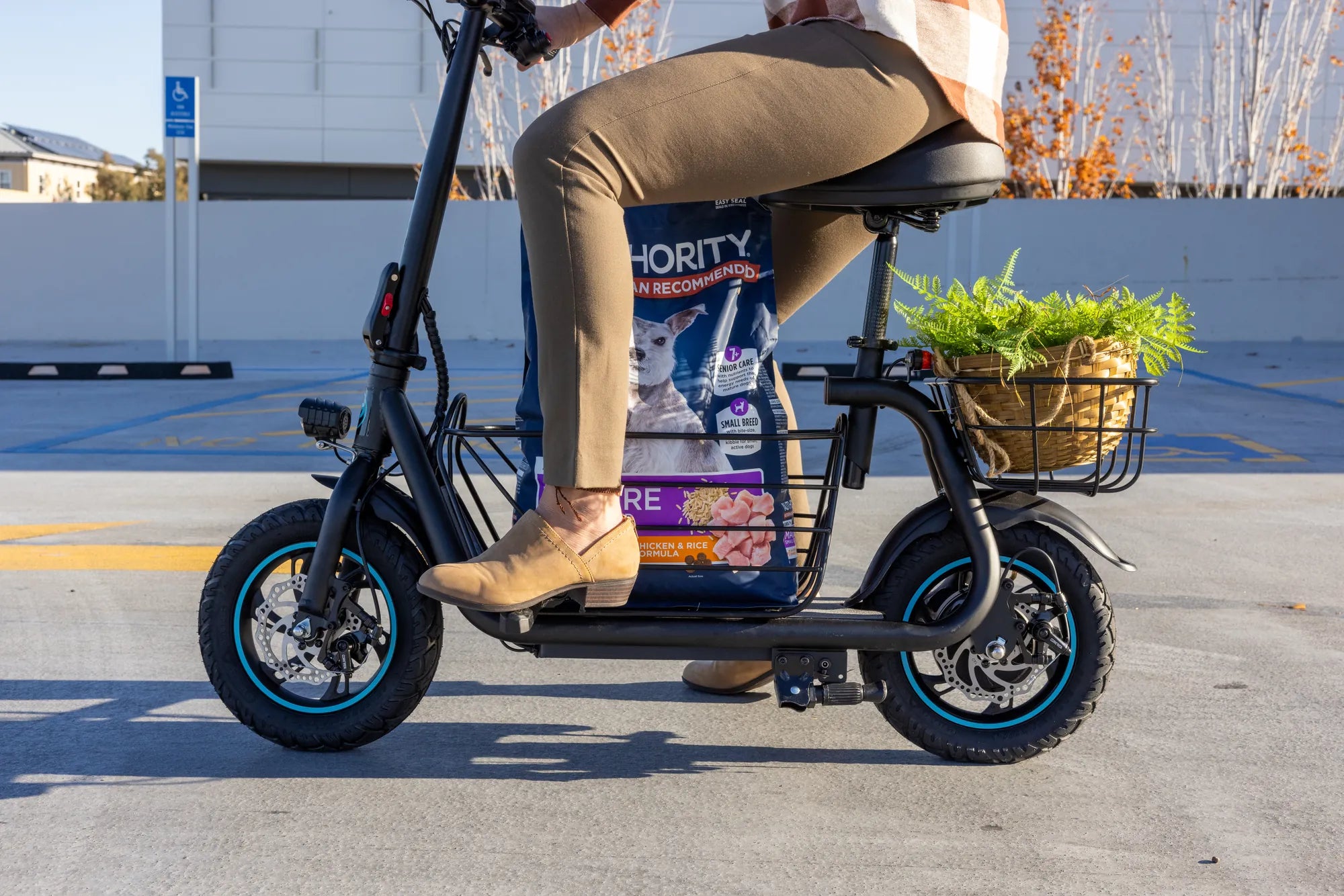
Is your electric scooter losing power faster than it used to? A failing battery could be the culprit. Replacing it might seem daunting, but with the right guidance, you can get back on the road in no time. This electric scooter battery replacement guide covers everything from identifying a bad battery to step-by-step installation tips.
Signs Your Electric Scooter Battery Needs Replacement
Before diving into the replacement process, it's crucial to confirm that your battery is indeed the problem. Here are some common signs of a failing battery:
- Significantly reduced range per charge
- Longer charging times
- Inconsistent power output
- Physical damage or swelling
- The battery won't hold a charge
If you're experiencing one or more of these issues, it's likely time for a replacement. However, before purchasing a new battery, check your scooter's warranty as some manufacturers cover battery replacements within a specific period.
Choosing the Right Replacement Battery
Selecting the correct battery is critical for optimal performance and safety. Consider these factors:
Battery Type
Most electric scooters use one of these battery types:
- Lithium-ion (Li-ion) - Lightweight and efficient with good cycle life
- Lithium polymer (LiPo) - Similar to Li-ion but often more flexible in shape
- Sealed lead-acid (SLA) - Heavier but more affordable
Voltage and Capacity
Match your new battery's specifications to your scooter's requirements:
- Voltage (V) must match exactly
- Capacity (Ah) can be equal or higher for extended range
- Physical dimensions must fit your scooter's battery compartment
Quality and Safety
Always purchase from reputable suppliers and look for:
- Certification marks (CE, UL, etc.)
- Built-in protection circuits
- Positive customer reviews
Step-by-Step Battery Replacement Process
Follow these steps to safely replace your electric scooter battery:
1. Preparation
- Turn off the scooter and remove the key if applicable
- Allow the battery to cool if recently used
- Gather tools (typically screwdrivers, pliers, and possibly a multimeter)
- Work in a clean, dry area with good lighting
2. Accessing the Battery
- Locate and remove the battery compartment cover
- Take photos of wiring connections before disassembly
- Disconnect the negative terminal first, then positive
- Carefully remove the old battery
3. Installing the New Battery
- Place the new battery in the correct orientation
- Connect positive terminal first, then negative
- Secure all connections and replace any protective covers
- Reinstall the battery compartment cover
4. Testing
- Turn on the scooter and check for power
- Test basic functions before riding
- Take a short test ride in a safe area
Battery Maintenance Tips
Extend the life of your new battery with proper care:
Charging Practices
- Avoid letting the battery fully discharge
- Don't leave it charging overnight regularly
- Use only the manufacturer-approved charger
- Charge in a cool, dry place
Storage Guidelines
- Store at about 50% charge if not using for extended periods
- Keep in a temperature-controlled environment
- Check charge level monthly during storage
Usage Tips
- Avoid extreme temperatures while riding
- Don't overload your scooter
- Clean battery terminals periodically
Troubleshooting Common Issues
Even with a new battery, you might encounter some problems:
Battery Not Powering the Scooter
- Check all connections are secure
- Verify the battery is properly charged
- Test voltage with a multimeter
Reduced Performance
- Ensure proper tire pressure
- Check for brake drag
- Confirm battery specifications match requirements
Rapid Discharge
- Look for parasitic drains
- Check for extreme temperature exposure
- Consider battery age and usage patterns
Ready to give your electric scooter a new lease on life? With this guide, you're equipped to handle battery replacement like a pro. Remember that proper installation and maintenance will keep you rolling smoothly for miles to come. Happy scooting!
What Age Do You Have to Be to Ride an Electric Bike? A Complete Guide
48 Volt Electric Bike: The Future of Efficient and Eco-Friendly Commuting