



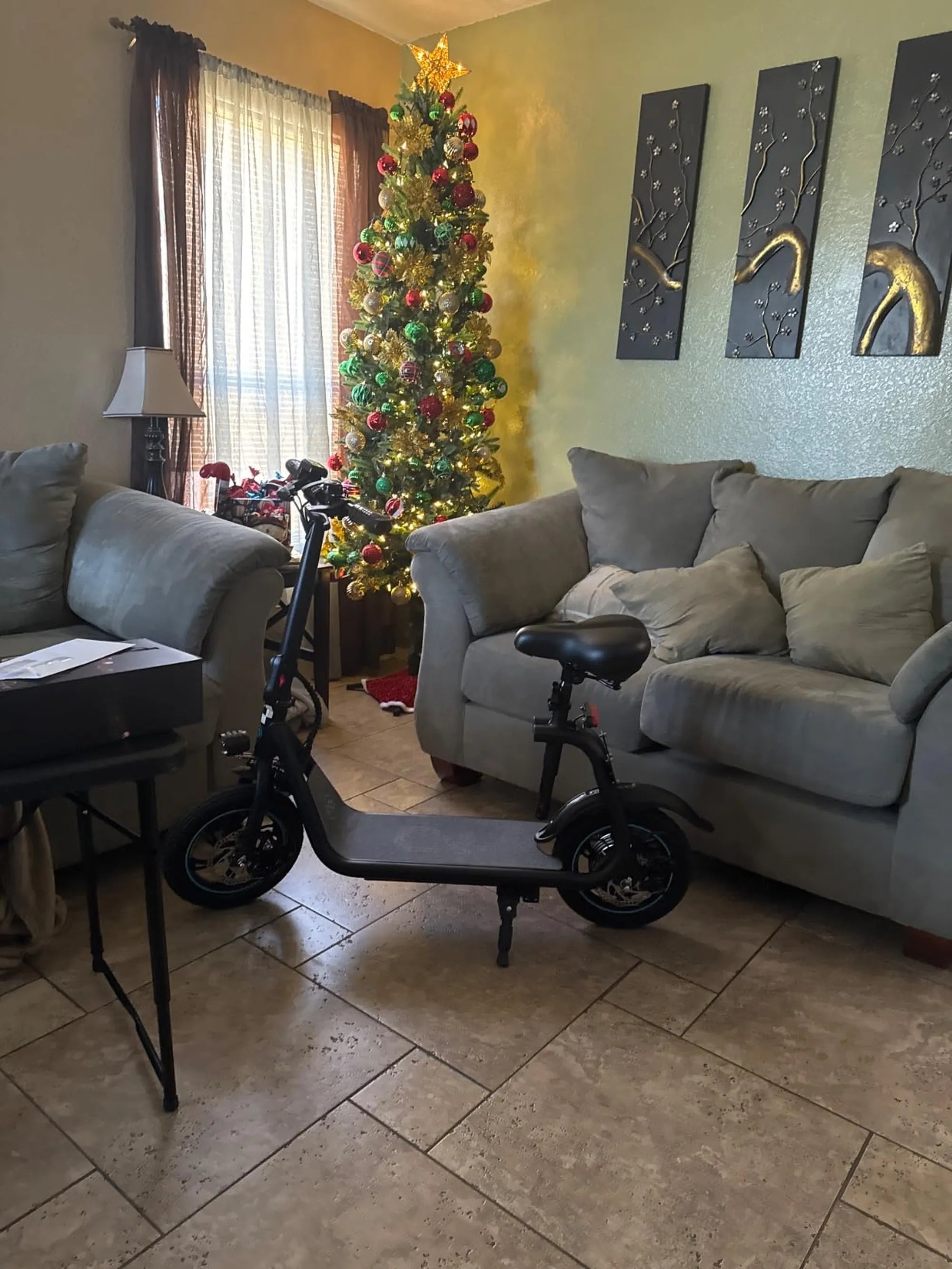
Electric scooters have revolutionized urban mobility, offering a convenient and eco-friendly way to navigate busy streets. However, the heart of every electric scooter—its battery—requires careful attention to ensure safety and longevity. Ignoring proper battery safety can lead to accidents, reduced performance, or even fires. Whether you're a daily commuter or a weekend rider, understanding electric scooter battery safety is non-negotiable.
Why Electric Scooter Battery Safety Matters
Batteries power your electric scooter, but they also come with risks if mishandled. Lithium-ion batteries, commonly used in electric scooters, are energy-dense and efficient but can be hazardous if damaged, overcharged, or exposed to extreme conditions. Proper care ensures your scooter remains reliable and safe for every ride.
Common Battery Safety Risks
Several factors can compromise electric scooter battery safety:
- Overcharging: Leaving your scooter plugged in for too long can overheat the battery.
- Physical Damage: Dropping or puncturing the battery can lead to internal short circuits.
- Extreme Temperatures: High heat or freezing conditions can degrade battery performance.
- Using Non-Compatible Chargers: Cheap or mismatched chargers can cause overheating or fires.
Best Practices for Safe Battery Usage
Follow these guidelines to maximize safety and battery life:
- Charge Responsibly: Unplug the scooter once fully charged and avoid overnight charging.
- Store Properly: Keep the scooter in a cool, dry place away from direct sunlight.
- Inspect Regularly: Check for swelling, leaks, or unusual odors, which indicate battery issues.
- Use Manufacturer-Approved Chargers: Stick to recommended charging accessories.
- Avoid Water Exposure: Even water-resistant scooters shouldn't be submerged or left in heavy rain.
What to Do in Case of Battery Issues
If you notice signs of battery failure—such as smoke, strange noises, or excessive heat—act immediately:
- Turn off the scooter and unplug it.
- Move it to a safe, open area away from flammable materials.
- Contact a professional for inspection or replacement.
Long-Term Battery Maintenance
To extend your battery's lifespan:
- Avoid draining the battery completely before recharging.
- Charge to around 80% for daily use instead of always going to 100%.
- If storing for long periods, keep the battery at 50% charge.
Electric scooter battery safety isn't just about avoiding accidents—it's about ensuring every ride is smooth, efficient, and worry-free. By following these tips, you'll protect your investment and enjoy the freedom of electric mobility without unnecessary risks. Stay charged, stay safe, and keep rolling with confidence!
Best Electric Scooter for Adults 200 lbs: Top Picks and Buying Guide
Average Speed Electric Scooter kmh: What You Need to Know