



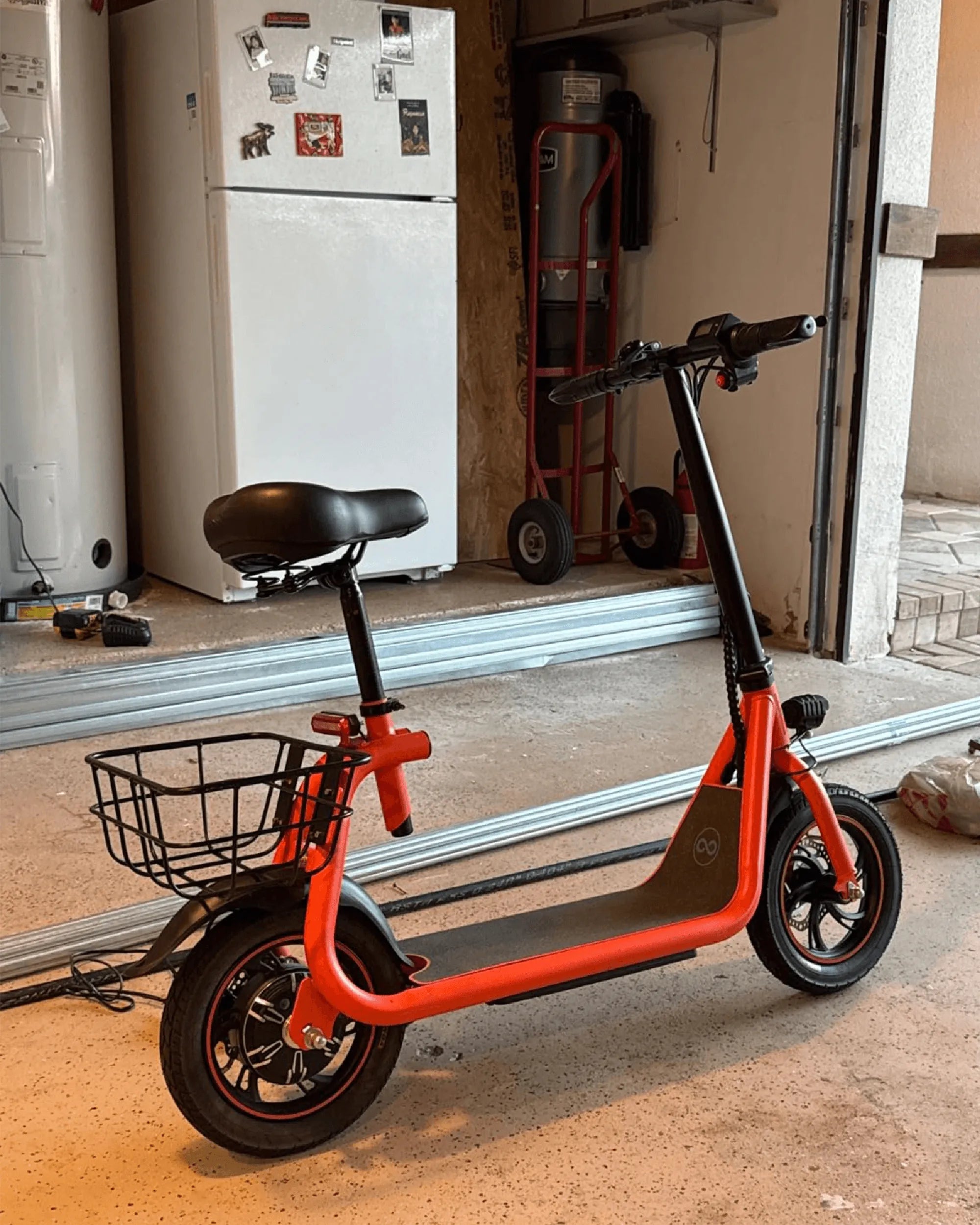
Electric scooters have revolutionized urban mobility, offering a convenient and eco-friendly way to navigate crowded streets. At the heart of every electric scooter lies its battery, and voltage plays a pivotal role in determining how far and how fast you can go. If you've ever wondered why some scooters outperform others, the answer often lies in their battery voltage. Let's dive deep into this critical component and uncover what makes it so essential.
What Is Electric Scooter Battery Voltage?
Voltage, measured in volts (V), represents the electrical potential difference in a battery. In simpler terms, it's the force that drives current through the scooter's motor. Higher voltage typically means more power, which translates to better acceleration and higher top speeds. Most electric scooters operate on batteries ranging from 24V to 60V, with some high-performance models pushing even higher.
How Voltage Affects Performance
The relationship between voltage and performance is straightforward: more voltage equals more power. A 48V battery, for example, will deliver stronger acceleration and a higher top speed compared to a 36V battery, assuming all other factors are equal. This is because the motor receives more electrical energy, allowing it to work harder and faster.
Acceleration and Speed
Higher voltage batteries provide the necessary punch for quick take-offs and sustained high speeds. If you're someone who values a thrilling ride, opting for a scooter with a higher voltage battery is a no-brainer.
Hill Climbing Ability
Voltage also plays a significant role in how well your scooter can tackle inclines. A low-voltage battery might struggle on steep hills, while a high-voltage one will power through with ease.
Voltage and Range: The Connection
While voltage influences performance, it's not the sole factor determining range. Range depends on battery capacity (measured in ampere-hours, or Ah) as well. However, higher voltage systems can be more efficient, as they reduce energy loss due to heat, potentially extending your scooter's range.
Choosing the Right Voltage for Your Needs
Selecting the right voltage depends on how you plan to use your scooter. For casual riders, a 36V or 48V battery might suffice. Commuters and performance enthusiasts, however, should consider 52V or 60V options for better speed and endurance.
Safety Considerations
Higher voltage systems require robust safety measures, including proper insulation and cooling. Always ensure your scooter's battery management system (BMS) is up to par to prevent overheating or other hazards.
Maintaining Your Battery Voltage
To keep your battery performing at its best, avoid deep discharges and store it in a cool, dry place. Regularly check the voltage levels to ensure they remain within the recommended range.
Electric scooter battery voltage isn't just a number—it's the lifeblood of your ride. Whether you're chasing speed, range, or reliability, understanding voltage will help you make smarter choices and get the most out of your scooter. Ready to take your ride to the next level? It all starts with the right voltage.
Electric Scooter for Balance Training: The Ultimate Guide to Improving Stability and Coordination
Electric Scooter for Balance Training: The Ultimate Guide to Improving Stability and Coordination