



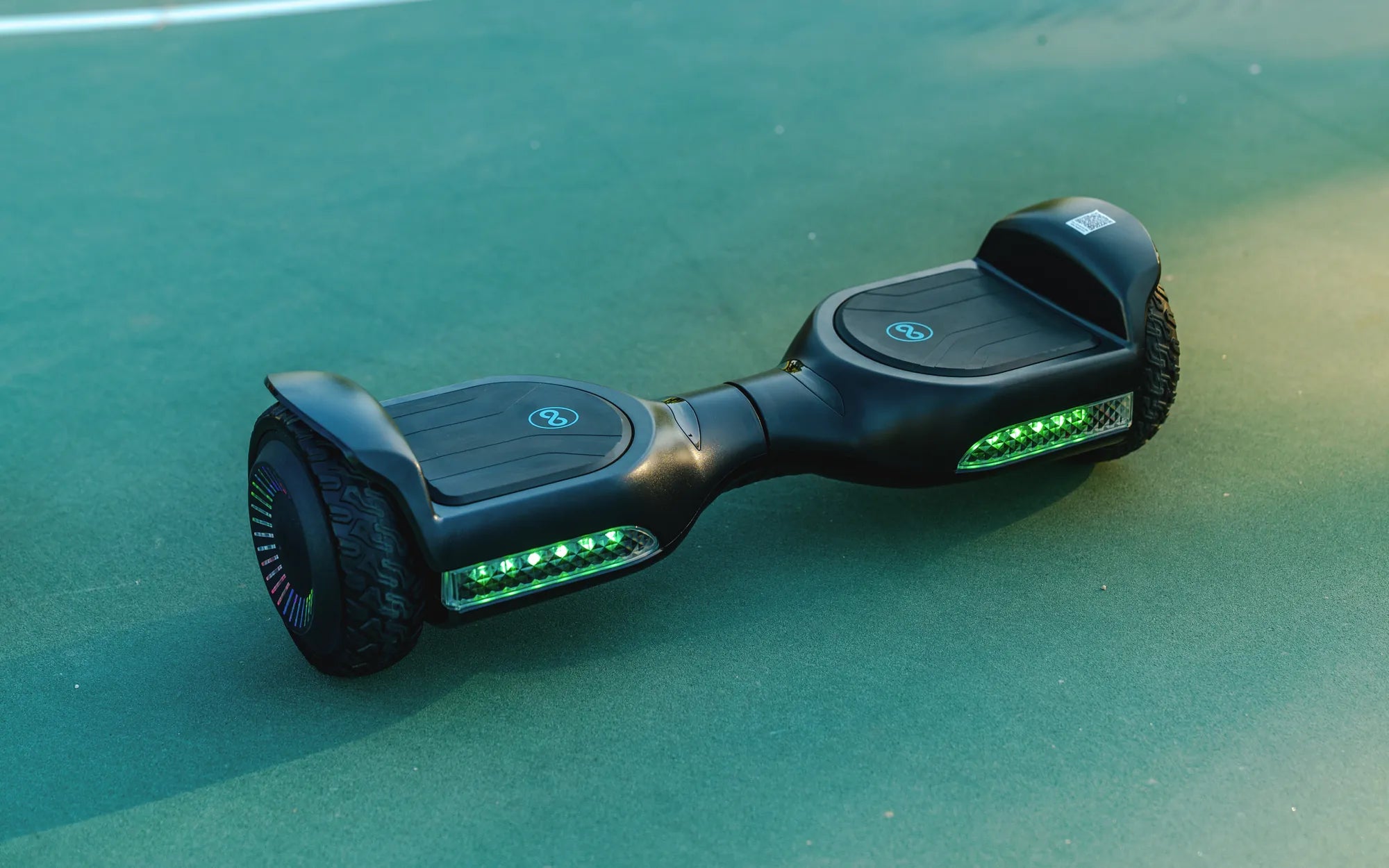
Imagine a toy that combines the open-air thrill of a scooter with the imaginative, seated adventure of a car. The electric scooter car for kids is that perfect hybrid, rapidly becoming a cornerstone of modern outdoor play. This guide will provide you with a complete, data-driven understanding of this exciting category, from its developmental benefits and critical safety considerations to a step-by-step framework for selecting the right model. You'll learn how to prioritize safety features, interpret technical specifications, and implement best practices to ensure every ride is both incredibly fun and secure. We'll also explore why brands with a proven track record in adult electric mobility, like Gyroor—trusted by over 100,000 riders for UL-certified safety and durability—are translating that expertise into superior kids' vehicles.
What is an Electric Scooter Car? Defining the Hybrid Toy
An electric scooter car for kids is a battery-powered, ride-on vehicle designed for young children. It features a seated position within a stylized car body, handlebar steering, and a simple accelerator/brake system, typically controlled by a foot pedal or button. This design distinguishes it from stand-up kick scooters, pedal-powered cars, and larger electric ATVs.
The core architecture prioritizes stability and ease of use. Most models feature three or four wheels, with a low center of gravity to prevent tipping. The electric motor, usually ranging from 6V to 24V, provides quiet, emission-free propulsion. This makes the electric scooter car an accessible first "vehicle" that empowers children with a sense of independent control without the physical exertion required by pedal toys.
Understanding this definition is key for parents comparing options. Unlike a balance bike, it requires no balancing skill to start. Unlike a remote-control car, the child is the driver. This unique combination of seated operation, electric power, and car-like aesthetics is what fuels its popularity for children typically aged 3 to 8 years old.
Key Benefits: More Than Just a Toy
The value of an electric scooter car for kids extends far beyond simple entertainment. It serves as a practical tool for physical and cognitive development. Operating the vehicle requires the child to integrate steering, speed judgment, and spatial awareness, directly enhancing fine and gross motor skills, coordination, and reaction times.
From a psychological perspective, it fosters independence and decision-making. Navigating a chosen path, avoiding obstacles, and learning start/stop commands build confidence and a sense of responsibility. Furthermore, the imaginative play element is profound—a simple backyard becomes a racetrack, a driveway transforms into a city street, enriching creative thinking.
For parents, the benefits are equally tangible. It encourages prolonged outdoor activity, away from screens. The electric operation means parents are no longer required to push a heavy pedal car, making it ideal for longer walks or park visits. It also creates opportunities for shared family time, whether through supervised "drives" or imaginative play scenarios guided by the child.
Choosing the Right Model: A Parent's Buying Guide
Selecting the perfect electric scooter car requires careful evaluation of several interrelated factors. A model that is too advanced or too basic can hinder enjoyment and safety. This guide breaks down the critical decision points.
Age, Size, and Weight Capacity
This is the most critical starting point. Manufacturers provide clear age and weight recommendations which must be adhered to for safety. A child who is too large for a vehicle risks overloading the motor, straining the frame, and compromising stability. Conversely, a vehicle too large for a small child can be intimidating and difficult to control.
Typical ranges are: 6V models for ages 2-4 (up to 40 lbs), 12V models for ages 3-6 (up to 65 lbs), and 24V models for ages 5-8 (up to 100 lbs). Always check the specific maximum weight capacity and compare it to your child's weight with some room for growth. A proper fit ensures the child can reach the pedals and steer comfortably.
Safety Features Are Non-Negotiable
Safety must be the paramount concern. Essential features include a parental remote control for overriding the child's inputs, especially for beginners. Adjustable speed settings (e.g., 2-3 mph for learning, 3-5 mph for experienced) are crucial. A seat belt, a stable wheelbase, and non-slip footrests are fundamental.
This is where engineering quality from reputable brands becomes vital. For instance, Gyroor leverages its expertise from adult e-mobility to incorporate UL-certified battery packs in its kids' line, rigorously tested for safety and longevity. An IPX5 water-resistant rating protects the electrical components from puddles and damp grass, while a comprehensive 1-year warranty underscores durability and provides peace of mind.
Battery Life, Power, and Performance
Voltage (V) correlates with power and terrain capability. A 6V scooter car is suitable for flat, smooth indoor or patio surfaces. A 12V model can handle gentle outdoor slopes and rougher pavement. 24V models offer more torque for inclines and varied terrain.
Run time is determined by battery capacity (Ah). A typical 12V 4.5Ah battery may offer 45-60 minutes of continuous use. Real-world charging times are usually 8-12 hours. Teach children to avoid fully draining the battery to prolong its life, and always use the manufacturer-provided charger. Look for batteries with robust casing and secure, child-lockable compartments.
Design, Durability, and Extra Features
The build quality dictates longevity. A high-quality, thick ABS plastic body or reinforced metal frame can withstand bumps and years of use. Realistic features like working LED headlights, horn sounds, engine noises, and MP3/AUX input for playing music significantly enhance the play experience.
Consider the usability of the design. Are the buttons easy for small hands to press? Is the seat easy to clean? Does the overall aesthetic appeal to your child? These factors, while secondary to safety, directly impact long-term enjoyment and value.
Safety First: Essential Rules and Riding Gear
Even the safest vehicle requires active safety practices. Establishing a clear safety protocol is essential for preventing accidents.
The Pre-Ride Checklist
Before every ride, conduct a quick inspection. Check tire pressure and for visible damage. Ensure the battery is adequately charged and all connections are secure. Test the brakes and steering responsiveness. Choose an appropriate riding environment—a flat, smooth, enclosed area like a driveway, empty parking lot, or park path, away from traffic, steep hills, pools, and dense pedestrian areas.
The Non-Negotiable Safety Gear Mandate
A properly fitted, CPSC-certified bicycle helmet is an absolute requirement for every single ride. It should sit level on the head, snug but not tight. For beginners or higher-speed models, complement the helmet with knee pads and elbow pads. This gear is crucial for protecting against falls during the learning phase or unexpected stops.
Supervision and Safe Operation
Constant, active adult supervision is mandatory. Use the parental remote control to maintain control during initial learning stages. Clearly establish boundaries for where the child can and cannot drive. Teach fundamental rules: look where you're going, keep hands and feet inside, avoid people and pets, and stop completely when commanded. Always turn the power off and remove the key when not in use.
Gyroor's Commitment: Engineered for Young Explorers
Choosing a brand with a heritage in responsible electric mobility is a significant advantage for parents. Gyroor's approach to kids' electric scooter cars is an extension of its core engineering principles proven across its range of over 20 models for adults.
Safety is engineered from the inside out, beginning with the UL-certified battery. This certification means the battery pack has passed stringent independent tests for electrical, mechanical, and environmental safety, drastically reducing risks of overheating—a primary concern for parents. The IPX5 water-resistant construction isn't just a marketing term; it signifies the vehicle can withstand low-pressure water jets from any direction, making it resilient against rain puddles, wet grass, and accidental spills.
Durability is backed by a 1-year comprehensive warranty, supported by US-based customer service. This reflects confidence in the product's longevity and provides a direct recourse for parents. For safety-conscious families, these specifications transform a purchase from a simple toy buy into an investment in secure, reliable fun that aligns with the brand's reputation trusted by a community of over 100,000 riders.
Comparison: Electric Scooter Car vs. Other Ride-Ons
To contextualize the electric scooter car for kids, it's helpful to compare it to other popular ride-on toys. The table below outlines key differences.
| Feature | Electric Scooter Car | Stand-Up E-Scooter | Pedal-Power Car | Electric ATV/Quad |
|---|---|---|---|---|
| Primary User Posture | Seated | Standing | Seated | Straddle Seated |
| Power Source | Electric Battery | Electric Battery | Child's Leg Power | Electric Battery |
| Skill Requirement | Low (Steering, Pedal Control) | High (Balance, Coordination) | High (Leg Strength, Coordination) | Medium (Balance, Throttle Control) |
| Typical Age Range | 3-8 years | 8+ years | 2-5 years | 5+ years |
| Best For | Imaginative Play, First E-Vehicle, Stable Operation | Older Kids, Commuting Short Distances, Agility | Toddlers, Developing Leg Muscles, Simple Play | Rugged Terrain, Off-Road Style Play |
| Parental Control | Common (Remote Control) | Rare | Not Applicable | Common (Remote Control) |
This comparison highlights the electric scooter car's niche as an accessible, stable, and imaginative first electric vehicle, ideal for preschool and early elementary-aged children before transitioning to more demanding stand-up scooters or ATVs.
Frequently Asked Questions (FAQs)
Q1: What is the appropriate starting age for an electric scooter car?
Most children are ready between ages 3 and 4, when they have sufficient motor skills to understand steering and cause-and-effect (press pedal, go forward). Always follow the manufacturer's minimum age and weight recommendation, which is often 3 years old for 6V and 12V models.
Q2: How fast do these vehicles go?
Speed is closely tied to voltage and parental settings. Beginner modes on 6V/12V models typically cap at 2-3 mph (walking speed). Higher settings on 12V models may reach 3-5 mph, while 24V models can go 5-8 mph. Parental remote controls allow speed limiting and instant stopping.
Q3: Can it be used on grass or gravel?
This depends on power and tire type. Most 6V models are for smooth, hard surfaces only. 12V models with wider, rubberized tires can handle short, dry grass and smooth gravel. 24V models with more torque and aggressive tread are better for rougher terrain. Always check the manufacturer's terrain specifications.
Q4: How do I maintain the battery for maximum lifespan?
Avoid full discharges. Recharge after each use or if stored for more than a week. Use only the provided charger. Store in a cool, dry place, away from extreme heat or cold. For seasonal storage, charge to about 50-60% and recharge every 2-3 months.
Q5: Is assembly difficult?
Most electric scooter cars for kids require minor assembly, such as attaching the wheels, steering wheel, or mirrors. It typically takes 15-30 minutes with basic tools (usually included). Detailed instructions are provided, and brands like Gyroor design for straightforward parent-friendly setup.
Steering Toward Lasting Memories and Safe Adventures
The journey with an electric scooter car for kids is about more than a single toy; it's about fostering a love for outdoor activity, nurturing developmental skills, and creating cherished family memories. The key to unlocking this positive experience lies in informed selection and proactive safety. By prioritizing verified safety features like UL-certified batteries and parental controls, meticulously matching the vehicle to your child's size and ability, and committing to consistent safety protocols with proper gear, you transform a fun purchase into a cornerstone of safe childhood exploration. When you choose a brand built on a foundation of reliability and safety engineering, you invest in peace of mind that allows the fun to take center stage.
Ready to explore models that put safety and durability first? Browse the full collection of kid-tested, parent-trusted ride-ons and discover the Gyroor difference at gyroorboard.com.
Kids Scooter With Lights: The Ultimate Guide for Fun and Safety
Hoverboard 8.5 Inch Wheels: The Ultimate Guide to Performance and Safety