


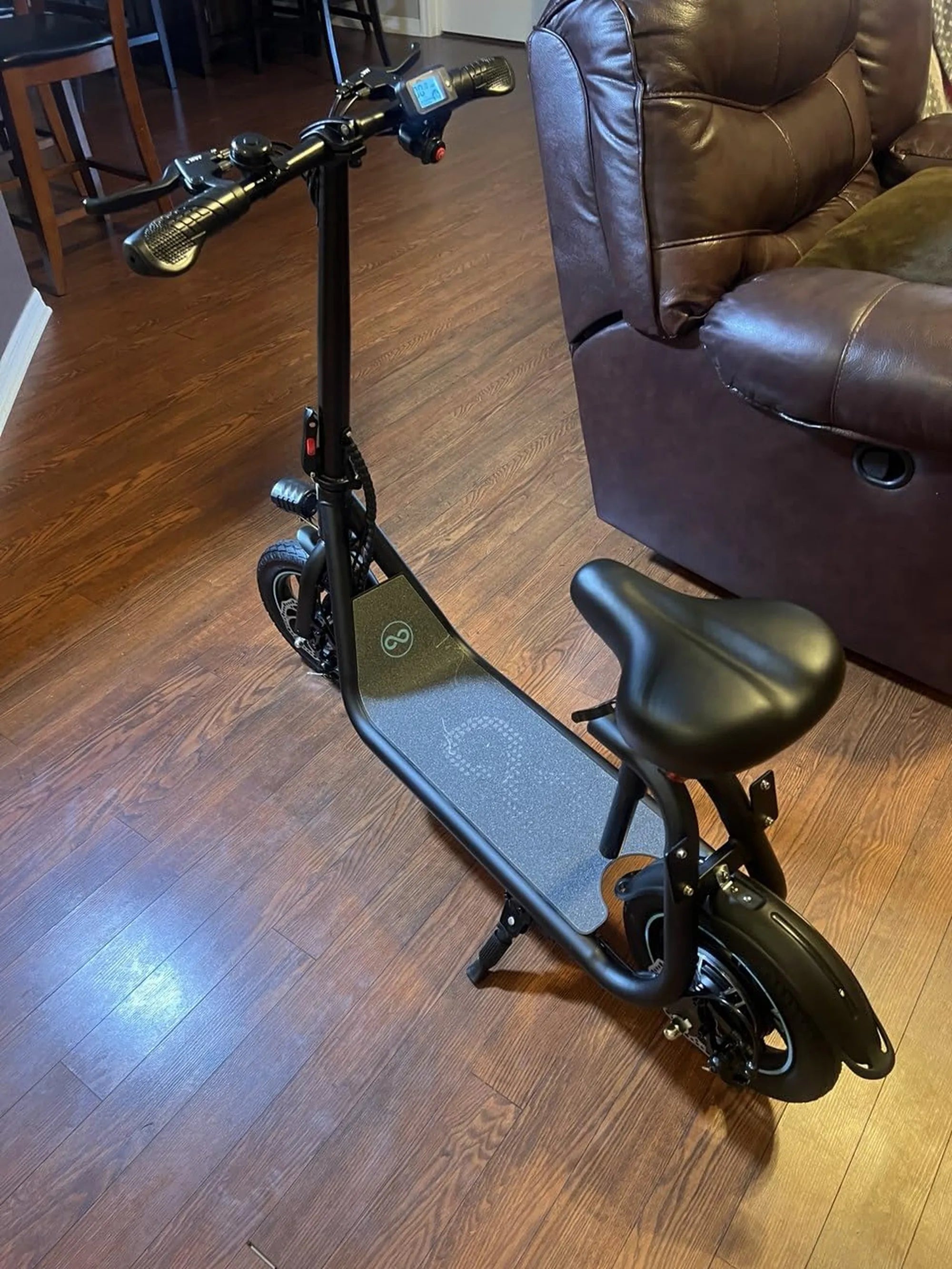
Electric scooters have revolutionized urban mobility, offering a convenient and eco-friendly way to navigate crowded streets. But what happens when your battery runs low? Understanding electric scooter charger connector types is crucial for keeping your ride powered up and ready to go. Whether you're a daily commuter or a weekend explorer, knowing which connector your scooter uses can save you time, money, and frustration.
Why Charger Connector Types Matter
Not all electric scooters use the same charging connectors. Using the wrong one can lead to inefficient charging, damage to your battery, or even safety hazards. The right connector ensures a secure fit, optimal power transfer, and longevity for your scooter's battery.
Common Electric Scooter Charger Connector Types
1. Barrel Connectors
Barrel connectors are among the most widely used for electric scooters. They feature a cylindrical design with a central pin and are available in various sizes. The most common diameters are 5.5mm and 3.5mm, often referred to by their outer and inner measurements (e.g., 5.5mm x 2.1mm).
2. XLR Connectors
Originally designed for audio equipment, XLR connectors have found their way into electric scooters due to their durability and secure locking mechanism. These connectors have three pins and are less likely to disconnect accidentally.
3. Anderson Powerpole Connectors
Anderson Powerpole connectors are popular in high-power applications. They feature a modular design that allows for easy customization and can handle higher currents than many other connector types.
4. USB-C Connectors
While not common for main charging, some smaller or portable electric scooters use USB-C connectors for charging. These offer the advantage of being able to use power banks or laptop chargers in a pinch.
5. Proprietary Connectors
Some manufacturers use custom-designed connectors that are specific to their brand. These often require purchasing replacement chargers directly from the manufacturer.
How to Identify Your Scooter's Charger Connector
Identifying your connector type is usually straightforward. Look at the charging port on your scooter and the plug on your charger. Measure the diameter if it's a barrel connector, count the pins if it's an XLR, or note any unique features for proprietary designs. Always check your scooter's manual for specifications.
Voltage and Amperage Considerations
Beyond the physical connector, you must match the voltage and amperage requirements of your scooter. Using a charger with incorrect specifications can damage your battery or create safety risks. Most scooters require between 36V and 60V chargers, with amperage typically ranging from 1.5A to 5A.
Safety Tips for Charging Your Electric Scooter
- Always use the charger designed for your specific scooter model
- Inspect connectors regularly for signs of wear or damage
- Never force a connector that doesn't fit properly
- Avoid charging in extreme temperatures
- Don't leave your scooter charging unattended for extended periods
The Future of Electric Scooter Charging
As electric scooter technology advances, we're seeing trends toward more universal charging standards and even wireless charging options. Some cities are implementing public charging stations with multiple connector types to accommodate different scooter models.
Whether you're troubleshooting charging issues or planning for future upgrades, understanding electric scooter charger connector types puts you in control of your ride's performance. With this knowledge, you'll never be left stranded with a dead battery again – and you might just impress fellow riders with your technical know-how!
9 Amp Battery for Bike: The Ultimate Guide to Power and Performance
Who Makes the Best Electric Mountain Bike: A Comprehensive Guide