



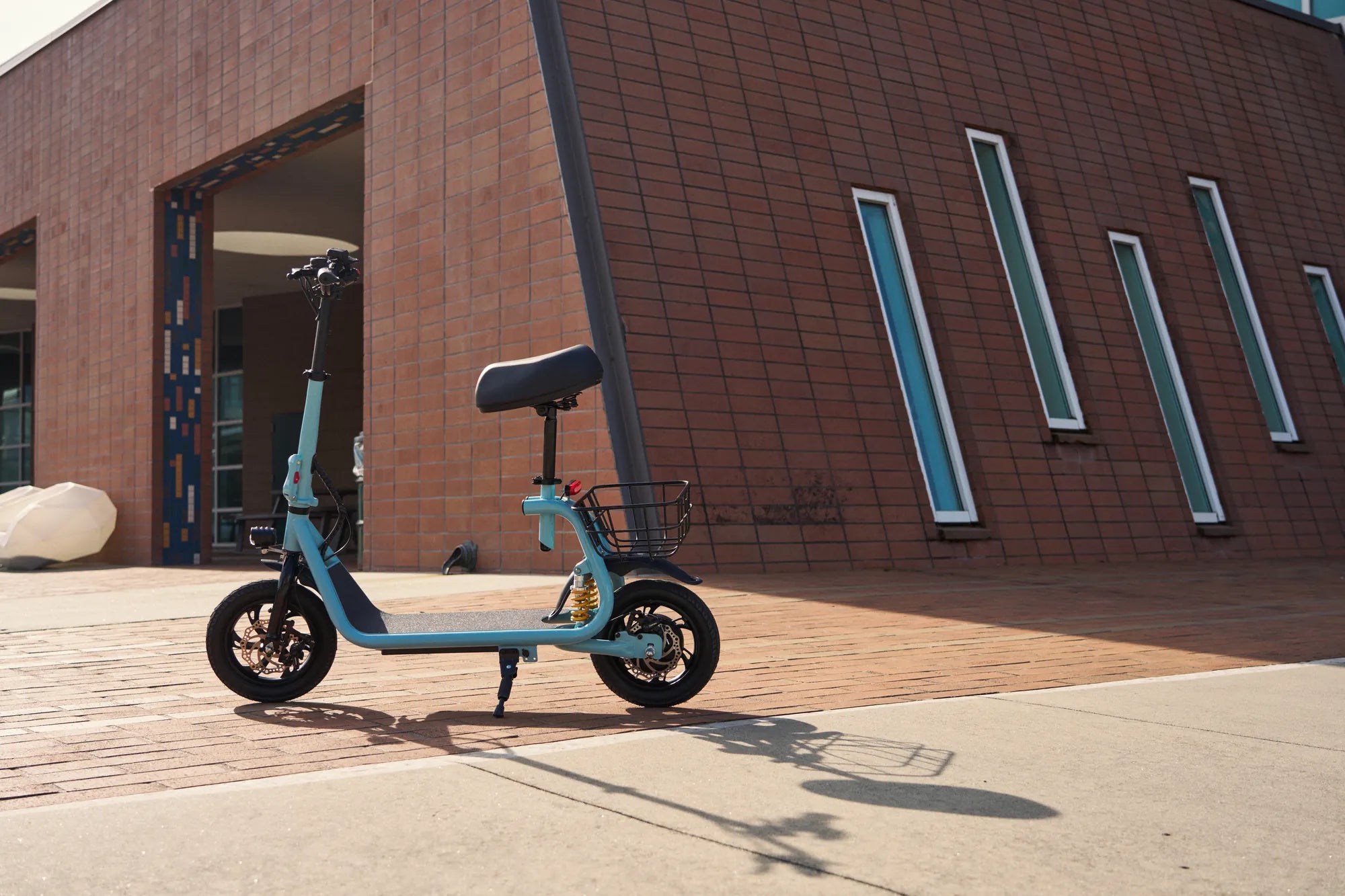
Electric scooters have revolutionized urban mobility, offering a convenient and eco-friendly way to navigate crowded streets. But what powers these sleek machines? The answer lies in the electric scooter charging unit—a critical component that ensures your ride is always ready to go. Whether you're a daily commuter or a weekend adventurer, understanding how to charge your scooter efficiently and safely can make all the difference. Let's dive into the world of electric scooter charging units and uncover the secrets to keeping your ride powered up.
How Electric Scooter Charging Units Work
At the heart of every electric scooter is a battery that stores energy for propulsion. The charging unit acts as the bridge between your scooter and the power source, converting electricity into a form that the battery can store. Most charging units consist of a power adapter, cables, and connectors designed to deliver the right voltage and current to the battery. Modern units often include smart features like overcharge protection, temperature monitoring, and automatic shutoff to prevent damage.
Types of Electric Scooter Charging Units
Not all charging units are created equal. Here are the most common types you'll encounter:
- Standard Chargers: These are the basic models that come with most scooters. They offer reliable charging but may lack advanced features.
- Fast Chargers: Designed for speed, these units can recharge your scooter in a fraction of the time, though they may generate more heat.
- Portable Chargers: Compact and lightweight, these are perfect for riders who need to charge on the go.
- Smart Chargers: Equipped with microprocessors, these units optimize charging cycles to extend battery life.
Tips for Efficient Charging
To get the most out of your electric scooter charging unit, follow these best practices:
- Use the Right Charger: Always stick to the manufacturer-recommended unit to avoid compatibility issues.
- Avoid Overcharging: Unplug your scooter once it reaches 100% to prevent battery degradation.
- Charge in a Cool Environment: High temperatures can reduce battery efficiency and lifespan.
- Store at Partial Charge: If you won't be using your scooter for a while, keep the battery at around 50%.
Safety Considerations
Charging an electric scooter isn't complicated, but safety should always come first. Here's what to keep in mind:
- Inspect Cables Regularly: Frayed or damaged cables can pose a fire hazard.
- Don't Charge Overnight: Unattended charging increases the risk of overheating.
- Keep Away from Water: Moisture and electricity don't mix—always charge in a dry area.
- Use a Surge Protector: This can protect your scooter from voltage spikes.
The Future of Electric Scooter Charging
As technology advances, so do charging solutions. Wireless charging, solar-powered units, and ultra-fast chargers are just a few innovations on the horizon. These developments promise to make charging even more convenient and sustainable, further solidifying electric scooters as the future of urban transport.
Ready to take your electric scooter experience to the next level? Mastering your charging unit is the first step toward longer rides, better performance, and peace of mind. Whether you're a seasoned rider or just getting started, these insights will help you stay charged and ready for whatever the road brings.
Electric Scooter Tires Last: How to Maximize Their Lifespan and Performance
Foldable Electric Travel Scooter: The Ultimate Guide to Portable Mobility