



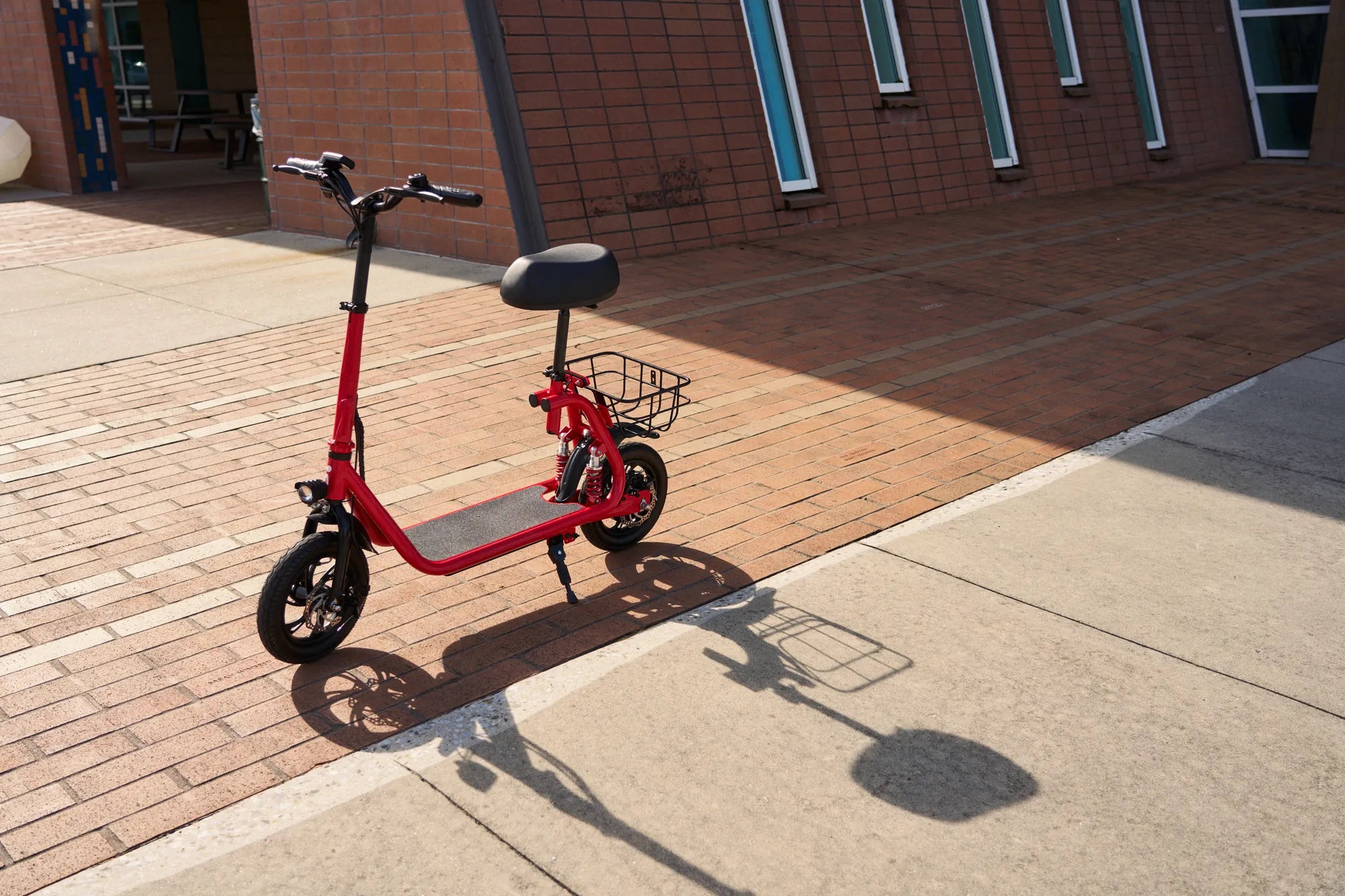
Imagine gliding through the city streets on your electric scooter, effortlessly navigating traffic while keeping an eye on your speed, battery life, and other critical metrics. The electric scooter controller display is the unsung hero of your ride, offering a seamless interface between you and your scooter's performance. Whether you're a daily commuter or a weekend adventurer, understanding this essential component can elevate your riding experience to new heights.
What Is an Electric Scooter Controller Display?
The electric scooter controller display is the central hub that communicates between the rider and the scooter's electronic systems. It provides real-time feedback on speed, battery level, distance traveled, and other vital statistics. This compact yet powerful device ensures you stay informed and in control, making every ride safer and more enjoyable.
Key Features of an Electric Scooter Controller Display
Modern electric scooter controller displays come packed with features designed to enhance usability and convenience. Here are some of the most common functionalities:
- Speedometer: Displays your current speed, helping you stay within legal limits.
- Battery Indicator: Shows remaining battery life to prevent unexpected shutdowns.
- Odometer: Tracks total distance traveled, useful for maintenance scheduling.
- Riding Modes: Allows switching between eco, standard, and sport modes for customized performance.
- Error Codes: Alerts you to potential issues, enabling timely troubleshooting.
How the Controller Display Enhances Safety
Safety is paramount when riding an electric scooter, and the controller display plays a crucial role. By providing instant access to critical data, it helps riders make informed decisions on the go. For example, a low battery warning can prompt you to recharge before getting stranded, while a speed alert can remind you to slow down in crowded areas.
The Technology Behind the Display
Electric scooter controller displays rely on advanced electronics to deliver accurate and reliable information. They typically connect to the scooter's main controller via wired or wireless communication protocols. The display unit itself may use LED, LCD, or even OLED technology, offering varying levels of visibility and energy efficiency.
Customization and User Preferences
Many electric scooter controller displays allow for customization to suit individual preferences. Riders can often adjust brightness, units of measurement (e.g., mph or km/h), and even enable or disable certain features. This level of personalization ensures a tailored experience for every user.
Common Issues and Troubleshooting
Like any electronic device, the electric scooter controller display can encounter issues. Common problems include screen flickering, unresponsive buttons, or incorrect readings. Simple troubleshooting steps like checking connections, resetting the display, or updating firmware can often resolve these issues. For persistent problems, consulting the manufacturer's guidelines or seeking professional help is recommended.
The Future of Electric Scooter Controller Displays
As electric scooters continue to evolve, so do their controller displays. Future innovations may include touchscreen interfaces, integration with smartphone apps, and even augmented reality features. These advancements promise to make riding even more intuitive and connected.
Next time you hop on your electric scooter, take a moment to appreciate the small but mighty controller display. It's not just a screen—it's your gateway to a smarter, safer, and more enjoyable ride. Whether you're zipping through urban landscapes or cruising along scenic paths, this little device ensures you're always in the know.
Big Tire Electric Scooter for Adults: The Ultimate Guide to Power and Performance
Class 3 Electric Scooter: The Ultimate Guide to Speed, Safety, and Convenience