



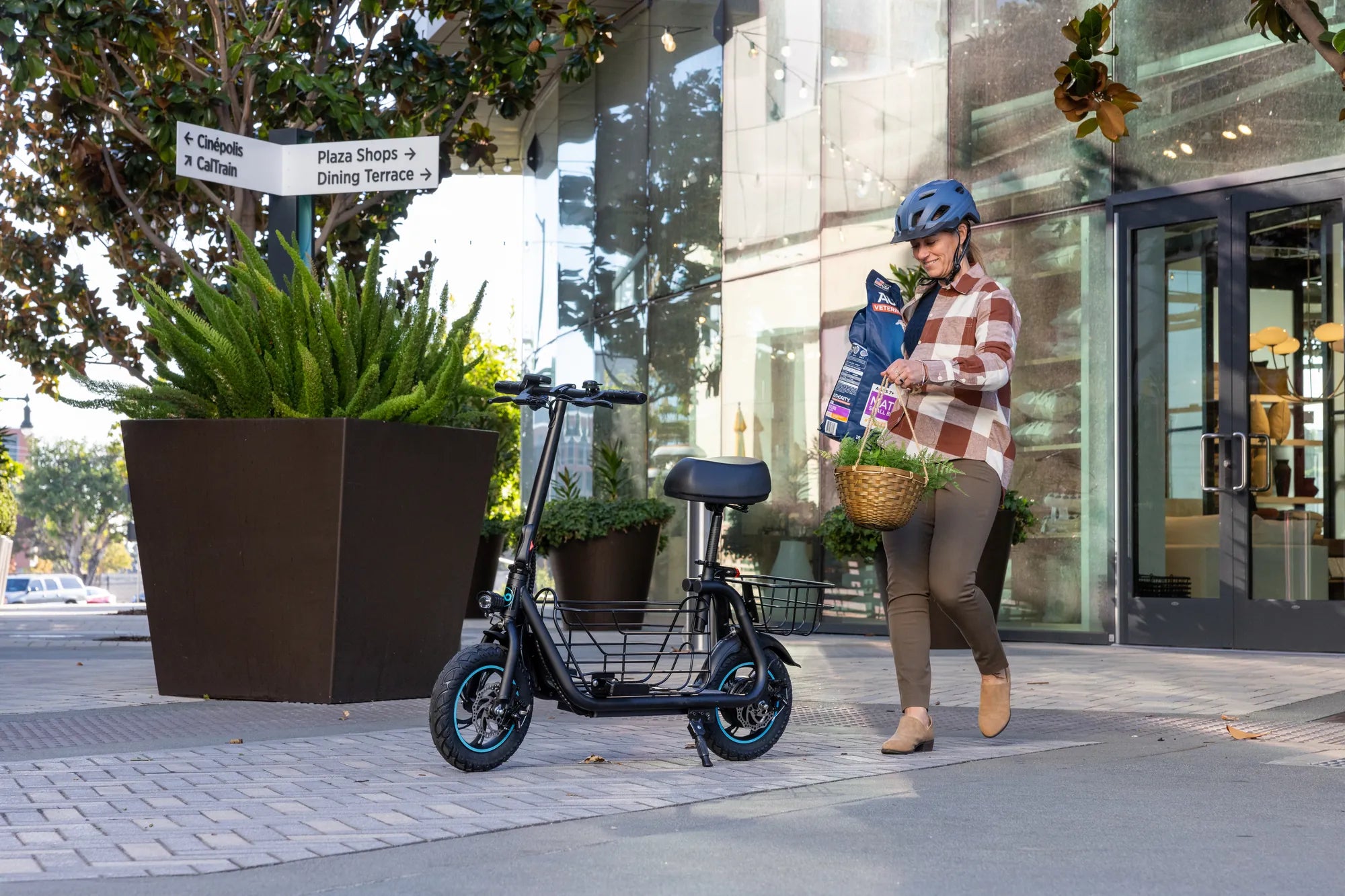
Imagine cruising down the street on a silent, emission-free ride that costs pennies to operate. Electric scooter conversion is the key to unlocking this reality without breaking the bank. Whether you're an eco-conscious commuter or a DIY enthusiast, transforming your gas-powered scooter into an electric marvel is easier than you think. Let's dive into the world of electric scooter conversions and explore how you can revolutionize your ride.
Why Convert to an Electric Scooter?
Converting a traditional scooter to electric power offers numerous advantages. First and foremost, you'll significantly reduce your carbon footprint. Electric scooters produce zero emissions, making them an environmentally friendly alternative to gas-powered models. Additionally, electric scooters are much quieter, eliminating noise pollution in urban areas.
From a financial perspective, electric conversions can save you money in the long run. Electricity costs far less than gasoline, and electric motors require minimal maintenance compared to internal combustion engines. You'll say goodbye to oil changes, spark plug replacements, and complex transmission systems.
Essential Components for Electric Scooter Conversion
Before starting your conversion project, you'll need to gather several key components:
- Electric Motor: The heart of your conversion, typically ranging from 500W to 3000W depending on your performance needs
- Battery Pack: Lithium-ion batteries are the preferred choice for their energy density and longevity
- Motor Controller: Regulates power delivery from the battery to the motor
- Throttle Mechanism: Replaces the gas throttle with an electric control
- Charging System: Necessary for replenishing your battery's power
Step-by-Step Conversion Process
Converting your scooter involves several key steps that require mechanical and electrical knowledge:
- Remove the gas engine and related components (fuel tank, exhaust system, etc.)
- Install the electric motor in the engine compartment or rear wheel hub
- Mount the battery pack in a secure, balanced location
- Connect the motor controller and throttle system
- Wire the charging port and battery management system
- Test all systems before finalizing the installation
Performance Considerations
When planning your electric scooter conversion, consider these performance factors:
| Factor | Consideration |
|---|---|
| Range | Determined by battery capacity and riding conditions |
| Speed | Affected by motor power and controller settings |
| Weight | Battery placement affects handling and stability |
| Regenerative Braking | Can extend range by recovering energy during braking |
Cost Analysis of Electric Scooter Conversion
While conversion costs vary depending on component quality and scooter size, here's a general breakdown:
- Basic conversion kit: $500-$1,000
- Mid-range components: $1,000-$2,000
- High-performance setup: $2,000-$4,000
Remember that these costs are often offset by long-term savings on fuel and maintenance. Many converters report recouping their investment within 1-2 years of regular use.
Safety Precautions for Electric Conversions
Working with high-voltage electrical systems requires careful attention to safety:
- Always disconnect the battery before working on electrical components
- Use proper insulation for all high-voltage connections
- Install appropriate fuses and circuit breakers
- Ensure proper ventilation for battery compartments
- Follow local regulations regarding electric vehicle modifications
Electric scooter conversion opens up a world of possibilities for personal transportation. With the right components, some mechanical know-how, and attention to detail, you can create a custom electric ride that perfectly suits your needs. The satisfaction of zipping around town on a machine you've personally transformed is unmatched - and the planet will thank you too. Ready to take the plunge into electrifying your commute?
Best 30 mph Electric Scooter Under $1000: Top Picks for Speed and Affordability
Best 30 mph Electric Scooter Under $1000: Top Picks for Speed and Affordability