



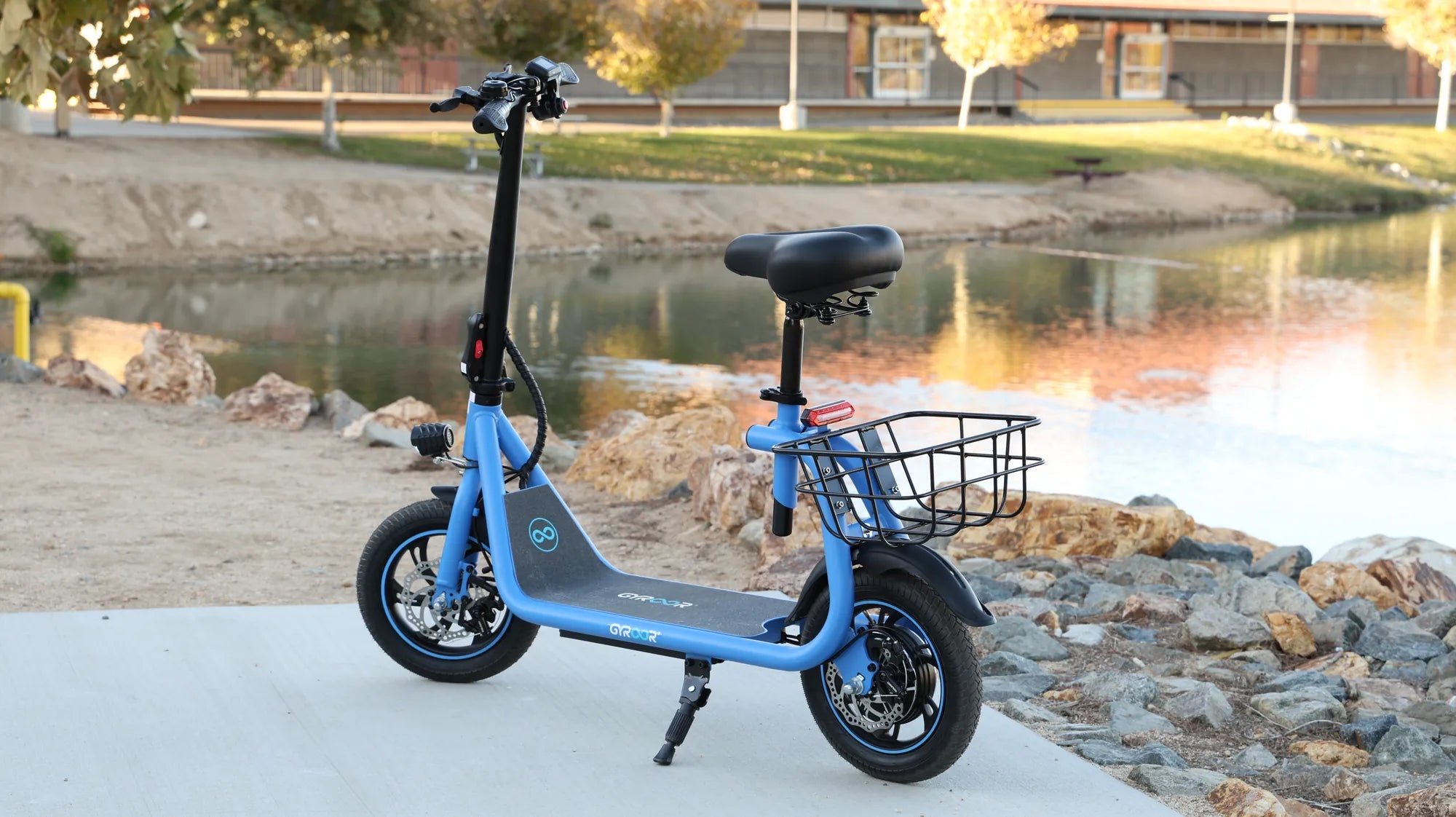
Electric scooters are taking cities by storm, offering a convenient, eco-friendly, and cost-effective way to navigate urban landscapes. But what exactly is an electric scooter? Whether you're a commuter looking for a faster way to beat traffic or an eco-conscious individual seeking sustainable transport options, understanding the electric scooter definition is the first step toward embracing this modern mobility solution.
What Is an Electric Scooter?
An electric scooter, often referred to as an e-scooter, is a two-wheeled vehicle powered by an electric motor and a rechargeable battery. Unlike traditional kick scooters, e-scooters do not require manual propulsion, making them an efficient and effortless mode of transportation. They are designed for short to medium-distance travel and are increasingly popular in urban areas due to their compact size and ease of use.
Key Components of an Electric Scooter
To fully grasp the electric scooter definition, it's essential to understand its core components:
- Electric Motor: The heart of the scooter, providing propulsion without manual effort.
- Battery: Typically lithium-ion, it powers the motor and determines the scooter's range.
- Deck: The platform where the rider stands, often made of durable materials like aluminum.
- Handlebars: Equipped with controls for acceleration, braking, and sometimes display screens.
- Wheels: Usually small (8-12 inches) with pneumatic or solid tires for stability.
- Braking System: Can be disc, drum, or regenerative brakes for safety.
Types of Electric Scooters
Electric scooters come in various forms, catering to different needs and preferences:
- Commuter Scooters: Lightweight and foldable, ideal for daily urban travel.
- Off-Road Scooters: Built with rugged tires and powerful motors for rough terrain.
- Performance Scooters: High-speed models with extended range for enthusiasts.
- Shared Scooters: Designed for rental services, often seen in city docking stations.
Why Choose an Electric Scooter?
The electric scooter definition extends beyond its technical aspects—it's a game-changer for urban mobility. Here’s why:
- Eco-Friendly: Zero emissions, reducing carbon footprints compared to cars.
- Cost-Effective: Lower maintenance and fuel costs than traditional vehicles.
- Convenient: Easy to park, maneuver through traffic, and store.
- Health Benefits: Encourages outdoor activity and reduces sedentary commuting.
Challenges and Considerations
While electric scooters offer numerous advantages, there are challenges to consider:
- Regulations: Varying laws on speed limits, helmet use, and where they can be ridden.
- Safety: Accidents can occur due to poor road conditions or reckless riding.
- Battery Life: Limited range may require frequent recharging for long commutes.
The Future of Electric Scooters
As cities become more congested and environmentally conscious, the electric scooter definition will continue to evolve. Innovations like swappable batteries, smart connectivity, and improved safety features are paving the way for wider adoption. Governments and urban planners are also integrating e-scooters into public transport systems, making them a staple of future mobility.
Ready to join the electric scooter revolution? Whether for convenience, sustainability, or sheer fun, e-scooters are reshaping how we move—making them more than just a trend, but a cornerstone of modern transportation.
Sit Down Electric Scooter for Adults Near Me: The Ultimate Guide to Comfortable Commuting
Sit Down Electric Scooter for Adults Near Me: The Ultimate Guide to Comfortable Commuting