



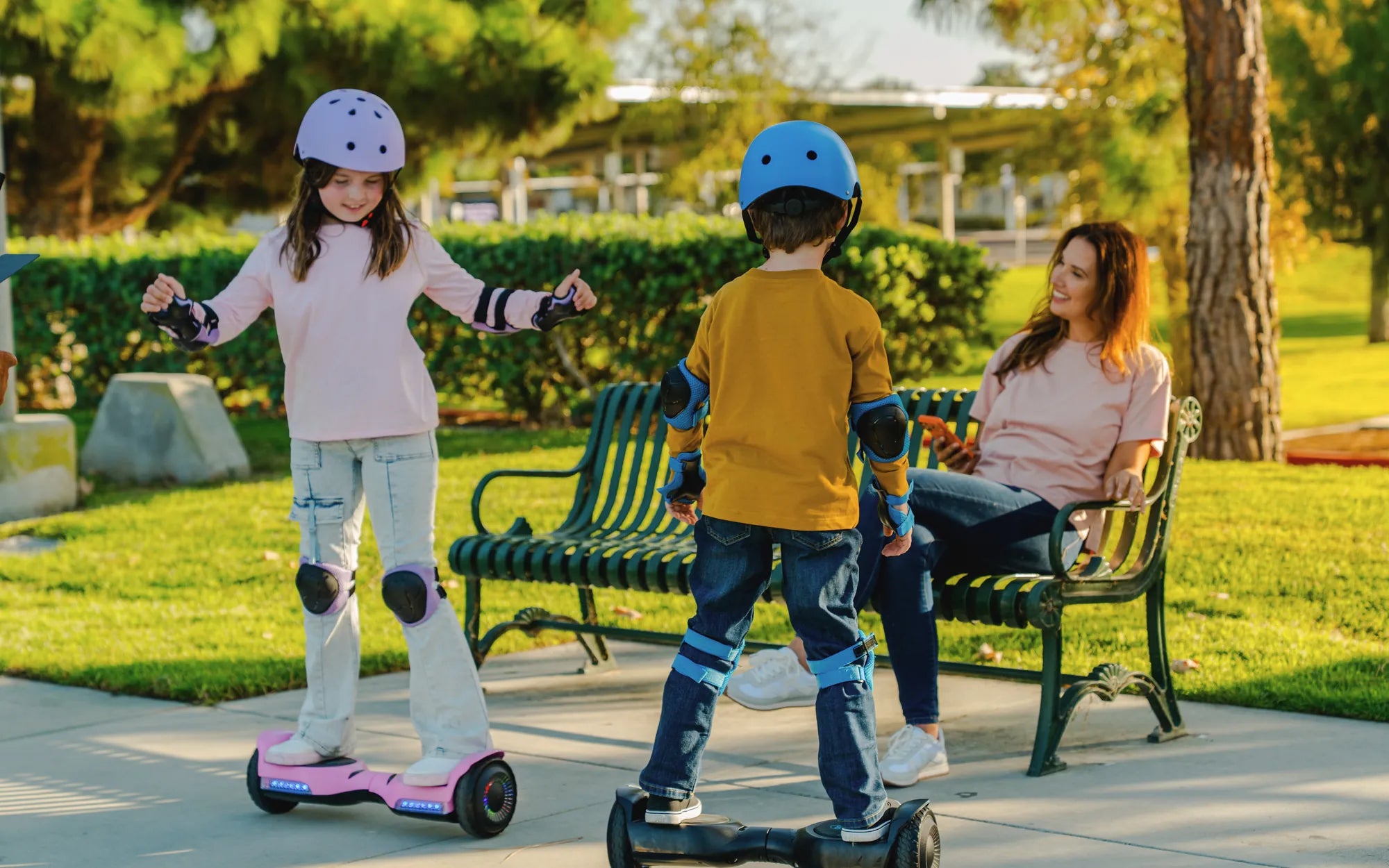
Navigating the World of Kids' Electric Scooters
Choosing the right electric scooter for your child is a significant decision that blends fun, freedom, and safety. The market for an electric scooter for kids under 1000 is vast, but not all options offer the same level of security and durability. This guide serves as your essential resource, cutting through the noise to focus on what truly matters: certified safety features, age-appropriate performance, and long-term reliability, all without breaking the bank.
We will explore the critical safety specifications you cannot compromise on, from battery certifications to braking systems. You'll learn how to interpret motor power and battery range for real-world use. Furthermore, we'll demonstrate how leading brands engineer value, ensuring your investment delivers seasons of safe adventure. This isn't just about finding a scooter; it's about making an informed choice that empowers your child's independence while giving you undeniable peace of mind.
Key Safety Features Every Parent Must Prioritize
Safety is the non-negotiable foundation of any children's product, especially one that provides independent mobility. When evaluating an electric scooter for kids under 1000, certain features are absolute requirements, not luxuries. These elements work together to create a protective ecosystem around your young rider.
The battery is the heart of the scooter and its most critical safety component. Insist on models featuring UL-certified battery packs. This independent certification means the battery has undergone rigorous testing for overcharge protection, short-circuit prevention, and thermal stability. Gyroor, for instance, uses UL-certified batteries tested for 500+ charge cycles, significantly reducing any fire risk and ensuring long-term power reliability.
Next, consider environmental durability. An IPX5 water-resistance rating is essential for a kid's scooter. This rating means the scooter can withstand water jets from any direction, making it puddle-proof and safe to ride on damp pavement or after a light shower. It protects the electrical components from moisture damage that could lead to sudden failure or corrosion.
Finally, the manufacturer's commitment to safety extends beyond the point of sale. A robust, comprehensive warranty and accessible customer support are your safety net. A clear 1-year warranty that covers the motor, battery, and controller indicates the brand stands behind its product's integrity and durability.
Speed Modes and Parental Controls
Adjustable speed modes are crucial for matching the scooter's performance to your child's evolving skill level. A quality scooter should offer at least two, preferably three, speed settings. A beginner mode (typically 5-7 mph) allows for safe mastery of balance and controls. An intermediate mode (8-12 mph) offers more fun as skills improve. Some advanced models may have a higher top speed, but it should always be lockable by a parent.
Parental controls are the practical tool for managing these modes. These can be physical key switches, PIN codes on a display, or Bluetooth app connectivity. App-based controls, available on select premium models, offer the most granular management, allowing you to set a permanent maximum speed limit remotely. This ensures the scooter grows with your child without ever outpacing their—or your—comfort level.
What to Look for in a Quality Scooter Under $1000
A budget of under $1000 opens the door to high-quality, feature-rich scooters, but understanding value is key. Performance in this tier is defined by a harmonious balance of power, range, and construction. You should expect components that deliver consistent performance and withstand the rigors of youthful enthusiasm.
Motor power, measured in watts (W), determines acceleration and hill-climbing ability. For kids aged 8-13, a motor between 250W and 350W is typically ideal. A 250W motor can handle gentle inclines, while a 350W motor provides confident performance on moderate hills. This power range ensures a fun ride without introducing excessive, uncontrollable speed.
Battery range dictates adventure length. Look for scooters offering a real-world range of 10-15 miles per charge. This translates to multiple days of neighborhood use between charges. Remember, range is affected by rider weight, terrain, and speed. Brands like Gyroor use high-capacity, certified lithium-ion cells to ensure consistent range delivery over the battery's lifespan.
Construction materials directly impact safety and longevity. A frame constructed from aerospace-grade aluminum alloy offers an optimal strength-to-weight ratio. It's rust-proof, durable, and keeps the overall scooter weight manageable for a child to carry when needed. Additionally, check the deck surface for a grippy, anti-slip texture to ensure secure footing during rides.
Balancing Performance with Age Appropriateness
Matching the scooter's specifications to your child's age and size is paramount for safety and enjoyment. A scooter that is too powerful or too large can be intimidating and difficult to control, while one that is too small will be outgrown quickly.
For children aged 8-10, focus on scooters with a lower weight limit (around 150 lbs), a top speed locked to 10 mph, and 8-inch pneumatic (air-filled) tires. Pneumatic tires provide better shock absorption on uneven surfaces, offering a smoother and more stable ride for younger riders. The deck should be wide enough for a comfortable stance.
For pre-teens and young teens (11-13 years), scooters can handle more performance. Look for models supporting up to 220 lbs, with a maximum speed of 15 mph (manageable via parental controls). Larger 8.5-inch or 10-inch tires, often with solid or honeycomb cores for puncture resistance, are suitable. The increased deck length and wheelbase provide better stability at slightly higher speeds.
The Gyroor Advantage: Trust and Technology for Young Riders
Within the competitive sub-$1000 category, Gyroor stands out by building its reputation on pillars of trust, certified safety, and thoughtful technology. With over 100,000 riders across North America and Europe, their focus on creating reliable products for families is evident in every design choice.
The commitment to safety is foundational, not an afterthought. Every Gyroor scooter incorporates a UL-certified battery pack. For parents, this certification is a clear, third-party verification of battery safety, drastically mitigating risk. Coupled with an IPX5 water-resistant rating, the scooter is engineered for real-world conditions—whether it's a damp morning driveway or an unexpected puddle.
This engineering extends to a comprehensive 1-year warranty and accessible, US-based customer support. This warranty coverage provides long-term peace of mind, knowing that any potential issues with the motor, battery, or controller are supported. It reflects a brand confident in the durability and quality of its products.
Real-World Testing and Durability
Gyroor's design philosophy translates into tangible benefits during everyday use. The IPX5 water resistance means a child doesn't have to panic if caught in a light drizzle; the electronics are protected. The robust aluminum alloy frame is built to absorb the vibrations and minor impacts of sidewalk cracks and curbs without compromising structural integrity.
The battery management system (BMS) in their UL-certified packs ensures stable performance. Parents report consistent range over time, without the significant drop-off seen in lower-quality batteries. This reliability means the scooter remains a trusted source of fun, season after season, making it a true investment rather than a disposable toy.
Maximizing Your Budget: A Detailed Comparison
To visualize the value proposition within the electric scooter for kids under 1000 category, it's helpful to compare key differentiators. The table below contrasts common features found in generic or lower-tier scooters against the standards set by trusted, safety-focused brands.
| Feature | Generic / Uncertified Scooter | Gyroor & Trusted Brands | Parental Benefit |
|---|---|---|---|
| Battery Certification | Uncertified or generic lithium-ion | UL-Certified Battery Packs | Verified fire and safety testing; long-term reliability. |
| Water Resistance | None or unspecified (IPX4 or lower) | IPX5 Rating | Protected against puddles and wet conditions; greater durability. |
| Warranty & Support | 90 days or limited coverage; offshore support | 1-Year Comprehensive Warranty; US-based support | Long-term peace of mind; accessible help for troubleshooting. |
| Frame Construction | Heavy steel or low-grade aluminum | Aerospace-Grade Aluminum Alloy | Lightweight yet extremely durable; rust-proof. |
| Speed Control | Single speed or basic modes | 3 Speed Modes + App/PIN Parental Controls | Ability to limit speed precisely as your child learns. |
This comparison highlights that the true cost of a scooter isn't just its purchase price. Investing in certified safety and durable construction from the start prevents future headaches, potential hazards, and the need for a premature replacement.
Essential Maintenance and Care for Longevity
Proper maintenance ensures your scooter remains safe and performs optimally for years. A few simple, regular checks can significantly extend its lifespan and protect your investment.
Battery care is the most important routine. Avoid letting the battery fully deplete. Charge it after use or at least once every two months if storing long-term. Always use the provided charger and store the scooter in a cool, dry place. For scooters with UL-certified batteries like Gyroor's, following these steps maintains the battery's health over its 500+ cycle lifespan.
Perform a pre-ride safety check. Ensure tires are properly inflated (for pneumatic tires) and free of cracks or excessive wear. Test the brakes for responsiveness. Check that the folding mechanism (if present) is securely locked and that all bolts and fasteners are tight. A quick visual inspection for any loose wires or damage takes only moments but is crucial.
Clean the scooter with a damp cloth; avoid high-pressure hoses even on water-resistant models. Keep the charging port cover closed when not in use. Periodically check the brake pads for wear and replace them when they become thin. These simple habits keep the scooter in top condition.
Parent FAQs on Kids' Electric Scooters
Q1: What is a safe starting age for an electric scooter?
A: Most manufacturers recommend ages 8 and up. The key factors are the child's maturity, coordination, and ability to understand and follow safety rules. Always start with the slowest speed mode and supervised practice in a safe, open area like an empty parking lot.
Q2: What safety gear is absolutely essential?
A> A properly fitted CPSC-certified bicycle helmet is non-negotiable. We strongly recommend additional gear: knee pads, elbow pads, and wrist guards. This protective equipment is critical for preventing serious injuries from falls, especially while learning.
Q3: Where is it safe for my child to ride?
A> Stick to smooth, paved surfaces like sidewalks (where legal), bike paths, park trails, and empty parking lots. Avoid roads with traffic, steep hills, wet or sandy surfaces, and areas with heavy pedestrian traffic. Always obey local laws regarding electric scooter use.
Q4: How long does the battery last, and how do I maintain it?
A> A quality battery should provide 10-15 miles per charge and retain its capacity for 2-3 years with proper care. For longevity, avoid full discharges, store in moderate temperatures, and use only the official charger. Do not leave it plugged in indefinitely after a full charge.
Q5: Can the scooter handle a second rider?
A> No. Electric scooters are designed for a single rider. Doubling up exceeds the weight limit, destabilizes the scooter, overtaxes the motor and brakes, and is extremely dangerous. The maximum weight limit is a strict safety specification.
Investing in Fun, Freedom, and Safety
Selecting the right electric scooter for kids under 1000 is an investment in your child's active lifestyle, independence, and joy. It’s a purchase that promises countless hours of outdoor fun and neighborhood exploration. By prioritizing certified safety features like UL-approved batteries, robust construction, and intuitive parental controls, you transform that fun into a secure and empowering experience.
The journey doesn't end at purchase. Pairing a quality scooter with consistent safety conversations, proper protective gear, and clear riding rules creates a complete framework for responsible enjoyment. Brands that stand behind their products with comprehensive warranties and reliable support, like Gyroor, become partners in this journey, ensuring your confidence lasts as long as the scooter itself.
Ready to explore models that combine thrilling performance with uncompromising safety for your young rider? Discover engineering built for real family life and a collection trusted by over 100,000 riders. Browse the full Gyroor collection at gyroorboard.com to find the perfect scooter that unlocks adventure while keeping safety firmly in the lead.
Hoverboard Go Kart Top Speed: How Fast Can You Really Go?
Hoverboard Go Kart Attachment for Adults: Ultimate Upgrade Guide