



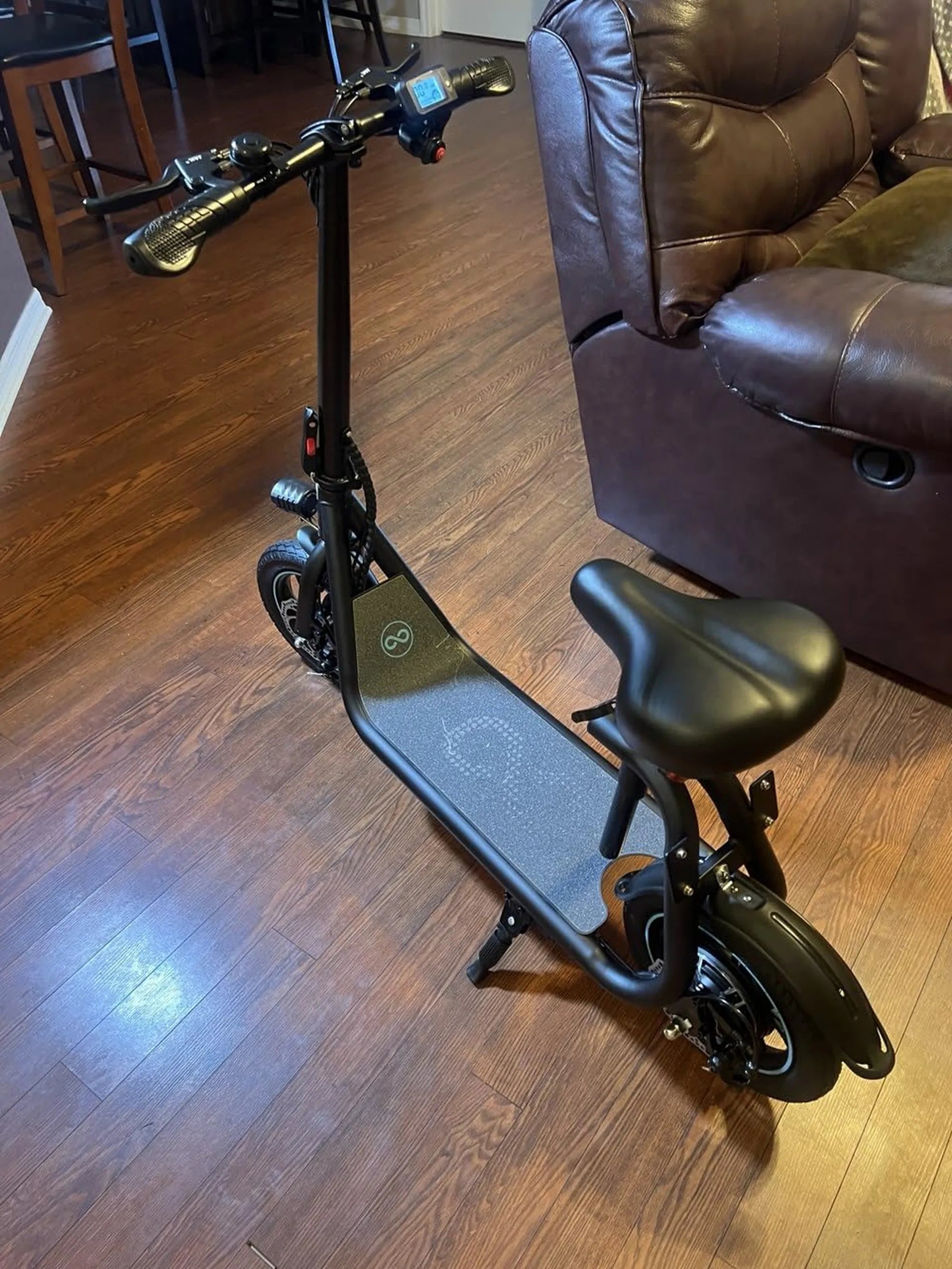
Electric scooters have revolutionized urban mobility, offering a convenient and eco-friendly way to navigate crowded streets. But one question lingers in the minds of potential riders: how many kilometers can an electric scooter really cover? The answer isn’t as straightforward as you might think. From battery capacity to riding habits, numerous factors determine the distance you can travel on a single charge. Let’s dive into the details and uncover the truth behind electric scooter kilometer range.
Battery Capacity: The Heart of Your Scooter’s Range
The battery is the most critical component when it comes to determining how far your electric scooter can go. Measured in watt-hours (Wh), a higher-capacity battery generally translates to a longer range. For example, a scooter with a 500Wh battery will typically cover more kilometers than one with a 250Wh battery. However, battery chemistry and efficiency also play a role. Lithium-ion batteries, the most common type in modern scooters, offer a good balance between weight, lifespan, and performance.
Motor Efficiency: Power vs. Distance
The motor’s power output, measured in watts, affects both speed and range. A more powerful motor can climb hills and accelerate faster, but it also consumes more energy. If you’re aiming for maximum kilometers, opting for a scooter with a moderate motor power (around 250W–500W) might be the sweet spot. Some scooters feature dual motors for extra power, but this can significantly reduce range unless you switch to a single-motor mode for longer trips.
Rider Weight and Terrain: The Hidden Variables
Your weight and the terrain you ride on can drastically impact your scooter’s range. Heavier riders require more energy to move, reducing the total kilometers per charge. Similarly, riding uphill or on rough surfaces forces the motor to work harder, draining the battery faster. If you frequently encounter hills or uneven roads, expect your scooter’s range to drop by 20–30% compared to flat, smooth surfaces.
Speed and Riding Style: Slow and Steady Wins the Race
Speed is a major factor in battery consumption. Riding at top speed might be thrilling, but it’s also the quickest way to deplete your battery. Most scooters achieve their maximum range at speeds between 15–25 km/h. Aggressive acceleration and frequent braking also waste energy. Adopting a smoother, more consistent riding style can help you squeeze out extra kilometers from each charge.
Tire Pressure and Maintenance: Small Details, Big Impact
Underinflated tires create more rolling resistance, forcing the motor to use extra energy. Keeping your tires properly inflated can improve your range by up to 10%. Regular maintenance, such as cleaning the scooter and ensuring the brakes aren’t dragging, also contributes to efficiency. A well-maintained scooter will always outperform a neglected one in terms of range.
Weather Conditions: The Silent Range Killer
Cold weather is notorious for reducing battery performance. Lithium-ion batteries operate less efficiently in temperatures below 10°C, potentially cutting your range by 15–20%. Rain and strong headwinds can also increase energy consumption. If you live in a colder climate, storing your scooter indoors and pre-warming the battery before rides can help mitigate these effects.
Maximizing Your Electric Scooter Kilometer Range
To get the most out of your scooter’s range, consider these tips:
- Charge the battery fully before long trips.
- Use eco or energy-saving modes if available.
- Avoid unnecessary weight, such as heavy backpacks.
- Plan your route to minimize hills and rough terrain.
- Keep your scooter clean and well-maintained.
Electric scooters are a fantastic way to get around, but understanding their limitations is key to avoiding disappointment. By optimizing your riding habits and maintaining your scooter properly, you can unlock its full potential and enjoy more kilometers on every charge. Ready to hit the road? Your next adventure is just a ride away.
Electric Scooter Causes Fire: Understanding the Risks and Prevention
How to Fix Electric Scooter Not Charging: A Complete Troubleshooting Guide