



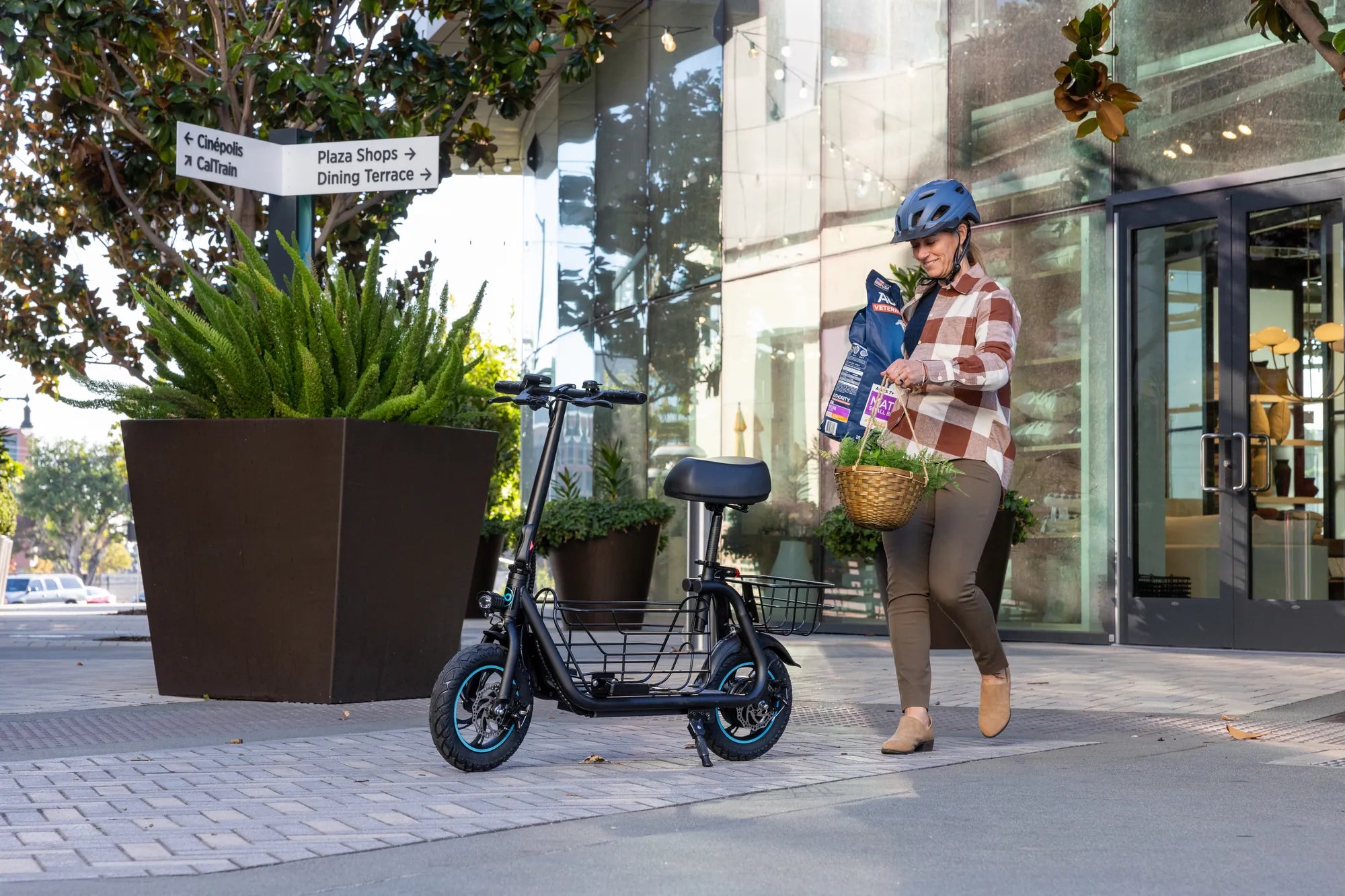
Electric scooters have become a popular mode of transportation, offering convenience, eco-friendliness, and fun. But before you hop on and ride, there's one critical factor you can't afford to ignore: the electric scooter max load. Exceeding this limit can lead to safety hazards, reduced performance, and even damage to your scooter. Let's dive into why this matters and how to choose the right scooter for your needs.
Why Electric Scooter Max Load Matters
The max load capacity of an electric scooter refers to the maximum weight it can safely carry, including the rider and any additional cargo. Ignoring this limit can strain the motor, battery, and frame, leading to premature wear or even accidents. Manufacturers set this limit based on rigorous testing to ensure optimal performance and safety.
How to Determine the Right Max Load for You
When selecting an electric scooter, always check the manufacturer's specified max load. Consider your weight, plus any items you might carry, such as a backpack or groceries. If you're close to the limit, opt for a scooter with a higher capacity to ensure longevity and smooth rides.
Consequences of Exceeding the Max Load
Overloading your scooter can cause several issues, including slower acceleration, reduced battery life, and increased wear on tires and brakes. In extreme cases, it may even lead to structural damage or failure while riding, posing serious safety risks.
Tips for Maintaining Your Scooter's Performance
To keep your electric scooter in top shape, always stay within the max load limit. Regularly inspect the tires, brakes, and battery, and avoid carrying unnecessary weight. Proper maintenance ensures a safer and more enjoyable ride.
Ready to hit the streets with confidence? Knowing your electric scooter's max load is the first step to a smooth, safe, and long-lasting ride. Don't compromise—choose wisely and ride responsibly!
6.5 Inch Self Balancing Two Wheel Scooter: The Future of Urban Mobility
Electric Scooter for Adults Vancouver: The Ultimate Urban Commuting Solution