



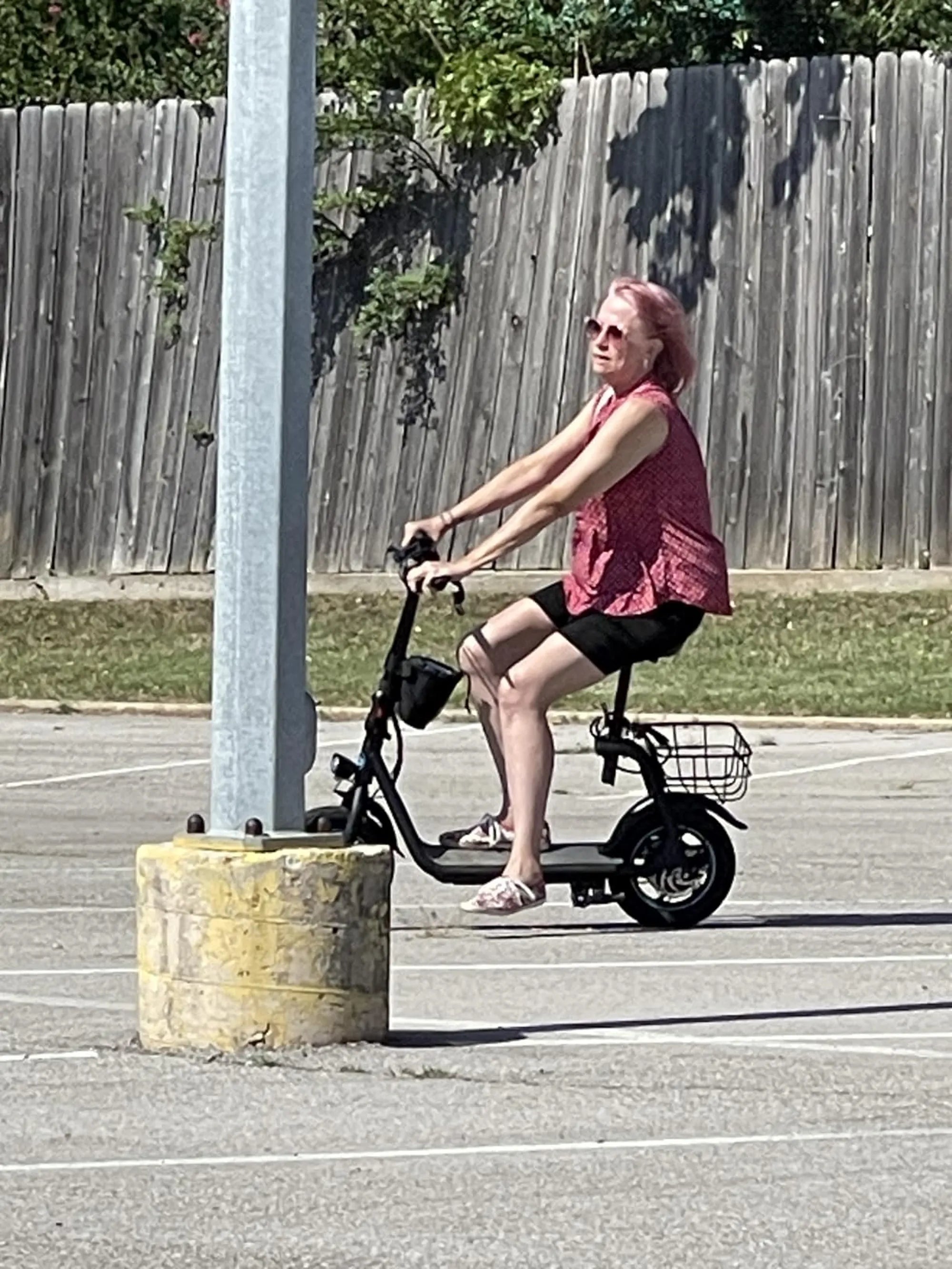
Electric scooters have become a popular mode of transportation, offering convenience, eco-friendliness, and fun. However, many riders unknowingly make mistakes that can lead to accidents, reduced performance, or even damage to their scooters. Whether you're a beginner or an experienced rider, avoiding these common electric scooter mistakes will ensure a safer and more enjoyable ride.
Ignoring Local Laws and Regulations
One of the biggest mistakes riders make is failing to research local laws and regulations. Many cities have specific rules regarding where you can ride, speed limits, helmet requirements, and even age restrictions. Ignoring these laws can result in fines or confiscation of your scooter. Always check your local regulations before hitting the road.
Neglecting Proper Safety Gear
Safety should always be a top priority when riding an electric scooter. Skipping essential safety gear like helmets, knee pads, and reflective clothing increases the risk of serious injury in case of an accident. Even if you're just riding a short distance, wearing protective gear can save you from unnecessary harm.
Overloading the Scooter
Every electric scooter has a weight limit specified by the manufacturer. Exceeding this limit can strain the motor, reduce battery life, and compromise stability. Avoid carrying heavy bags or passengers unless your scooter is explicitly designed for it. Stick to the recommended weight capacity to ensure optimal performance.
Riding on Unsuitable Terrain
Not all electric scooters are built for rough terrain. Riding on uneven surfaces, steep hills, or wet roads can damage the scooter or cause accidents. Always check your scooter's specifications and avoid terrains it isn't designed for. If you frequently encounter challenging paths, consider investing in a model with off-road capabilities.
Skipping Regular Maintenance
Like any vehicle, electric scooters require regular maintenance to stay in good condition. Neglecting tasks like checking tire pressure, tightening bolts, or cleaning the scooter can lead to mechanical failures. Create a maintenance schedule and stick to it to keep your scooter running smoothly.
Ignoring Battery Care
The battery is the heart of your electric scooter, and improper care can shorten its lifespan. Avoid overcharging, letting the battery drain completely, or exposing it to extreme temperatures. Follow the manufacturer's guidelines for charging and storage to maximize battery longevity.
Riding Without Proper Training
Many riders assume electric scooters are easy to use and skip learning proper riding techniques. This can lead to accidents, especially in crowded areas or heavy traffic. Take the time to practice balancing, braking, and turning in a safe environment before venturing onto busy streets.
Failing to Check Weather Conditions
Riding in rain, snow, or strong winds can be dangerous. Wet surfaces reduce traction, increasing the risk of slipping, while strong winds can affect balance. Always check the weather forecast before heading out and avoid riding in adverse conditions.
Not Using Lights at Night
Visibility is crucial for nighttime riding. Failing to use front and rear lights makes it harder for drivers and pedestrians to see you, increasing the risk of collisions. Ensure your scooter's lights are functional and consider wearing reflective clothing for added safety.
Disregarding Traffic Rules
Electric scooters are subject to the same traffic rules as bicycles in many areas. Running red lights, riding against traffic, or weaving through cars can lead to accidents. Always follow traffic signals and ride defensively to stay safe.
By avoiding these common electric scooter mistakes, you can enjoy a smoother, safer, and more efficient ride. Whether you're commuting or just having fun, a little awareness and preparation go a long way in enhancing your scooter experience. Stay informed, ride responsibly, and make the most of your electric scooter adventures!
5200W Electric Scooter: The Ultimate Guide to Power and Performance
Electric Scooter Holds 300lbs: The Ultimate Guide to Heavy-Duty Rides