



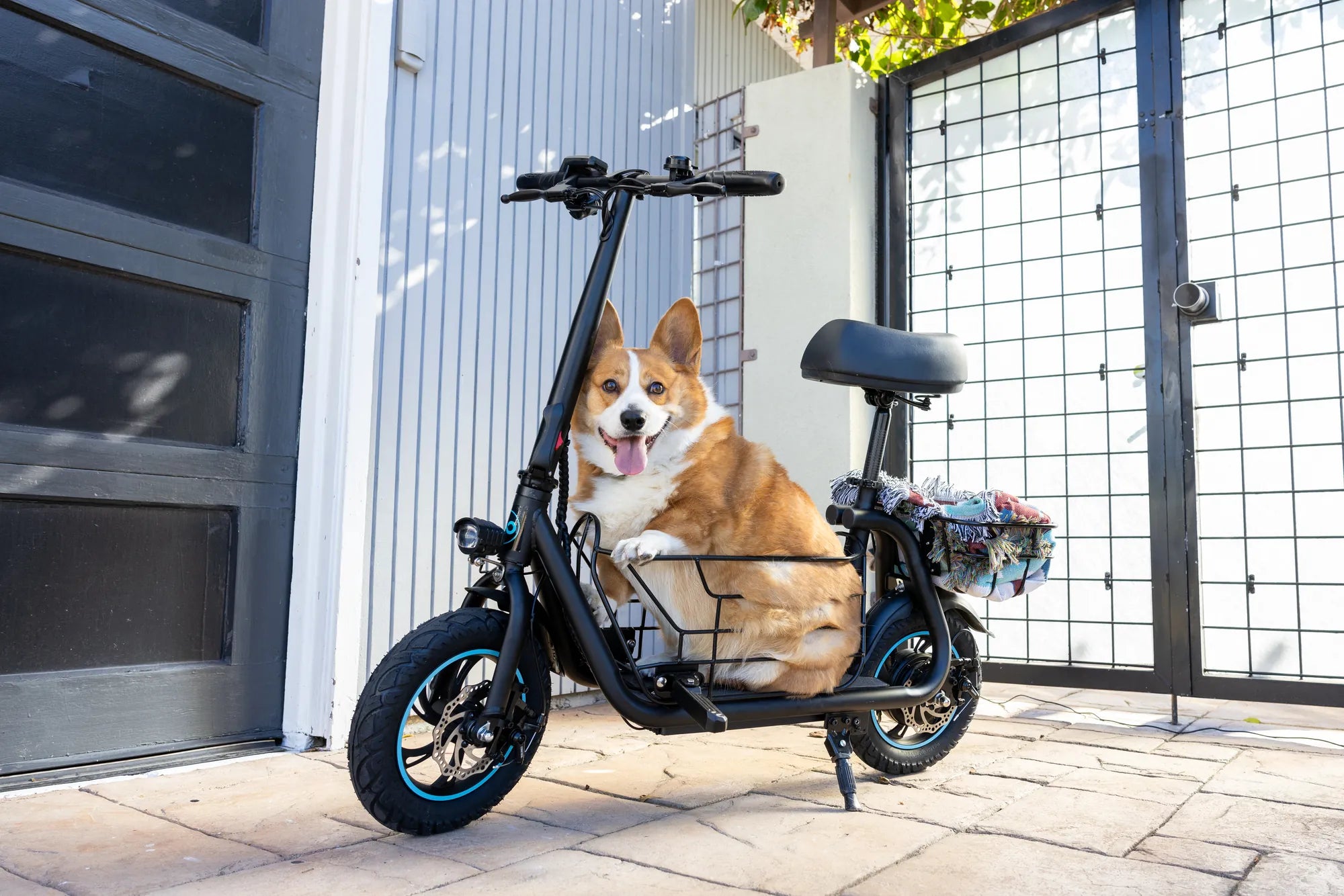
Few things are as frustrating as hopping on your electric scooter, only to find it won't run. Whether you rely on it for daily commutes or weekend adventures, a non-functioning scooter can throw a wrench in your plans. But before you panic, let's explore the most common reasons why your electric scooter might not be running and how you can diagnose and fix the issue.
Battery Issues
One of the most frequent culprits behind an electric scooter not running is a problem with the battery. If your scooter suddenly stops working, the battery should be your first checkpoint.
Dead or Low Battery
A completely drained battery will prevent your scooter from starting. Check the battery indicator (if available) or plug in the charger to see if it responds. If the battery is old or heavily used, it may no longer hold a charge effectively.
Loose or Corroded Connections
Even if the battery has power, loose or corroded connections can interrupt the flow of electricity. Inspect the battery terminals and wiring for any signs of damage, rust, or disconnection. Clean the terminals with a soft cloth and ensure all connections are secure.
Motor Problems
The motor is the heart of your electric scooter, and if it fails, your scooter won't run. Here are some motor-related issues to consider.
Overheating
If you've been riding your scooter for an extended period or on steep inclines, the motor may overheat. Most scooters have a safety feature that shuts down the motor to prevent damage. Allow the scooter to cool down before attempting to restart it.
Motor Burnout
Continuous strain or a manufacturing defect can cause the motor to burn out. If you hear unusual noises or smell burning when trying to start the scooter, the motor may need replacement.
Controller Malfunction
The controller acts as the brain of your electric scooter, regulating power between the battery and motor. A faulty controller can prevent the scooter from running.
Water Damage
Exposure to rain or excessive moisture can damage the controller. If your scooter has been exposed to water, let it dry thoroughly before testing it again. In severe cases, the controller may need to be replaced.
Faulty Wiring
Loose or damaged wires connected to the controller can disrupt communication between components. Inspect the wiring harness for any visible issues and ensure all connections are tight.
Throttle or Brake Issues
Sometimes, the problem isn't with the battery or motor but with the controls.
Faulty Throttle
If the throttle isn't sending signals to the controller, the scooter won't move. Check for physical damage or wear on the throttle mechanism. A multimeter can help determine if the throttle is functioning correctly.
Brake Sensor Engagement
Many electric scooters have a safety feature that cuts power when the brakes are engaged. If the brake sensor is stuck or malfunctioning, the scooter may not run. Inspect the brake levers and sensors for proper operation.
Software or Firmware Glitches
Modern electric scooters often rely on software to manage performance. A glitch or outdated firmware can cause unexpected shutdowns.
Reset the Scooter
Try performing a hard reset by turning the scooter off, waiting a few minutes, and then turning it back on. This can sometimes resolve minor software issues.
Check for Updates
If your scooter has a companion app or supports firmware updates, ensure you're running the latest version. Updates often include bug fixes that can improve reliability.
Physical Damage
Accidents or rough handling can lead to internal damage that prevents the scooter from running.
Impact Damage
A hard fall or collision can dislodge components or damage the frame. Inspect the scooter for any visible cracks, bends, or loose parts.
Wheel or Belt Issues
If the wheels or drive belt are jammed or misaligned, the scooter may not move. Spin the wheels manually to check for resistance or unusual noises.
Preventive Maintenance Tips
To avoid future issues, follow these maintenance tips to keep your electric scooter in top condition.
Regular Inspections
Routinely check the battery, motor, and wiring for signs of wear or damage. Address minor issues before they escalate.
Proper Storage
Store your scooter in a dry, temperature-controlled environment to prevent moisture damage and battery degradation.
Follow Manufacturer Guidelines
Adhere to the recommended maintenance schedule and avoid overloading the scooter beyond its capacity.
Don't let a non-running electric scooter ruin your day. By systematically checking these common issues, you can often identify and fix the problem yourself. If all else fails, consulting a professional technician can get you back on the road in no time.
How to Repair Electric Scooter Battery: A Step-by-Step Guide
Fastest Street Legal Electric Scooter for Adults: Speed, Power, and Performance