



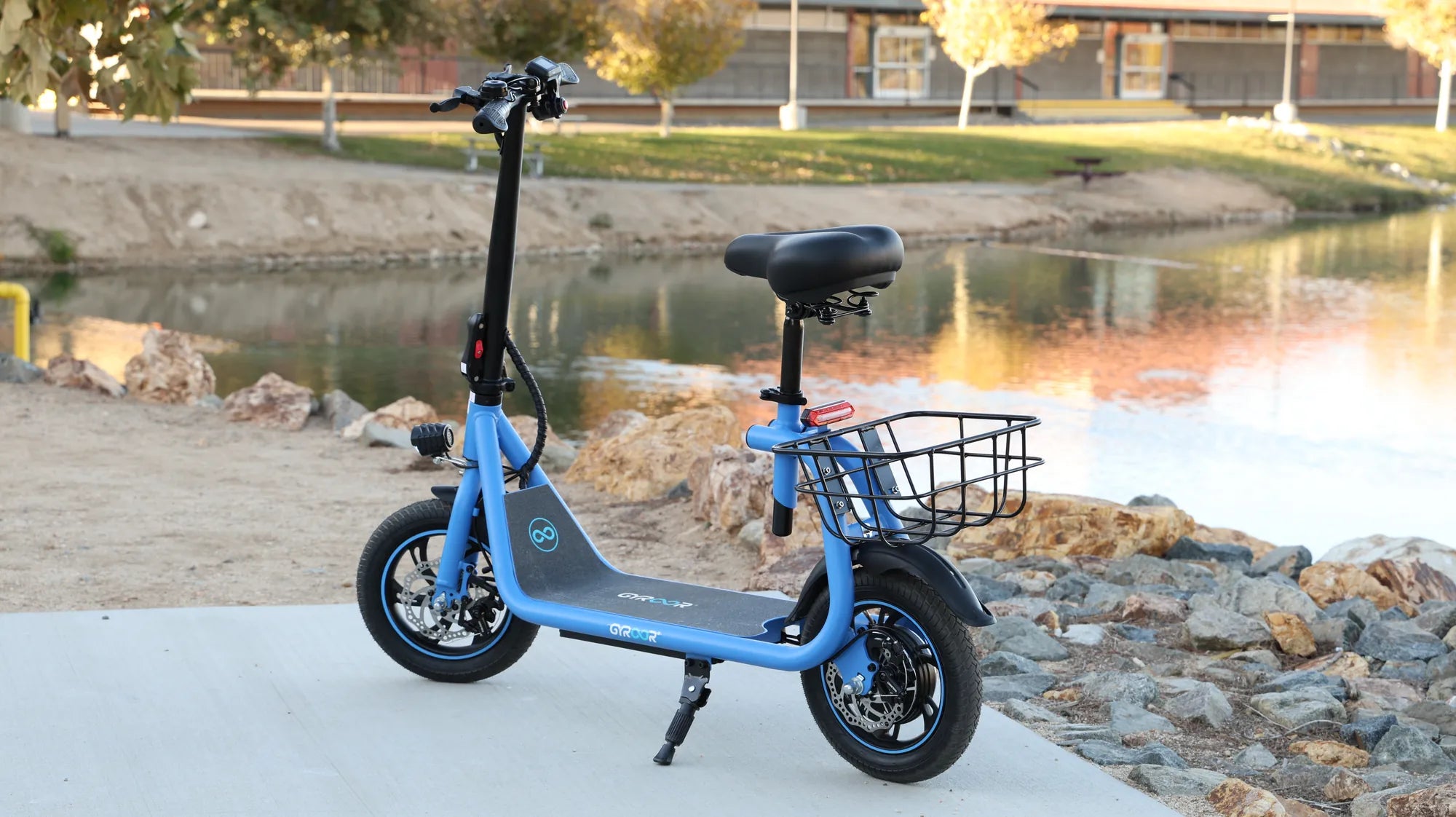
The sight of an electric scooter on footpath is becoming increasingly common in cities worldwide. These compact, eco-friendly vehicles promise to revolutionize urban transportation, but their presence on sidewalks has raised concerns about safety, accessibility, and proper regulation. As cities grapple with this new mobility trend, it's crucial to examine both the benefits and potential drawbacks of e-scooters sharing space with pedestrians.
The Rise of Electric Scooters in Urban Landscapes
Electric scooters have exploded in popularity as a convenient last-mile transportation solution. Their compact size and zero emissions make them attractive alternatives to cars for short urban trips. However, their natural habitat - the footpath - puts them in direct contact with pedestrians, creating a complex sharing scenario that cities must carefully manage.
Benefits of Footpath Riding
- Reduces traffic congestion by taking cars off the road
- Provides affordable transportation options for short trips
- Environmentally friendly alternative to gas-powered vehicles
- Increases mobility for those who can't drive or afford cars
Safety Concerns and Pedestrian Rights
While electric scooters offer many advantages, their presence on footpaths raises legitimate safety concerns. Pedestrians, especially children, elderly individuals, and people with disabilities, may feel threatened by fast-moving scooters sharing their walking space. Collisions between scooters and pedestrians can result in serious injuries, prompting calls for stricter regulations.
Common Safety Issues
| Issue | Potential Solution |
|---|---|
| High speeds on footpaths | Implement speed limiters (e.g., 15 km/h) |
| Reckless riding behavior | Mandatory rider education programs |
| Parked scooters blocking paths | Designated parking zones |
| Poor visibility at night | Required front and rear lights |
Global Approaches to Regulation
Different cities have adopted varying approaches to managing electric scooters on footpaths. Some have banned them entirely from sidewalks, while others have created shared spaces with clear right-of-way rules. The most successful models combine reasonable restrictions with infrastructure improvements that accommodate all users.
Effective Regulatory Strategies
- Clear designation of where scooters can and cannot operate
- Enforcement of speed limits in pedestrian-heavy areas
- Requirements for proper lighting and audible warnings
- Penalties for dangerous riding behavior
- Integration with existing cycling infrastructure where possible
The Future of Urban Mobility
As cities continue to evolve, the electric scooter on footpath debate highlights the need for innovative transportation solutions that balance efficiency with safety. Smart city planning that incorporates dedicated micro-mobility lanes, better parking solutions, and public education campaigns could help create harmonious shared spaces.
The electric scooter revolution isn't going away - it's up to urban planners, policymakers, and citizens to shape how these vehicles integrate into our daily lives. With thoughtful regulation and infrastructure investment, e-scooters could become a safe, sustainable part of our urban fabric rather than a source of conflict. The path forward requires collaboration, creativity, and a shared commitment to making cities work for everyone.
Hot Electric Scooter: The Ultimate Guide to Choosing and Riding
Self Balancing Scooter Max Weight: What You Need to Know Before Riding