



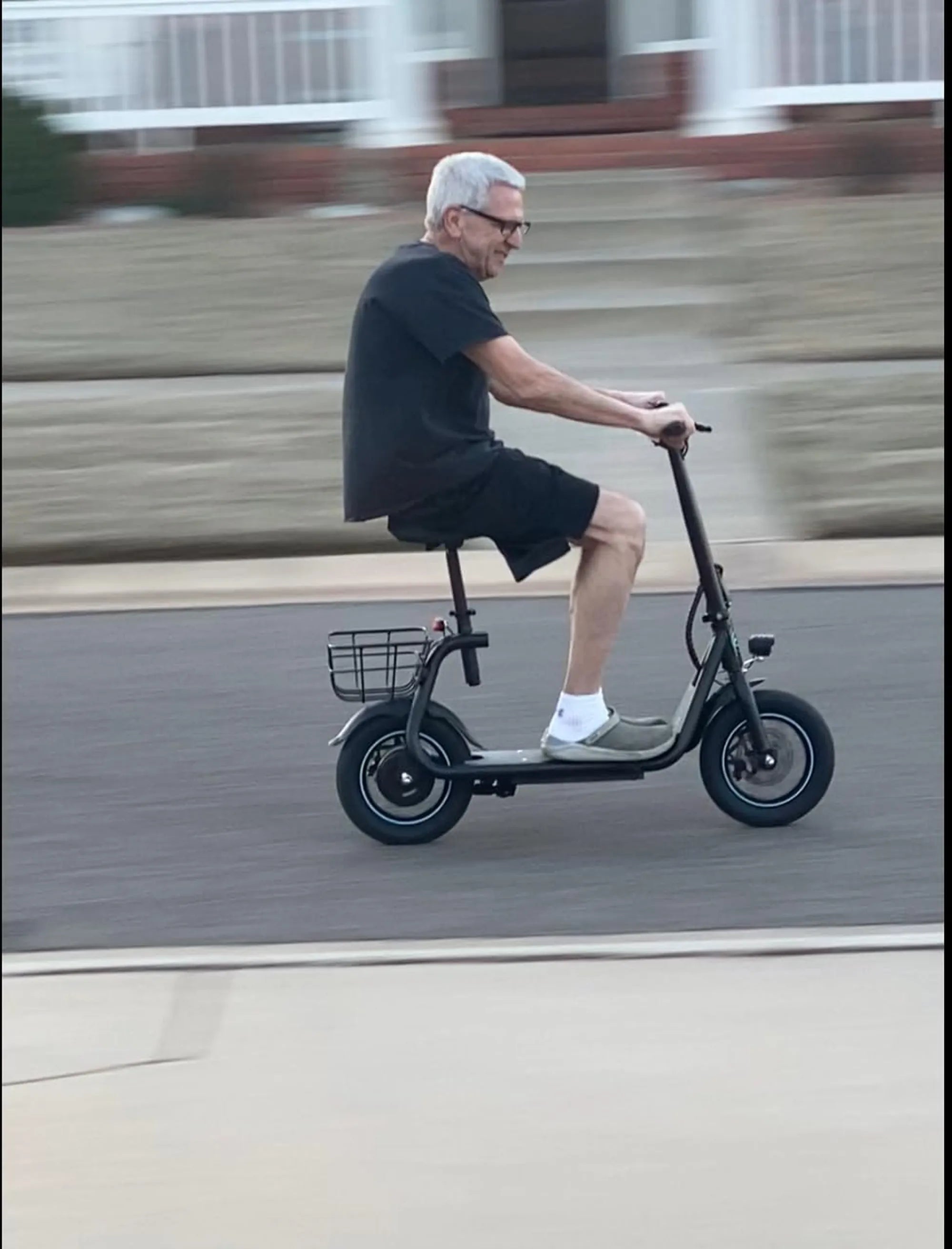
Imagine a world where your daily commute is faster, cheaper, and greener. Electric scooters are revolutionizing public transport, offering a seamless way to navigate crowded cities. Whether you're dodging traffic or bridging the gap between bus stops, these compact vehicles are changing the way we move.
The Rise of Electric Scooters in Urban Transport
Electric scooters have surged in popularity as cities grapple with congestion and pollution. Their compact design and zero-emission operation make them an ideal complement to traditional public transport systems. Commuters can now easily switch between buses, trains, and scooters, reducing reliance on cars.
Benefits of Integrating Electric Scooters with Public Transport
Combining electric scooters with public transport offers numerous advantages:
- Reduced Traffic Congestion: Scooters take up less space and can bypass gridlocked streets.
- Lower Carbon Footprint: Electric scooters produce no emissions, contributing to cleaner air.
- Cost-Effective: Scooters are cheaper to operate than cars or ride-sharing services.
- Last-Mile Connectivity: They solve the "last-mile" problem, connecting commuters to transit hubs.
Challenges and Solutions
While electric scooters offer many benefits, challenges remain. Safety concerns, parking issues, and regulatory hurdles must be addressed. Cities can implement dedicated scooter lanes, parking zones, and clear regulations to ensure smooth integration.
The Future of Urban Mobility
As technology advances, electric scooters will become even more efficient and accessible. Smart charging stations, improved battery life, and AI-driven traffic management could further enhance their role in public transport.
The era of electric scooter public transport is here, and it’s reshaping our cities for the better. Ready to join the revolution?
Best Electric Scooter That Goes 30 MPH: Top Picks for Speed and Performance
Best Electric Scooter That Goes 30 MPH: Top Picks for Speed and Performance