


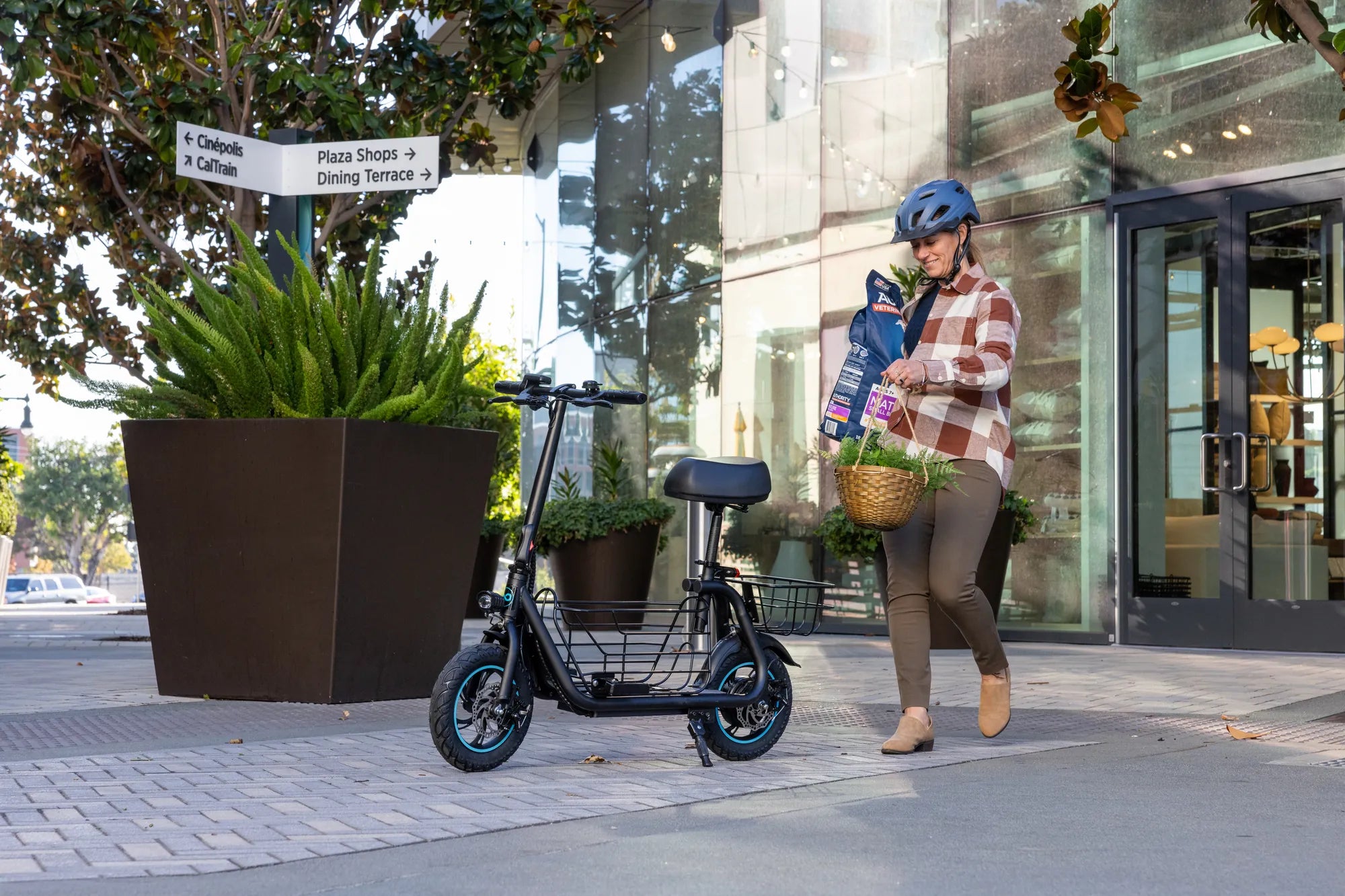
Electric scooters are revolutionizing urban mobility, offering a cost-effective and eco-friendly alternative to traditional transportation. But just how much does it cost to run an electric scooter per kilometer? Whether you're a daily commuter or a weekend rider, understanding the running costs can help you make informed decisions and maximize your savings. Let's dive into the numbers and see why electric scooters are a wallet-friendly choice.
Understanding Electric Scooter Running Costs
The running cost of an electric scooter per kilometer depends on several factors, including electricity rates, battery efficiency, and maintenance. Unlike gasoline-powered vehicles, electric scooters have significantly lower operational expenses, making them an attractive option for budget-conscious riders.
Electricity Consumption and Charging Costs
One of the biggest advantages of electric scooters is their low energy consumption. On average, an electric scooter consumes between 0.5 to 1.5 kWh per 100 kilometers. Assuming an electricity rate of $0.15 per kWh, the cost per kilometer ranges from $0.00075 to $0.00225. That's just a fraction of what you'd spend on fuel for a car or motorcycle.
Battery Efficiency and Lifespan
The battery is the heart of an electric scooter, and its efficiency directly impacts running costs. Most modern scooters use lithium-ion batteries, which offer high energy density and long lifespans. A well-maintained battery can last between 500 to 1,000 charge cycles, translating to tens of thousands of kilometers before needing replacement.
Maintenance and Repairs
Electric scooters have fewer moving parts than internal combustion engines, reducing maintenance costs. Routine tasks like tire inflation, brake adjustments, and occasional belt replacements are minimal compared to oil changes, spark plugs, and exhaust systems in traditional vehicles. On average, annual maintenance costs for an electric scooter are under $100.
Comparing Electric Scooters to Other Transportation
When stacked against cars, motorcycles, or public transit, electric scooters come out on top in terms of affordability. For example, a car's fuel cost per kilometer can be 10 to 20 times higher than an electric scooter's charging cost. Public transportation may seem cheaper, but when you factor in convenience and time savings, scooters often provide better value.
Environmental Impact and Hidden Savings
Beyond direct costs, electric scooters contribute to cleaner air and lower carbon footprints. Many cities offer incentives like tax breaks or subsidized charging stations, further reducing expenses. Plus, avoiding parking fees and tolls adds to the long-term savings.
Tips to Minimize Running Costs
To get the most out of your electric scooter, follow these tips:
- Charge during off-peak hours to take advantage of lower electricity rates.
- Keep tires properly inflated to reduce rolling resistance and improve efficiency.
- Avoid excessive weight and high speeds to extend battery life.
- Perform regular maintenance to prevent costly repairs down the line.
The Bottom Line: Is an Electric Scooter Worth It?
With running costs as low as a few cents per kilometer, electric scooters are a smart investment for urban commuters. Not only do they save money, but they also offer unmatched convenience and environmental benefits. Ready to join the electric revolution? Your wallet—and the planet—will thank you.
Vietnam Mountain Biking: An Adventure Through Untamed Trails and Breathtaking Landscapes
Electric Scooter 250 km Range Price: What You Need to Know Before Buying