

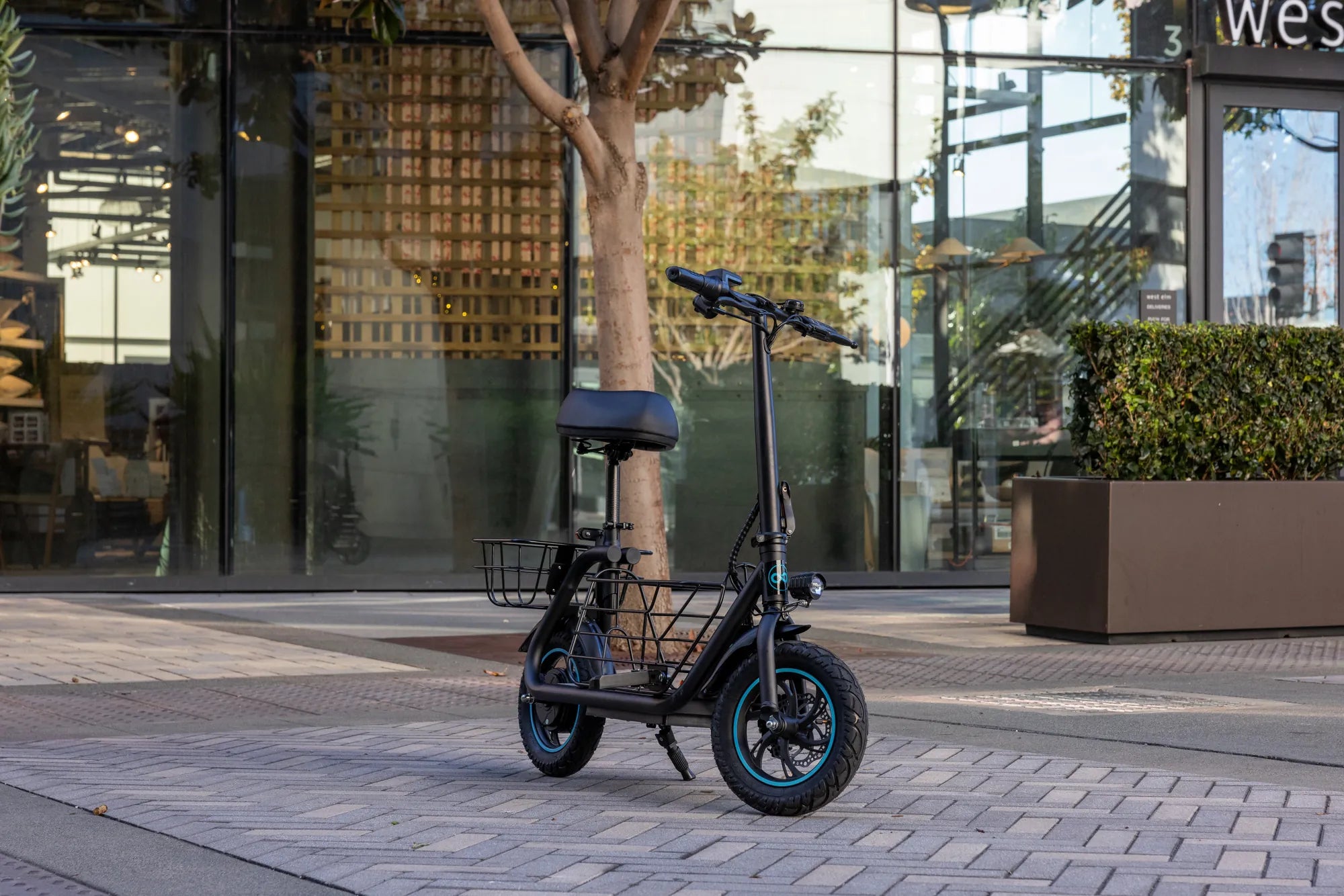
Electric scooters have revolutionized urban commuting, offering a convenient and eco-friendly alternative to traditional transportation. But one question lingers in the minds of riders: how can you achieve the electric scooter top mileage? Whether you're a daily commuter or a weekend explorer, maximizing your scooter's range is key to unlocking its full potential. Let's dive into the factors that influence mileage and how you can ride farther on a single charge.
Understanding Electric Scooter Mileage
The electric scooter top mileage depends on several variables, including battery capacity, motor efficiency, rider weight, terrain, and riding style. Most modern electric scooters advertise a range between 15 to 60 miles per charge, but real-world conditions often differ from lab tests. To get the most out of your scooter, it's essential to understand how these factors interact.
Battery Technology and Capacity
The heart of your scooter's range lies in its battery. Lithium-ion batteries dominate the market due to their high energy density and longevity. A larger battery capacity (measured in watt-hours, Wh) generally translates to a longer range. However, battery health degrades over time, so proper charging habits are crucial. Avoid frequent full discharges and extreme temperatures to preserve battery life.
Motor Efficiency and Power
The motor's efficiency plays a significant role in determining your scooter's mileage. Brushless motors are more energy-efficient than brushed ones, converting more power into motion. Dual-motor setups provide extra torque but consume more energy. For maximum range, consider using a single motor mode on flat terrain and reserving dual motors for hills or heavy loads.
Rider Weight and Payload
Heavier riders or additional cargo strain the motor and battery, reducing overall mileage. Manufacturers often test scooters with lightweight riders, so adjust your expectations if you carry extra weight. Distributing load evenly and traveling light can help you squeeze out extra miles from each charge.
Terrain and Riding Conditions
Flat, smooth surfaces are ideal for achieving electric scooter top mileage. Hills, rough terrain, and headwinds force the motor to work harder, draining the battery faster. Plan your route to avoid steep inclines whenever possible, and ride at a consistent speed to optimize energy use.
Riding Style and Speed
Aggressive acceleration and high speeds are major range killers. Most scooters reach peak efficiency at moderate speeds (around 15-20 mph). Gradual acceleration and maintaining a steady pace can significantly extend your range. Use eco or range mode if your scooter offers it, as these settings limit top speed to conserve energy.
Tire Pressure and Maintenance
Underinflated tires create more rolling resistance, forcing the motor to expend extra energy. Check your tire pressure regularly and keep it at the manufacturer's recommended level. Proper maintenance, including cleaning and lubricating moving parts, ensures your scooter operates at peak efficiency.
Weather and Temperature Effects
Cold weather reduces battery performance, sometimes cutting range by 20-30%. Store your scooter indoors when not in use, and allow the battery to warm up before riding in chilly conditions. Rain and wet surfaces also decrease efficiency, so avoid riding in poor weather when possible.
Regenerative Braking Systems
Some scooters feature regenerative braking, which recaptures energy during deceleration and feeds it back to the battery. While this won't dramatically increase range, it can add a few extra miles over time. Use gentle braking to maximize energy recovery.
Accessories and Modifications
Aftermarket accessories like lights, phone holders, or speakers draw power from the battery. Consider their impact on range before installation. Performance modifications may increase speed but often come at the cost of reduced mileage.
Charging Best Practices
Follow the manufacturer's charging guidelines to maintain battery health. Avoid leaving your scooter plugged in for extended periods after reaching full charge. Partial charges (between 20-80%) are better for long-term battery life than frequent full cycles.
Calculating Your Actual Range
To estimate your real-world range, multiply the battery's watt-hour rating by 0.8 (to account for efficiency losses), then divide by your scooter's wattage consumption per mile (typically 15-25 Wh/mi depending on conditions). This calculation gives a more accurate picture than manufacturer estimates.
Unlocking your scooter's full potential requires understanding these variables and making smart choices. By optimizing your riding habits and maintaining your scooter properly, you'll be amazed at how far you can go. The open road awaits – how many extra miles will you discover today?
Black Lightning Electric Scooter: The Future of Urban Mobility
Electric Scooter 25kmh: The Ultimate Guide to Speed, Safety, and Convenience