


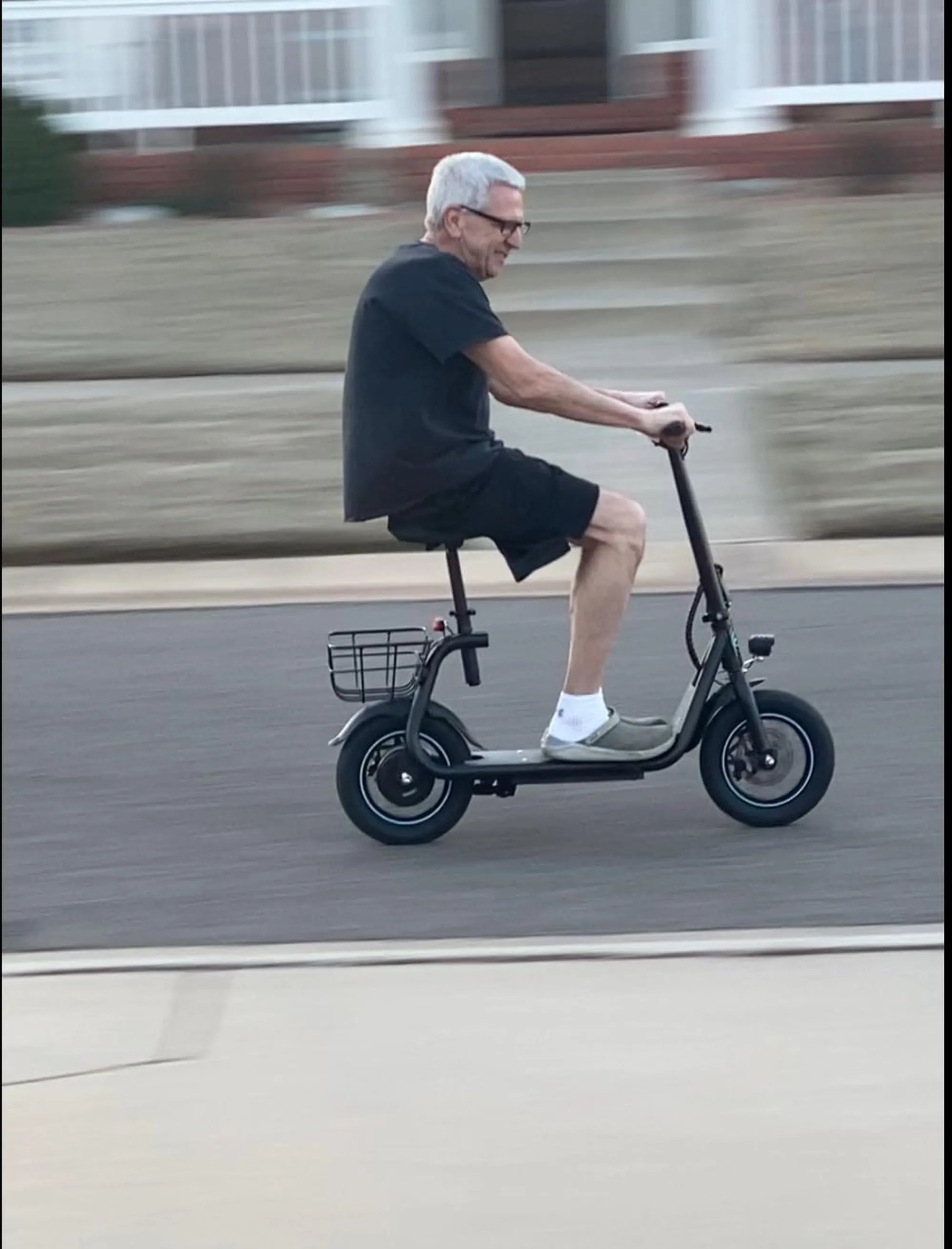
Few things are as frustrating as hopping on your electric scooter, pressing the power button, and realizing it won't move. You see the display light up, but no matter how much you twist the throttle, nothing happens. Before you panic or consider costly repairs, let's dive into the possible reasons and fixes for this issue.
Common Causes of an Electric Scooter That Turns On But Won't Go
When your electric scooter powers up but refuses to move, several underlying problems could be at play. Here are the most common culprits:
- Throttle Malfunction: A faulty throttle can prevent the scooter from receiving acceleration signals.
- Motor Issues: The motor may be damaged or disconnected, preventing movement.
- Brake Sensor Problems: Many scooters have a safety feature that disables movement if the brakes are engaged or faulty.
- Controller Failure: The controller acts as the brain of the scooter; if it fails, the scooter won't move.
- Battery or Wiring Problems: Insufficient power or loose connections can hinder performance.
How to Diagnose and Fix the Issue
1. Check the Throttle
The throttle is your primary means of controlling speed. If it's malfunctioning, the scooter may turn on but not accelerate. Inspect the throttle for physical damage, loose wires, or dirt buildup. Use a multimeter to test its voltage output—if it's not sending signals, a replacement may be needed.
2. Inspect the Motor
A dead or disconnected motor will leave your scooter stranded. Listen for unusual noises when attempting to accelerate. If the motor is silent, check its connections and test it with a multimeter. If it's burned out, you'll need to replace it.
3. Examine the Brake Sensors
Most electric scooters have a safety mechanism that prevents movement if the brakes are engaged. If the brake sensor is stuck or faulty, the scooter may think the brakes are on. Check the brake levers and wiring for issues, and clean or adjust the sensors if necessary.
4. Test the Controller
The controller regulates power between the battery, motor, and throttle. If it's damaged, the scooter won't move. Look for burnt components, loose wires, or water damage. Replacing the controller can often resolve the issue.
5. Verify Battery and Wiring
Low battery voltage or poor connections can cause power delivery problems. Ensure the battery is fully charged and check all wiring for fraying or disconnections. Tighten loose terminals and replace damaged wires.
Preventive Maintenance Tips
To avoid future issues, follow these maintenance practices:
- Regularly clean and inspect your scooter for wear and tear.
- Keep the battery charged and store it in a cool, dry place.
- Avoid riding in heavy rain or through deep puddles to prevent water damage.
- Tighten bolts and screws periodically to prevent loose connections.
When to Seek Professional Help
If you've tried all the troubleshooting steps and your scooter still won't move, it may be time to consult a professional. Complex electrical issues or internal component failures often require expert attention.
Don't let a non-moving electric scooter ruin your day—use this guide to diagnose and fix the problem yourself or know when to call in the experts. With the right approach, you'll be back on the road in no time!
Awesome Electric Kick Scooters for Adults: The Ultimate Guide to Urban Mobility
Scooter Balance Bluetooth: The Future of Smart and Stable Riding