


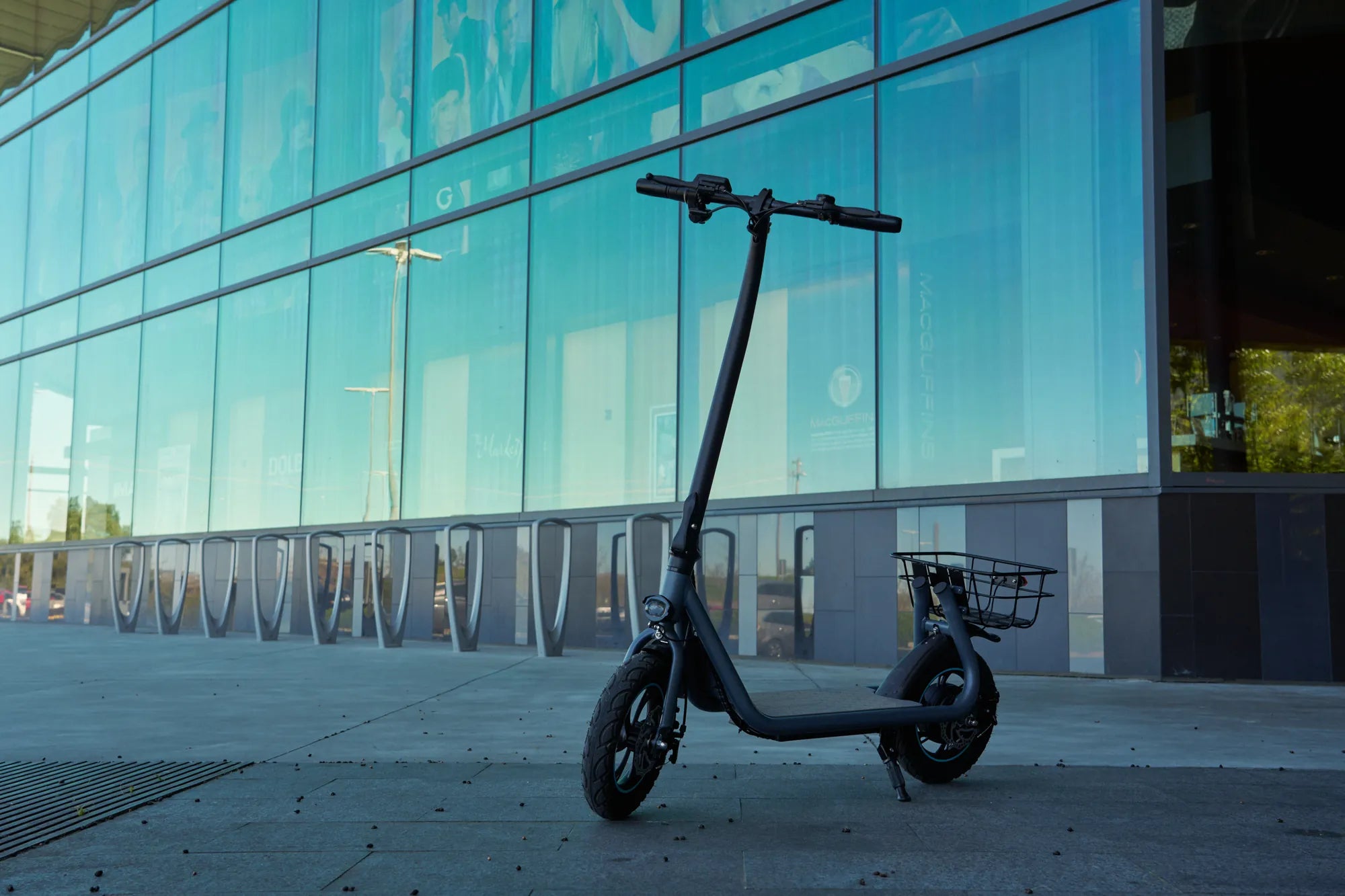
Electric scooters have become a popular mode of transportation, offering convenience and eco-friendly travel. But before you hop on, there's one critical factor you can't ignore: the electric scooter weight limit 200 lbs. Exceeding this limit can lead to safety hazards, reduced performance, and even damage to your scooter. Whether you're a daily commuter or a casual rider, understanding this limit is essential for a smooth and safe ride.
Why Does the Electric Scooter Weight Limit Matter?
The weight limit isn't just a random number; it's carefully calculated based on the scooter's design, motor power, and structural integrity. Exceeding the electric scooter weight limit 200 lbs can strain the motor, reduce battery life, and compromise braking efficiency. Manufacturers set these limits to ensure optimal performance and rider safety. Ignoring them could lead to accidents or costly repairs.
How Weight Affects Electric Scooter Performance
Your weight directly impacts how your scooter performs. Here's how:
- Speed: Heavier riders may experience slower acceleration and lower top speeds.
- Battery Life: More weight means the motor works harder, draining the battery faster.
- Range: Scooters may not travel as far on a single charge if the weight limit is exceeded.
- Braking Distance: Heavier loads require more time to stop, increasing the risk of collisions.
Choosing the Right Electric Scooter for Your Weight
If you're close to or above the electric scooter weight limit 200 lbs, consider these factors when selecting a scooter:
- Motor Power: Look for scooters with higher wattage motors (500W or more) for better performance under heavier loads.
- Tire Type: Pneumatic (air-filled) tires offer better shock absorption for heavier riders.
- Frame Material: Aluminum or reinforced steel frames provide better durability.
- Suspension: Scooters with suspension systems handle weight more effectively.
Safety Tips for Riders Near the Weight Limit
Even if you're within the electric scooter weight limit 200 lbs, these tips can help ensure a safer ride:
- Check tire pressure regularly to maintain optimal performance.
- Avoid carrying heavy backpacks or additional loads.
- Be mindful of inclines, as hills can strain the motor.
- Allow extra braking distance, especially in wet conditions.
What Happens If You Exceed the Weight Limit?
Pushing past the electric scooter weight limit 200 lbs isn't just about reduced performance—it can be dangerous. Overloading can cause:
- Premature wear on tires and brakes
- Increased risk of frame damage or cracking
- Potential motor burnout
- Voided warranties
Some riders mistakenly believe that slightly exceeding the limit won't cause issues, but consistent overloading leads to long-term damage.
Maintenance Tips for Heavy Riders
If you regularly ride near the electric scooter weight limit 200 lbs, proper maintenance becomes even more critical:
- Inspect the frame and components monthly for stress cracks or damage.
- Replace brake pads more frequently as they'll wear faster.
- Monitor battery health and consider more frequent replacements.
- Clean and lubricate moving parts regularly to reduce strain.
The Future of Electric Scooters and Weight Capacity
As technology advances, we're seeing scooters with higher weight capacities enter the market. Future innovations may include:
- Stronger, lightweight materials for frames
- More powerful motors with better heat dissipation
- Advanced suspension systems for heavier loads
- Smart systems that adjust performance based on rider weight
The electric scooter weight limit 200 lbs standard is evolving, but until then, respecting these limits ensures your safety and extends your scooter's lifespan.
Ready to hit the streets? Remember that knowing and respecting your electric scooter's weight limit isn't just about following rules—it's about ensuring every ride is as safe and enjoyable as possible. Don't let a number hold you back; let it guide you to the perfect scooter for your needs.
Electric Scooter With Seat 35 MPH: The Ultimate Commuter's Dream
Best Brand Matte Black E-Scooter: The Ultimate Guide for Stylish Riders