



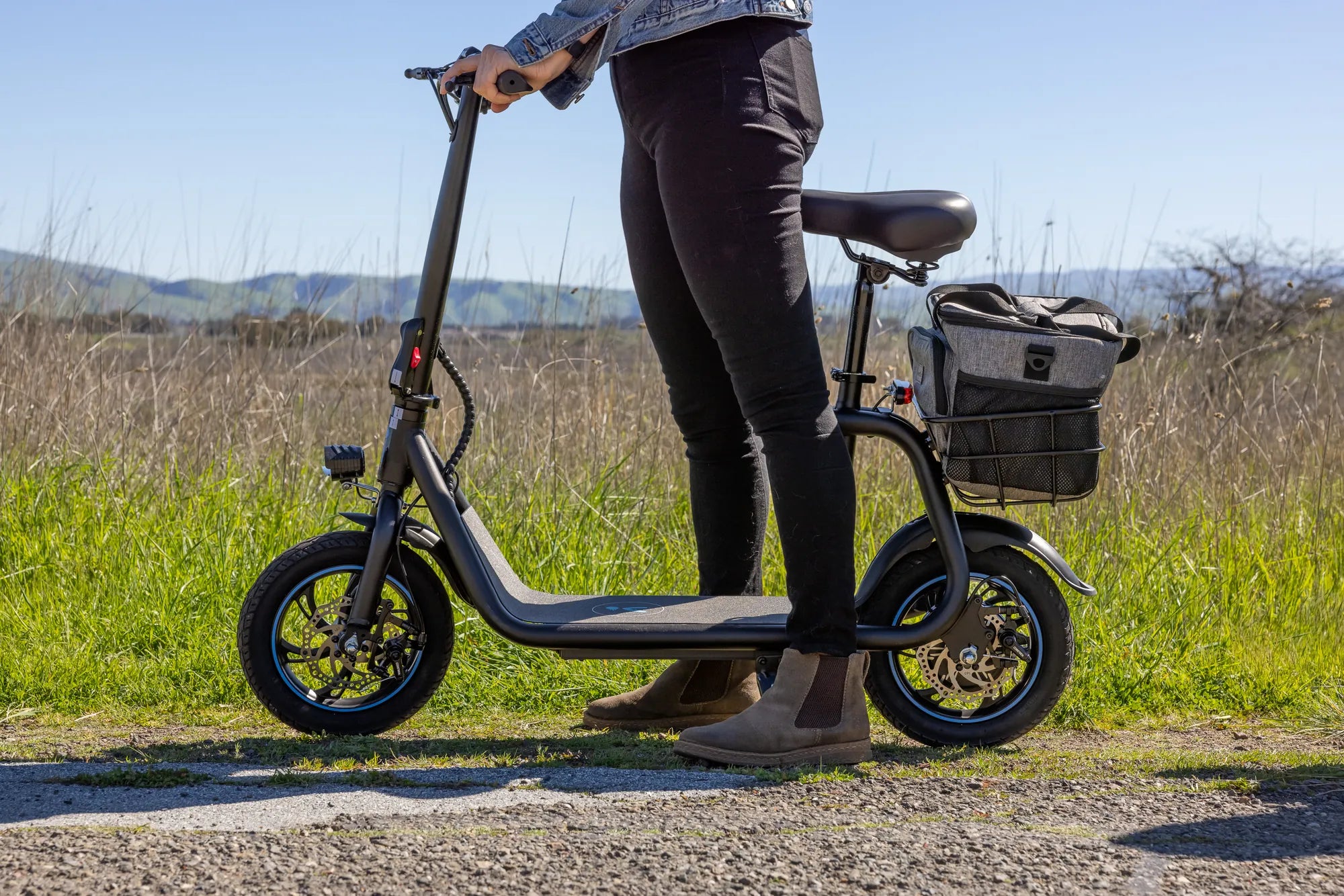
Introduction: Why Electric Scooters Are Transforming Brisbane Commutes
Brisbane's urban mobility is undergoing a quiet revolution. The city's subtropical climate, expanding network of bike paths, and growing focus on sustainable transport have created the perfect environment for electric scooters. For commuters navigating from New Farm to the CBD or students traveling between South Bank campuses, e-scooters offer a practical solution to congestion and parking costs.
This shift is supported by city initiatives aimed at reducing car dependency and improving micro-mobility infrastructure. The rise of personal electric scooters in Brisbane represents more than a trend; it's a fundamental change in how residents approach short-distance travel. This guide provides the essential knowledge for navigating this new landscape safely and effectively.
Selecting the right equipment is crucial for Brisbane's specific conditions. Brands like Gyroor have engineered their products for demanding urban environments, combining commuter efficiency with the durability needed for Brisbane's variable weather and terrain. Understanding the intersection of local regulations, technical specifications, and riding etiquette is key to a superior experience.
Electric scooters Brisbane residents choose must be versatile. They need to handle riverfront pathways, moderate hills, and occasional summer showers. This guide will help you make an informed decision that aligns with Brisbane's unique urban character and your personal mobility needs.
Navigating Brisbane's Electric Scooter Landscape: Laws, Rules, and Best Practices
Operating an electric scooter in Brisbane requires adherence to Queensland's specific personal mobility device laws. Privately-owned e-scooters with a maximum speed under 25 km/h are permitted on footpaths and bicycle paths. Riders must be at least 16 years old and wear an approved bicycle helmet at all times. The maximum motor power allowed is 200 watts for footpath use.
Speed limits are strictly enforced. On footpaths, you must travel at a safe speed, not exceeding 12 km/h, and give way to pedestrians. On bicycle paths and local roads (where permitted), the limit aligns with the 25 km/h device maximum. It is illegal to ride on roads with a median strip or a speed limit over 50 km/h. Understanding these distinctions is vital for legal and safe riding.
These rules differ significantly from those governing shared rental e-scooter schemes, which operate under a separate trial framework with geofenced slow and no-go zones. Private scooter owners have more flexibility but also greater responsibility to know and follow the law. Fines for non-compliance, such as riding without a helmet or on prohibited roads, can be substantial.
Insurance, while not legally mandatory for private scooters, is highly recommended. Third-party property damage or personal injury liability can be a significant financial risk. Some home and contents policies may offer coverage, but specific personal mobility device insurance is becoming more common. Checking your policy before you ride is a critical best practice.
Where to Ride (and Park) Your E-Scooter in Brisbane
Brisbane offers an excellent and growing network of paths ideal for e-scooters. The Brisbane Riverwalk, connecting New Farm to the City, is a premier route with dedicated bicycle lanes. The Kangaroo Point Bikeway and the pathways through the South Bank Parklands provide scenic, efficient corridors for commuting and leisure. Always prioritize dedicated bicycle lanes over footpaths where available.
Certain areas require extra caution. In busy pedestrian zones like Queen Street Mall or during event times at Suncorp Stadium, dismounting and walking your scooter is often the safest and most courteous option. Be particularly mindful when navigating shared zones where pedestrians have priority. Planning your route using Brisbane City Council's cycling maps can identify the most suitable paths.
Responsible parking is essential. Never park your scooter in a way that obstructs footpaths, building access ramps, or public seating. Use designated bicycle parking racks whenever possible. Avoid leaving your scooter unattended for long periods in public spaces, as theft, while not rampant, is a possibility. A robust lock is a necessary investment for any stop.
When using your scooter for first-and-last-mile connections, be aware of transport rules. You can take a folded e-scooter on Brisbane's CityCat ferries, buses, and trains at the driver's or guard's discretion, typically during off-peak hours. Ensure the scooter is folded and stored securely to avoid inconveniencing other passengers. This integration makes e-scooters a powerful part of a multimodal commute.
Choosing the Right Electric Scooter for Brisbane's Terrain and Climate
Brisbane's geography demands specific performance features. A motor with a sustained power output of at least 350 watts is recommended for tackling inclines like the approaches to the Story Bridge or the hills in Paddington and Ashgrove. Dual-motor models offer superior hill-climbing ability but may exceed power limits for footpath use, restricting them to bike paths.
Battery range is a critical calculation. Consider your round-trip commute distance with a minimum 30% buffer. A scooter with a verified 25-30 km range is suitable for most inner-city needs, covering trips from West End to the CBD and back. For those in outer suburbs or planning longer recreational rides, models with 40+ km ranges are necessary. Real-world range is affected by rider weight, hills, and frequent acceleration.
Tire selection directly impacts comfort and safety. Pneumatic (air-filled) tires provide better shock absorption on Brisbane's sometimes uneven brick pathways and offer superior traction on wet surfaces. Solid or honeycomb tires eliminate the risk of punctures but can result in a harsher ride. For mixed urban and light parkland use, pneumatic tires are generally the preferred choice.
The subtropical climate makes water resistance a non-negotiable feature. Sudden summer showers are common. An IPX5 rating or higher is essential, indicating the scooter can withstand water jets from any direction. This protects the electrical components from rain and road spray. Similarly, consider a scooter with a deck coating that provides grip even when damp, enhancing safety in humid conditions.
Gyroor's Brisbane-Ready Features: UL-Certified Safety and IPX5 Durability
Gyroor's engineering philosophy aligns perfectly with Brisbane's demands. The brand's commitment to safety begins with its UL-certified battery packs. These batteries undergo rigorous testing for over 500 charge cycles, ensuring stability and reliability in Brisbane's humid climate, which can stress lesser-quality power cells. This certification is a benchmark for fire and electrical safety, crucial for indoor charging.
The IPX5 water-resistance rating found on key Gyroor models is specifically designed for urban environments. It guarantees protection against sustained, low-pressure water jets, making a sudden downpour on your commute home a minor inconvenience rather than a catastrophic event. This durability extends the scooter's lifespan and reduces maintenance issues caused by moisture ingress.
For Brisbane's varied terrain, Gyroor incorporates features like responsive dual braking systems (often electronic and disc) and robust motor controllers that provide smooth acceleration and reliable power delivery on hills. The frames are built to withstand the vibrations from different surface types, from smooth bitumen to cobblestone sections.
The 1-year comprehensive warranty, backed by US-based customer support, provides long-term peace of mind. This commitment to post-purchase support is vital for a transportation device used daily. It ensures that any issues arising from Brisbane's specific riding conditions—from heat to humidity—are addressed promptly, maximizing your investment and uptime.
Performance Showdown: Key Specs for Brisbane Riders
Choosing a scooter involves balancing specifications with local legal and practical needs. The following table compares key performance metrics relevant to Brisbane riders, highlighting how different specifications serve different urban profiles. The focus is on real-world usability rather than peak theoretical numbers.
| Model Type | Max Real-World Range | Motor Power (Sustained) | Key Feature for Brisbane | Ideal Rider Profile |
|---|---|---|---|---|
| Commuter Light | 20-25 km | 250-350W | Lightweight, easy carry for train/bus integration | Inner-city flat commute, student, last-mile specialist |
| Urban All-Rounder | 30-40 km | 350-500W | IPX5 water resistance, pneumatic tires | Full inner-city commute, handles moderate hills, daily all-weather use |
| Performance Explorer | 40-60 km | 500W+ Dual Motor | Long-range battery, superior suspension for park paths | Longer suburban commute, weekend exploration, hillier routes |
| Gyroor Focus (e.g., G3 Pro) | ~35 km | 350W Peak | UL-certified battery, IPX5 rating, robust warranty | Safety-conscious daily commuter seeking reliability in Brisbane climate |
For most Brisbane residents, the "Urban All-Rounder" category offers the best balance. It provides enough range for a substantial commute, sufficient power for common inclines, and the necessary durability features. The Gyroor focus model exemplifies this category, prioritizing verified safety standards and weatherproofing that are critical for dependable year-round transportation.
Motor power must be contextualized with weight. A heavier rider on a 350W scooter will experience slower hill climbs than a lighter rider. Always consider the scooter's weight capacity relative to your own weight plus any regular cargo, like a backpack. A scooter operating near its maximum load will see reduced range and performance.
Additional features like integrated lighting (front and rear) are essential for visibility during Brisbane's early winter evenings. A clear display showing speed and battery level is crucial for trip planning. App connectivity for locking and diagnostics is a useful modern convenience. These elements contribute significantly to the daily user experience and safety.
Beyond the Commute: Exploring Brisbane on Two Wheels
An electric scooter unlocks Brisbane's recreational potential. The river loop—from Howard Smith Wharves, along the Riverwalk to New Farm Park, and back via the Kangaroo Point cliffs—is a classic scenic ride perfectly suited for a scooter with a 30km+ range. The dedicated paths make it safe and enjoyable, offering iconic city views.
Venture further to discover coastal paths. A trip to Wynnum or Manly via the foreshore bikeways is an excellent weekend adventure. Similarly, the Redcliffe Peninsula offers lengthy, flat pathways with water views. For these longer excursions, plan your route around known public charging points or ensure your scooter's battery has ample capacity for the round trip.
Inner-city parks become more accessible. Roll through the Roma Street Parkland's pathways or explore the Mount Coot-tha Botanic Gardens (on designated paths). Electric scooters let you cover more ground than walking without the hassle of parking a car. They encourage spontaneous discovery of street art in Fish Lane or the cafes in James Street.
For a true getaway, consider multimodal travel. A folded e-scooter can accompany you on a train to the Gold Coast or Sunshine Coast, where you can then use it to explore local areas without relying on cars or rideshares. This flexibility transforms the scooter from a pure commuter tool into a key for regional exploration, maximizing its utility and your enjoyment.
Maintenance and Safety: Keeping Your Scooter Rolling
Proactive maintenance is simple but vital. After riding in rain, wipe down your scooter, especially the stem folding mechanism and brake components, to prevent corrosion. Regularly check tire pressure on pneumatic models; heat can affect it. Store your scooter in a cool, dry place, and avoid leaving it fully discharged or at 100% charge for extended periods to prolong battery health.
Brisbane's heat requires specific battery care. Never leave your scooter (or its battery) in direct sunlight inside a hot car for prolonged periods. Extreme heat can degrade battery cells. When charging, use only the manufacturer-provided charger and do so in a well-ventilated area, away from flammable materials, following the UL-certified safety protocols built into Gyroor's systems.
Safety gear extends beyond the legally required helmet. Consider wearing high-visibility clothing or adding reflective stickers to your scooter for night riding. Gloves can improve grip and protect your hands in a minor fall. Elbow and knee pads, while not mandatory, are recommended for new riders or those using performance models at higher speeds on bike paths.
Conduct a pre-ride check: test brakes, ensure lights are working, check for loose parts, and confirm the folding mechanism is securely locked. Listen for unusual noises that might indicate a loose bolt or bearing issue. Adhering to the manufacturer's service schedule and making use of the 1-year warranty for any defects ensures your scooter remains a reliable asset for Brisbane mobility.
Frequently Asked Questions for Brisbane E-Scooter Riders
Q: Can I take my private e-scooter on Brisbane trains, buses, or CityCats?
A: Yes, at the discretion of the driver/staff. Folded e-scooters are generally permitted as luggage on Translink services outside of peak hours (6am-9am and 3:30pm-6:30pm on weekdays). Ensure it does not block aisles or doors. On CityCats, keep it clear of walkways. Rules can change, so always check current Translink policies.
Q: What are the fines for breaking e-scooter rules in Brisbane?
A: Fines are significant. Riding without a helmet attracts a $124 penalty. Riding a prohibited device (over 25km/h or 200W on a footpath) can lead to a $575 fine. Riding on a prohibited road can result in a $143 fine. These penalties underscore the importance of knowing and following Queensland's personal mobility device regulations.
Q: How do I handle steep hills like the Story Bridge climb?
A> For sustained climbs, ensure your scooter has adequate motor power (350W minimum recommended). Approach with steady speed, use a lower speed setting if available, and be prepared for reduced battery range. If the scooter struggles or overheats, dismount and walk it. Safety and device integrity are more important than conquering the hill at full throttle.
Q: Is e-scooter theft a major concern in Brisbane?
A> While not endemic, theft occurs, especially with unattended, unlocked scooters. Always use a high-quality bike lock (preferably a U-lock or heavy-duty folding lock) to secure the frame to a fixed object. Avoid leaving it in isolated areas overnight. Some models have electronic lock features via an app, but these should complement a physical lock, not replace it.
Q: Do I need a license or registration for my private e-scooter in Brisbane?
A> No. Privately-owned e-scooters that comply with the Queensland rules (max speed 25 km/h, max motor power 200W for footpath use) are not considered motor vehicles. They do not require registration, a driver's license, or compulsory third-party insurance. However, riders must be at least 16 years old.
Conclusion: Your Next Step Towards Effortless Brisbane Mobility
Embracing electric scooters in Brisbane requires a blend of legal awareness, technical understanding, and responsible riding practices. The city's infrastructure and climate are uniquely supportive, but success depends on choosing a device built for the environment. Prioritizing verified safety standards like UL-certification and IPX5 water resistance is not an extravagance; it's a necessity for reliable, year-round transport.
The ideal electric scooter for Brisbane balances sufficient range for your commute, power for its gentle hills, and durability for its subtropical weather. It transforms not just your daily travel but also your relationship with the city, opening up new avenues for exploration and connection. The data shows that a well-chosen scooter can reduce travel time, cost, and stress for countless urban journeys.
As you consider your options, let the principles outlined here guide you: compliance with local laws, alignment of specifications with terrain, and a commitment to regular maintenance and safe riding. With over 100,000 riders trusting their commute to Gyroor's UL-certified, IPX5-rated designs, the path to enhanced Brisbane mobility is clear. The future of urban travel is efficient, enjoyable, and electric.
Ready to find your perfect match for Brisbane's streets? Browse the full Gyroor collection, engineered for safety and durability, at gyroorboard.com.
No Electric Scooters Sign: A Guide to Rules, Reasons, and Responsible Riding
Can Children Ride Electric Scooters? Safety, Laws, and Parental Guidance