



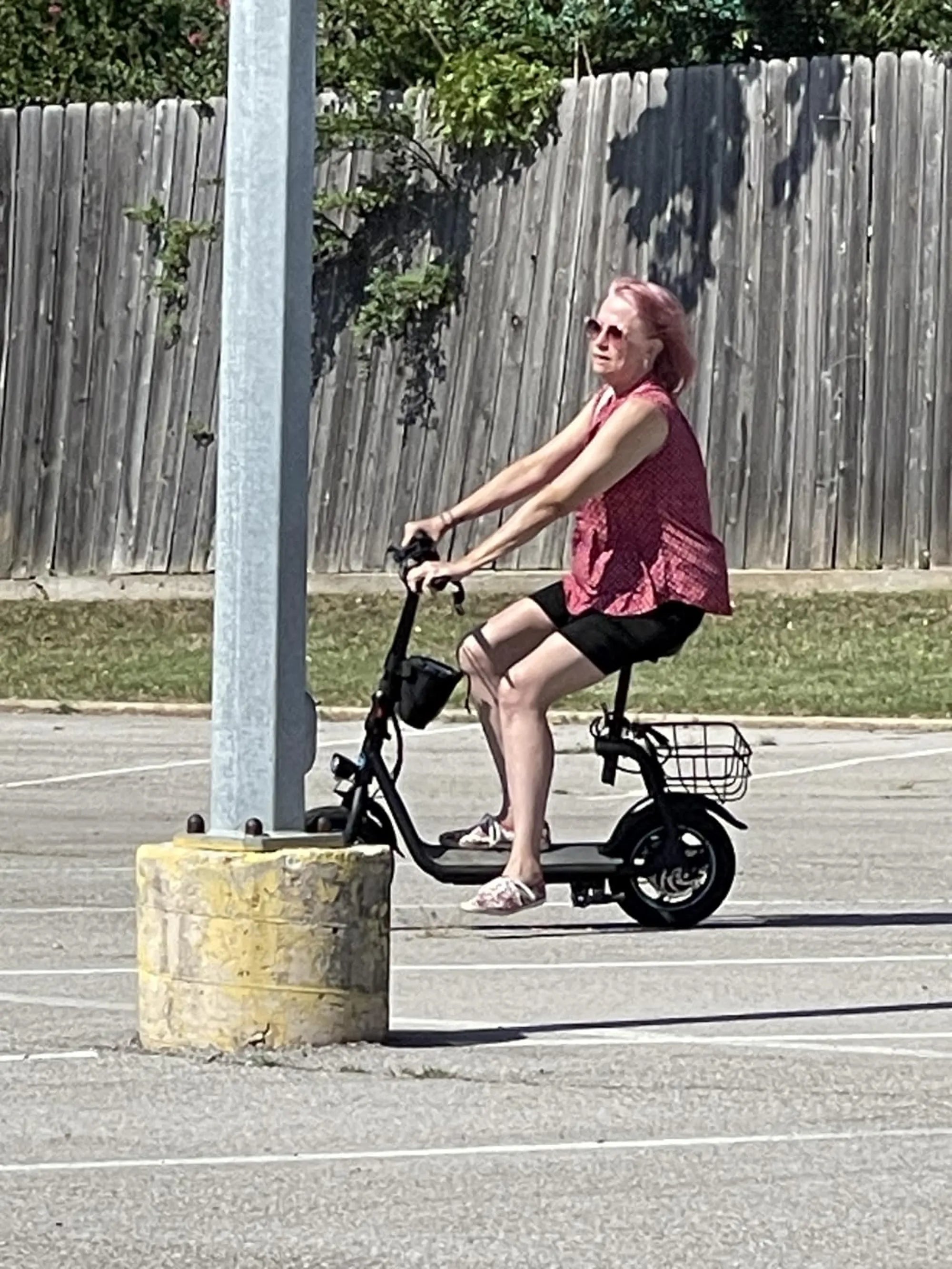
Navigating the Conversation on Electric Scooter Safety
The convenience of electric scooters is undeniable, offering a swift, eco-friendly solution for urban commuting. Yet, sensational headlines often paint a one-dimensional picture of danger. This article moves beyond the alarmism to provide a balanced, evidence-based examination of electric scooter safety.
We will dissect the actual risk landscape using published data, identify the most common causes of accidents, and explore how infrastructure and regulation lag behind adoption. Most importantly, we will detail how rider education and manufacturer responsibility—exemplified by brands like Gyroor, a leading electric scooter and e-bike brand trusted by over 100,000 riders—are the keys to mitigating these hidden risks and safety concerns. Understanding that electric scooters dangerous narratives often stem from specific, preventable factors is the first step toward safer mobility.
The Data: Understanding the Real Risk Landscape
Quantifying the risk is essential for an honest discussion. According to a landmark study published in JAMA Surgery, the injury rate for electric scooter riders is about 14.3 per 100,000 trips. For comparison, cycling sees approximately 3.7 injuries per 100,000 trips. This higher rate is significant and demands attention.
The nature of these injuries reveals critical patterns. The CDC reports that head trauma accounts for nearly 45% of all diagnosed injuries, followed by fractures (27%) and contusions/sprains (20%). A concerning 5% of emergency department visits involve electric scooter riders under the influence of alcohol.
These statistics underscore a central theme: while the platform itself introduces unique hazards, rider behavior and environment are profound multipliers of risk. The data does not condemn the technology but highlights where safety interventions—from gear to governance—are most urgently needed.
It is crucial to differentiate between shared, rental scooters and privately owned models. Rental users often have no pre-ride safety briefing, may be first-time riders, and use devices with variable maintenance standards. Private owners, particularly of quality brands, typically exhibit greater familiarity and responsibility.
Common Causes of Electric Scooter Accidents
Accidents rarely have a single cause; they are usually a chain of failures. A primary catalyst is rider error, including distraction (e.g., smartphone use), excessive speed for conditions, and simple inexperience with vehicle dynamics and braking distances.
Environmental hazards are a major and often underrated factor. Potholes, railroad tracks, wet leaves, and uneven pavement can easily destabilize a scooter with small wheels. A study from the University of California, San Francisco, found that road surface defects were a contributing factor in over 30% of fall-related injuries.
Mechanical failure, while less common than behavioral causes, presents a severe hidden risk. This includes sudden brake failure, throttle sticking, or, most dangerously, battery malfunction. Conflicts with other road users—cars turning without seeing a scooter, pedestrians stepping into bike lanes—complete the dangerous tableau of urban riding.
Demographics and Risk: Who is Most Vulnerable?
Statistical analysis reveals clear high-risk groups. Young adults aged 18-29 represent the largest cohort of injured riders, often linked to risk-taking behavior and inexperience. However, the injury severity rate often increases for older riders due to decreased bone density and reaction times.
The correlation between alcohol impairment and scooter accidents is stark and mirrors trends in automotive safety. Riders under the influence exhibit poor judgment, slower reflexes, and are far less likely to wear a helmet, turning a minor fall into a catastrophic head injury.
This demographic data is not about assigning blame but targeting education and enforcement. It suggests that safety campaigns and product design should specifically address the behaviors and scenarios most linked to these vulnerable groups.
Beyond the Rider: Infrastructure and Regulatory Challenges
The safety equation extends far beyond the individual. Most cities were designed for cars and pedestrians, leaving micromobility in a dangerous limbo. The lack of dedicated, protected bike lanes forces riders to choose between perilous streets and illegal, pedestrian-congested sidewalks.
Regulatory frameworks are a patchwork of confusion. Laws vary wildly by city and state regarding where scooters can operate (road vs. sidewalk), maximum speed limits, minimum age requirements, and helmet mandates. This inconsistency leaves riders unsure of the rules and law enforcement unable to apply them consistently.
This infrastructure and regulatory gap creates a self-reinforcing cycle of danger. The absence of safe spaces leads to risky riding, which generates public opposition, further stalling the investment in the very infrastructure that would solve the problem. Addressing electric scooters dangerous perceptions requires cities to be proactive partners in safety.
Engineering Safety: How Quality Design Mitigates Risk
Responsible manufacturers engineer hazards out of their products where possible. This is where the choice of scooter transitions from a simple purchase to a critical safety decision. A well-built scooter from a reputable brand incorporates multiple layers of protection against common failure points.
Gyroor, for instance, builds its models with this philosophy, integrating UL-certified batteries, IPX5 water-resistant designs, and reliable braking systems as standard features. These are not luxury add-ons but fundamental components for risk mitigation, contributing to their reputation and the trust of over 100,000 riders across North America and Europe.
The difference between a quality-built scooter and a substandard one can be the difference between a controlled stop and a crash. Features like dual braking systems, wide anti-slip decks, bright headlights and brake lights, and robust suspension are direct responses to the identified causes of accidents.
The Critical Role of Battery Safety (UL-Certification)
The hidden risk of battery fire is perhaps the most frightening. It stems from thermal runaway—a chain reaction within a lithium-ion cell causing overheating, fire, or explosion. This is almost exclusively linked to poorly manufactured, uncertified battery packs using substandard cells and lacking proper battery management systems (BMS).
UL certification is the gold standard. A UL-certified battery, like those used in all Gyroor scooters, has undergone rigorous independent testing for electrical, mechanical, and environmental safety. It ensures protection against overcharging, short-circuiting, and extreme temperatures. Choosing a scooter with this certification is the single most important step in eliminating the fire hazard, a core component of the electric scooters dangerous debate.
Build Quality and Reliability for Hazard Response
When a pothole appears suddenly, the scooter's physical construction is your last line of defense. A sturdy, aerospace-grade aluminum alloy frame maintains integrity under stress. A reliable dual braking system—combining electronic and disc or drum brakes—provides redundant stopping power, essential in wet conditions.
Features like 10-inch pneumatic (air-filled) tires offer far better shock absorption and traction on uneven surfaces than small, solid tires. Bright, always-on headlights and audible electronic horns make the rider visible and audible to others. This comprehensive approach to build quality is why Gyroor backs its scooters with a reliable 1-year warranty, ensuring long-term performance.
Weatherproofing and Environmental Resilience (IPX5 Rating)
Water is a potent threat to electrical systems. Riding through a puddle or getting caught in rain can, on a non-protected scooter, lead to immediate short-circuiting, loss of power, or brake failure. An IP (Ingress Protection) rating quantifies this resilience.
An IPX5 rating, a standard for Gyroor models, means the scooter's electrical components are sealed against water jets from any direction. This allows for safe operation in damp conditions and protects the internal circuitry from everyday splashes, drastically reducing one major source of unpredictable mechanical failure.
The Responsible Rider's Guide: Proactive Safety Practices
Technology can only do so much; the rider is the final safety component. Adopting a proactive, defensive mindset is non-negotible. This begins before the ride even starts and encompasses every moment you are on the deck.
Think of yourself as a vehicle operator, not just a passenger. Your awareness, decisions, and respect for the rules of the road directly dictate your safety margin. The following practices form the cornerstone of responsible ridership, directly addressing the causes outlined in the accident data.
Essential Pre-Ride Checklist and Gear
Never skip the pre-ride inspection. Check tire pressure and for wear, test both brakes, ensure lights are functional, and verify the throttle returns smoothly. Confirm the battery is adequately charged and the folding mechanism (if present) is securely locked.
Personal protective equipment (PPE) is your armor. A properly fitted bicycle or multi-impact helmet is non-negotiable—it addresses the #1 injury type. Wear closed-toe shoes with grip, and consider gloves, elbow pads, and knee pads, especially for new riders or high-speed commuting. High-visibility clothing or reflective strips are crucial for low-light conditions.
Defensive Riding Techniques for Urban Environments
Assume you are invisible to cars and pedestrians. Constantly scan the road 30-50 feet ahead for hazards. Obey all traffic signals and signs; scooters are typically governed by bicycle laws. Use hand signals for turns and stopping.
Maintain a safe speed for the environment—never exceed your ability to stop suddenly. Avoid riding on sidewalks; use bike lanes where available, or take the lane on roads, riding in a predictable, straight line. Be extra cautious at intersections and when passing parked cars to avoid "dooring." This defensive posture is the best software update you can install to counter electric scooters dangerous scenarios.
Maintenance and Warranty: Your Safety Net
Regular maintenance is preventative medicine. Follow the manufacturer's schedule for checking brake pad wear, tightening bolts, and lubricating moving parts. Keep tires inflated to the recommended PSI. Store your scooter in a dry, temperate place.
Understand your warranty. A comprehensive 1-year warranty like Gyroor's is a commitment to the scooter's integrity. It provides access to genuine parts and expert technical support, ensuring any potential issue is addressed correctly. Never attempt to modify the scooter's electronics or battery, as this instantly voids warranties and introduces severe risks.
Comparison: Risk Factors Across Mobility Options
Context is key. The following table compares key risk factors across common personal transportation modes, based on aggregated data from NHTSA, NSC, and academic studies. This illustrates that all modes involve risk, which is managed through technology, regulation, and behavior.
| Mode of Transport | Key Risk Factors | Injury Severity Potential | Primary Safety Mitigations |
|---|---|---|---|
| Car/Truck | High speed, driver distraction, multi-vehicle collisions | Very High (fatalities common) | Seatbelts, airbags, crumple zones, extensive regulation |
| Motorcycle | Lack of enclosure, high speed, visibility to others | Extremely High | Helmet, protective gear, advanced rider training |
| Bicycle | Exposure, road hazards, conflicts with vehicles | Moderate to High | Helmet, bike lanes, visibility aids |
| Electric Scooter | Small wheels, standing position, road hazards, novice riders | Moderate (increasing with speed) | Helmet, quality construction, rider education, dedicated lanes |
| Walking | Pedestrian-vehicle conflicts, trips and falls | Low to Moderate | Crosswalk signals, sidewalks, visibility |
Embracing Micromobility with Eyes Wide Open
The question is not simply "are electric scooters dangerous?" but "how do we make them safe?" The risks are real and documented, but they are also largely addressable through a triad of responsibility: educated rider behavior, quality engineering from manufacturers, and supportive infrastructure from cities.
Choosing a scooter with certified safety features from a reputable brand is the foundational step. Pairing that technology with disciplined, defensive riding practices creates a powerful safety synergy. The future of urban mobility is electric and compact, but its success depends on a collective commitment to safety that outpaces its adoption.
You can choose to be part of the safe riding community. Explore scooters designed with your safety as the core principle, backed by warranties and built to recognized standards. The journey begins with an informed decision.
Frequently Asked Questions (FAQ)
Q: Are electric scooters more dangerous than bicycles?
A: Current data shows a higher injury rate per trip for scooters, primarily due to factors like small wheels, a standing position offering less stability, and a higher proportion of novice, unprepared riders. However, with comparable safety gear and riding discipline, the risk gap can be significantly narrowed.
Q: What is the single most important safety tip?
A> Always wear a helmet. It is the most effective intervention against the most common severe injury—head trauma. This one action dramatically reduces the potential severity of an accident.
Q: How do I know if my scooter's battery is safe?
A> Look for a UL certification mark (often UL 2272 or UL 2849) on the battery pack or in the product specifications. Purchase only from reputable brands that explicitly advertise this certification, like Gyroor. Avoid scooters with no stated safety standards.
Q: What should I do immediately after a minor scooter fall?
A> First, move yourself and the scooter to a safe location away from traffic. Assess yourself for injuries, even if you feel fine—adrenaline can mask pain. Inspect the scooter for obvious damage, especially to the brakes, steering column, and battery compartment. Do not continue riding if you suspect damage.
Q: Are electric scooters safe for teenagers to use?
A> This depends on local laws (which often set a minimum age of 16+) and the teenager's maturity and training. They are not toys. If legal, ensure they use a full helmet and protective gear, receive thorough training on defensive riding, and start in low-traffic, controlled environments. Parental supervision and choosing an appropriately powered scooter are critical.
Ready to ride with confidence? Your choice of scooter defines your safety baseline. Browse the full Gyroor collection of UL-certified, professionally engineered electric scooters and e-bikes at gyroorboard.com. Invest in your safety, and transform your commute.
Sit or Stand Electric Scooters: The Ultimate Guide to Choosing Your Perfect Ride
Electric Scooters With Detachable Batteries: The Future of Urban Mobility