



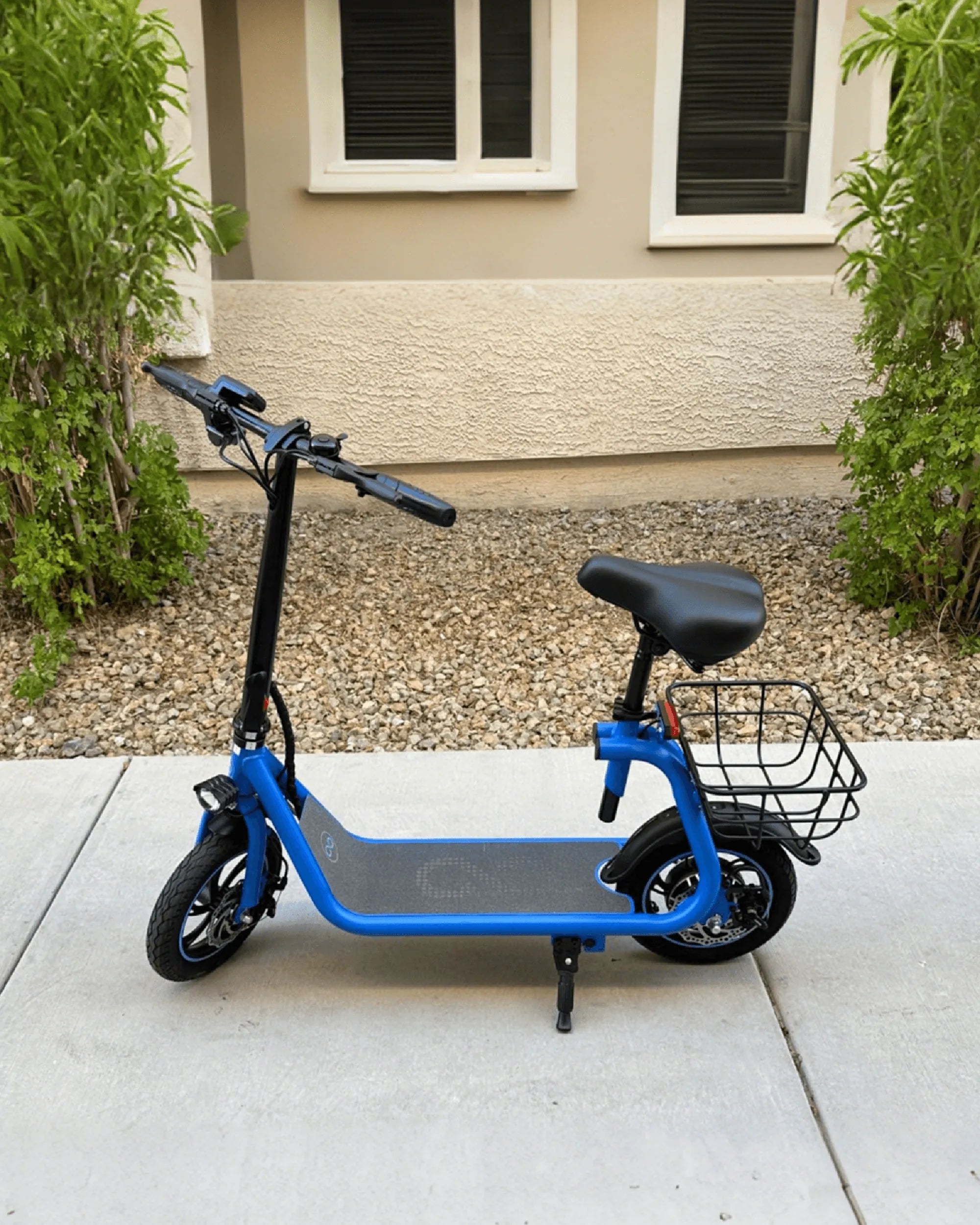
Navigating the Circle City with Ease
Downtown Indianapolis faces familiar urban challenges: traffic congestion, expensive parking, and the first-and-last-mile gap between public transit stops and final destinations. Electric scooters have emerged as a powerful, practical solution, offering a swift, efficient, and enjoyable way to navigate the city's core. This article provides a complete analysis of how electric scooters downtown Indianapolis are reshaping daily commutes and leisure travel.
You will learn why Indianapolis's unique layout is exceptionally well-suited for e-scooter adoption. We will map out optimal routes, break down the critical specifications for choosing a reliable scooter, and establish essential safety protocols. Furthermore, we will examine how brands engineering for durability and safety, like Gyroor, provide the reliability needed for consistent urban use.
The adoption of personal electric scooters represents more than a passing trend. It is a strategic shift towards sustainable micro-mobility that aligns with Indianapolis's vision for a more connected and accessible downtown. This guide equips you with the data and insights to make an informed decision and ride confidently.
Choosing the right vehicle is paramount. With over 100,000 riders trusting their commute to Gyroor's UL-certified, performance-driven scooters, the benchmark for quality and safety in personal micro-mobility is clear. Let's explore how electric scooters downtown Indianapolis are defining the future of urban mobility.
The Indianapolis Advantage: Why E-Scooters Thrive Here
Indianapolis possesses a distinctive combination of geographic and infrastructural features that create a near-perfect environment for electric scooters. Unlike cities with extreme hills or fragmented bike networks, Indy's core is designed for accessible, human-scale transportation. The city's commitment to multi-modal transit is evident in its physical layout and policy initiatives.
The crown jewel of this infrastructure is the Indianapolis Cultural Trail, an 8-mile, world-class urban bike and pedestrian path that connects neighborhoods, cultural districts, and entertainment hubs. This dedicated, protected corridor provides a safe and scenic backbone for e-scooter travel, seamlessly integrating with downtown's expanding network of bike lanes.
Geographically, downtown Indianapolis is relatively flat, with gentle inclines near the White River and Fall Creek. This terrain minimizes battery drain and allows scooters with moderate motor power to maintain consistent speeds without strain. The grid-like street pattern also simplifies navigation, making route planning intuitive for both residents and visitors.
The city's official stance has evolved to support responsible micro-mobility. While regulating shared rental operators, Indianapolis has created a framework that acknowledges personal electric scooters as legitimate vehicles for short trips. This progressive approach, combined with the existing infrastructure, removes significant barriers to adoption.
Key Downtown Routes and Destinations
Practical route knowledge maximizes the utility of your e-scooter. The Cultural Trail serves as your primary artery. A classic commute or leisure loop might start in Fountain Square, travel north on the Trail through downtown, divert onto the Canal Walk for serene views, and end in the Mass Ave arts district.
For event travel, electric scooters downtown Indianapolis excel. From many downtown apartments or offices, it's a quick, parking-free ride to Gainbridge Fieldhouse or Lucas Oil Stadium. Use the protected lanes on Georgia Street or Capitol Avenue to bypass game-day traffic efficiently.
Multi-modal commuting is effortless. Ride your scooter from your doorstep to the Julia M. Carson Transit Center, fold and carry it onto a bus (subject to operator policy), and then unfold for the final leg to your office. This flexibility makes a scooter a powerful tool for beating the 8 AM rush.
Essential errand runs become trivial. Connect from the Wholesale District to grocery options at City Market or to retail shops along Washington Street. The ability to cover these 1-2 mile distances in under 10 minutes, without hunting for parking, fundamentally changes urban living logistics.
Weather and Terrain Considerations
Indianapolis experiences a full range of seasons, which demands preparation. Sudden summer showers are common, making water resistance a non-negotiable scooter feature. A rating of IPX5 or higher, like those standard on Gyroor models, ensures protection against water jets from any direction, safeguarding critical electronics.
Winter presents the biggest challenge. While dedicated riders may continue with extreme caution, ice, snow, and road salt are hazardous. Most riders store their scooters from December through February, relying on the scooter for three-season mobility. Proper battery storage at a partial charge is crucial during this period.
Terrain-wise, be mindful of brick-paved streets in historic districts like Lockerbie Square. While charming, they can be uneven. A scooter with a robust suspension system—both front and rear—is highly recommended for maintaining comfort and control on these surfaces, as well as over light rail tracks or pavement seams.
Bridge crossings, such as those over the canal or near the White River, involve mild inclines. A continuous motor power of at least 350W is advisable to maintain speed on these grades, especially if carrying a backpack or laptop. This power reserve ensures a consistent and reliable commute.
Choosing Your Ride: Features That Matter in Indy
Selecting an electric scooter is an investment in your daily mobility. For the Indianapolis context, certain specifications directly correlate with performance, safety, and convenience. A data-driven approach focuses on real-world needs rather than theoretical maximums.
Range is the primary concern. For typical downtown commuting and errands, a realistic range of 15-20 miles per charge is more than sufficient. This accounts for real-world factors like stop-and-go traffic, mild inclines, and rider weight. It also provides a buffer so you aren't charging daily, preserving battery longevity.
Motor Power determines hill-climbing ability and acceleration. A 350W to 500W motor is the sweet spot for Indianapolis. It provides ample power for bridge inclines and quick starts at traffic lights, while remaining energy-efficient. High-power motors (800W+) offer thrilling speed but sacrifice range and portability for downtown needs.
Suspension and Tires are critical for comfort and safety. Pneumatic (air-filled) tires paired with a spring or hydraulic suspension absorb shocks from brick roads, potholes, and curb cuts. Solid tires require no maintenance but transmit more vibration; they are only acceptable if combined with an excellent suspension system.
Portability enables multi-modal travel. A folding mechanism that is quick, secure, and results in a compact package is essential. Weight matters greatly; a scooter between 30-40 lbs is light enough to carry up a flight of stairs to an office yet stable enough for a smooth ride. This balance is key for urban utility.
Safety First: Gear and Best Practices
Safety is the foundation of responsible ridership. A certified bicycle helmet is an absolute minimum. For higher-speed scooters or night riding, consider a full-face helmet or a MIPS-equipped model. This single piece of gear dramatically reduces the risk of severe head injury.
Understand and obey local laws. In Indianapolis, electric scooters are typically treated as bicycles. Ride in bike lanes where available. On streets without bike lanes, ride as far to the right as practicable. Sidewalk riding is generally prohibited in the downtown business district to protect pedestrians.
Visibility is non-negotiable. Your scooter must have bright front and rear lights. Supplement these with reflective clothing or accessories, especially at dawn, dusk, or night. Assume drivers do not see you; practice defensive riding by anticipating car doors opening and vehicles turning.
Parking etiquette preserves access for all. Never block sidewalks, ADA ramps, building entrances, or bus stops. Use designated bike parking racks whenever possible. If a rack isn't available, park your scooter in the "furniture zone" of the sidewalk next to a building, ensuring a clear pedestrian path remains. This responsible practice fosters positive community relations.
Gyroor Scooters: Engineered for Urban Reliability
In a market filled with options, Gyroor distinguishes itself through a relentless focus on safety, durability, and rider support. These principles are not marketing slogans but engineering mandates that directly address the practical demands of a daily electric scooter downtown Indianapolis commute.
Battery safety is paramount. Every Gyroor scooter uses a UL 2271 certified battery pack. This independent certification means the battery has passed rigorous tests for electrical, mechanical, and environmental safety, drastically reducing any risk of thermal events. This is crucial for riders who charge at home or in apartment buildings.
Durability is built-in to handle urban environments. The IPX5 water-resistant rating provides proven protection against Indianapolis's unpredictable rain. High-tensile aluminum frames, reinforced folding mechanisms, and quality brake components are designed to withstand the wear and tear of daily use on varied pavement.
Support provides long-term peace of mind. Gyroor backs its scooters with a comprehensive 1-year warranty and maintains responsive, US-based customer service. For a commuter relying on their scooter daily, this support network is as critical as the hardware itself, ensuring any issues are resolved promptly.
Model Comparison for Different Rider Needs
Matching a scooter to your specific lifestyle maximizes its value. Below is a comparison of hypothetical Gyroor models tailored to common Indianapolis rider profiles, based on essential performance characteristics.
| Rider Profile & Model | Ideal Range | Motor Power | Key Features for Indy | Best For |
|---|---|---|---|---|
|
The City Commuter (Gyroor City Pro) |
22 mi | 500W | Dual suspension, pneumatic tires, IPX5, bright LED lights | Daily work commutes on Cultural Trail, handling brick streets with comfort. |
|
The Weekend Explorer (Gyroor Adventure) |
28 mi | 600W | Larger pneumatic tires, enhanced suspension, dual hydraulic brakes | Longer leisure rides to Broad Ripple or along the full Canal Walk. |
|
The Ultra-Portable (Gyroor Swift) |
16 mi | 350W | Under 35 lbs, one-step folding, solid tires + suspension | Multi-modal riders who combine scooter with bus, live in walk-ups, need easy storage. |
The City Commuter model balances all factors for the everyday user. The Weekend Explorer prioritizes comfort and range for recreational use. The Ultra-Portable sacrifices some range and terrain performance for maximum convenience in carrying and storage. Your choice depends on which trade-offs align with your primary use case.
The Bigger Picture: E-Scooters and Indy's Sustainable Future
The rise of personal electric scooters contributes directly to Indianapolis's sustainability and accessibility goals. Each trip taken on an e-scooter represents one less single-occupancy vehicle on downtown streets, reducing localized traffic congestion and carbon emissions.
Micro-mobility fills critical gaps in the transportation network. It makes destinations just beyond comfortable walking distance instantly accessible, increasing the effective radius of every home, office, and transit stop. This enhances equity and access for residents across the income spectrum, provided the infrastructure remains safe and inclusive.
From a city planning perspective, e-scooters are space-efficient. Dozens of scooters can be parked in the space required for one car. This efficient use of the public right-of-way supports more vibrant, pedestrian-oriented streetscapes, which is a core principle of Indianapolis's downtown development strategy.
Responsible adoption by riders is key. By choosing durable, long-lasting scooters from reputable brands, riders reduce electronic waste. By following parking and riding rules, they ensure scooters are seen as a solution, not a nuisance. This collective responsibility ensures electric scooters downtown Indianapolis remain a positive and permanent part of the urban fabric.
Frequently Asked Questions (FAQ)
Q: Are electric scooters legal on sidewalks in downtown Indianapolis?
A: Generally, no. In the downtown core and business districts, riding on sidewalks is prohibited. E-scooters are treated as bicycles and should be ridden in bike lanes or on the road, following all traffic laws. Always check for posted local signage.
Q: Where can I park my personal e-scooter downtown?
A: The best practice is to use a public bicycle rack. If one is not available, park your scooter adjacent to a building or street furniture (like a bench or tree box) without blocking the pedestrian clear path, ADA ramps, building entrances, or access points.
Q: How should I handle my scooter during Indianapolis winters?
A: For most riders, it's advisable to store your scooter during the coldest, iciest months (Dec-Feb). Before storage, charge the battery to approximately 50-70% and store the scooter in a cool, dry place. Re-check the battery level every 4-6 weeks and top it up to the storage range if needed.
Q: What's the best way to plan a route using the Cultural Trail?
A: Visit the official Indianapolis Cultural Trail website for an interactive map. Use Google or Apple Maps and select the "Bicycle" layer, which will highlight the Trail and other bike-friendly routes. This planning ensures a smooth, safe, and scenic journey.
Q: Do I need a license or insurance to ride a personal e-scooter?
A: Currently, Indiana state law does not require a driver's license, vehicle registration, or insurance to operate a low-speed electric scooter (under 20 mph on level ground). However, always wear a helmet and consider personal liability coverage through your renters or homeowners insurance.
Your Ticket to a Smoother Commute
The evidence is compelling: electric scooters downtown Indianapolis offer a transformative solution for navigating the city's core. They provide a practical answer to traffic, parking, and connectivity challenges, all while supporting a more sustainable urban environment. The city's infrastructure, from the Cultural Trail to its grid layout, is uniquely supportive of this mode of travel.
Success hinges on choosing a vehicle built for reliability and riding it with safety as the top priority. Specs like water resistance, UL-certified batteries, and adequate suspension are not luxuries but necessities for the varied conditions of Indianapolis. A quality scooter is an investment that pays daily dividends in time saved and stress avoided.
As downtown continues to grow and evolve, micro-mobility will play an increasingly central role in its transportation ecosystem. By adopting an electric scooter, you are not just buying a product; you are opting into a smarter, more efficient, and more enjoyable way of experiencing everything the Circle City has to offer.
Ready to redefine your commute? Explore scooters engineered for the demands of urban life. Browse the full collection of UL-certified, performance-focused Gyroor electric scooters and e-bikes at gyroorboard.com and find the perfect ride for your Indianapolis journey.
Low Price Electric Scooters in India: The 2024 Buyer's Guide
Electric Scooters Ballarat: The Ultimate Guide to Eco-Friendly Commuting