



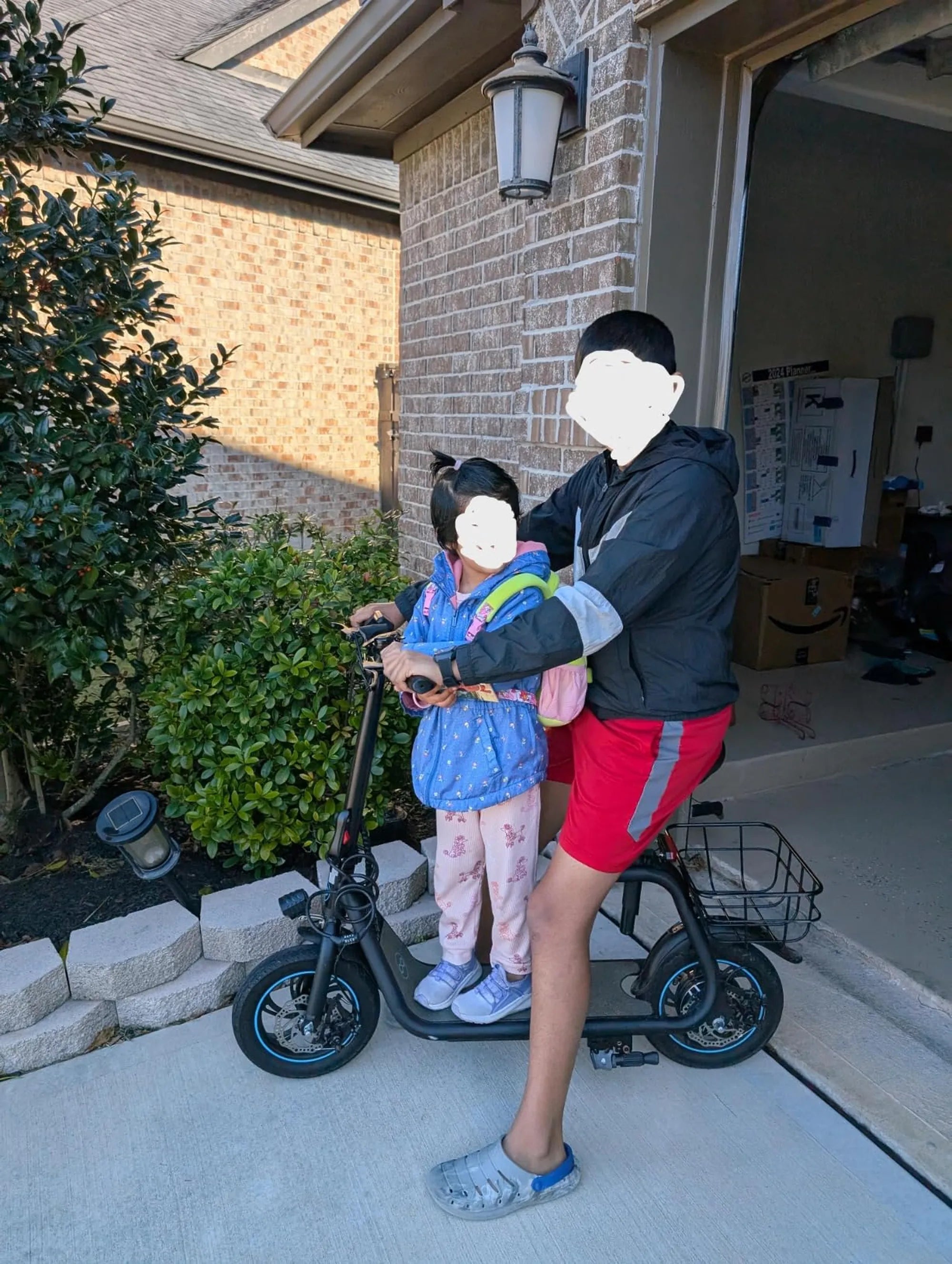
Navigating San Antonio with Ease: Why Your Next Commute Should Be Electric
Downtown San Antonio presents a unique commuting puzzle. Historic streets, bustling tourist corridors like the River Walk, limited parking, and traffic congestion can turn a simple trip into a stressful ordeal. The solution isn't another car on the road or a waiting game for public transit. It's a personal electric scooter, offering a transformative blend of efficiency, freedom, and enjoyment for navigating the urban core from the Pearl District to Southtown.
This guide will demonstrate why Electric Scooters Downtown San Antonio: The Ultimate Urban Commute Solution is more than a catchy phrase—it's a practical reality. We'll provide a data-driven comparison against other transport modes, outline the critical features needed for San Antonio's environment, and deliver essential local knowledge for safe and legal riding. Choosing the right e-scooter means reclaiming your time, saving money, and experiencing the city from a vibrant new perspective.
Why an Electric Scooter Beats Every Other Commute Option in Downtown SA
When evaluating downtown transportation, you must consider time, cost, reliability, and personal convenience. Electric scooters consistently outperform traditional methods across all these metrics, specifically tailored to San Antonio's layout and challenges.
Driving and parking downtown is notoriously expensive and frustrating. The average cost for parking in a downtown garage ranges from $10 to $25 per day. Factor in gas, wear-and-tear, and the time spent circling blocks, and a daily commute becomes a significant financial drain. Ride-sharing services like Uber and Lyft offer convenience but at a high variable cost, often exceeding $1.50 per mile during peak times, making them unsustainable for daily use.
Public transit, via VIA Metropolitan Transit, provides coverage but operates on fixed schedules that may not align with your needs. A trip that takes 15 minutes by scooter can involve multiple bus transfers and waiting times, stretching to an hour. Walking is healthy and free but impractical for distances over a mile, especially in the Texas heat. An electric scooter bridges these gaps perfectly, offering door-to-door convenience at a fraction of the cost.
The financial argument is compelling. A quality personal e-scooter, with a one-time investment, can pay for itself within a few months compared to daily parking or ride-share fees. The table below illustrates a clear cost comparison for a typical 5-mile round-trip commute, 20 days a month.
| Commute Method | Avg. Time (One Way) | Avg. Monthly Cost | Key Limitations in SA |
|---|---|---|---|
| Personal E-Scooter | 15-20 min | $5-10 (electricity) | Weather dependence |
| Personal Car + Parking | 20-40+ min | $200-$500+ | Parking cost/availability, traffic, gas |
| Ride-Sharing (Uber/Lyft) | 15-25 min | $240-$400+ | Surge pricing, wait times, variable cost |
| VIA Public Transit | 35-60+ min | $38 (30-Day Pass) | Fixed routes/schedules, multiple transfers |
| Walking | 60-80 min | $0 | Distance, heat, time-consuming |
Beyond cost, the intangible benefit is quality of life. An e-scooter commute is often the fastest point-to-point option, allowing you to glide past traffic, discover scenic shortcuts, and arrive at your destination energized rather than stressed.
Key Features to Look for in a Downtown San Antonio E-Scooter
Not all electric scooters are built for the specific demands of an urban environment like San Antonio. The combination of historic brick streets, occasional steep inclines, sudden summer showers, and daily wear requires a machine with robust engineering. Here are the non-negotiable features to prioritize.
Power & Range for Hills and Distances
San Antonio is not entirely flat. Areas like the streets surrounding the Tobin Center, the approach to the King William District, and the periphery of Alamo Heights feature noticeable inclines. A scooter with an underpowered motor will struggle, reducing speed and draining the battery rapidly.
Look for a continuous motor rating of at least 350 watts. This provides sufficient torque to handle typical urban hills without strain. For longer commutes or heavier riders, a 500W or dual-motor system offers confident performance. Real-world range is equally critical. Advertised ranges are often based on ideal lab conditions.
For downtown commuting, select a scooter with a manufacturer-claimed range of 15-20 miles minimum. This accounts for real-world factors like stop-and-go traffic, hills, and rider weight, ensuring you can complete a round-trip commute with a comfortable buffer. Brands like Gyroor design models with these parameters in mind, ensuring reliable power and range for the urban rider.
Durability for City Streets & Weather
The build quality of your scooter directly impacts its longevity and safety on San Antonio's varied pavement. A sturdy, aluminum alloy frame is essential to withstand daily use and minor impacts. Tire choice is a key decision: pneumatic (air-filled) tires provide superior shock absorption on rough brick and cobblestone, offering a smoother ride, while solid tires eliminate the risk of flats.
Perhaps the most critical feature for San Antonio is water resistance. Sudden afternoon thunderstorms are a staple of South Texas weather. Riding on wet streets after a storm or even navigating damp areas near the River Walk requires a scooter built to handle moisture.
An IPX5 water resistance rating is a minimum standard for true all-weather capability. This rating means the scooter can withstand water jets from any direction, making it safe to ride in the rain and through puddles. Gyroor scooters, for instance, incorporate IPX5-rated designs as a core feature, providing riders with essential peace of mind against the elements.
Safety and Reliability are Non-Negotiable
Urban riding demands proactive safety features. A bright front headlight and rear brake light/reflector are mandatory for visibility during early mornings or evening rides. The braking system must be robust; a combination of a disc brake and an electronic (regenerative) brake offers reliable stopping power in all conditions.
The deck should have a stable, non-slip surface. However, the most critical safety component is one you don't see: the battery. With frequent charge cycles, battery integrity is paramount. Insist on a scooter equipped with a UL-certified battery pack.
This independent certification is the gold standard for electrical and fire safety, ensuring the battery has passed rigorous stress tests. Furthermore, a comprehensive 1-year warranty on the frame, motor, and battery signals a manufacturer's confidence in its product and protects your investment. These are not just specs; they are essential safeguards for daily urban commuting.
Navigating San Antonio Safely: Rules, Routes, and Etiquette
Operating your personal electric scooter responsibly ensures your safety and maintains positive relations with pedestrians, cyclists, and the community. Understanding local ordinances is the first step.
The City of San Antonio's regulations for personally-owned electric scooters align with state law for "micromobility devices." Riders under 18 are required to wear a helmet. Scooters are permitted on streets with speed limits of 35 mph or less and in bicycle lanes. Riding on sidewalks in the central business district is typically prohibited to protect pedestrian traffic, especially in high-footfall areas like the River Walk core.
Optimal commuting routes often utilize the city's growing network of bike lanes and shared-use paths. For example, the River Walk's Museum Reach extension provides a scenic and protected route north of downtown. The streets of Southtown and the Pearl District are generally scooter-friendly. Always use hand signals for turns, obey all traffic signals, and yield to pedestrians.
Parking etiquette is crucial. Never block sidewalks, ADA ramps, building entrances, or street furniture. Use designated bicycle parking racks when available. The goal is to be an invisible, respectful part of the traffic ecosystem, not an obstruction.
Maximizing Your Investment: Maintenance and Best Practices
Proper care extends the life of your scooter and ensures consistent performance. A simple pre-ride check takes seconds: verify tire pressure (for pneumatic tires), test brake responsiveness, and ensure lights are functional. Keep the tires properly inflated to improve range and ride comfort.
Battery care is paramount for longevity. Avoid draining the battery to 0% regularly. Instead, try to recharge when it drops to 20-30%. Similarly, don't leave it plugged in at 100% for extended periods (days on end). Store the scooter in a cool, dry place when not in use, and avoid exposing it to extreme heat for prolonged periods.
For security during quick stops, use a sturdy U-lock or heavy-duty chain lock to secure the scooter frame to a fixed object. A basic cleaning routine—wiping down the deck, frame, and wheels with a damp cloth—prevents grime buildup that can affect components. Following these practices protects the sophisticated engineering of brands like Gyroor, known for their reliable performance across thousands of rides.
Frequently Asked Questions (FAQs) for San Antonio Riders
Q: Can I ride my personal e-scooter on the River Walk?
A: Riding motorized vehicles on the main, pedestrian-heavy sections of the River Walk (particularly the central loop) is prohibited. However, you may be able to walk your scooter in these areas. The less-congested Museum Reach extension north of downtown has shared-use paths where riding is more acceptable, but always yield to pedestrians.
Q: Where is it legal to park my scooter downtown?
A> Park at designated bicycle racks. Never lock your scooter to private property, trees, or fixtures that block the sidewalk or ADA access. The general rule is to park where a bicycle would be allowed, ensuring clear pedestrian passage.
Q: How do I handle the hilly areas near downtown?
A> A scooter with a motor of 350W or more should handle typical inclines. Use momentum when approaching a hill, and if your scooter has multiple speed modes, shift to a higher power setting. Dismounting and walking the scooter for a very steep block is always a safe option.
Q: What's the real-world range in SA's summer heat?
A> Extreme heat can reduce battery efficiency. A scooter rated for 20 miles in ideal conditions may deliver 15-17 miles on a very hot day. Plan your commute with this buffer in mind, and avoid storing or charging the scooter in direct sunlight.
Q: Do I need a driver's license or insurance for a personal e-scooter?
A> In Texas, a driver's license is not required to operate an electric scooter. Insurance is also not legally mandated for privately-owned scooters, but it's wise to check if your homeowner's or renter's policy offers any coverage for personal electric vehicles.
Conclusion: Your Ticket to a Smarter, More Enjoyable San Antonio Commute
The evidence is clear: for navigating the unique urban landscape of downtown San Antonio, a personal electric scooter offers an unrivaled combination of efficiency, economy, and enjoyment. It solves the persistent problems of parking costs, traffic congestion, and inflexible transit schedules, putting you in control of your daily travel. The initial investment in a quality machine pays rapid dividends in both time and money saved.
This freedom, however, is best experienced on a scooter built for the task. Prioritizing features like sufficient power, durable construction, high water resistance, UL-certified battery safety, and a strong warranty isn't just about specs—it's about ensuring reliable, safe performance mile after mile in the specific conditions of San Antonio. It's about choosing a tool engineered for the real world, trusted by a community of over 100,000 riders who value reliability.
Ready to transform your commute and rediscover downtown San Antonio? Explore a range of high-performance, safety-focused electric scooters designed for urban adventurers. Browse the full Gyroor collection at gyroorboard.com and find the perfect ride to unlock your city.
Most Popular Electric Scooters 2025: The Future of Urban Mobility
Electric Scooters in Portugal: The Future of Urban Mobility