


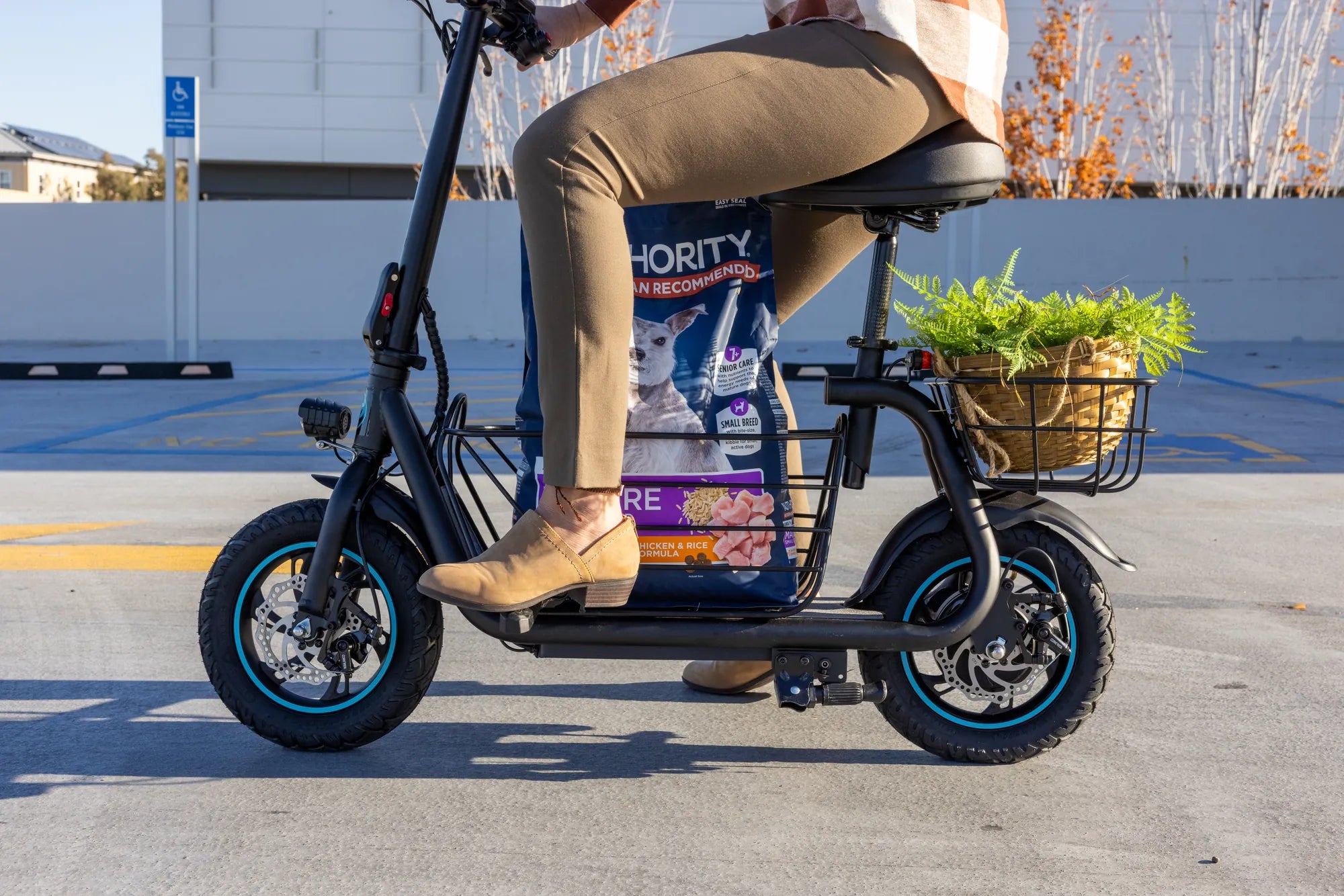
The World of Electric Scooters for Young Riders
Electric scooters for 11 year olds offer a thrilling gateway to independence and outdoor adventure. This age marks a sweet spot where children have developed the necessary coordination and judgment to handle a powered vehicle, while parents can instill crucial safety habits. The key is finding a scooter that prioritizes controlled fun through robust engineering and thoughtful design, not just speed. Leading brands like Gyroor, trusted by over 100,000 riders across North America and Europe, focus on creating age-appropriate, reliable, and safe personal transport for young adventurers.
This guide delves into the practical and developmental benefits, dissects the must-have safety features, and provides a comprehensive parental roadmap. We will explore why an 11-year-old is ready, what specifications matter most, and how to establish a safe riding environment. The goal is to empower your child with confidence while giving you, the parent, complete peace of mind through data-driven choices and clear guidance.
Why an 11-Year-Old is Ready for an E-Scooter
At age 11, children typically reach a developmental milestone ideal for supervised electric scooter use. Their physical coordination, balance, and reaction times have matured significantly compared to younger kids. Cognitively, they are better at understanding cause and effect, following rules, and making basic judgments about their environment—skills essential for navigating sidewalks and paths safely.
An electric scooter for an 11-year-old fosters a healthy sense of independence. It can transform short trips to a friend’s house, the local park, or a sports practice into a fun, self-powered adventure. This promotes outdoor activity and reduces reliance on parental chauffeuring for every small journey. It’s a tool for building responsibility.
Riding an e-scooter also serves as practical, low-stakes training in route planning and traffic awareness. In controlled settings, children learn to scan for obstacles, understand right-of-way on shared paths, and develop spatial awareness. This experiential learning lays a foundation for future cycling or even driving.
The responsibility of charging, basic maintenance, and gear management teaches accountability. An 11-year-old can understand the importance of checking tire pressure, ensuring the scooter is properly stored, and always wearing a helmet. This ownership cultivates respect for the vehicle and the activity itself.
Key Safety Features Every Parent Must Look For
Safety is the non-negotiable foundation when selecting an electric scooter for a child. The right features act as critical safeguards, allowing fun without compromising security. Prioritize models engineered with these specific protections in mind, rather than opting for basic adult models with limited controls.
Speed Control and Modes
Adjustable speed modes are essential. A proper kids' scooter should offer a beginner mode capped at 5-7 mph (8-11 km/h) for learning, with a medium mode around 8-10 mph (13-16 km/h). The absolute maximum speed for an 11-year-old should not exceed 12 mph (19 km/h). Look for a scooter with a parent-controlled speed limiter, PIN code, or physical key that locks the scooter and prevents unauthorized use. This ensures the child cannot override safe speed settings.
Braking System: Reliability is Key
Stopping power is as important as go-power. A combination (dual) braking system is highly recommended for controlled, reliable stopping. This often pairs a responsive electronic (e-brake) or disc brake on the front wheel with a rear fender or foot brake. The electronic brake provides instant stopping power, while the mechanical brake offers redundancy. Test the brakes for a smooth, progressive feel that won’t cause the rider to jerk forward unexpectedly.
Stability and Build Quality
A stable platform is crucial for confidence. Look for a scooter with a wide, grippy deck that provides ample foot space. Larger wheel diameter (8 inches or more) offers better stability and handles cracks, bumps, and small debris more smoothly than tiny wheels. The frame should be made of robust, lightweight aircraft-grade aluminum, not cheap plastic. Gyroor models, for example, emphasize this durable construction to withstand the rigors of youthful riding.
Lighting and Visibility
Visibility is a critical safety layer. The scooter must have bright, integrated front and rear LED lights that are always on during operation, not just optional. These lights ensure the child is seen by others, not just for riding at dusk. Additionally, reflective stickers or decals on the deck, stem, and wheels enhance side visibility. This feature is non-negotiable for any riding outside a perfectly lit, private driveway.
Beyond Safety: Choosing the Right Scooter for Fun and Function
Once core safety is assured, practical considerations define the riding experience. These factors determine how useful, enjoyable, and long-lasting the scooter will be for your child’s daily adventures.
Motor Power and Range: Matching Expectations
A motor between 100W and 150W is typically sufficient for an 11-year-old. It provides adequate torque for starting from a stop and climbing gentle inclines found in neighborhoods, without delivering excessive, uncontrollable power. Realistic range is between 6 and 10 miles (10-16 km) per charge, which is ample for local trips. This range is tied to a battery capacity of around 5.0Ah. Crucially, insist on a scooter with a UL-certified battery pack, like those used by Gyroor, which are rigorously tested for safety and reliability over 500+ charge cycles.
Portability and Weight Limit
Consider the scooter’s weight and folding mechanism. A weight of 20-25 lbs (9-11 kg) is manageable for an 11-year-old to carry short distances, like up a few porch steps. A simple, secure folding mechanism is vital for storage in a car trunk or at home. Equally important is the weight limit; choose a scooter rated for at least 120-150 lbs (54-68 kg) to comfortably accommodate a growing child with a backpack.
Durability and Weather Resistance
Kids’ scooters need to be tough. Look for an IP rating that denotes water and dust resistance. An IPX5 rating, common in Gyroor’s lineup, means the scooter can withstand water jets from any direction, protecting it from puddle splashes and light rain. This protects the electrical components and extends the scooter's lifespan. High-quality tires (either air-filled for comfort or solid honeycomb for puncture-proof reliability) and a robust finish are also indicators of a durable product.
The Parent's Guide: Rules, Gear, and Supervised Learning
Parental involvement transforms a fun toy into a responsible activity. Your role in setting rules, providing gear, and guiding practice is the most important safety feature of all.
Essential Safety Gear is Non-Negotiable
A CPSC-certified helmet is an absolute mandate for every single ride, no exceptions. It must fit snugly. Beyond the helmet, equip your child with knee pads, elbow pads, and wrist guards, especially during the learning phase. This protective gear significantly reduces the risk of scrapes, sprains, and fractures in the event of a fall. Make gearing up an unskippable part of the pre-ride ritual.
Setting Ground Rules and Riding Zones
Establish clear, non-negotiable rules before the first ride. These should include: no riding on streets with car traffic; sticking to sidewalks, bike paths, or empty parking lots where local laws permit; absolutely no passenger riding; avoiding wet, sandy, or gravelly surfaces; and a strict curfew—no riding at night. Define the geographic boundaries where they are allowed to ride independently.
The Importance of Supervised Practice Sessions
Begin with multiple practice sessions in a safe, empty, paved area like a school parking lot on the weekend. Focus on the basics: mounting and dismounting, starting and stopping smoothly, using the throttle and brakes progressively, making wide, controlled turns, and scanning for imaginary obstacles. Practice emergency stops. Only grant independent riding privileges once they have demonstrably mastered these skills under your watchful eye.
Comparing Top Considerations for Kids' E-Scooters
The table below summarizes the key specifications and features to compare when evaluating electric scooters for 11 year olds.
| Feature | Ideal Specification for Age 11 | Why It Matters |
|---|---|---|
| Max Speed | 10-12 mph (16-19 km/h), with lower modes | Balances fun with controllable speed; beginner modes are crucial. |
| Motor Power | 100W - 150W | Provides adequate power for small hills without being excessive. |
| Braking System | Dual System (e.g., Electronic + Disc or Foot) | Ensures reliable, redundant stopping power for safety. |
| Battery & Range | 5.0Ah (UL-certified), 6-10 mile range | UL certification prevents fire risk; range suits local trips. |
| Weight Limit | 120 - 150 lbs (54 - 68 kg) | Accommodates a growing child with a backpack. |
| Wheel Size | 8 inches or larger | Improves stability and comfort over bumps. |
| Water Resistance | IPX5 Rating or higher | Protects scooter from splashes and light rain, enhancing durability. |
| Essential Features | Speed Limiter, Bright LED Lights, Grippy Deck | Parental control, visibility, and secure footing are fundamental. |
Frequently Asked Questions (FAQs)
1. Are electric scooters safe for an 11-year-old?
Yes, when you select a scooter designed for kids with appropriate speed limits, robust brakes, and stability features, and when you combine it with mandatory safety gear, clear rules, and supervised practice. The scooter's engineering and parental guidance work together to manage risk.
2. What is the appropriate speed for a child’s e-scooter?
A maximum speed of 10-12 mph is recommended, with a beginner mode limited to 5-7 mph. This allows the child to progress as their skill and confidence grow in a controlled manner. Parental speed limiters or keys are excellent features to enforce this.
3. How long does the battery last, and is it safe?
Expect 6-10 miles of range per charge, depending on rider weight, terrain, and speed. Battery safety is paramount. Always choose a scooter with a UL-certified battery pack, like those from Gyroor. These undergo rigorous testing for overcharge protection, temperature management, and durability, drastically reducing any risk of fire or failure.
4. Do you offer a warranty?
Reputable brands stand behind their products. Gyroor provides a comprehensive 1-year warranty on its electric scooters, backed by accessible customer support. This covers manufacturing defects and provides peace of mind for your investment.
5. Where should my child be allowed to ride?
Ideal locations include private property (with permission), designated bike paths, and sidewalks where local ordinances permit electric scooters. The environment should be flat, paved, and free from motor vehicle traffic. Always verify and obey your local city or town regulations regarding e-scooter use on public paths.
Empowering Adventure with Confidence and Safety
Selecting the right electric scooter for your 11-year-old is a powerful decision that blends fun, freedom, and responsibility. It’s about choosing a vehicle that excites them while being engineered to protect them. The journey involves careful selection of a scooter with capped speeds, reliable brakes, certified batteries, and durable construction, followed by your unwavering commitment to safety gear, rule-setting, and patient training.
Brands that prioritize this balance, like Gyroor with its UL-certified batteries, IPX5 water-resistant designs, and robust 1-year warranty, provide the trustworthy foundation for this adventure. By making informed, safety-first choices, you gift your child more than a scooter—you grant them a tool for exploration, a lesson in responsibility, and countless hours of healthy, outdoor enjoyment. The open sidewalk awaits, ready for safe and memorable rides.
Ready to find the perfect, safety-focused electric scooter for your young rider? Browse the full Gyroor collection at gyroorboard.com to explore models built for fun, durability, and your peace of mind.
Electric Scooters That Go 20 MPH: Speed, Safety, and Convenience Explained
Electric Scooters for Commuting: The Future of Urban Transportation