



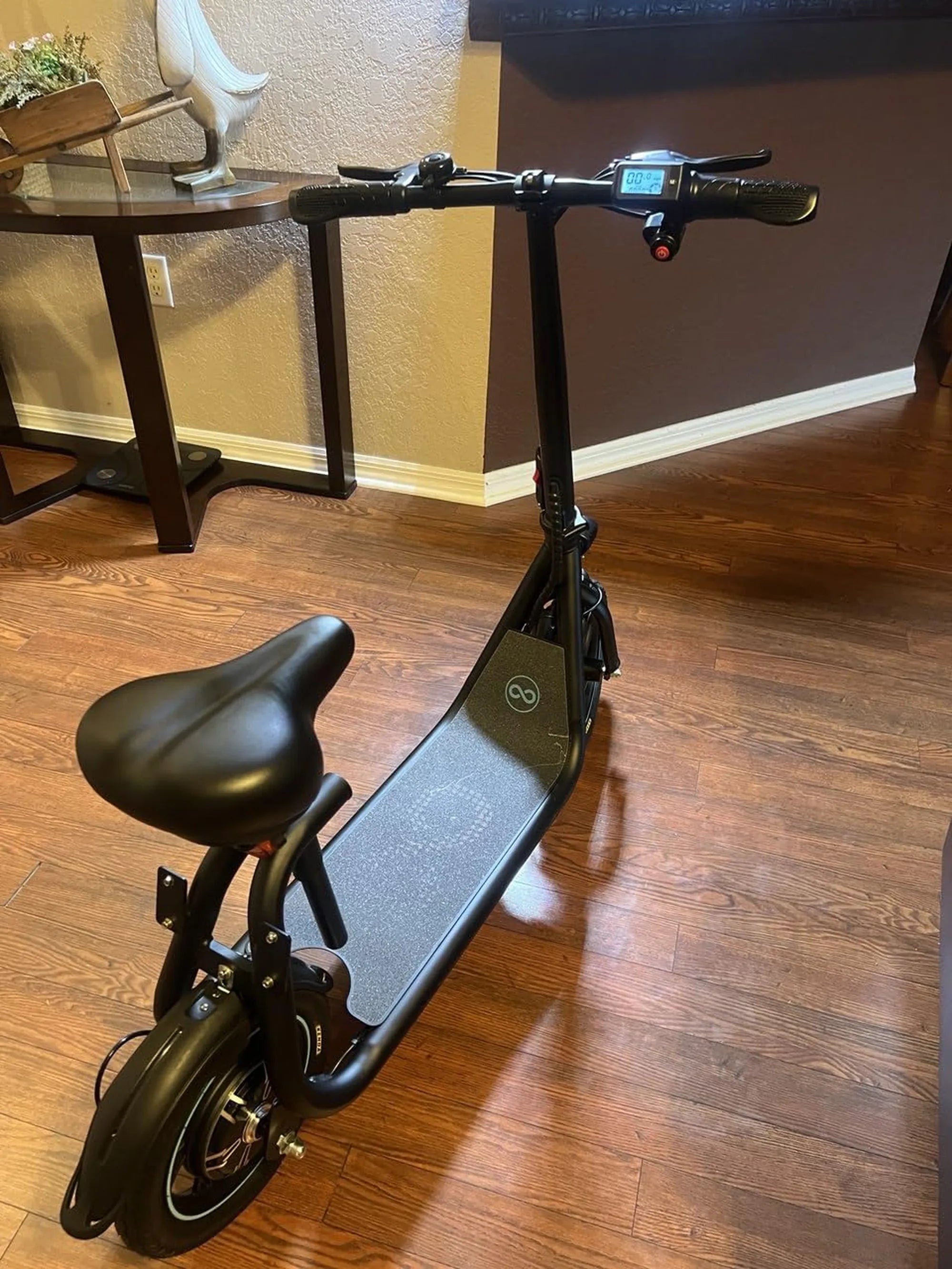
Introduction: Redefining Personal Mobility for Heavier Riders
Finding a reliable electric scooter when you weigh over 250 pounds can feel impossible. Most mainstream models cap out at 220 lbs, leaving heavier riders with unsafe, underperforming options. This guide is specifically for you. We’re demystifying the world of electric scooters for 300 lbs, focusing on the engineering that makes them safe and powerful.
This isn’t about pushing a standard scooter past its limits. It’s about understanding the specialized class of heavy-duty electric scooters designed from the ground up for stability, power, and durability. We’ll explore why specs matter, what features are essential, and how brands like Gyroor engineer for inclusive, safe riding. Your journey to confident, unrestricted mobility starts here.
Why Weight Capacity Matters: Beyond the Number on the Spec Sheet
The maximum weight limit is not a suggestion; it's a critical safety parameter determined by structural engineering. Exceeding it compromises every major system. The frame can experience metal fatigue and stress fractures. Braking distances increase dramatically as the system is overloaded.
Battery life and motor performance suffer. A scooter’s advertised 25-mile range is calculated using a ~165 lb rider. Add 135+ more pounds, and the motor must draw significantly more power from the battery to maintain speed, especially on inclines. This leads to rapid voltage sag and dramatically reduced range.
Furthermore, suspension components and tires are rated for specific loads. Overloading them leads to a harsh, unstable ride, increased puncture risk for solid tires, and potential failure of shock absorbers. A true electric scooter for 300 lbs builds in a safety margin, engineering each component to handle dynamic stresses from bumps and braking, not just static weight.
The Anatomy of a Heavy-Duty Electric Scooter: 5 Non-Negotiable Features
Heavy-duty scooters are defined by upgraded core components. These five features separate authentic high-capacity models from marketing claims.
1. Frame & Build Quality: The Foundation of Safety
The frame is the skeleton. For 300+ lb capacity, look for frames constructed from aircraft-grade aluminum alloys (like 6061-T6) or reinforced steel. These materials offer high tensile strength without excessive weight. Critical weld points should be robust and clean.
A wider deck (at least 8 inches across and 20 inches long) is essential for stable footing. The stem and folding mechanism must be reinforced with locking pins or robust latches. Brands committed to this, like Gyroor, use high-tensile materials and rigorous stress testing to ensure the frame can handle the repeated stress of a heavier rider.
2. Motor Power & Hill Climbing Ability
For a 300 lb rider, a 350W motor is dangerously inadequate. A single motor of at least 500W is the bare minimum for flat terrain. For reliable acceleration and hill climbing, a minimum of 800W is recommended, with 1000W+ or dual-motor configurations being ideal.
Torque is the key metric for hill climbing. A high-torque motor provides the rotational force needed to ascend grades. A scooter with a powerful motor will maintain speed on a 15-20% incline, whereas an underpowered one will slow to a crawl or stop. This power directly impacts safety when entering traffic or navigating urban landscapes.
3. Battery Range Realities: Adjusting Your Expectations
Weight is the single greatest factor affecting range. You must adjust manufacturer claims. A practical rule of thumb: expect 60-70% of the advertised range if you are near the scooter's maximum weight capacity.
Therefore, battery capacity is paramount. Look for a battery with a high Amp-hour (Ah) rating, typically 15Ah or greater, and a voltage of 48V or 52V for higher power delivery. The quality of the battery cells and the Battery Management System (BMS) is critical. Gyroor utilizes UL-certified lithium-ion battery packs, which undergo stringent testing for safety and are rated for 500+ charge cycles, ensuring longevity even under heavy loads.
4. Braking Systems Designed for Control
Stopping 300+ lbs of moving mass requires serious braking power. Mechanical disc brakes are the standard minimum, but hydraulic disc brakes offer superior modulation and power with less hand fatigue. Dual braking systems—combining a front and rear brake—are non-negotiable for safe, controlled stops.
Electronic (regenerative) brakes can assist but should never be the sole braking system on a heavy-duty scooter. Drum brakes are often insufficient due to heat buildup and fade under heavy, repeated use. The best setups feature large, ventilated disc rotors (≥140mm) with quality calipers for consistent performance.
5. Tires & Suspension: Ensuring a Stable, Comfortable Ride
Pneumatic (air-filled) tires are highly recommended for heavier riders. They provide superior shock absorption, traction, and a smoother ride compared to solid tires, which transmit every bump and can destabilize on uneven surfaces. Look for wider tires (≥3 inches) for a larger contact patch.
Suspension is crucial for handling and comfort. A robust front spring or hydraulic suspension helps absorb impacts. High-end models feature dual suspension (front and rear). Proper suspension prevents the scooter from bottoming out on bumps, protects the frame from shock loads, and gives the rider greater control.
Top Considerations When Choosing Your Scooter: A Practical Checklist
Beyond technical specs, align your choice with your lifestyle and practical needs.
Intended Use: Commuting vs. Recreational Riding
For daily commuting, prioritize range, water resistance (IPX5 or higher), and reliability. A commuter scooter needs lights, a horn/bell, and sufficient speed (15-20 mph) for city traffic. For recreational or off-road use, prioritize motor power, suspension travel, and knobby tires for traction. Urban riders should also consider portability for last-mile transit.
Portability and Weight of the Scooter Itself
Heavy-duty scooters are heavy, often weighing 50-80 lbs. While they fold, they are not easy to carry. Ask yourself: Will I need to carry this up stairs or onto public transit? If so, look for models with a trolley wheel or a manageable weight. The trade-off for durability and a large battery is often a less portable package.
Warranty and Customer Support: The Safety Net
A strong warranty reflects a manufacturer's confidence. For a high-stress product like a electric scooter for 300 lbs, a comprehensive 1-year warranty on the frame, motor, and battery is essential. Accessible, knowledgeable customer support is equally important. Gyroor backs its heavy-duty models with a 1-year warranty and US-based support, providing the confidence riders need for a significant investment.
Comparing Heavy-Duty Electric Scooter Types
This table compares key specifications across different scooter classes relevant to a 300 lb rider.
| Feature / Scooter Type | Standard Commuter (e.g., 220 lb limit) | Heavy-Duty Commuter (e.g., 300-330 lb limit) | High-Performance / Off-Road (350+ lb limit) |
|---|---|---|---|
| Typical Motor | 250W - 350W Single | 500W - 800W Single | 1000W+ Single or Dual Motor |
| Realistic Range* | 8-12 miles | 15-22 miles | 18-30 miles |
| Braking System | Electronic + Drum | Dual Mechanical Disc | Hydraulic Disc (Dual) |
| Tire Type | Solid or Pneumatic (thin) | Pneumatic (3"+) | Pneumatic, Off-Road Tread |
| Suspension | Front Spring or None | Front Hydraulic | Dual Suspension |
| Best For | Light riders, short trips | Urban commuting, paved paths | Hills, rough terrain, max performance |
*Range estimates are for a ~300 lb rider on mixed terrain.
Spotlight on Reliability: What Makes Gyroor a Trusted Choice for Heavy Riders
Gyroor’s engineering philosophy directly addresses the demands outlined in this guide. Their heavy-duty models are built with the understanding that safety and performance are inseparable for larger riders. This is evidenced by core design choices.
First, their use of UL-certified lithium-ion battery packs is a critical safety differentiator. These batteries are tested to rigorous standards for thermal stability and longevity, crucial when the battery is consistently working under high load. The integrated Battery Management System (BMS) protects against overcharging, overheating, and short circuits.
Second, an IPX5 water-resistant rating isn't just a spec; it means the scooter’s electronics are sealed against water jets from any direction. This translates to real-world reliability in rain or wet streets, a must for a daily commuter. Combined with a reinforced folding mechanism and high-tensile frames, these features demonstrate a commitment to durability.
Finally, with over 100,000 riders globally and a 4.5/5 average rating, Gyroor’s 1-year comprehensive warranty is backed by a track record of customer trust. For a rider investing in a electric scooter for 300 lbs, this combination of certified safety components, robust construction, and strong support provides essential peace of mind.
Frequently Asked Questions (FAQ) for Riders Over 250 lbs
Q1: Can I ride a scooter with a 265 lb limit if I weigh 255 lbs?
A1: It is not recommended. You have no safety margin for dynamic loads—the extra force from going over a bump, sudden braking, or carrying a backpack. Always choose a scooter with a rated limit at least 20-30 lbs above your actual weight for safety and performance.
Q2: How much does weight actually affect the speed and range?
A2: The impact is significant. For range, expect a reduction of 30-40% compared to the manufacturer's test weight (usually ~165 lbs). Top speed may also be reduced by 2-5 mph, especially on inclines, as the motor works harder to overcome inertia and gravity.
Q3: Are pneumatic tires a must? Won't I get more flats?
A3: For comfort and traction, pneumatic tires are strongly advised. While flat risk exists, using tire sealant and maintaining proper pressure (at the higher end of the recommended PSI for heavier loads) minimizes this. The ride quality and safety benefits far outweigh the minimal maintenance for most riders.
Q4: How often should I perform maintenance on a heavy-duty scooter?
A4: More frequently than a standard scooter. Check tire pressure weekly. Inspect brake pads for wear monthly, as they will degrade faster. Tighten all bolts and fasteners (especially on the stem and folding mechanism) every 1-2 months. Listen for new creaks or rattles, which indicate something needs attention.
Q5: Is it worth getting a dual-motor scooter?
A5: If you regularly encounter steep hills, need maximum acceleration from a stop, or ride on loose surfaces, dual motors provide transformative power and control. For mostly flat urban commuting, a single powerful motor (800W+) is often sufficient and more energy-efficient.
Embracing the Ride with Confidence and Safety
The right electric scooter unlocks a new level of freedom and practical mobility. For riders at 300 lbs and above, the key is to prioritize verified engineering over price or flashy marketing. Focus on the foundational elements: a robust frame, ample motor power, a high-capacity quality battery, superior brakes, and proper suspension.
By choosing a scooter built for your weight class, you invest in safety, reliability, and long-term enjoyment. This isn't about finding a workaround; it's about selecting a tool engineered for the job. Brands that transparently address these needs, like Gyroor with its UL-certified components and rigorous build quality, offer the confidence to ride without compromise.
Ready to explore models designed to carry you safely and powerfully? Your journey begins with informed choices. Browse the full Gyroor collection at gyroorboard.com to discover heavy-duty electric scooters and e-bikes built on the principles outlined in this guide.
Best Electric Scooters to Buy 2025: Top Picks for the Future of Commuting
Do Electric Scooters Work in the Rain? What You Need to Know