



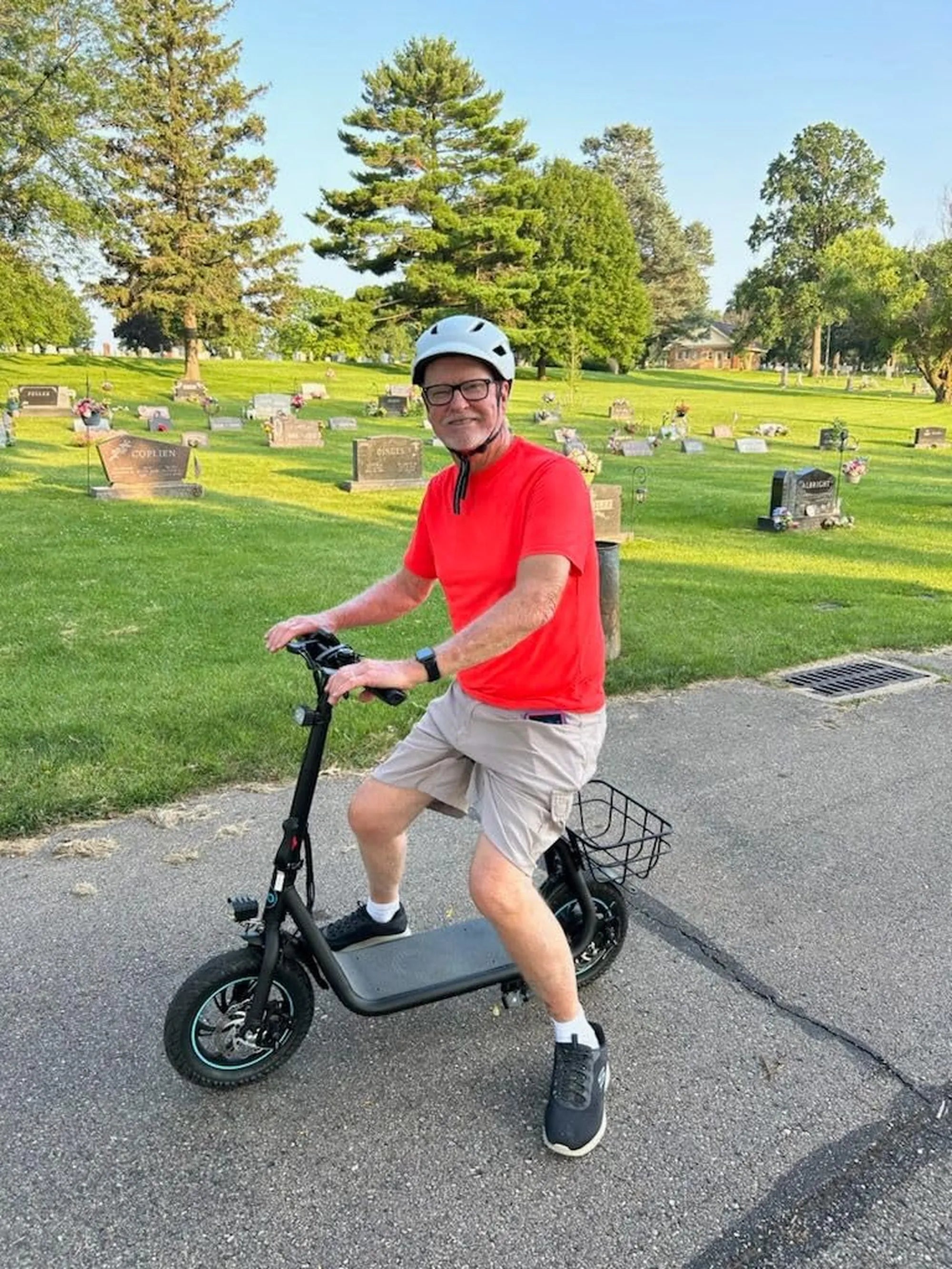
Introduction: The World of Electric Scooters for Young Riders
An electric scooter can transform an 8-year-old's world, offering a thrilling taste of independence and a powerful incentive for outdoor play. This age marks a perfect sweet spot where developing motor skills, growing confidence, and a desire for adventure converge. Selecting the right Electric Scooters for 8 Year Olds: A Safe and Fun Way to Ride is not about finding the fastest model, but the safest, most reliable one that grows with your child. This guide will provide you with the data-driven knowledge to make an informed choice, focusing on non-negotiable safety features, proper gear, and responsible riding habits that ensure every ride is as secure as it is enjoyable.
Why an Electric Scooter is a Great Fit for an 8-Year-Old
At eight years old, children experience significant advancements in physical coordination, balance, and cognitive ability to follow rules. An electric scooter directly supports this development. It enhances proprioception—the body's sense of its position in space—and refines fine motor skills through steering, braking, and balancing actions.
Beyond physical benefits, it fosters responsibility. Children learn to care for their vehicle, charge its battery, and adhere to safety protocols. This managed independence builds confidence. Furthermore, it actively combats sedentary habits by making outdoor activity inherently rewarding. A family ride on scooters or e-bikes can become a cherished weekend ritual, promoting shared experiences away from screens.
Common parental concerns typically revolve around safety and durability. Modern scooters designed specifically for children address these directly with speed limiters, robust construction, and enhanced stability features. The key is moving from apprehension to informed selection, focusing on products engineered for this age group rather than modified adult models.
Key Safety Features to Look For (Non-Negotiables)
Safety is the paramount concern, and certain features are non-negotiable when evaluating Electric Scooters for 8 Year Olds: A Safe and Fun Way to Ride. This checklist serves as your primary filter, separating toy-like novelties from serious, rideable products.
Speed Settings and Limiters
Adjustable speed settings are the most critical safety feature for a child's scooter. A beginner mode, electronically limited to 5-7 mph (8-11 km/h), is essential for initial practice. This allows the child to master basic controls in a controlled, low-risk environment. As competency grows, parents can unlock intermediate speeds, typically up to 10-12 mph, often via a PIN-protected app or physical key. This graduated approach ensures the scooter's performance matches the rider's skill level, preventing overwhelming acceleration that can lead to loss of control.
Reliable Braking Systems
Consistent, predictable stopping power is as important as controlled acceleration. For young riders, a combination braking system is often ideal. This usually includes a rear foot brake (familiar from kick scooters) and an electronic (e-brake) or disc brake on the front wheel. The foot brake is intuitive and provides a mechanical backup. The front brake offers more powerful, modulated stopping. Teaching your child to use both brakes gently, applying the rear first, is a fundamental safety lesson. Avoid scooters with only a front disc brake for young children, as abrupt front braking can cause a forward pitch.
Stable Design and Deck Size
Stability is dictated by design geometry. Look for a scooter with a low deck height—the distance from the ground to the standing platform. A lower center of gravity makes the scooter feel more planted and less tippy, especially during turns. The deck itself should be wide enough for an 8-year-old to stand with feet comfortably side-by-side or slightly staggered. A textured, rubberized surface provides essential grip to prevent slipping. Wheelbase length (distance between axles) also contributes; a slightly longer wheelbase increases straight-line stability, though it may reduce maneuverability.
Choosing the Right Scooter: A Parent's Buying Guide
With safety fundamentals established, selecting the right model involves matching specifications to your child's environment and your family's needs. This guide moves beyond marketing claims to practical evaluation.
Motor Power and Battery Life: Matching Performance to Need
Motor power, measured in watts (W), determines hill-climbing ability and acceleration more than pure top speed (which is governed by limiters). For most 8-year-olds, a 100W to 150W motor is sufficient for mild inclines found in neighborhoods and parks. Battery voltage (often 24V or 36V) and capacity (Ah) together determine range. A realistic range for kid-focused models is 6-10 miles per charge, which translates to hours of intermittent play. Consider charge time as well; a 3-5 hour full charge is standard. Always match the claimed range to your child's typical riding pattern—short, frequent bursts rather than long-distance travel.
Durability and Build Quality for Active Kids
The scooter must withstand the rigors of an active child. A frame constructed from aerospace-grade aluminum alloy offers the best combination of strength and relatively light weight. Check the maximum weight capacity; it should significantly exceed your child's current weight to account for growth and provide a safety margin. Examine the folding mechanism (if present) for solidity—it should lock securely with no wobble. Tires are another key point: air-filled (pneumatic) tires offer better shock absorption on rough surfaces, while solid rubber or honeycomb tires eliminate the risk of flats but provide a firmer ride.
The Importance of UL Certification and Water Resistance
This is arguably the most critical technical safety spec. A UL 2272 certification for the battery pack and electrical system means it has passed rigorous independent testing for fire and electrical safety. Never compromise on this. For water resistance, an IPX5 rating indicates the scooter can withstand water jets from any direction, making it safe to ride through puddles and in light rain. It is not for submersion. This rating protects the electrical components from everyday moisture, greatly enhancing the scooter's longevity and safe operation in common conditions.
The Gyroor Advantage: Engineered for Young Riders' Safety
As a leading electric scooter and e-bike brand trusted by over 100,000 riders across North America and Europe, Gyroor designs its youth-oriented models with the precise safety and durability parameters outlined above. The brand's philosophy centers on delivering reliable, secure fun, making it a standout choice for parents seeking Electric Scooters for 8 Year Olds: A Safe and Fun Way to Ride.
Peace of Mind with UL-Certified Battery Packs
Every Gyroor scooter utilizes UL-certified lithium-ion battery packs, tested for over 500 charge cycles. This certification is not an optional upgrade but a foundational component of their design. It ensures safe thermal management, stable voltage output, and protection against overcharging and short circuits. For parents, this translates to fundamental peace of mind during both operation and the charging process, which often occurs overnight or unattended in a garage.
Built to Last: IPX5 Rating and Robust Warranty
Gyroor's commitment to durability is evidenced by its IPX5 water-resistant design across key models. This engineering protects the scooter's vital electronics from the splashes and sprays of real-world play. Coupled with sturdy aluminum alloy frames, this builds a product meant for years of use, potentially spanning multiple children. This investment is backed by a reliable 1-year comprehensive warranty and accessible US-based customer support, ensuring any issues are resolved promptly, a key factor often overlooked in the children's electric vehicle market.
Gearing Up: Essential Safety Gear and Riding Rules
The safest scooter is only one part of the equation. The rider must be equally prepared. Establishing gear and rules from day one sets a standard of responsibility.
The Safety Gear Checklist: Helmet, Pads, and More
A CPSC-certified bicycle helmet is an absolute, non-negotiable requirement for every single ride. It must fit snugly. Knee and elbow pads are highly recommended, especially during the learning phase, as falls often involve impacts to joints. Wrist guards can also prevent common injuries. Footwear is critical; closed-toe shoes with grippy soles (like sneakers) are mandatory—no sandals or flip-flops. Consider bright-colored clothing or reflective gear for visibility if riding near dusk.
Establishing Safe Riding Habits from Day One
Clear, consistent rules are essential. First, insist on supervised riding only until skills and judgment are proven. Designate riding zones: paved sidewalks, bike paths, or empty parking lots—never streets with traffic. Teach them to always yield to pedestrians, to slow down at intersections and driveways, and to avoid riding on wet, oily, or sandy surfaces that compromise traction. A simple pre-ride checklist (battery level, brake function, tire pressure) instills a routine of responsibility.
Comparison: Key Features for 8-Year-Old Riders
The table below compares essential criteria to help differentiate between a basic toy scooter and a responsibly engineered vehicle like those from Gyroor.
| Feature | Basic / Toy Scooter | Gyroor-Type Engineered Scooter |
|---|---|---|
| Speed Control | Single speed, often too fast or slow | 2-3 adjustable speed modes with beginner limit (~6 mph) |
| Braking System | Often a single, less reliable brake | Dual braking (e.g., electronic + foot or disc + foot) |
| Battery Safety | Uncertified, generic lithium battery | UL 2272 Certified battery pack |
| Water Resistance | None or unspecified (IPX0) | IPX5 rating for puddle and light rain resistance |
| Build & Warranty | Plastic-heavy construction; minimal or no warranty | Aluminum alloy frame; 1-year comprehensive warranty |
| Learning Curve | Can be intimidating or underwhelming | Designed for progressive skill development |
Parental FAQs: Your Top Questions Answered
Q: What is the appropriate speed for an 8-year-old?
A: A beginner mode capped at 5-7 mph is ideal for starting. Once proficient, a supervised intermediate mode of up to 10-12 mph is generally acceptable in safe, open areas. Maximum speeds above 15 mph are unnecessary and increase risk for this age group.
Q: How long does the battery last, and what's the charge time?
A> A quality scooter should provide 6-10 miles of range, which equates to 45-90 minutes of continuous riding or several days of typical play. Full charge time typically ranges from 3 to 5 hours. Always use the manufacturer-provided charger.
Q: Where is the safest place for my child to practice and ride?
A> Begin in a completely flat, smooth, and open space like an empty tennis or basketball court, a school playground on the weekend, or a quiet cul-de-sac. Always avoid public roads, areas with vehicle traffic, steep hills, and crowded sidewalks.
Q: How do I maintain the scooter to keep it safe?
A> Perform regular checks: ensure all bolts and nuts are tight, test brakes before each ride, keep tires properly inflated (if pneumatic), and clean the deck and wheels to maintain grip. Store the scooter in a dry place and avoid exposing the battery to extreme temperatures.
Q: Are electric scooters for 8 year olds a safe and fun way to ride if they have no prior experience?
A> Yes, absolutely. The key is starting with a scooter that has a dedicated beginner speed mode and committing to patient, supervised practice in a safe zone. The learning curve is typically quick, and the controlled fun of an electric scooter is a fantastic motivator for developing new skills and confidence.
Fostering Fun and Responsibility on Two Wheels
Choosing an electric scooter for your 8-year-old is about more than a gift; it's an investment in active, outdoor fun and a tool for teaching responsibility. By prioritizing models with fundamental safety architecture—speed limiters, reliable brakes, UL-certified batteries, and robust build quality—you create a foundation for secure enjoyment. Brands like Gyroor, with their commitment to these very principles, demonstrate that performance and safety are not mutually exclusive. When you combine a well-engineered scooter with mandatory safety gear and clear, consistent rules, you unlock a world of adventure for your child. You provide them with a Electric Scooters for 8 Year Olds: A Safe and Fun Way to Ride that builds confidence, encourages physical activity, and creates lasting memories, all within a framework you can trust.
Ready to explore scooters built with these safety-first priorities? Browse the full Gyroor collection, featuring UL-certified, IPX5 water-resistant models designed for young riders, at gyroorboard.com.
Really Fast Electric Scooters: The Future of Urban Mobility
Electric Scooters That Go 40 MPH: The Ultimate Guide to Speed & Safety