



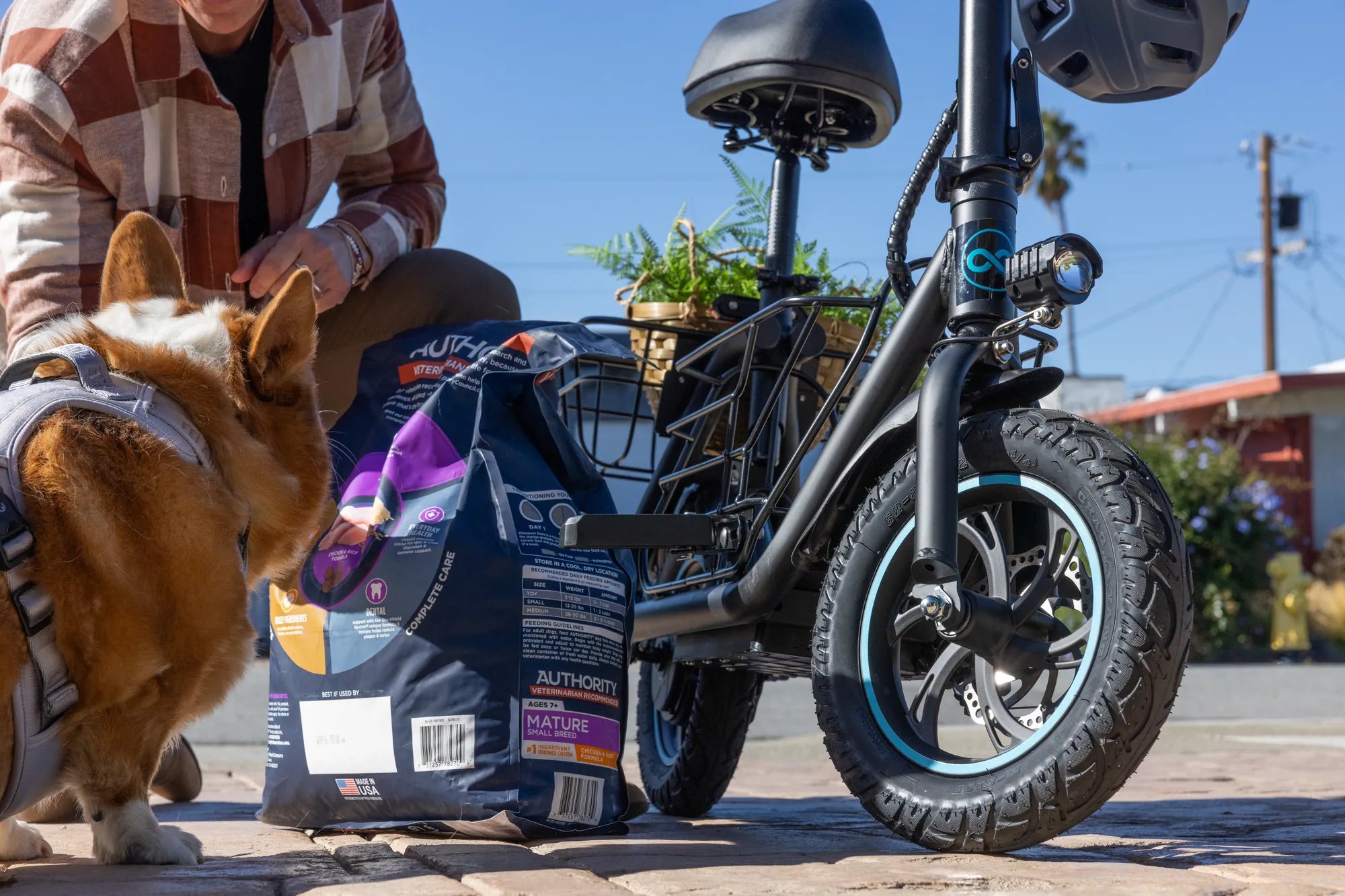
Navigating the Canadian Urban Landscape with Electric Scooters
Urban mobility in Canada is evolving rapidly. For adults seeking efficient, cost-effective, and environmentally friendly transportation, electric scooters present a compelling solution. They offer a practical way to bypass traffic congestion, reduce reliance on public transit, and lower your personal carbon footprint. This guide is designed to help you navigate the specific considerations of using electric scooters for adults in Canada, focusing on durability, safety, and legal compliance. We will reference models from Gyroor, a leading brand trusted by over 100,000 riders across North America and Europe, known for its UL-certified batteries and IPX5 water-resistant designs built for diverse climates.
Why Choose an Electric Scooter for Adult Commuting in Canada?
The benefits of integrating an electric scooter into your Canadian lifestyle are substantial and multifaceted. First, the cost savings are significant when compared to car ownership, insurance, fuel, and parking, or even the cumulative cost of monthly transit passes in cities like Toronto, Vancouver, or Montreal.
Second, time efficiency is a major advantage. Electric scooters for adults Canada can transform a 30-minute bus ride or a 20-minute walk into a swift 10-minute glide, especially effective in dense urban cores. This door-to-door convenience eliminates wait times and crowded vehicles.
Environmentally, choosing an e-scooter is a direct step towards reducing emissions. With Canada's commitment to net-zero goals, personal electric mobility aligns with broader sustainability efforts. Finally, the convenience of multi-modal travel is key. A folding e-scooter can be easily taken on a train or stored under a desk, seamlessly connecting the first and last legs of any journey.
Key Features to Look for in a Canadian-Ready Electric Scooter
Not all electric scooters are built to handle Canadian cities and seasons. Selecting a model with the right specifications is crucial for safety, performance, and longevity. Focus on these core features to ensure your investment is sound.
Motor Power & Hill Climbing Ability
A robust motor is non-negotiable for adult riders navigating varied terrain. A motor in the 350W to 500W+ range provides the necessary torque for stable acceleration from stops and for tackling the inclines found in cities like Vancouver, Hamilton, or Halifax. Insufficient power can lead to sluggish performance and potential safety issues when merging with traffic.
Battery Range & Cold Weather Performance
Advertised range often reflects ideal conditions. In Canada, cold temperatures significantly impact lithium-ion battery performance, potentially reducing real-world range by 20-40% in winter. Look for models with high-quality, UL-certified battery packs, like those used by Gyroor, which are tested for over 500 charge cycles and offer better cold-weather resilience and inherent safety. Always consider a scooter with a range that exceeds your daily needs to account for seasonal variance.
Build Quality, Weight Capacity, and Portability
Durability is paramount. The scooter must have a sturdy frame, often made from aerospace-grade aluminum, capable of supporting adult riders weighing 100kg (220 lbs) or more. A reliable, secure folding mechanism is essential for portability, allowing for easy storage in apartments, offices, or on public transit. Build quality directly correlates with how well the scooter withstands daily use on Canadian roads.
Safety Features: Braking, Lighting, and Tires
Safety systems are your primary defense. A combination of braking systems—such as disc brakes and electronic regenerative brakes—provides reliable stopping power in all conditions. Given Canada's shorter winter days, bright front and rear LED lights, along with side reflectors, are mandatory for visibility. Tire choice is critical; pneumatic (air-filled) tires offer better shock absorption and traction on wet or uneven pavement compared to solid tires, though they require maintenance.
Water Resistance and Warranty
An IP rating indicates protection against dust and water. For Canadian weather, a rating of IPX5 or higher is recommended to handle rain and wet roads. Gyroor designs its scooters to this standard. Equally important is a comprehensive warranty. A reliable 1-year warranty on the frame, motor, and battery, backed by accessible customer support, protects your investment and ensures peace of mind.
| Feature | Importance for Canada | Recommended Minimum Spec |
|---|---|---|
| Motor Power | Handling hills, wind, and adult weight. | 350W Continuous |
| Battery Range | Accounting for cold-weather drain. | 25+ km (Real-world) |
| Weight Capacity | Accommodating adult riders with gear. | 100 kg (220 lbs) |
| Braking System | Safe stopping on wet or icy roads. | Dual System (e.g., Disc + Electronic) |
| Water Resistance | Riding in rain or wet conditions. | IPX5 Rating |
| Tire Type | Traction and comfort on rough pavement. | Pneumatic (Air-Filled) |
Navigating Canadian Laws and Regulations for E-Scooters
The legal landscape for electric scooters in Canada is decentralized, with rules set by provinces and often further refined by municipalities. It is the rider's responsibility to know and follow local bylaws. Generally, electric scooters for adults Canada are treated similarly to bicycles or electric bicycles in many jurisdictions.
Common themes include designated riding areas. Most provinces allow e-scooters in bicycle lanes and on roads with speed limits under 50 km/h, but prohibit them on sidewalks. Speed limits are frequently capped between 20 km/h and 25 km/h. Age and license requirements vary; some provinces require riders to be 16 or older and may demand a valid driver's license or learner's permit.
Helmet laws are stringent for safety. Provinces like British Columbia and Ontario mandate helmet use for all e-scooter riders. Insurance is not typically required for privately owned e-scooters, but third-party liability insurance is highly recommended. Always check the most current regulations from your provincial ministry of transportation and city website before riding.
Top Considerations for Your First Ride and Ongoing Maintenance
Owning an electric scooter involves a commitment to safe operation and proper care. Following these guidelines will maximize your safety and the scooter's lifespan.
Gear Up: Essential Safety Accessories
Beyond the scooter itself, personal protective equipment is vital. Always wear a certified bicycle or multi-impact helmet. High-visibility clothing or a reflective vest is crucial for dawn, dusk, and winter riding. Sturdy gloves improve grip and protect your hands, and a bicycle bell or electronic horn is essential for alerting pedestrians and other cyclists.
Pre-Ride Checklist and Safe Riding Practices
Develop a habit of a quick pre-ride inspection: check tire pressure, test brake function, ensure lights are working, and confirm battery level. Practice defensive riding: assume cars may not see you, use hand signals for turns, obey all traffic signals, and avoid riding on sidewalks. Be extra cautious in rain, on wet leaves, or near streetcar tracks.
Seasonal Maintenance and Storage Tips
Basic maintenance includes keeping tires properly inflated and periodically checking brake pads for wear. For winter, thoroughly clean the scooter after riding on salted roads to prevent corrosion. Never store a scooter with a fully depleted battery, especially in cold temperatures. For long-term off-season storage, such as during harsh winter months, store the scooter indoors in a cool, dry place with the battery charged to approximately 50-60%.
Frequently Asked Questions (FAQs) About Electric Scooters in Canada
1. Are electric scooters legal in my city in Canada?
Legality varies. Major cities like Toronto, Vancouver, and Calgary have pilot programs or permanent bylaws allowing e-scooters, often with specific rules. Other municipalities may prohibit them. Always verify with your local city government or police service for the most accurate, up-to-date information.
2. How does cold weather affect my scooter's battery and range?
Cold temperatures slow the chemical reactions inside lithium-ion batteries, reducing their capacity and output. This can decrease your scooter's range by 20-40% on very cold days. Store and charge the scooter indoors when possible to mitigate this effect. Using a scooter with a high-quality, UL-certified battery pack helps ensure performance and safety.
3. Do I need a license or insurance to ride an e-scooter?
License requirements differ by province. Some (like Ontario for its pilot areas) require at least a G2 driver's license. Others may not. Provincially mandated insurance is not common for private ownership, but personal liability insurance is a prudent consideration. Check your provincial highway traffic act.
4. Can I ride my e-scooter in the winter or in the rain?
You can, but with extreme caution. Ensure your scooter has a sufficient water resistance rating (IPX5 or higher). Reduce speed, avoid puddles that could submerge electronics, and allow for much longer braking distances on wet or icy surfaces. Regular cleaning after riding on wet, salty roads is mandatory to prevent damage.
5. What is the average lifespan of an electric scooter?
With proper care and maintenance, a quality electric scooter can last 2-5 years or more. The battery is typically the first component to degrade, lasting 500-1000 full charge cycles. Choosing a brand with a strong warranty and available replacement parts, like Gyroor with its reliable 1-year warranty, extends the usable life of your investment.
6. How do I properly store my scooter during the off-season?
For winter storage, fully charge the battery, then use the scooter until it reaches about a 50-60% charge. Clean the scooter thoroughly. Store it in a dry, indoor location with a stable, moderate temperature. Check the battery charge level every 1-2 months and top it up to 50-60% if it drops below 20%.
Conclusion: Embracing Efficient and Sustainable Mobility
Selecting the right electric scooter for adults in Canada requires careful consideration of power, range, durability, and local laws. A model built with Canadian conditions in mind—featuring a robust motor, a UL-certified battery, IPX5 water resistance, and comprehensive safety features—transforms the daily commute from a chore into an efficient, enjoyable, and sustainable journey. By prioritizing safety gear, regular maintenance, and informed riding practices, you can confidently navigate urban landscapes. Investing in a reliable brand like Gyroor, trusted by a global community of riders, ensures you have a dependable partner for urban mobility. Explore the engineering and reliability designed for your commute. Browse the full Gyroor collection at gyroorboard.com to find the model that powers your journey.
Are Children Allowed to Ride Electric Scooters? The Complete Guide for Parents
Electric Scooters Bordeaux: The Ultimate Guide to Urban Mobility