




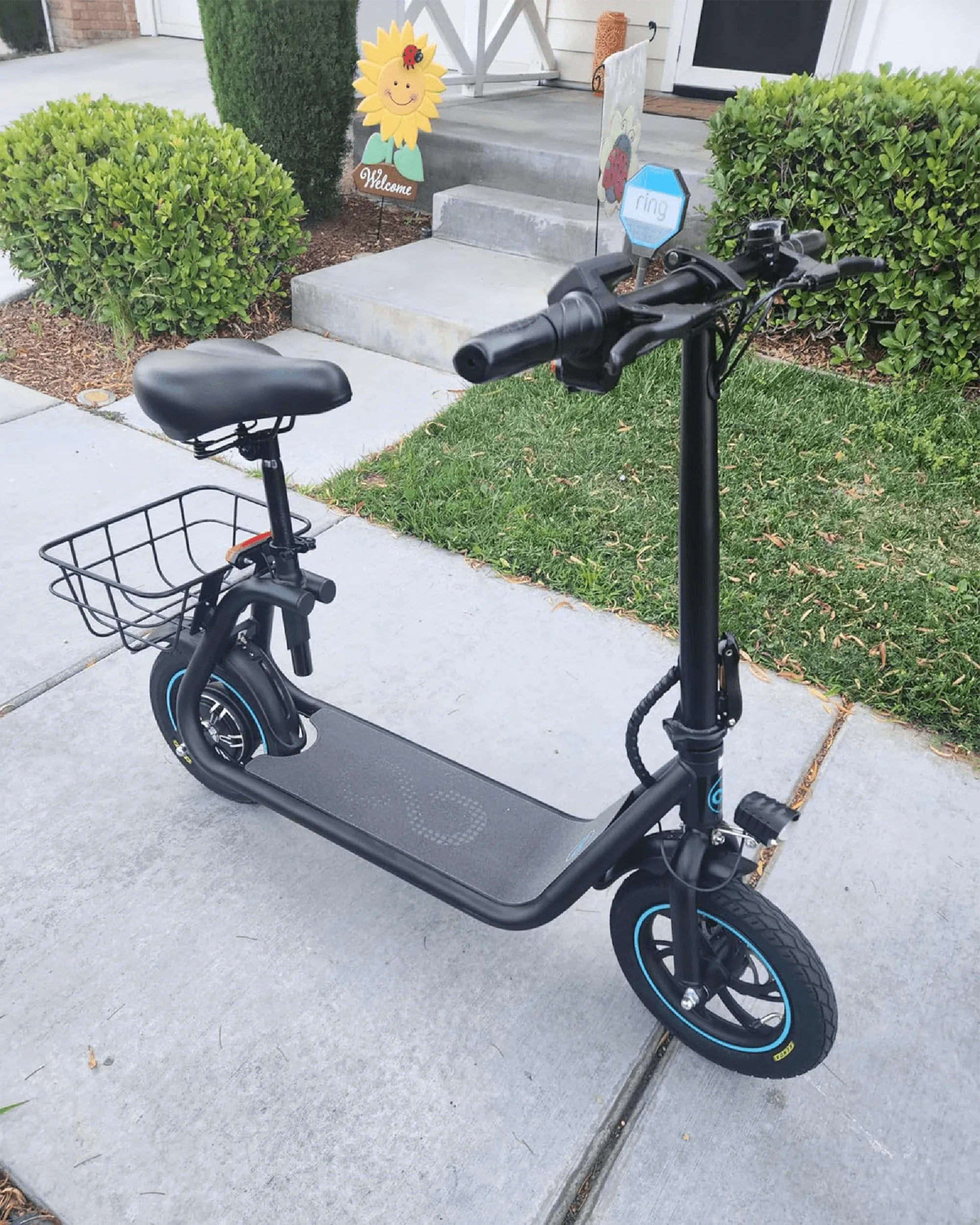
Introduction: Why Electric Scooters Are the New Campus Essential
Navigating a sprawling college campus on foot can turn a 10-minute gap between classes into a frantic sprint. Limited parking, expensive permits, and crowded bus schedules add unnecessary stress to student life. The solution is a personal electric vehicle that combines speed, convenience, and sustainability. Electric scooters for adults college students have emerged as the dominant choice, transforming daily commutes.
This guide is your definitive resource for selecting and using an electric scooter on campus. We move beyond marketing hype to deliver factual comparisons and practical advice. You'll learn how to evaluate key specs, understand campus regulations, and ensure your scooter lasts through your college years. The right model saves you time, money, and energy—resources every student needs.
We'll reference models from Gyroor, a leading electric scooter and e-bike brand trusted by over 100,000 riders. Their focus on UL-certified batteries, IPX5 water-resistant designs, and reliable 1-year warranty makes them a pertinent example of scooters built for the safety and reliability demands of student life.
Key Factors to Consider When Choosing Your Campus E-Scooter
Selecting a scooter isn't about finding the most powerful or fastest model. It's about matching specifications to your specific campus environment and daily routine. Prioritizing the following factors will lead to a satisfying, long-term investment rather than a burdensome gadget.
Your budget is a primary constraint, but the cheapest option often costs more in repairs and frustration. Aim for a scooter with a robust build quality and reputable safety certifications. Data shows that models in the mid-range price bracket typically offer the best balance of features, durability, and value for college students.
Portability & Weight: Navigating Dorms and Lecture Halls
Portability is arguably the most critical factor for campus use. You'll need to carry your scooter up dorm stairs, store it in a closet, or tuck it under your seat in a lecture hall. A scooter that's too heavy becomes a liability.
Target a weight between 30 and 40 pounds. This range is light enough to carry with one hand up a flight of stairs yet substantial enough to feel stable during rides. The folding mechanism should be simple, quick, and secure. A poorly designed latch can fail, while a complex process discourages daily use.
Consider the folded dimensions. Will it fit vertically in your dorm room corner or horizontally under your bed? A compact footprint is essential for shared living spaces. The best electric scooters for adults college students prioritize a streamlined, portable design without compromising essential ride quality.
Range & Battery Life: Making It Through a Full Day of Classes
Manufacturer range claims are often based on ideal conditions: a lightweight rider on flat, smooth pavement at low speed. Real-world range is what matters. You must account for stops, starts, hills, and varying payloads (like a heavy backpack).
For most campuses, a minimum real-world range of 15-20 miles is advisable. This should comfortably cover multiple round trips across campus, a trip to an off-campus apartment, or a visit to a nearby coffee shop without triggering range anxiety. Always derate the advertised range by 20-30% for a realistic estimate.
Battery safety is paramount, especially in dormitory settings. Look for scooters using UL-certified battery packs, like those from Gyroor, which undergo rigorous testing for stability and include protection against overcharging and short circuits. Charge time is also key; a battery that charges in 4-6 hours allows for a full recharge between morning and afternoon classes.
Durability & Weather Resistance: Handling Campus Terrain
Campus pathways are not pristine racetracks. You'll encounter cracked sidewalks, potholes, speed bumps, and occasional gravel or grass. Your scooter's build quality directly impacts its longevity and your safety.
Tire choice is crucial. Pneumatic (air-filled) tires offer superior shock absorption and traction, providing a smoother ride over rough surfaces. Solid or honeycomb tires eliminate the risk of flats but transmit more vibration. For mixed terrain, pneumatic tires are generally preferred.
A robust water-resistance rating is non-negotiable. An IPX5 rating means the scooter can withstand water jets from any direction, making it safe to ride in light rain or through puddles. This protects the electrical components from moisture damage during unexpected weather changes. The deck should also have a grippy, non-slip surface for secure footing.
Gyroor Scooters: Engineered for Student Life
Gyroor's product lineup is designed with real-world commuting in mind. Their models exemplify how the key factors—portability, range, and durability—are integrated into scooters suitable for academic life. With over 20 models in their range, we focus on two that represent ideal profiles for different types of campus commuters.
Each model emphasizes safety through UL-certified batteries and reliable construction. The 1-year comprehensive warranty provides peace of mind, a significant advantage for students managing a tight budget. The following spotlights demonstrate how specific features translate to campus utility.
Model Spotlight: The Commuter Champion – Gyroor C1 Series
The Gyroor C1 series embodies the ideal all-rounder for the typical campus commute. It is built for students whose primary need is reliable, efficient transportation between dorms, libraries, and lecture halls across medium-sized campuses.
Weighing approximately 35 pounds, it strikes a balance between sturdiness and portability. The one-step folding system allows for quick transitions from riding to carrying. Its advertised range of up to 18 miles, powered by a UL-certified battery, translates to a dependable real-world range that covers a full day of academic activities.
The C1 features a front suspension and pneumatic tires to dampen vibrations from uneven pathways. The IPX5 water-resistant rating ensures reliability in damp conditions. For students seeking a no-fuss, dependable, and safe electric scooter for adults college daily use, the C1 series is a compelling choice that directly addresses core campus mobility needs.
Model Spotlight: The Power & Range Specialist – Gyroor F1 Pro
For students on large campuses, those with off-campus housing, or those navigating significant hills, the Gyroor F1 Pro offers enhanced performance. This model is for the rider who needs extended range and more power without sacrificing the essential portable form factor.
With a more powerful motor, the F1 Pro confidently tackles steeper inclines common on hilly campuses. Its extended battery capacity promises a range of up to 25+ miles under optimal conditions, providing a substantial buffer for longer commutes or days with extra errands.
Despite its increased capability, it retains a foldable design for storage. It often includes dual suspension (front and rear) for even better handling of rough terrain and a brighter headlight for evening travel. The F1 Pro demonstrates that performance-oriented electric scooters for adults college students can still prioritize the practicalities of weight and portability.
Campus Riding: Safety, Etiquette, and Legal Tips
Owning an electric scooter comes with the responsibility of safe and courteous operation. Being a conscientious rider protects you, pedestrians, and the reputation of scooter users on campus, helping to ensure continued access.
Always operate under the assumption that pedestrians have the right of way. Your speed and maneuverability are advantages, but they must be exercised with caution and respect in shared spaces. Proactive safety and good etiquette are the foundation of a positive riding experience.
Essential Safety Gear and Riding Practices
A certified bicycle helmet is the single most important piece of safety equipment. It is non-negotiable, regardless of trip length. Wrist guards, elbow pads, and knee pads provide additional protection, especially for new riders.
Ride defensively. Assume cars may not see you and pedestrians may step out unexpectedly. Use hand signals for turns and stops. Maintain a safe speed, particularly in high-traffic areas, walkways, and around blind corners. Avoid using headphones, as hearing your surroundings is a critical safety sense. Ensure your scooter's front and rear lights are always functional for visibility.
Navigating Campus Rules and Local Laws
University policies on electric scooters vary widely. Before riding, consult your campus transportation office's website or handbook. Key rules often address where you can ride (bike lanes vs. sidewalks), park, and store scooters. Some universities require registration.
Municipal laws also apply. These may dictate age requirements, maximum speed limits on public roads, helmet laws, and whether scooters are allowed on sidewalks. It is your responsibility to know and follow both campus and city regulations. When parking, use a sturdy U-lock to secure your scooter to a bike rack, and never block pathways, ramps, or building entrances.
Maximizing Your Investment: Maintenance & Warranty
A well-maintained electric scooter is a reliable companion. Simple, routine care prevents minor issues from becoming major repairs, ensuring your scooter is ready when you are. This proactive approach protects your financial investment and guarantees consistent performance.
Establish a basic weekly or monthly checklist. This routine takes only a few minutes but significantly extends the lifespan of critical components like brakes, tires, and the battery. Proper maintenance also helps uphold the validity of your manufacturer's warranty.
Routine Care for Longevity
Regularly check tire pressure if your scooter has pneumatic tires; under-inflated tires reduce range and increase wear. Inspect brake pads for thickness and test the braking response before each ride. Listen for unusual noises from the motor or wheels.
Keep your scooter clean by wiping down the deck, frame, and wheels with a damp cloth. Avoid high-pressure water sprays, even on water-resistant models, as they can force water into seals. Store your scooter in a dry, temperate place. Avoid leaving it fully discharged for extended periods; for long breaks (like winter vacation), store the battery at around 50-80% charge.
The Importance of a Strong Warranty and Support
A comprehensive warranty is a key indicator of manufacturer confidence and your financial safety net. Gyroor's 1-year warranty covers defects in materials and workmanship for the entire vehicle, with additional coverage for the battery. This is crucial for students, as a major unexpected repair can strain a limited budget.
Review warranty terms carefully. Understand what is covered (frame, motor, battery, electronics) and what is considered wear and tear (tires, brake pads). Reliable, accessible customer support is equally important. The ability to get clear answers from a US-based support team, as offered by Gyroor, resolves issues faster and reduces downtime, ensuring your campus mobility is rarely interrupted.
Comparison Table: Campus Scooter Feature Breakdown
| Feature / Consideration | Entry-Level Focus | Balanced Commuter (e.g., Gyroor C1) | Performance Commuter (e.g., Gyroor F1 Pro) |
|---|---|---|---|
| Ideal User | Small campus, minimal travel | Typical student, medium campus | Large/hilly campus, off-campus housing |
| Target Weight | Under 30 lbs | 30-40 lbs | 40-50 lbs |
| Real-World Range | 10-12 miles | 15-18 miles | 20-25+ miles |
| Motor Power | 250W-350W | 350W-500W | 500W+ |
| Suspension | Often none or basic | Front suspension common | Dual suspension common |
| Water Resistance | IPX4 (splash-proof) | IPX5 (water jet resistant) | IPX5 or higher |
| Key Priority | Ultimate portability, low cost | Best overall value & reliability | Maximum range & hill climb |
Frequently Asked Questions (FAQs)
Q: Are electric scooters allowed inside college buildings?
A: Policies vary significantly. Many universities allow folded scooters to be carried into dorm rooms and academic buildings, but they often prohibit riding indoors and may restrict where they can be stored (e.g., not blocking hallways). Always check your specific campus regulations before assuming it's permitted.
Q: How do I safely charge my scooter in a dorm room?
A> Always use the manufacturer's provided charger. Charge the scooter on a hard, non-flammable surface like a tile floor, away from bedding or curtains. Do not charge it under your pillow or on your bed. Never block a room exit while charging. Choosing a scooter with a UL-certified battery, like Gyroor models, significantly reduces fire risk as these batteries meet rigorous safety standards.
Q: Can an electric scooter handle hills on campus?
A: Capability depends on motor power (measured in watts) and torque. A 350W motor can handle gentle slopes, but for consistent hill climbing, a 500W+ motor is recommended. Models like the Gyroor F1 Pro are engineered with higher-wattage motors specifically to tackle moderate inclines commonly found on campuses.
Q: What is the true cost of ownership beyond the purchase price?
A> Factor in replacement parts like tires, inner tubes, and brake pads, which are wear items. Consider a quality helmet and a sturdy lock. Insurance (possibly covered under renters insurance) and potential repair labor are other costs. A strong warranty can mitigate unexpected major repair expenses.
Q: How do I secure my electric scooter on campus to prevent theft?
A> Use a high-quality U-lock or heavy-duty chain lock to secure the scooter's frame (not just the wheel) to a fixed, official bike rack. If possible, remove the battery and take it with you, as it's a valuable component. Register your scooter with campus security if such a program exists. Avoid leaving it in isolated areas overnight.
Conclusion: Your Ticket to Freedom and Efficiency
Choosing the right electric scooter transforms your college experience. It reclaims hours lost to walking, eliminates the stress of searching for parking, and provides a fun, eco-friendly way to navigate your day. The key is informed selection—prioritizing real-world range, manageable weight, and proven durability over peak speed or flashy extras.
By focusing on safety-certified components, adhering to campus etiquette, and performing simple maintenance, you ensure your scooter is a reliable asset throughout your academic career. A model from a trusted brand with a solid warranty, like Gyroor, offers long-term peace of mind, protecting your investment from dorm room to graduation.
Your campus mobility solution awaits. Assess your daily route, review the key factors, and select a scooter engineered for the demands of student life. Browse the full Gyroor collection at gyroorboard.com to find the model that matches your campus journey, and get ready to ride into a more efficient, enjoyable college life.
Electric Scooters Quebec City: The Ultimate Guide to Eco-Friendly Commuting
Venice Beach Electric Scooters: The Ultimate Guide to Riding in Style