



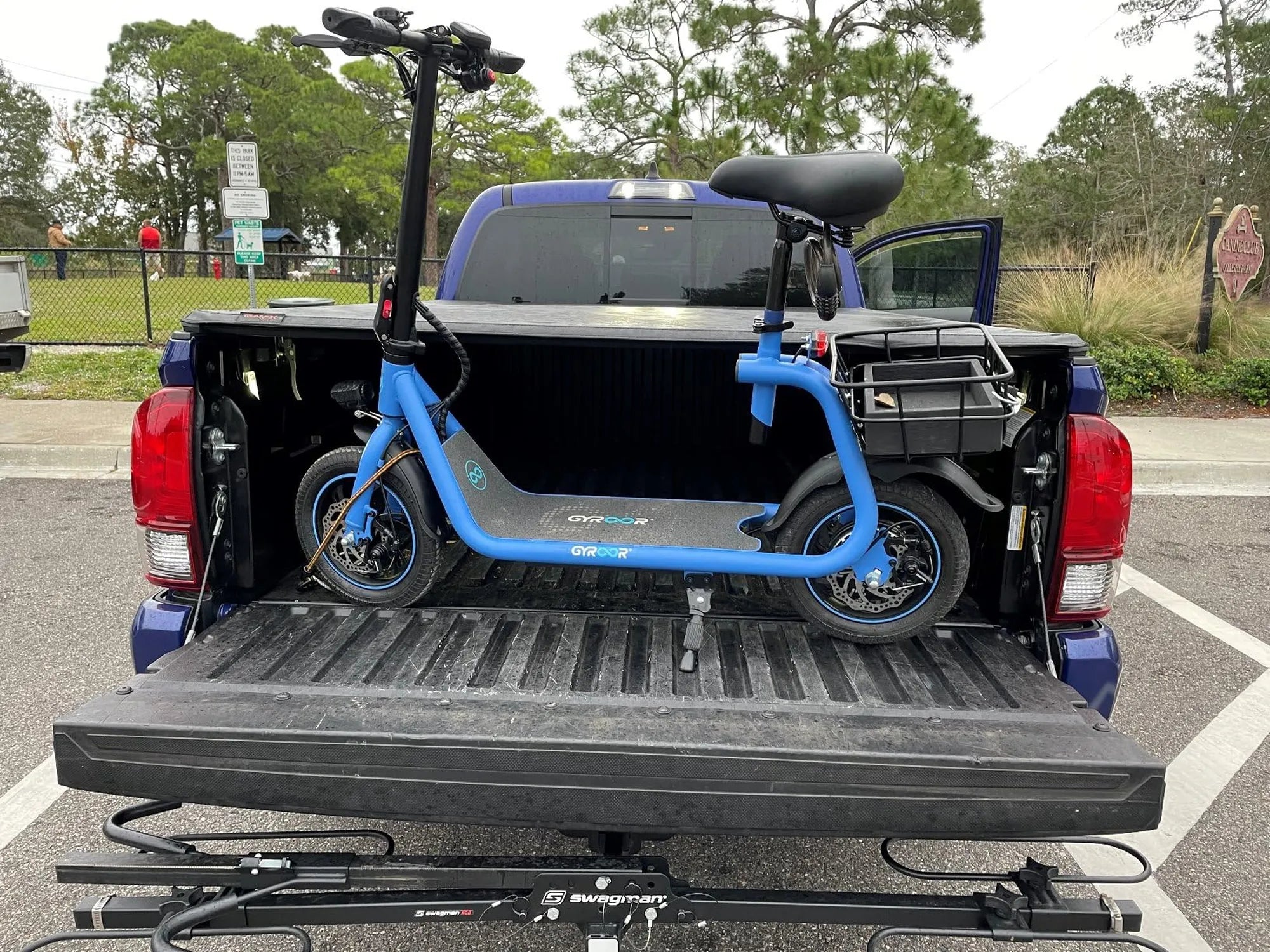
Introduction: Navigating the Complex World of Street-Legal E-Scooters
Understanding what makes electric scooters for adults street legal in the USA is crucial for safety, compliance, and avoiding fines. This guide cuts through the confusion of varying state and local laws. We provide a clear roadmap to compliant riding, from legal definitions to essential scooter features.
You will learn how to verify your local ordinances, identify the non-negotiable safety hardware on a legal scooter, and make an informed purchase. Our goal is to empower you with knowledge, transforming your e-scooter from a novelty into a legitimate, reliable, and enjoyable mode of daily transportation.
Understanding "Street Legal": A State-by-State Primer
The term "street legal" for electric scooters in the USA is defined almost entirely at the state and municipal level, not federally. There is no single national standard. A model that is perfectly legal in one city might be prohibited in the next.
Generally, "street legal" means the scooter meets specific criteria set by a governing authority for operation on public roads, bike lanes, or pathways. Compliance is not optional; riding a non-compliant scooter can result in citations, fines, and even impoundment of your vehicle.
This patchwork of regulations makes personal diligence essential. Riders must become experts on their local rules. The core philosophy behind these laws balances innovation with public safety, aiming to integrate new micro-mobility options without compromising the safety of riders, pedestrians, and other road users.
Key Legal Requirements Across Most States
While specific numbers vary, a consensus has emerged around several key parameters for low-speed electric scooters. Most state laws cluster around these common benchmarks, which manufacturers like Gyroor design their products to meet.
Speed and Power Limits: The most common restriction is a maximum speed, typically between 15 and 20 mph when operated on public property. Correspondingly, motor power is often capped, with 750 watts being a frequent upper limit for scooter-class vehicles.
Minimum Age and Operator Rules: A majority of jurisdictions require riders to be at least 16 years old. Operator's licenses are less commonly required for these low-speed vehicles, but rules against riding under the influence of alcohol or drugs are universal and strictly enforced.
Mandatory Safety Equipment: Legally compliant electric scooters for adults in the USA must have certain equipment. This almost always includes a front headlight and a rear red brake light for visibility, as well as an audible signaling device like a bell or horn.
How to Check Your Local Ordinances
Verifying the law is a straightforward, multi-step process. Start with your state's Department of Motor Vehicles (DMV) or transportation website. Search for terms like "electric scooter," "motorized scooter," or "low-speed electric bicycle" laws.
Next, drill down to your specific city or county government website. Look for transportation, public works, or police department pages. Local ordinances can be more restrictive than state laws, especially regarding where you can ride (e.g., sidewalk bans in business districts).
Finally, consult local micro-mobility advocacy groups or bike coalitions. They often have compiled, user-friendly summaries of local regulations. This ten-minute research investment is the most important step in ensuring your ride is legal and safe.
Essential Features of a Compliant and Safe Electric Scooter
Choosing the right scooter means selecting a model built for compliance, not modified to barely meet it. The right features are integrated from the design phase, ensuring reliability and safety that lasts for thousands of miles.
A true street-legal scooter is more than a motor and a deck; it's a complete vehicle system. From its lighting to its braking and its construction quality, every component plays a role in keeping you safe and within the bounds of the law.
Brands that prioritize compliance, like Gyroor, engineer these features into their core design. This results in a harmonious product where performance, safety, and legality are aligned, not in conflict.
Safety & Compliance Hardware: Lights, Brakes, and Signals
Lighting is non-negotiable for legal twilight or night riding. A compliant scooter needs a bright, focused headlight (not just a decorative LED) to illuminate the path and a dedicated red tail light that activates during braking. Reflectors on the sides and rear are also common legal requirements.
The braking system is your primary safety mechanism. A reliable street-legal model should feature a dual-braking system. This typically combines a responsive electronic (regenerative) brake with a physical disc or drum brake, providing redundant stopping power in all conditions.
An audible bell or horn is a simple but vital tool for signaling your presence to pedestrians and other path users, fulfilling a common legal mandate. Don't underestimate this feature; clear communication prevents accidents.
The Power and Speed Sweet Spot for Legal Riding
Motor wattage (e.g., 350W, 500W) directly influences a scooter's torque and hill-climbing ability, but legal models are designed with caps. A 500W motor, for instance, provides ample power for most urban hills while typically staying well within state power limits.
The most user-friendly feature for legal compliance is multiple speed modes. A "Street Mode" that caps speed at 15-20 mph allows you to ride legally with a simple button press. You can then use higher-performance modes only on private property, ensuring you never accidentally exceed legal limits in public.
This design philosophy respects the law while delivering versatility. It ensures that your electric scooter for adults is street legal in the USA by default, removing the burden of constant speed monitoring from the rider.
Build Quality and Warranty: Your Long-Term Assurance
Legal compliance is meaningless if the scooter is unreliable. Build quality dictates longevity and safety. Look for aircraft-grade aluminum frames, water-resistant ratings (IPX5 or higher for peace of mind in rain), and robust construction that can handle daily urban use.
The battery is the heart of the scooter and the biggest safety concern. Insist on UL-certified battery packs. This independent certification, used by Gyroor, means the battery has passed rigorous tests for electrical, mechanical, and environmental safety, drastically reducing fire risk.
A strong warranty is the brand's promise. A comprehensive 1-year warranty on the vehicle, like Gyroor offers, protects your investment and signals confidence in the product's durability and the availability of replacement parts and support.
Top Considerations When Choosing Your Street-Legal E-Scooter
With legal parameters established, your choice becomes about matching a compliant scooter to your specific needs. This decision balances practical factors like daily commute distance, terrain, and portability requirements.
A data-driven approach prevents overpaying for unneeded performance or buying an underpowered scooter that disappoints. Consider your real-world use case first, then find the scooter that fits it within the legal framework.
The following table compares key decision factors across common commuter scenarios:
| Primary Use Case | Key Priority | Recommended Specs | Legal Compliance Focus |
|---|---|---|---|
| Last-Mile / Multi-Modal | Portability & Weight | Under 35 lbs, Folding Mechanism | Sidewalk riding laws, bike lane access |
| Full Urban Commute (5-10 mi) | Range & Comfort | 20+ mi Real Range, Suspension, Air Tires | Road/Bike lane laws, lighting for dawn/dusk |
| Hilly City Terrain | Motor Power & Brakes | 500W+ Motor, Dual Braking System | Power cap compliance, reliable braking for safety |
| All-Weather Reliability | Durability & Water Resistance | IPX5+ Rating, Fender Coverage | Consistent operation to maintain legal riding capability |
Balancing Range, Weight, and Portability
Advertised range is a best-case scenario. Real-world range is affected by rider weight, hills, frequent stops, and speed. For a reliable daily commute, choose a scooter with a real-world range at least 1.5 times your round-trip distance.
Weight is a critical factor for portability. If you need to carry your scooter up stairs or onto public transit, a model under 35 pounds is essential. Heavier scooters (45-60 lbs) offer more stability and range but sacrifice easy portability.
The folding mechanism's quality is paramount. It should be robust, secure, and easy to operate with one hand. A poorly designed hinge is a safety and reliability hazard, not just an inconvenience.
Terrain and Commute: Matching the Scooter to Your Route
Analyze your regular route. Smooth, paved bike lanes? Larger solid or air-filled tires (8.5-10 inches) will suffice. Dealing with cracked pavement, brick streets, or minor potholes? Front suspension and pneumatic (air-filled) tires become necessary for comfort and control.
Hill climbing ability is determined by motor wattage and torque. A 350W motor can handle gentle slopes, but for consistent hills, a 500W or higher motor is recommended. Check the scooter's specified grade capability (e.g., 15% grade).
Consider storage at your destination. Do you need to fold it under a desk, or will it be locked outside? This affects your need for a compact fold and may influence your decision on optional security accessories.
The Importance of Brand Reputation and Certified Safety
An established brand with a track record in North America is a safer bet. They understand the regulatory landscape and design for it. Look for brands with transparent customer service, available parts, and clear documentation, like Gyroor's US-based support.
Safety certifications are tangible proof of quality. Beyond the crucial UL certification for the battery, look for mentions of compliance with relevant electrical or machinery safety standards. This indicates rigorous internal testing.
Customer reviews and ratings are invaluable. Read reviews focusing on long-term durability, customer service experiences, and real-world performance. A 4.5/5 average from thousands of riders, as seen with trusted brands, is a powerful indicator of reliability.
Responsible Riding: Laws, Etiquette, and Best Practices
Owning a compliant scooter is only half the equation. Responsible riding completes the pact for safe and legal micro-mobility. Your behavior on the road directly impacts public safety and the perception of all e-scooter riders.
Adopting a defensive riding mindset is essential. Assume that drivers may not see you, that pedestrians may step out suddenly, and that road surfaces can be unpredictable. Proactive caution is your best defense.
Following the rules of the road and practicing good etiquette fosters a positive environment for micro-mobility, encouraging cities to expand access rather than restrict it.
Pre-Ride Checklist and Protective Gear
Before every ride, perform a quick safety check: verify tire pressure, test both brake levers for firm engagement, ensure front and rear lights are functioning, and confirm the folding mechanism (if used) is fully locked.
A helmet is the single most important piece of safety gear. Use a certified bicycle or multi-impact helmet every time. For new riders or those in heavy traffic, consider additional protection like gloves, knee pads, and elbow pads.
Increase your visibility with bright or reflective clothing, especially at night. Some riders add additional LED lights or reflective strips to their scooter or backpack for enhanced side visibility.
Sharing the Road: Rules for Bike Lanes, Roads, and Sidewalks
Where permitted, bike lanes are the preferred and safest place to ride. Ride in the direction of traffic, signal your turns with your arm, and pass other users carefully and audibly (use your bell).
When riding on the road, position yourself visibly in the lane, follow all traffic signals, and never weave between stopped cars. Be predictable. If a road feels too fast or dangerous, find an alternate route.
Sidewalk riding is widely discouraged or illegal for adult riders in business districts due to pedestrian danger. If you must use a sidewalk where it's legal, ride at walking speed, yield to every pedestrian, and be prepared to stop or dismount.
Maintenance and Upkeep for Long-Term Reliability
Regular maintenance keeps your scooter safe, legal, and performing well. A simple monthly routine can prevent most major issues and extend the life of your vehicle significantly.
Refer to your owner's manual for specific intervals, but general principles apply to all electric scooters for adults. Neglecting maintenance can lead to safety failures, like brake degradation, which could cause an accident or legal issue if your equipment is found faulty.
Proactive care protects your investment and ensures that the safety features designed to keep you compliant remain fully functional.
Regular Checks and Basic Servicing
Tire Care: For pneumatic tires, check pressure weekly. Under-inflated tires increase rolling resistance (killing range) and risk pinch flats. For solid tires, visually inspect for deep wear or cracks.
Brake Adjustment: Brake pads wear down. Listen for scraping metal sounds and check pad thickness. Mechanical disc brakes may need cable tension adjustment over time to keep the lever feel firm.
Bolt and Frame Inspection: Periodically check that key bolts (stem, folding mechanism, wheel axles) are tight. Visually inspect the frame for any unusual cracks or stress marks, especially after a hard impact.
Battery Care and Seasonal Storage
Optimal battery practices maximize lifespan. Avoid regularly draining the battery to 0%. Try to keep it between 20% and 80% for daily use. For long-term storage (over a month), store the battery at a 50-70% charge in a cool, dry place.
Use only the manufacturer-provided charger. Off-brand chargers can damage the battery's management system, creating a safety hazard and voiding your warranty.
Clean your scooter with a damp cloth. Avoid high-pressure hoses, which can force water into electrical components despite water-resistant ratings. Dry it thoroughly after riding in wet conditions.
FAQ: Your Electric Scooter Legality Questions Answered
Q: Do I need a license, registration, or insurance to ride a street-legal e-scooter?
A: For low-speed electric scooters (typically under 20 mph), most states do not require a driver's license, vehicle registration, or insurance. However, notable exceptions exist. Some states, like Iowa, require a valid driver's license. Always check your specific state law, as this is a common point of variation.
Q: Can I modify my scooter to go faster and still be legal?
A: Absolutely not. Modifying a scooter to exceed local speed or power limits instantly voids its status as a street-legal vehicle. It also almost certainly voids the manufacturer's warranty and exposes you to significant liability in the event of an accident. You could be fined and held responsible for any damages.
Q: Where exactly am I allowed to ride—bike lane, road, or sidewalk?
A: This is the most location-specific rule. As a general hierarchy: 1) Bike Lanes/Paths: Almost always permitted and safest. 2) Roads: Often permitted, but you must follow all vehicular traffic laws. 3) Sidewalks: Frequently prohibited for adults, especially in business districts. Your city's municipal code is the final authority.
Q: Are there DUI laws that apply to electric scooters?
A: Yes. Operating any motorized vehicle, including a low-speed electric scooter, while under the influence of alcohol or drugs is illegal in all 50 states. You can be arrested for DUI, face fines, license suspension (of your driver's license), and even jail time. The legal blood-alcohol limit is the same as for cars.
Q: What happens if I'm in an accident on my e-scooter?
A: You are the operator of a vehicle. Follow the same procedures as a bicycle or car accident: ensure safety, exchange information with the other party, document the scene with photos, and file a police report. Your personal health insurance or renter's/homeowner's insurance may be relevant for injuries or liability. Specific e-scooter insurance is emerging but not yet common.
Conclusion: Your Path to Confident, Compliant Riding
Navigating the world of street-legal electric scooters for adults in the USA requires understanding a three-part framework: know the law, choose the right equipment, and ride responsibly. By verifying your local ordinances, selecting a scooter built with compliant safety features like UL-certified batteries and proper lighting, and adopting a defensive riding posture, you transform your e-scooter into a legitimate and reliable tool for modern life.
The freedom and efficiency of electric micro-mobility are best enjoyed on a foundation of safety and legality. This ensures not only your own protection but also contributes to the positive growth of sustainable transportation options in our cities. Your informed choice as a rider makes the roads better for everyone.
Ready to explore compliant, high-quality models designed for the American rider? Browse the full collection of UL-certified, feature-rich electric scooters and e-bikes at gyroorboard.com. Find the perfect model that matches your commute, your local laws, and your desire for adventure.
Are Refurbished Electric Scooters Good? A Comprehensive Guide to Smart Savings
Electric Scooters for Sale in Nottingham: The Ultimate Urban Commuting Solution