



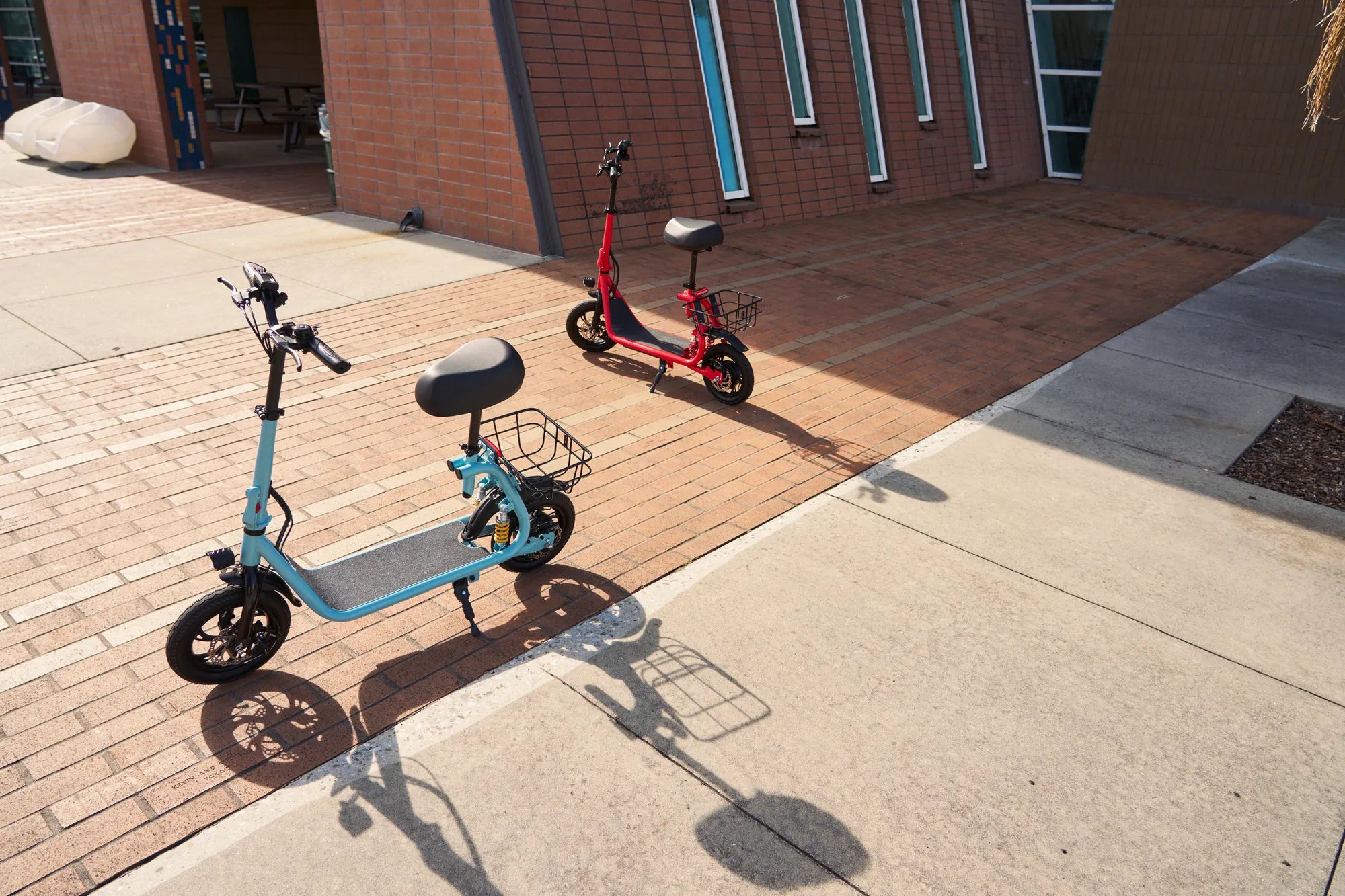
Introduction: The Allure and Responsibility of High-Speed Electric Scooters
The quest for efficient, exhilarating personal transportation has propelled electric scooters for adults that go fast to the forefront of urban mobility. These are not toys; they are sophisticated machines designed for commuters seeking to slash travel times and enthusiasts chasing the adrenaline of acceleration. The core appeal lies in transforming mundane trips into dynamic experiences, but this capability demands respect.
This guide delves into the intricate balance between the thrill of speed and the non-negotiable pillars of safety and legality. We will dissect the engineering that enables high performance, examine the critical features that keep riders secure, and provide a framework for responsible ownership. Understanding this balance is key to unlocking the true potential of fast electric scooters.
Navigating this landscape requires moving beyond basic specifications. It involves comprehending how power systems interact, how design dictates stability at velocity, and how local laws shape where and how you can ride. Our goal is to equip you with the knowledge to make an informed decision and ride with confidence.
Whether your priority is a swift daily commute or weekend recreation, selecting the right high-speed scooter involves careful consideration. The journey begins with understanding what truly makes an electric scooter "fast" beyond a simple top-speed number.
What Makes an Electric Scooter "Fast"? Decoding Performance Metrics
Top speed is the headline figure, but it's only one part of the performance equation. A truly fast electric scooter for adults delivers a combination of high velocity, brisk acceleration, and the ability to maintain pace on inclines. These characteristics are dictated by a synergy of three core technical metrics: motor power, system voltage, and battery capacity.
Acceleration, or torque, determines how quickly you reach that top speed. It's crucial for merging with traffic, navigating intersections, and, frankly, for the sheer thrill of the ride. A scooter with high torque feels responsive and powerful, while one lacking it may feel sluggish despite a high claimed top speed.
Performance is also about sustained power. A scooter must deliver consistent speed without significant voltage sag, especially during longer rides or when carrying heavier loads. This is where the quality of the electrical system and battery management becomes paramount. It's the difference between peak and real-world performance.
Finally, stability at speed is a performance feature. A scooter that feels wobbly or unstable at 20+ mph is not truly performing well, regardless of its motor specs. The mechanical design—frame, wheels, suspension—is what allows the rider to safely harness the electrical power. Performance is a holistic measure of power delivery and controllability.
Motor Power and Voltage: The Heart of the Machine
Motor wattage is the most cited power spec. For fast scooters, continuous power ratings (not just peak) are key. A 500W motor is a common entry-point for decent speed, while 1000W and above enable higher top speeds and much better hill-climbing. Dual-motor configurations, often seen in premium models, can double the power output for extreme acceleration and gradeability.
Voltage (36V, 48V, 52V) is equally critical. Think of voltage as the "pressure" pushing electrical energy to the motor. Higher voltage systems allow motors to draw more power efficiently, resulting in higher top speeds and reduced performance loss on hills. A 48V system is typically the baseline for serious high-speed scooters.
Brands like Gyroor utilize this engineering in models like the Gyroor S1, which features a robust 500W motor for strong commuter performance, and more powerful variants in their lineup designed for riders seeking greater velocity. The motor's design, whether hub-driven or geared, also impacts efficiency and torque characteristics.
It's important to match motor power with your typical terrain. A 350W scooter may struggle on San Francisco's hills, while a 1000W scooter would be overkill for perfectly flat bike paths. Understanding this relationship ensures you choose a scooter with power suited to your environment.
The Battery: Fueling Speed and Determining Range
The battery is the fuel tank for your scooter's performance. Its capacity, measured in Watt-hours (Wh) or Amp-hours (Ah), directly dictates how far you can travel. More importantly for speed, a high-quality, high-capacity battery is essential for delivering the high current demands of a powerful motor without excessive voltage drop.
Riding at top speed is the most energy-intensive mode of operation. Therefore, the real-world range of a fast electric scooter can be significantly less than the manufacturer's maximum claim, which is often based on ideal conditions and lower speeds. A scooter with a 25-mile range at 15 mph might only achieve 15 miles if ridden consistently at its 25 mph top speed.
Battery safety and longevity are non-negotiable for high-performance models. UL-certified battery packs, like those used across Gyroor's lineup, undergo rigorous testing for stability, charge cycles (typically 500+), and safety protocols. This certification is a critical indicator of quality, reducing risks associated with heat and overcurrent during high-power output.
For riders prioritizing speed, opting for the largest battery capacity available for a given model is wise. It not only extends usable range at high speeds but also generally supports better sustained power delivery and overall battery health over its lifespan.
Anatomy of a High-Speed Scooter: Essential Design Features
Powerful electronics must be housed in a chassis designed to handle the stresses of speed. The build quality and component selection of a fast electric scooter are what translate raw power into a controlled, safe, and enjoyable riding experience. Key design elements work in concert to provide stability, durability, and rider confidence.
Compromises in frame design or component quality that might be acceptable on a slower scooter become critical failure points at higher velocities. A high-speed scooter is characterized by its overbuilt nature—components are chosen not just to function, but to function reliably under greater mechanical and thermal stress.
This robust construction directly impacts safety. A rigid frame provides predictable handling, quality brakes offer consistent stopping power, and proper lighting ensures you are seen. These features are not optional extras; they are integral to the scooter's high-speed capability.
When evaluating electric scooters for adults that go fast, a close inspection of these physical attributes is as important as reviewing the motor and battery specs. The following elements form the foundation of a capable high-speed platform.
Frame, Deck, and Wheel Dynamics
The frame is the scooter's skeleton. For speed, a rigid, aerospace-grade aluminum alloy frame is standard. It resists flexing under load and during high-speed maneuvers, ensuring precise steering input. Folding mechanisms must be exceptionally robust, with secure locking pins to prevent any play or wobble.
The deck provides the rider's platform. A wider, longer deck allows for more stable and comfortable foot placement, which is crucial for maintaining balance during acceleration and braking. Anti-slip deck tape or rubberized surfaces are essential for keeping feet firmly planted.
Wheel size and type dramatically affect ride quality and stability. Larger wheels (8.5 inches and above) roll over pavement cracks and small obstacles more easily, maintaining momentum and control. Air-filled (pneumatic) tires provide essential shock absorption and superior traction compared to solid tires, especially on wet or uneven surfaces.
Suspension systems—spring or hydraulic—are common on high-speed models. They work with the tires to absorb impacts, keeping the wheels in contact with the ground for better control and braking, and significantly improving rider comfort on longer, faster rides.
Integrated Safety and Control Systems
Speed multiplies risk, making advanced safety systems mandatory. A dual braking system is the gold standard, typically combining a hydraulic or mechanical disc brake on the rear or both wheels with an electronic regenerative brake. This redundancy ensures stopping power even if one system is compromised.
Lighting is a critical active safety feature. Bright LED headlights (ideally 500 lumens or more) illuminate the path ahead at speed, while integrated brake lights and turn signals communicate your intentions to other road users. Ambient rear deck lighting also increases side visibility.
The control interface must be precise. A responsive thumb or trigger throttle allows for smooth acceleration modulation. A clear, bright digital display shows speed, battery level, and riding mode. Many fast scooters, including several Gyroor models, feature IPX5 water resistance, protecting the electronics from rain and splashes, which is a vital safety and reliability feature for all-weather commuters.
Finally, thoughtful details like wide, rubberized handlebars for leverage, audible horn or bell, and reflective accents all contribute to a comprehensive safety package that allows the rider to focus on the road.
The Legal Landscape: Navigating Regulations for Fast E-Scooters
The excitement of owning a fast electric scooter is tempered by the reality of local regulations, which vary widely and are evolving rapidly. Ignorance of the law is not a defense and can result in fines, impoundment, or worse. Responsible ownership begins with understanding and adhering to the rules that govern your area.
Most municipalities in North America and Europe base their regulations on a combination of top speed, motor power, and vehicle classification. A common regulatory threshold is 20 mph (32 km/h). Scooters capable of exceeding this speed may be subject to different rules, or may be prohibited from use on public bike paths and sidewalks.
Common legal restrictions include: a minimum rider age (often 16+), helmet requirements (sometimes mandatory for all, sometimes only for minors), a prohibition on sidewalk riding, and mandatory use of bike lanes where available. Some regions require registration, insurance, or a driver's license for higher-powered models.
It is the rider's absolute responsibility to research and comply with local laws. This includes checking not only state/provincial statutes but also city or county ordinances, which can be more restrictive. Riding a scooter that is illegal for your local infrastructure puts you and others at risk and undermines the positive perception of micro-mobility.
The Responsible Rider: Mastering Speed with Safety
Owning a high-performance machine confers a duty to operate it skillfully and safely. The rider is the most important safety component. Developing proper technique, wearing appropriate gear, and maintaining a defensive mindset are what separate a thrilling ride from a dangerous one.
This mindset extends to respecting other path and road users. Pedestrians, cyclists, and motorists may not anticipate your speed. Signaling intentions, yielding right-of-way, and controlling your speed in shared spaces are acts of courtesy and safety. Your behavior influences how all scooter riders are perceived.
Regular practice in a safe, empty environment—like a parking lot—is invaluable. Practice emergency stops, slow-speed maneuvers, and controlled turns to understand your scooter's handling limits. Confidence built on skill is far safer than overconfidence born of inexperience.
Adopting these principles ensures that the pursuit of speed remains a sustainable and enjoyable part of your lifestyle. Let's break down the essential components of responsible high-speed riding.
Essential Protective Gear for the Speed Enthusiast
A helmet is non-negotiable. For speeds above 20 mph, a full-face mountain biking or motorcycle helmet is strongly recommended. It provides superior protection for the chin and jaw in the event of a forward fall, which is common in scooter accidents. Ensure any helmet is CPSC, CE, or DOT certified.
Gloves protect your hands during a fall and improve grip, reducing hand fatigue. Padded cycling or skateboarding gloves are ideal. Elbow and knee pads are highly advisable, as these joints are extremely vulnerable to impact. They can prevent debilitating road rash and fractures.
Durable, closed-toe shoes with good grip are essential. Avoid sandals or flip-flops. For night riding or low-visibility conditions, consider a reflective vest or clothing with integrated reflective elements to maximize your visibility to drivers.
Viewing gear as an investment in your safety, not an optional expense, is the mark of a serious rider. The cost of quality gear is insignificant compared to medical bills or long-term injury.
Riding Techniques and Situational Awareness
Adopt a defensive riding posture: knees slightly bent, weight centered, and hands firmly on the handlebars. Scan the path ahead 50-100 feet for hazards like potholes, debris, wet leaves, or grates. Always assume that drivers do not see you.
Manage your speed according to conditions. Slow down in wet weather, at night, in high-traffic areas, and on unfamiliar paths. Use smooth, progressive inputs for acceleration and braking; sudden jerks can break traction, especially on wet surfaces.
Maintain a safe following distance from vehicles and other path users. You need more time and distance to stop at higher speeds. Never ride under the influence of alcohol or drugs; it impairs judgment, balance, and reaction time catastrophically.
Proper technique is also linked to the longevity of your scooter. Abusive riding can void warranties. Gyroor's 1-year comprehensive warranty, for instance, covers defects in materials and workmanship but requires responsible use and proper maintenance as outlined in the user manual.
Maintenance Checklist for Peak Performance and Safety
Regular maintenance is the cornerstone of safety and performance. Create a pre-ride checklist: check tire pressure (for pneumatic tires), test brake function, ensure all lights work, and verify that the folding mechanism and stem are secure and free of play.
Perform weekly or monthly checks: inspect brake pads for wear, examine tires for cuts or embedded debris, tighten all visible bolts and fasteners with the provided tools, and clean the scooter, especially the braking surfaces, with a damp cloth. Avoid high-pressure water jets.
Battery care is paramount. Use only the manufacturer-provided, certified charger. Store and charge the scooter in a dry, temperate environment. Avoid completely draining the battery; recharge when it reaches 20-30%. For long-term storage, maintain a charge level of around 60%.
Adhering to a maintenance schedule not only prevents accidents but also ensures your scooter delivers consistent performance. It allows you to identify and address minor issues before they become major failures.
Comparing High-Speed Electric Scooter Profiles
To illustrate the trade-offs and specializations within the category of fast electric scooters for adults, the table below contrasts three conceptual profiles based on common market segments. This comparison highlights how different design priorities cater to distinct rider needs.
| Feature | Urban Commuter | Performance Enthusiast | All-Terrain Explorer |
|---|---|---|---|
| Typical Top Speed | 20 - 25 mph | 25 - 40+ mph | 22 - 30 mph |
| Motor Power | 500W - 750W Single | 1000W+ Dual Motors | 800W - 1000W Single |
| Key Priority | Portability, Reliability | Acceleration, Top Speed | Stability, Suspension |
| Wheel Type | 8.5" Pneumatic | 9-10" Pneumatic | 10"+ Off-road Pneumatic |
| Suspension | Basic or None | Front & Rear Hydraulic | Advanced Dual Suspension |
| Ideal Use Case | Daily City Commute | Thrill-Seeking, Long Rides | Trails, Rough Pavement |
| Weight Consideration | Lighter (~40 lbs) | Heavy (60+ lbs) | Heavy (55+ lbs) |
Frequently Asked Questions (FAQ)
1. How fast do most adult electric scooters go?
Most mainstream commuter-focused adult scooters have a top speed between 15-20 mph. Scooters marketed specifically for speed, often with 500W+ motors and 48V systems, typically range from 20-30 mph. High-performance models with dual motors can exceed 40 mph, but these are subject to stricter regulations and demand expert riding skills.
2. Is it legal to ride a fast electric scooter on the road?
Legality depends entirely on local laws. In many areas, scooters are allowed in bike lanes on roads. Some jurisdictions may allow them in traffic lanes if they meet certain equipment requirements (lights, signals) and speed/power limits. Riding on sidewalks is prohibited in most cities. Always check your specific municipal and state/provincial regulations before riding on public roads.
3. How does speed affect the scooter's range?
Speed has an inverse, non-linear relationship with range. Due to increased aerodynamic drag and power draw, riding consistently at top speed can reduce the manufacturer's claimed range by 30-50%. For example, a scooter rated for 25 miles at 15 mph might only achieve 12-15 miles if ridden constantly at its 25 mph maximum.
4. What is the most important safety feature for a fast scooter?
While all safety features are important, a reliable, high-performance dual braking system (e.g., disc + electronic) is arguably the most critical for a fast scooter. The ability to stop predictably and effectively from high speed is fundamental. This should be combined with a robust frame and proper rider gear, especially a full-face helmet.
5. Why are UL-certified batteries crucial for high-performance models?
High-performance scooters place greater thermal and electrical stress on their battery packs. UL certification (like UL 2271) means the battery has passed rigorous independent safety tests for electrical, mechanical, and environmental hazards. This significantly reduces the risk of battery fires—a paramount concern—especially under the high-current demands of fast acceleration and sustained high-speed riding. Brands like Gyroor prioritize this certification across their lineup for this reason.
Making Your Choice: The Path to Informed Ownership
Selecting the right electric scooter for adults that go fast is a decision that balances desire with practicality. The thrill of acceleration and the efficiency of high-speed travel are powerful draws, but they must be grounded in a realistic assessment of your needs, local laws, and safety commitment. The ideal scooter is one whose performance you can fully and safely utilize.
Prioritize models that do not sacrifice build quality or safety systems for the sake of a high top-speed number. A slightly slower scooter with a rigid frame, excellent brakes, and proven reliability will offer more enjoyable and sustainable utility than an unstable, poorly-built speed demon. Look for brands that support their products with strong warranties and accessible customer service.
Remember that your journey as a rider involves continuous learning. Start conservatively, master the controls, and gradually build your skills and confidence as you become one with your machine. The community of responsible scooter riders grows when each individual chooses wisely and rides thoughtfully.
The world of fast electric scooters offers unparalleled freedom and fun. By choosing a well-engineered machine from a reputable brand, committing to proper gear and maintenance, and respecting the rules of the road, you unlock that potential safely. The open path awaits—prepare thoroughly, and ride smart.
Ready to explore models that blend thrilling performance with Gyroor's commitment to safety, UL-certified batteries, and reliable engineering? Browse the full Gyroor collection at gyroorboard.com to find your perfect high-speed companion.
Are You Allowed to Use Electric Scooters in the UK? The Complete Guide to Laws & Safety
Electric Scooters in Mysore: The Future of Urban Mobility