



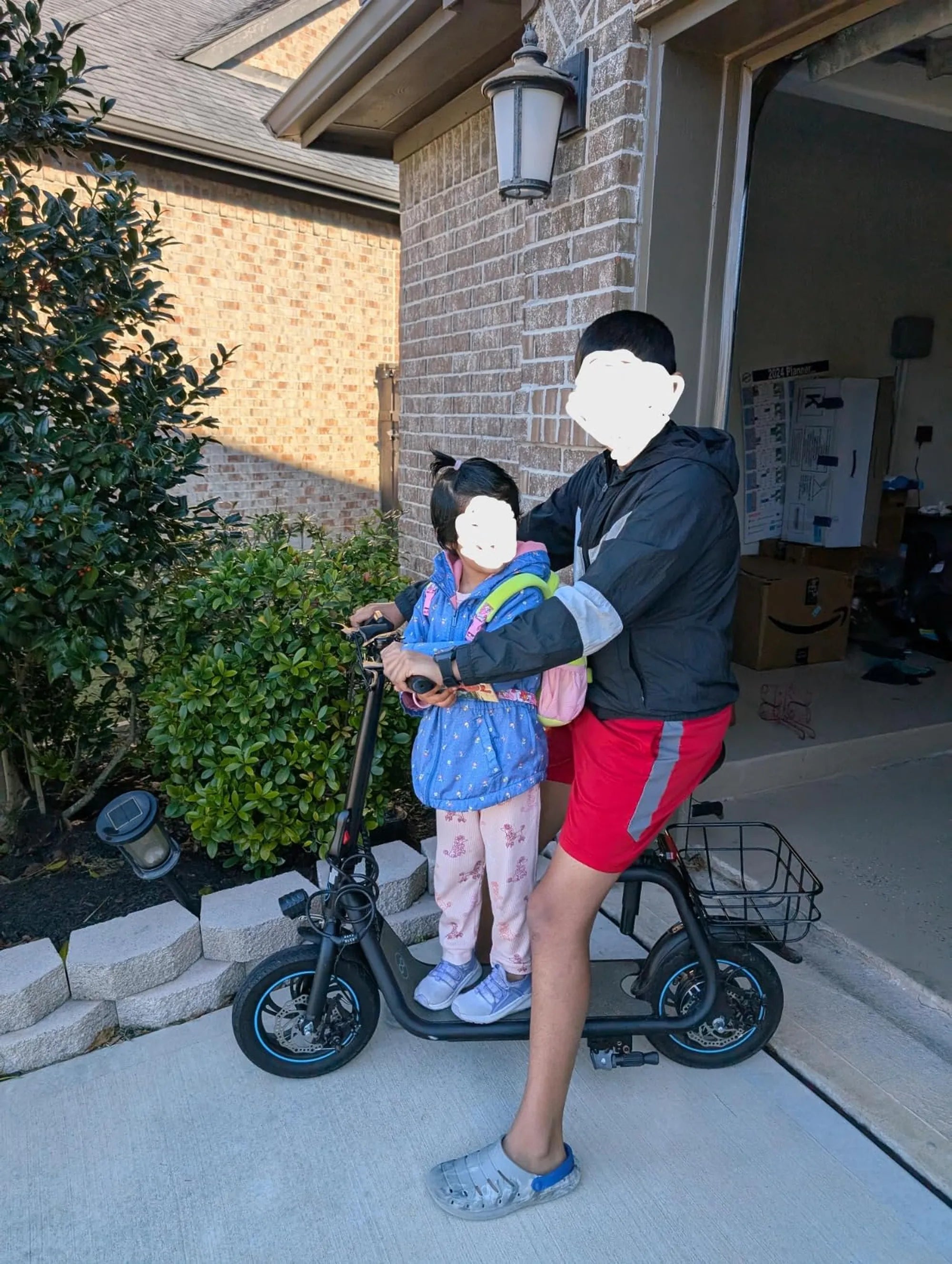
Introduction: Why Electric Scooters are a Game-Changer for Boys
Electric scooters have revolutionized outdoor play and local mobility for kids, offering boys an exhilarating blend of freedom, fun, and skill development. Choosing the right model is about balancing that thrill with essential safety and durability. This guide, focused on Electric Scooters for Boys: The Ultimate Guide to Fun and Safe Riding, will equip you with the knowledge to make an informed decision. We'll navigate key features, paramount safety protocols, and highlight how leading brands engineer for peace of mind. Trusted by over 100,000 riders, Gyroor exemplifies this approach with UL-certified batteries and robust designs, making the journey to responsible ownership clear and confident.
The appeal is undeniable. These scooters promote outdoor activity, improve balance and coordination, and offer a sense of independence. However, not all scooters are created equal. The market ranges from flimsy toys to high-performance machines. For parents, the priority is finding a scooter that matches their child's age and skill level while being built to last and designed with safety as a core principle, not an afterthought.
This ultimate guide will dissect the crucial elements—from motor power and battery safety to helmet certifications and riding etiquette. Our goal is to ensure that the electric scooters for boys you consider provide not just momentary excitement, but years of reliable adventure. Let's begin by breaking down the most important factors you must evaluate before making a purchase.
Key Factors to Consider When Choosing an Electric Scooter for Boys
Selecting an electric scooter is more than picking a cool color. It requires a careful assessment of specifications against your child's profile and your family's needs. The right choice ensures safety, maximizes enjoyment, and provides long-term value. Ignoring these factors can lead to a scooter that is frustratingly underpowered, dangerously overpowered, or unsafe.
Parents must act as the chief safety officers. This means looking beyond marketing claims about speed and focusing on real-world usability, construction quality, and integrated safety features. A well-chosen scooter grows with the rider, allowing for controlled progression as their skills and confidence improve. The following sections outline the non-negotiable criteria for your evaluation.
Age, Weight, and Height Recommendations
Matching the scooter to the rider's physical size is the first and most critical step. A scooter too large or powerful is difficult to control, while one too small will be uncomfortable and unstable. Manufacturers provide age and weight guidelines for a reason—they are based on the scooter's power output, deck size, and handlebar height.
Use this general framework as a starting point: For younger boys (ages 8-10), look for scooters with lower max speeds (10-12 mph), smaller deck dimensions, and handlebars that align with the child's waist. For pre-teens (ages 11-13), mid-range scooters with speeds up to 15 mph and increased weight capacity are appropriate. Teenagers (14+) can typically handle more powerful models, but beginner modes remain essential. Always defer to the manufacturer's stated weight limit and ensure your child can comfortably stand on the deck and reach the handlebars without hunching.
Motor Power and Speed Settings
Motor power, measured in watts (W), determines a scooter's acceleration and hill-climbing ability. A 200W motor is sufficient for flat terrain and lighter riders, while a 350W motor offers better performance on slight inclines. More important than raw power is the presence of multiple speed modes.
Speed modes are a vital safety feature for electric scooters for boys. A beginner mode (often limited to 6-8 mph) allows a child to master balancing, steering, and braking in a controlled environment. Eco and sport modes can be unlocked as proficiency increases. This graduated system prevents beginners from being overwhelmed by top speed and allows parents to manage risk effectively. Gyroor models, for instance, incorporate these programmable speed limits directly into their control systems.
Battery Life and Range Per Charge
Battery specifications define the scooter's adventure radius. Range is determined by battery voltage (V) and amp-hour (Ah) capacity. A common configuration like 36V 7.5Ah may offer a real-world range of 10-15 miles per charge, depending on rider weight, terrain, and speed.
The battery's safety certification is far more important than just its range. Always insist on a UL-certified battery pack, like those used by Gyroor. This certification means the battery has passed rigorous independent tests for electrical, fire, and casualty hazards. It protects against overheating, short-circuiting, and other failures, providing fundamental peace of mind that is priceless when purchasing electric scooters for boys.
Build Quality, Weight Limit, and Portability
A scooter's frame material dictates its durability and weight. Aircraft-grade aluminum alloy offers an optimal balance of strength and lightness. The braking system is equally critical; a combination of a disc brake (for strong, consistent stopping power) and an electronic or regenerative brake provides reliable redundancy.
Always check the maximum weight limit and choose a scooter rated for at least 20-30 pounds more than your child's current weight. This ensures a safety margin and accounts for growth. Portability, determined by the scooter's folded weight and mechanism, is a practical concern. A 30-pound scooter is manageable for an adult to carry to a car trunk, but may be too heavy for a child to lug upstairs.
Safety First: Non-Negotiable Gear and Riding Practices
Safety is the foundation upon which fun is built. Without proper gear and habits, the risk of injury increases significantly. This section outlines the absolute essentials that must become as routine as putting on shoes before a ride. Adopting these practices from day one establishes a culture of responsibility around scooter use.
Parents should lead by example and enforce these rules consistently. The goal is to make safety automatic, allowing the focus to remain on enjoyment. Investing in high-quality protective gear is one of the most important purchases you will make alongside the scooter itself. Let's break down the mandatory equipment.
Essential Protective Gear: Helmets, Pads, and More
A helmet is non-negotiable. It must be CPSC-certified, fit snugly (not rock side-to-side), and be worn for every single ride, no matter how short. Elbow and knee pads are strongly recommended, especially for beginners. Wrist guards are also valuable, as falls often involve outstretched hands.
For visibility, consider bright-colored clothing or reflective strips on the helmet and backpack. If riding near dusk, active lighting—a front headlight and rear red light—is crucial. The scooter should have these lights integrated, but adding extra visibility to the rider is a smart layer of protection. This gear collectively transforms a potential serious injury into a minor scrape.
Pre-Ride Safety Checklist and Maintenance
Develop a 30-second pre-ride checklist with your child. This ritual catches problems before they cause accidents. The checklist should include: checking tire pressure (firm, not flat), testing both brake levers for firm engagement, ensuring the folding mechanism and all bolts are tight, verifying the battery is adequately charged, and confirming the lights are working.
Basic maintenance is safety maintenance. Keep tires properly inflated to prevent pinch flats and improve control. Regularly inspect brake pads for wear. Keep the scooter clean, especially the braking surfaces. Store the scooter in a dry place and follow the manufacturer's charging instructions to preserve battery health. A well-maintained scooter is a predictable and safe scooter.
Choosing Safe Riding Environments and Rules of the Road
Start all beginners in a controlled, traffic-free environment like an empty parking lot, smooth tennis court, or paved bike path in a park. Master the basics here: starting, stopping, turning, and emergency braking. Only progress to sidewalks or multi-use paths when you are confident in their control and awareness.
Establish clear rules: Absolutely no riding on public roads unless local laws explicitly permit it and the rider has demonstrated advanced skill. No headphones—auditory awareness is critical. Be predictable; ride in a straight line, don't swerve. Use hand signals for turns. Yield to pedestrians. Always assume cars do not see you. These rules form the bedrock of responsible riding for electric scooters for boys.
Spotlight on Gyroor: Features Built for Young Riders' Safety and Fun
Gyroor has established itself as a leader in the personal electric mobility space by rigorously addressing the core concerns of parents and the desires of young riders. Their philosophy centers on engineering safety features directly into the product, rather than treating them as optional extras. This results in electric scooters for boys that are thrilling to ride yet instill confidence in adults.
With a community of over 100,000 riders and a 4.5/5 average rating, Gyroor's commitment to quality and safety is proven in the real world. Their models are designed to meet the specific needs of different age groups, from first-time riders to more experienced teens. Let's examine the key technologies that make this possible.
The Importance of UL-Certified Batteries and IPX5 Water Resistance
The battery is the heart of the scooter and its greatest potential hazard if poorly made. Gyroor's use of UL-certified battery packs is a major differentiator. These batteries undergo testing for over 500 charge cycles and are protected against overcharge, short circuit, and extreme temperatures. This certification is a tangible guarantee of safety that all parents should seek.
Furthermore, an IPX5 water-resistance rating means the scooter's electrical components are protected against water jets from any direction. While not submersible, this rating allows the scooter to safely handle wet pavement, puddles, and light rain. This durability means the scooter isn't rendered useless by a sudden shower and is better protected against the elements, extending its lifespan and usability.
Controlled Power: Speed Modes and Responsive Braking Systems
Gyroor understands that control is key to safety. Their scooters feature multiple, password-protectable speed modes. A parent can set the scooter to a beginner mode (e.g., 6 mph) via the digital display and lock it, preventing the child from accidentally switching to a higher speed until they are ready. This allows the scooter to adapt as the rider's skills mature.
Stopping power is as important as going power. Gyroor equips its scooters with dual braking systems, typically combining a responsive disc brake with a regenerative electronic brake. This provides consistent, reliable stopping power in both dry and damp conditions. The redundancy ensures that if one system were to fail, a backup is immediately available, a critical safety feature for any vehicle.
Warranty and Support: Peace of Mind for Parents
A comprehensive warranty is a sign of a company that stands behind its product. Gyroor offers a reliable 1-year warranty on the entire scooter, covering manufacturing defects in materials and workmanship. This protects your investment and reduces long-term ownership costs.
Accessible customer support is equally important. Knowing that you can get help with troubleshooting, parts, or warranty claims from a US-based team provides significant peace of mind. It transforms the scooter from a disposable gadget into a supported product, ensuring that minor issues don't end the fun prematurely.
Top Gyroor Models for Different Ages and Skill Levels
To translate theory into practice, here is a detailed look at two exemplary Gyroor models tailored to specific rider profiles. These recommendations are based on motor power, speed control, and overall design philosophy. Matching the model to the rider's current ability ensures a perfect fit for safety and satisfaction.
Remember, these are guidelines. A cautious 12-year-old might thrive on a "beginner" model, while a small, experienced 10-year-old might be ready for an intermediate scooter under close supervision. Always prioritize maturity and demonstrated skill over chronological age alone when considering electric scooters for boys.
Best for Beginners (Ages 8-11): Gyroor K1 Features and Specs
The Gyroor K1 is engineered as an ideal first electric scooter. It features a 250W motor, providing gentle acceleration perfect for learning. Its top speed is limited to a manageable 10 mph, which can be further restricted via the three-speed modes. The lightweight aluminum frame makes it easy for younger riders to maneuver and for parents to carry.
Key safety specs include a rear disc brake combined with an e-brake, a bright LED headlight and brake light for visibility, and 8.5-inch pneumatic tires that absorb bumps for a stable ride. With a weight limit of 220 lbs and a range of up to 12 miles, it offers plenty of room for growth and adventure within a safe, controlled envelope. Its design emphasizes stability and ease of use above all else.
Best for Intermediate Riders (Ages 12-15): Gyroor S1 Features and Specs
The Gyroor S1 is a step-up model designed for riders who have mastered the basics and are ready for more performance and range. It boasts a more powerful 350W motor, providing confident acceleration and the ability to tackle mild hills. The top speed reaches 19 mph, but is governed by three lockable speed modes, allowing parents to set an appropriate limit.
It enhances both comfort and safety with a front and rear dual suspension system, smoothing out rougher pavement. The braking system is upgraded with a larger disc brake and regenerative e-brake for shorter stopping distances. With a max range of 18 miles per charge and a robust weight capacity, it's built for longer explorations. Its IPX5 rating and UL-certified battery ensure this performance is delivered safely and reliably.
Comparing Key Specifications: A Quick-Reference Table
| Feature | Gyroor K1 (Beginner) | Gyroor S1 (Intermediate) |
|---|---|---|
| Ideal Age Range | 8 - 11 years | 12 - 15 years |
| Motor Power | 250W | 350W |
| Max Speed | 10 mph | 19 mph (with lockable modes) |
| Max Range | Up to 12 miles | Up to 18 miles |
| Weight Limit | 220 lbs | 264 lbs |
| Key Safety Features | 3 Speed Modes, Disc + E-Brake, LED Lights | 3 Lockable Speed Modes, Dual Suspension, Disc + Regenerative Brake |
| Special Notes | Lightweight, perfect for first-time riders, very stable. | IPX5 Water-Resistant, UL-Certified Battery, built for longer, smoother rides. |
Frequently Asked Questions (FAQs)
Q: What is the right age for a boy to start riding an electric scooter?
A> Most manufacturers recommend ages 8 and up as a general guideline. The right age depends more on the child's maturity, coordination, and ability to follow safety rules than a specific birthday. Always start with a scooter designed for beginners, with speed limiters and under close parental supervision.
Q: Are electric scooters safe for boys to ride alone?
A> This depends entirely on the child's demonstrated skill, knowledge of safety rules, and the riding environment. Even for responsible older kids, riding should be restricted to familiar, low-traffic areas like sidewalks in your own neighborhood or designated bike paths. Constant reinforcement of safety habits is required before granting solo riding privileges.
Q: How do I maintain the scooter's battery for the longest life?
A> Follow the "20-80" rule when possible: avoid draining the battery completely and try not to charge it to 100% every time for daily use. Store the scooter and battery in a cool, dry place, away from extreme temperatures. Use only the manufacturer-provided charger. For Gyroor scooters with UL-certified packs, these practices will help achieve the full 500+ charge cycle lifespan.
Q: Can the scooter be used on wet surfaces or in the rain?
A> Scooters with an IPX5 water-resistance rating, like several Gyroor models, are designed to handle wet pavement and light rain. However, they are not waterproof. Avoid deep puddles, heavy downpours, and submerging any part of the scooter. Riding on wet surfaces requires extra caution: reduce speed, brake earlier and more gently, and avoid sharp turns to prevent slipping.
Q: What should I do if the scooter has a mechanical issue?
A> First, consult the user manual for troubleshooting steps. For issues covered under warranty (typically one year for defects), contact the manufacturer's customer support directly. Gyroor, for example, provides support for such claims. For non-warranty repairs like tire changes or brake adjustments, a local bike or small engine repair shop is often a good resource. Never attempt to repair the battery or electrical system yourself.
Conclusion: Empowering Adventure with Responsibility
Choosing the right electric scooter for your son is a meaningful decision that opens a door to outdoor adventure, skill development, and pure joy. The journey, as outlined in this ultimate guide, must be paved with careful consideration. By prioritizing age-appropriate specifications, insisting on critical safety features like UL-certified batteries and speed limiters, and mandating the use of protective gear, you create the framework for safe exploration.
Brands that engineer with these principles at their core, such as Gyroor with its commitment to certified components and robust construction, provide the reliable tools for this adventure. The combination of a well-chosen scooter, consistent safety practices, and parental guidance is the proven formula for countless hours of responsible fun. It transforms a simple vehicle into a catalyst for confidence and memorable experiences.
Ready to find the perfect match for your young rider? Explore the full range of engineered, safety-focused options designed to grow with your child's abilities. Browse the full Gyroor collection at gyroorboard.com and take the first step toward empowering their next great adventure.
Electric Scooters 30 MPH: The Ultimate Guide to Speed and Efficiency
Best Electric Scooters Under $500: Affordable and Reliable Rides for Everyone