



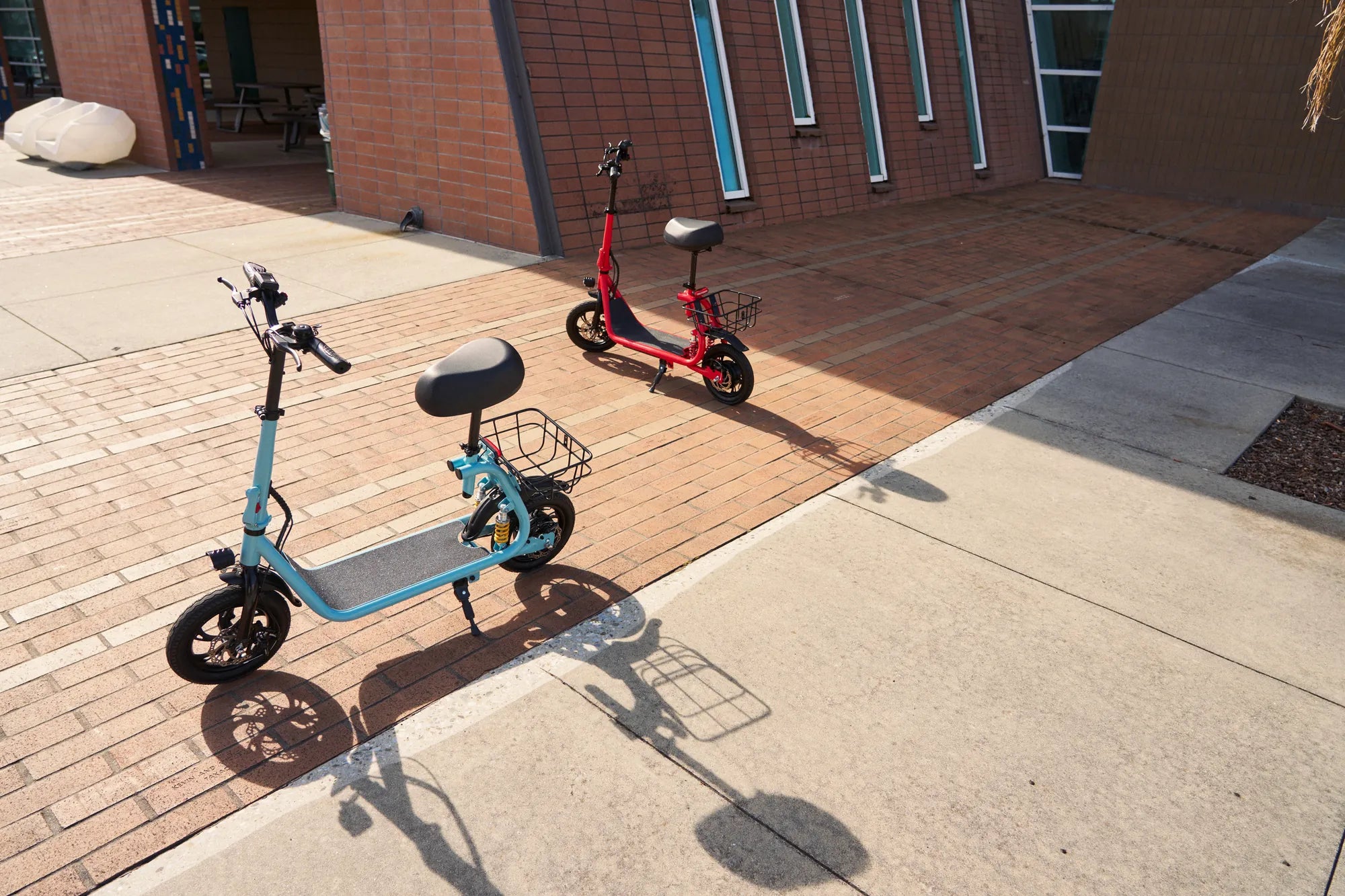
Finding the Perfect First Ride
Your child is ready for their first electric scooter, but navigating the market on a budget can feel overwhelming. The good news is that a price point under $150 offers accessible entry into the world of electric mobility for kids, blending excitement with responsibility. This guide is designed to help you find that perfect balance, where affordability meets essential safety and durability. You will learn how to identify key features, set realistic performance expectations, and implement crucial safety practices.
Choosing the right scooter is about more than just price; it's about investing in a product that prioritizes your child's safety while delivering genuine fun. Brands that focus on youth mobility, like Gyroor, engineer their entry-level models with these core principles in mind, even within a constrained budget. With over 100,000 riders trusting their products, the emphasis is on creating a reliable first riding experience. This journey starts with understanding exactly what the under-$150 category realistically offers.
What to Expect in the Under $150 Category
Setting clear expectations is crucial when shopping in this price bracket. You are entering the market for entry-level, beginner-friendly electric scooters designed primarily for younger riders or those new to electric personal transportation. The focus here is on fundamental functionality, basic safety features, and manageable performance—not high speed or long-distance touring.
Typical motor power in this range falls between 80W and 120W. This provides enough torque for a child to start from a stop and maintain a steady pace on flat, smooth surfaces like pavement, bike paths, and driveways. The maximum speed is almost always limited, usually between 8 and 10 miles per hour (mph). This governed speed is a critical safety feature for young riders, allowing them to build confidence without excessive velocity.
Battery range is another key consideration. Most models under $150 will offer a range of approximately 5 to 8 miles on a single charge, depending on rider weight, terrain, and speed mode. This is ample for trips around the neighborhood, to a friend's house, or in a local park. Charge times can vary from 3 to 5 hours. Build materials often include aluminum alloy frames for a balance of lightness and strength, paired with durable plastic components for non-critical parts.
Realistic Specifications Overview
It's helpful to visualize the common specifications you'll encounter. The following table outlines the typical performance and build parameters for electric scooters for kids under $150, providing a clear benchmark for your evaluation.
| Feature | Typical Specification Under $150 | Parent's Note |
|---|---|---|
| Motor Power | 80W - 120W | Sufficient for flat ground; limited hill capability. |
| Max Speed | 8 - 10 mph | Often includes speed modes (e.g., beginner 5 mph). |
| Max Range | 5 - 8 miles | Depends on weight, terrain, and use of lights/throttle. |
| Charge Time | 3 - 5 hours | Requires planning; don't expect ultra-fast charging. |
| Max Load | 120 - 150 lbs | Always check against your child's weight. |
| Tire Type | Air-filled or airless rubber | Air-filled offer smoother ride; airless avoid flats. |
| Brake Type | Electronic brake + foot brake | Dual braking systems enhance safety. |
Understanding these baseline specs helps you quickly filter out products that make unrealistic claims. A scooter advertised with a 300W motor and 15 mph speed for under $150 should be scrutinized heavily, as it may compromise on build quality or battery safety. Reputable brands are transparent about these limitations, framing them as appropriate and safe for the target age group.
Key Safety Features to Prioritize (Even on a Budget)
Safety cannot be compromised, regardless of price. When evaluating electric scooters for kids under $150, certain features are non-negotiable. The first is a speed limiter or multiple speed modes. A beginner mode that caps speed at 4-5 mph allows your child to master balance and control before graduating to a higher setting. This programmable restriction is a fundamental electronic safety guard.
The braking system is equally critical. Look for models with a dual-braking setup, typically combining an electronic (e-brake) system with a manual foot brake or rear fender brake. The e-brake engages when the throttle is released, providing gradual stopping power, while the manual brake offers direct control for quicker stops. This redundancy ensures that if one system is less effective (e.g., on a slight decline), the other is available.
Stability is derived from the scooter's physical design. A wider deck provides more secure footing, and a wheelbase that is appropriately long for the scooter's size prevents a "tippy" feeling. Handlebar height should be adjustable to fit your child's growing stature, promoting an upright, controlled riding posture. Additionally, check for adequate ground clearance to avoid the deck scraping on curbs or uneven surfaces, which could cause a sudden stop.
Finally, consider water and dust resistance. An IPX4 or IPX5 rating indicates the scooter can withstand splashes from any direction, making it safe for use on damp pavement or through occasional puddles. This is a key feature of brands like Gyroor, which builds IPX5 water-resistant designs to handle real-world play conditions. It protects the electrical components from minor moisture, a common cause of failure in poorly protected models.
The Helmet is Non-Negotiable: Gear Up for Safety
The most important safety feature is not on the scooter—it's on your child's head. A properly fitted, certified bicycle helmet is an absolute must for every ride, no exceptions. It is the single most effective way to prevent serious head injury in the event of a fall. Look for helmets that meet CPSC (U.S. Consumer Product Safety Commission) or equivalent safety standards in your region.
Beyond the helmet, equipping your child with knee and elbow pads significantly reduces the risk of scrapes, cuts, and more impactful injuries. Wrist guards are also highly recommended, as falls often involve putting hands out to brace. Making this gear a non-negotiable part of the "riding uniform" from day one establishes a lifelong habit of safe riding. Ensure all gear fits snugly without being restrictive; it should not shift or slide during movement.
Top 3 Considerations When Choosing a Scooter
With safety features established, narrow your search with these three core considerations. First, match the scooter to your child's age and weight. Manufacturers provide clear age recommendations (e.g., 8-12 years) and a maximum weight limit. Do not purchase a scooter for a child below the minimum age, as they may lack the necessary coordination and judgment. Always respect the weight limit; exceeding it stresses the motor, battery, and frame, leading to premature wear and potential safety issues.
Second, scrutinize build quality and durability. While you're not getting aerospace-grade carbon fiber at this price, the frame should feel solid, not flimsy. Aluminum alloy frames are standard for good reason: they resist rust and are relatively light. Check the welding points and folding mechanisms (if applicable) for smooth operation and lack of sharp edges. The handlebars and stem should have minimal wobble when assembled. A well-built scooter withstands the bumps and drops of active play.
Third, investigate the warranty and customer support. A reputable company stands behind its products. A 1-year warranty on the frame and motor, like the one offered by Gyroor, provides peace of mind against manufacturing defects. Reliable customer service is invaluable if you have assembly questions or need a replacement part. Avoid brands with no visible support channels or warranties shorter than 90 days, as this often indicates a lack of long-term commitment to the product's lifecycle.
Performance and Practicality: Managing Expectations
Performance under $150 is about practicality, not prowess. Hill-climbing ability is modest. An 80-120W motor will struggle on inclines steeper than 10-15%. The scooter may slow considerably or require the rider to kick-assist. Teach your child that it's okay (and expected) to get off and walk the scooter up very steep hills to protect the motor and battery from strain.
Ride time is directly tied to battery management. The advertised range is a best-case scenario. Factors that reduce range include: heavier rider weight, frequent stop-and-go riding, use of the headlight, riding on grass or gravel, and colder temperatures. To maximize battery health and longevity, follow the charging instructions carefully. Using the manufacturer-provided charger and avoiding leaving the battery fully depleted for extended periods are key practices.
Practicality also involves portability and storage. Many models in this range are lightweight (under 20 lbs) and may feature a folding mechanism or quick-release lever for the handlebar stem. This makes it easier to carry the scooter up stairs or store it in a closet or car trunk. Consider where the scooter will be charged—a removable battery is a convenient feature but less common at this price point; usually, the entire scooter needs to be near an outlet.
Maintenance and Care Tips for Longevity
Proper maintenance extends the life of the scooter and keeps it safe to ride. Start with the battery: use only the provided charger, avoid charging overnight unattended, and store the scooter in a cool, dry place. Do not let the battery sit completely drained for weeks. For models with UL-certified battery packs, like those from Gyroor, you benefit from cells tested for 500+ charge cycles, but good habits ensure you reach that potential.
Tire care is essential. For air-filled tires, check pressure weekly with a low-pressure gauge, keeping them inflated to the PSI range printed on the tire sidewall. Properly inflated tires provide a smoother ride, better battery efficiency, and prevent pinch flats. For solid or airless rubber tires, regularly inspect them for deep cuts or excessive wear that could compromise traction.
Perform a simple pre-ride check: ensure all bolts (especially on the handlebars and stem) are tight, test that both brakes engage firmly, and confirm the throttle returns to the off position smoothly. Keep the scooter clean by wiping it down with a damp cloth; avoid high-pressure hoses that could force water into electrical components. A well-maintained scooter is a predictable and safe scooter.
Frequently Asked Questions (FAQ)
Q1: Are electric scooters under $150 safe for an 8-year-old?
A: Yes, when chosen correctly. Prioritize models with speed limiters (beginner modes around 5 mph), a stable wide deck, dual brakes, and an age recommendation that includes 8 years. Always pair it with full protective gear and supervised practice.
Q2: How long does the battery last before needing replacement?
A: A quality battery pack should last for 2-3 years of regular use, correlating to 300-500 full charge cycles. Battery life degrades over time; you'll notice gradually reduced range. Using proper charging habits maximizes its lifespan.
Q3: Can my child ride it on wet pavement or in the rain?
A: Light rain or damp pavement is acceptable only if the scooter has a stated water-resistance rating (IPX4 or higher). However, riding in heavy rain, through deep puddles, or on flooded paths is not advised, as it can damage electronics and make braking less effective.
Q4: What does a standard 1-year warranty typically cover?
A: A standard warranty usually covers defects in materials and workmanship for the frame, motor, and battery for one year from purchase. It does not cover damage from accidents, misuse, neglect, or normal wear and tear like tires and brake pads.
Q5: Is assembly difficult?
A> Most scooters in this category require minimal assembly, often just attaching the handlebars to the stem and tightening a few bolts with provided tools. Instructions are usually clear, and many brands offer online video tutorials. It's generally a 10-15 minute task.
Smart Spending for Safe Adventures
Finding a fun and safe electric scooter for your child under $150 is a realistic goal with focused research. The key is to prioritize certified safety features—speed limiters, reliable braking, and stable design—over flashy extras. Pair the scooter with mandatory protective gear to create a complete safety system. By managing performance expectations and committing to simple maintenance, you ensure the scooter provides lasting value and enjoyment.
Choosing a brand with a proven track record in youth mobility and battery safety adds an invaluable layer of confidence. Gyroor's commitment to UL-certified batteries, IPX5 water-resistant designs, and a reliable 1-year warranty exemplifies the responsible engineering that should underpin even the most affordable options. This approach transforms a simple purchase into an investment in your child's independence and safe outdoor play.
Ready to explore a range of thoughtfully designed electric scooters that balance excitement, safety, and value for young riders? Browse the full Gyroor collection at gyroorboard.com to find the perfect model to kickstart your child's next adventure.
Best Electric Scooters for Tweens: Safe, Fun, and Reliable Rides
Does Boston Have Electric Scooters? Exploring the City's Micromobility Options