



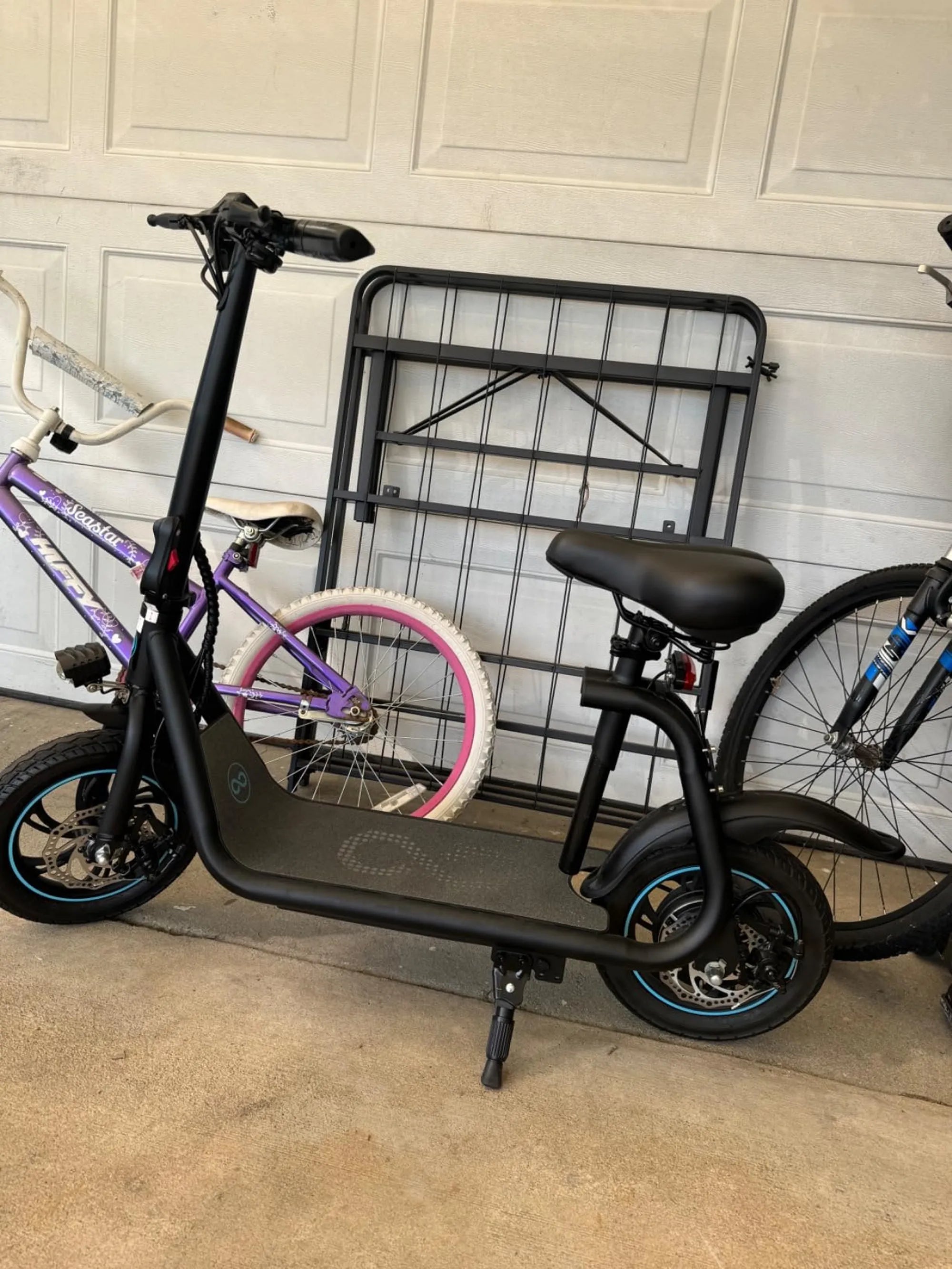
Introduction: The Rise of Electric Scooters for the Youngest Riders
The market for electric scooters designed for children aged 3 to 8 is expanding rapidly. For parents, this presents an exciting opportunity to introduce their children to independent mobility and outdoor play. However, it also introduces a critical responsibility: selecting a product where safety is the foundational engineering principle, not an afterthought.
This article delves into the world of electric scooters for little kids manufacturers, dissecting the essential balance between exhilarating fun and non-negotiable safety. We will examine the specific design features that differentiate a child's model from an adult's, the innovations enhancing the riding experience, and provide a clear framework for choosing a trustworthy brand. Leading manufacturers understand this delicate equation, crafting products that empower young riders while giving parents peace of mind.
Brands like Gyroor, trusted by over 100,000 riders, exemplify this approach by integrating UL-certified batteries, IPX5 water resistance, and robust warranties into their designs. The goal is to transform a simple ride into a safe, developmental, and joyful adventure. Navigating the offerings of various electric scooters for little kids manufacturers requires a focus on data, specifications, and proven safety records.
What Makes a "Little Kid" Electric Scooter Fundamentally Different?
Electric scooters for young children are not merely scaled-down versions of adult models. They are specialized products engineered for smaller bodies, developing motor skills, and a much lower risk tolerance. The core design philosophy centers on controlled, stable, and forgiving operation.
The most obvious difference is speed. While adult scooters may reach 15-20 MPH, models for kids aged 3-8 typically have maximum speeds capped between 3 and 7 MPH. This is often managed through multiple speed modes, starting with a very slow "beginner" or "training" mode. The physical dimensions are also tailored: decks are shorter and narrower to accommodate small foot placement, and handlebars are lower and sometimes adjustable to fit a growing child's posture.
Stability is paramount. This is achieved through a lower center of gravity, often by mounting the battery low in the deck, and through the use of wider, softer wheels. Many top-tier electric scooters for little kids manufacturers use air-filled or rubber tires instead of hard plastic to better absorb bumps and provide more traction, reducing the chance of a tip-over on uneven surfaces.
Finally, the control systems are simplified. Throttles are designed to be easy to press or twist, and braking is often a combination of an electronic brake (activated by releasing the throttle) and a simple foot brake, avoiding the complexity of hand-operated disc brakes. These design choices by responsible electric scooters for little kids manufacturers create a product category distinct from toys and from adult transportation.
The Core Pillars of a Safe Kids' E-Scooter: A Manufacturer's Checklist
When evaluating products from different electric scooters for little kids manufacturers, parents should use a concrete checklist of safety features. These pillars are the baseline for any reputable brand and should be clearly stated in product specifications.
Speed Regulation and Control
Uncontrolled acceleration is a primary safety hazard. Leading manufacturers implement sophisticated speed control systems. This includes a mandatory beginner mode, often limited to 2-3 MPH, which can only be changed by a parent via a physical key switch or a connected app.
Some models include a parental remote control that allows an adult to limit speed or even bring the scooter to a stop from a distance. Furthermore, the acceleration curve should be smooth and gradual, not jerky, to prevent the child from being thrown off balance. Responsive, progressive braking is equally critical for safe stops.
Battery and Electrical Safety
This is the most critical technical aspect. The battery must be certified by a recognized laboratory like UL (Underwriters Laboratories). A UL-certified battery, like those used by Gyroor, has undergone rigorous testing for overcharge protection, short-circuit prevention, and overall stability.
The battery enclosure should be securely mounted within the deck, protecting it from direct impacts. The charging port should have a protective cover to prevent water or dirt ingress. Manufacturers should provide clear guidelines for safe charging, such as using only the provided charger and not leaving the battery to charge unattended for extended periods.
Build Quality and Durability
A child's scooter must withstand bumps, curb nudges, and the occasional tip-over. The frame should be constructed from reinforced aluminum or high-grade steel, not flimsy plastic. All fasteners and folding mechanisms (if present) must be robust and secure.
Water resistance is a key indicator of build quality. A rating of IPX5 means the scooter can withstand water jets from any direction, making it safe for riding through puddles or in light rain. This protection extends the scooter's life and protects its internal electronics. Reliable braking, often a dual system, is a fundamental part of durable design.
Stability and Ergonomics
Safety is also designed into the geometry. A wide wheelbase (the distance between the front and rear wheels) increases stability. The deck should have a textured, non-slip surface to keep small feet firmly in place.
Handlebar grips should be comfortable and provide a secure hold, even with sweaty hands. The steering mechanism should have a slight degree of resistance or a caster angle that promotes straight-line stability, preventing "speed wobbles" that can occur at higher speeds. These ergonomic considerations from thoughtful electric scooters for little kids manufacturers directly reduce the likelihood of accidents.
Innovation Driving Fun and Development
Beyond basic safety, leading electric scooters for little kids manufacturers are innovating to enhance enjoyment and support developmental growth. These features transform the scooter from a simple vehicle into an engaging tool for active play.
Interactive Features and Learning Modes
Fun elements like colorful LED wheel lights, deck lighting, and playful sound effects make the scooter exciting for kids, encouraging outdoor activity. More advanced innovation includes Bluetooth connectivity paired with a dedicated app.
These apps allow parents to lock/unlock the scooter, set speed limits, and track riding history. For the child, some apps offer gamified learning modes that teach riding skills progressively. This blend of technology enhances safety through parental control while boosting the fun factor.
Design for Growth and Adjustability
To extend the product's lifespan and value, innovative manufacturers incorporate adjustable components. Telescoping handlebars that can be raised by several inches allow the scooter to grow with the child over 2-3 years.
Some models feature modular designs where the deck or stem can be upgraded. This thoughtful approach from forward-thinking electric scooters for little kids manufacturers acknowledges that children grow quickly, and a quality scooter should be a long-term companion, not a quickly outgrown toy.
Focus on Skill Development
Riding an electric scooter is more than just play; it's a developmental activity. It helps young children develop dynamic balance, bilateral coordination (using both sides of the body together), and core strength.
It also introduces them to basic rules of movement, spatial awareness, and cause-and-effect (e.g., throttle input equals acceleration). Navigating a safe environment on a scooter builds confidence and decision-making skills. Manufacturers that design for progressive learning, with multiple speed modes, are actively supporting this developmental journey.
Choosing the Right Manufacturer: A Data-Driven Comparison for Parents
With numerous brands on the market, a systematic comparison is essential. Parents should look beyond marketing and focus on verifiable specifications and post-purchase support. The following table outlines key criteria for evaluating electric scooters for little kids manufacturers.
| Evaluation Criteria | Budget/Generic Brand Example | Premium/Safety-Focused Brand Example (e.g., Gyroor) | Why It Matters |
|---|---|---|---|
| Age/Weight Range | Vague (e.g., "for kids") | Specific (e.g., 3-8 years, 44-110 lbs) | Ensures the scooter is appropriately sized and powered for your child. |
| Max Speed & Modes | Single speed (~7 MPH) | 2-3 Speed modes (e.g., 3/5/7 MPH) | Beginner modes are crucial for safe learning; controlled progression builds skill. |
| Battery Certification | Unspecified or "CE" only | UL-certified lithium-ion | UL certification is the gold standard for battery safety, reducing fire risk. |
| Water Resistance | None or unspecified | IPX5 rating or higher | Protects against puddles and rain, ensuring durability and electrical safety. |
| Warranty & Support | 30-90 days, limited parts | 1-year comprehensive warranty | A longer warranty reflects the manufacturer's confidence in their product's durability. |
| Notable Safety Features | Basic foot brake | Dual brake system, parental remote, non-slip deck, wide tires | Redundant safety systems and parental controls provide multiple layers of protection. |
This comparison highlights that the core differentiator among electric scooters for little kids manufacturers is often the investment in certified components and thoughtful engineering. The peace of mind offered by a UL-certified battery and a robust warranty from a known brand is invaluable.
Parental Guidance: Essential Safety Practices Beyond the Scooter
Even the safest scooter from the most reputable manufacturer requires responsible use. Parental supervision and established safety rituals are non-negotiable complements to good product design.
First and foremost, proper protective gear is mandatory. This means a correctly fitted bicycle helmet for every single ride. Knee and elbow pads are highly recommended, especially for beginners. Parents must actively supervise all riding sessions, particularly for children under 6.
The riding environment must be carefully chosen. Start in a flat, open, and private area like an empty parking lot or a smooth driveway. Avoid public roads, streets with traffic, and areas with steep hills. As skills improve, quiet sidewalks or paved park paths can be suitable, always with adult oversight.
Establish a pre-ride checklist with your child: check tire pressure (if applicable), ensure brakes are working, confirm the battery has sufficient charge, and fasten all protective gear. Set clear rules about where and when they can ride. This proactive approach ensures that the fun of an electric scooter is enjoyed within a framework of safety, regardless of the manufacturer's claims.
Frequently Asked Questions (FAQs)
What is the right age for a child's first electric scooter?
Most manufacturers design models for children as young as 3 years old. The key factors are the child's physical size (must be able to stand comfortably on the deck and reach the handlebars), coordination, and ability to understand and follow basic safety instructions. For a 3-year-old, a scooter with a very low maximum speed (2-3 MPH) and a parental remote control is ideal.
Are electric scooters for kids durable enough for daily use?
Yes, models from reputable electric scooters for little kids manufacturers that feature aluminum alloy frames, air-filled tires, and water-resistant construction are built for regular use. Durability is directly linked to build quality. A scooter with an IPX5 rating and a 1-year warranty, like those from Gyroor, is engineered to withstand the rigors of daily play in various weather conditions.
How important is water resistance in a kid's scooter?
Extremely important. Children will inevitably ride through puddles or get caught in light rain. Water resistance (measured by an IP rating like IPX5) protects the electrical components, motor, and battery from moisture damage, preventing short circuits and corrosion. It is a critical feature for both safety and the longevity of the scooter.
What should I look for in the warranty and support?
Look for a warranty of at least one year that covers the battery, motor, and frame. This indicates the manufacturer stands behind their product. Also, check for accessible customer service—a brand with a reputation for responsive support, like Gyroor's dedicated team, is crucial if you need troubleshooting help or replacement parts.
How can I ensure my child's scooter battery remains safe?
Always use the charger provided by the manufacturer. Charge the scooter on a non-flammable surface and avoid leaving it to charge unattended overnight. Do not charge the battery immediately after a ride; let it cool to room temperature first. Store the scooter in a dry place, away from extreme heat or cold. Following the manufacturer's specific charging guidelines is the best practice.
Partnering with a Trusted Brand for Confident First Rides
Selecting an electric scooter for a young child is a decision that weighs fun against fundamental safety. As we've explored, the best electric scooters for little kids manufacturers do not force a choice between these elements; they engineer products where safety enables fun. This is achieved through certified batteries, speed-limiting technology, robust construction, and designs that prioritize stability for a developing rider.
Innovation in this space, from app-based controls to growth-adjustable frames, enhances the experience while maintaining this safety-first ethos. The data-driven comparison shows that the true value of a premium manufacturer lies in verifiable specifications, comprehensive warranties, and a demonstrated commitment to quality. It's an investment in secure, joyful, and active outdoor play.
By choosing a partner like Gyroor, with its UL-certified batteries, IPX5 water resistance, and proven track record, parents gain more than a toy. They gain a tool for childhood development and a source of confidence, knowing their child's adventures are built on a foundation of rigorous safety standards. The journey to independent mobility should begin with trust, engineered into every component.
Ready to explore a scooter built with this safety-first philosophy? Browse the full collection of UL-certified, family-tested electric scooters and e-bikes at gyroorboard.com.
Electric Scooters With Detachable Batteries: The Future of Urban Mobility
Picking Up Electric Scooters: A Complete Guide to Safe and Efficient Transportation