



Introduction: Reclaiming Independence with Electric Scooters for Seniors
For many older adults, the gradual loss of mobility can feel like a loss of freedom. Electric scooters offer a powerful solution, transforming short trips to the store, visits with friends, or a simple park stroll from daunting challenges back into enjoyable routines. However, not all scooters are created equal, especially for senior riders whose needs prioritize safety, stability, and ease of use over raw speed or performance. This guide focuses on Electric Scooters for Old People Manufacturers who design with these specific requirements in mind.
You will learn to identify the non-negotiable safety features, evaluate manufacturers based on certified components and reliable support, and understand the practical data that separates a suitable senior mobility aid from a standard recreational scooter. The goal is to provide a clear, factual framework for choosing a scooter that builds confidence, not just covers distance.
Key Safety Features to Prioritize in a Senior-Friendly Electric Scooter
When evaluating Electric Scooters for Old People Manufacturers, the product's design philosophy is paramount. A senior-friendly scooter deprioritizes thrill-seeking specs in favor of features that prevent accidents and instill confidence. The core design must address stability, control, and intuitive operation from the ground up.
Manufacturers catering to this demographic understand that a minor wobble or a jerky start can be a significant deterrent. Therefore, the engineering focus shifts from maximizing performance to optimizing predictability and security in everyday use.
Stability and Low-Speed Control
The foundation of safety is physical stability. A scooter suitable for seniors will feature a wider deck (often 7 inches or more) to allow for a natural, balanced stance. A lower center of gravity, achieved through strategic battery placement, further reduces the risk of tipping. Perhaps most critically, the acceleration and braking systems must be exceptionally smooth.
Look for scooters with progressive thumb throttles that allow for fine-grained speed control, as opposed to overly sensitive triggers. Similarly, electronic or disc brakes should engage gradually to avoid sudden stops. Many models from reputable Electric Scooters for Old People Manufacturers include speed limiters, allowing the maximum speed to be capped at a comfortable, safe pace, such as 10-12 mph, perfect for sidewalk and pathway use.
Enhanced Visibility and Lighting
Safety isn't just about not falling; it's about being seen. Senior riders may be out during dawn, dusk, or in overcast conditions. A comprehensive lighting system is non-negotiable. This includes a bright front headlight (at least 200 lumens) to illuminate the path, a always-on rear brake light for visibility from behind, and side-facing reflectors or LED strips.
Some advanced models integrate lighting into the deck or stem. An audible signal—a loud, electronic horn or a classic bell—is equally important for alerting pedestrians or vehicles in shared spaces. This multi-layered approach to visibility is a hallmark of manufacturers who consider real-world urban and suburban environments.
Intuitive Controls and Accessibility
Complex interfaces create confusion and hesitation. Controls must be simple, clear, and accessible. A large, easy-to-read digital display showing speed, battery level, and riding mode is essential, ideally with high-contrast digits. The throttle and brake levers should be within easy reach without requiring the rider to adjust their grip awkwardly.
The physical design of the scooter itself should facilitate easy mounting and dismounting. A low-step or step-through frame design is vastly preferable to a high crossbar. Additionally, the handlebar height should be adjustable or ergonomically designed to allow for an upright, comfortable riding posture that doesn't strain the back or shoulders.
Top Considerations When Choosing a Manufacturer for Senior Mobility
Beyond the scooter's immediate features, the brand behind it dictates long-term reliability, safety, and peace of mind. Choosing among Electric Scooters for Old People Manufacturers requires looking at their corporate commitments to certification, durability, and customer support. These factors often matter more than a slight price difference.
A manufacturer's reputation is built on the integrity of its components and its willingness to stand behind its product. For seniors and their families, this translates to reduced worry and a more dependable daily mobility aid.
Commitment to Certified Safety (Battery & Build)
The single most critical component in any electric scooter is its battery. For senior riders, who may charge the scooter indoors overnight, battery safety is paramount. The industry gold standard is the UL 2271 certification (for the battery pack) and UL 2849 (for the entire electrical system).
This certification, held by manufacturers like Gyroor for their entire lineup, means the battery has undergone rigorous independent testing for electrical, mechanical, and environmental safety, drastically reducing fire risk. The build quality is equally important; frames should be made from aerospace-grade aluminum or reinforced steel, with no flex or wobble in the stem, ensuring the scooter feels solid and secure.
Water Resistance and All-Weather Reliability
A mobility aid must be dependable, rain or shine. An IP (Ingress Protection) rating indicates how well the scooter is sealed against dust and water. For practical daily use, a minimum of IPX4 (splash-resistant) is advised, but IPX5 (protected against water jets from a nozzle) is the benchmark for true all-weather capability.
This rating, a standard feature on Gyroor scooters, means the scooter can safely navigate wet sidewalks, light rain, and accidental puddle splashes without immediate risk of electrical short-circuiting. This reliability ensures the scooter is a tool for freedom, not a fair-weather gadget that leaves the user stranded.
Warranty and Accessible Customer Support
The length and terms of the warranty reveal a manufacturer's confidence in its product. A comprehensive 1-year warranty that covers the battery, motor, and frame is a strong indicator of quality. Equally crucial is the accessibility of customer support.
Look for manufacturers that provide multiple channels (phone, email, live chat) and are known for responsive service. Brands with a strong presence in North America and Europe, like Gyroor—trusted by over 100,000 riders—typically offer more streamlined support and faster parts availability, which is invaluable if maintenance is ever required.
Data-Driven Comparison: What Makes a Scooter "Senior-Suitable"?
To move from general principles to specific evaluation, use the following checklist to compare models from any Electric Scooters for Old People Manufacturers. This table outlines the ideal specifications and features that directly correlate with safety, comfort, and ease of use for an older adult.
| Evaluation Category | Senior-Suitable Specs & Features | Standard/Recreational Specs |
|---|---|---|
| Max Speed & Control | Capped at 12-15 mph; speed limiter function; smooth, progressive acceleration. | 20+ mph; aggressive acceleration curve; no speed limiter. |
| Deck Design & Stability | Wide deck (7"+); low center of gravity; textured, non-slip surface. | Narrow deck; higher deck height; smooth or minimal grip tape. |
| Weight Capacity | Rated for 265 lbs (120 kg) or higher for a safety margin. | Rated at or just below 220 lbs (100 kg). |
| Key Safety Certification | UL 2271/UL 2849 certified battery & system; robust frame construction. | Uncertified battery; generic safety claims; lighter frame. |
| Weather & Durability | IPX5 water resistance; puncture-resistant tires (often airless). | IPX4 or no rating; standard pneumatic tires. |
| Accessibility & Support | 1-year comprehensive warranty; US/EU-based support centers. | 90-day or limited warranty; offshore support only. |
This framework allows you to objectively score different models. A scooter that scores highly across these categories is likely from a manufacturer that has intentionally designed for the senior mobility market.
Understanding Scooter Types and Ideal Use Cases
Not all electric scooters serve the same purpose. Electric Scooters for Old People Manufacturers often produce models that fit into distinct categories, each suited to different lifestyles and mobility needs. Understanding these categories helps match the product to the individual's daily routines.
The primary divide is between lightweight, portable commuters and more robust, comfort-oriented cruisers. A senior who needs to take the scooter on a bus or store it in a compact apartment will have different needs than one who uses it primarily within a retirement community or for neighborhood errands.
Lightweight and Portable Commuters
These scooters prioritize foldability and low weight (often under 30 lbs). They are ideal for seniors who are still fairly agile and need to combine scooting with public transport or who have limited storage space. The trade-off is often a slightly smaller deck, smaller wheels, and a shorter range. Stability can be good, but they may feel less planted on very rough surfaces compared to heavier models.
Comfort and Stability Cruisers
This category is often the best fit for dedicated senior mobility. These scooters are slightly heavier (35-45 lbs) and may fold but are less focused on ultra-portability. They feature larger, often airless tires (8.5-10 inches) for a smoother ride over cracks and bumps, a longer deck, and a more powerful motor for gentle inclines. The extended battery life provides a longer range (15-25 miles), reducing range anxiety for longer outings.
Three-Wheel and Seated Options
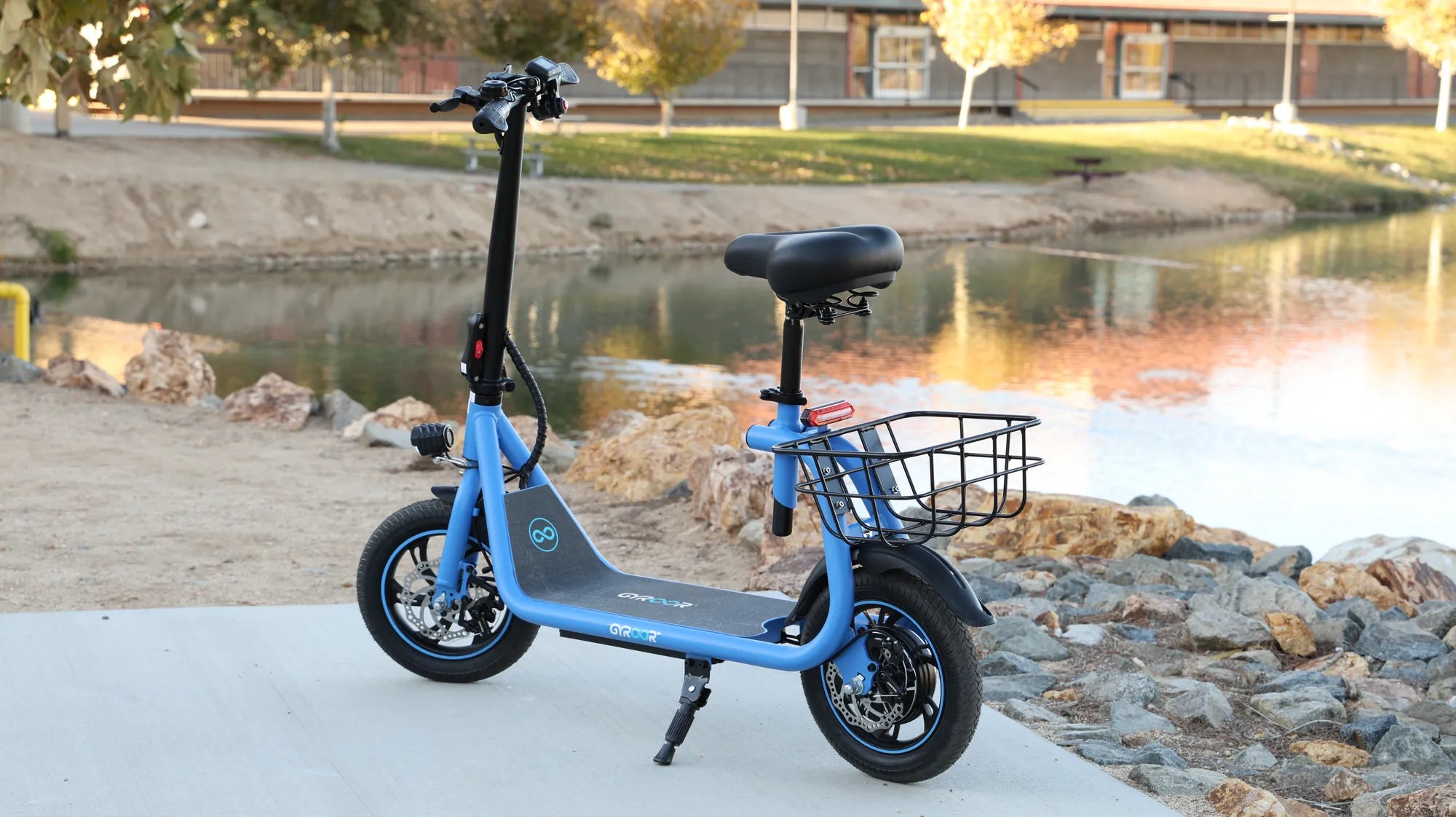
For those requiring maximum stability or who cannot stand for extended periods, some manufacturers offer three-wheeled scooters or models with optional seat attachments. Three-wheel designs offer exceptional balance at low speeds and during stops. A seated scooter converts the experience entirely, but it's crucial to ensure any seated model still comes from a manufacturer adhering to the high safety and certification standards discussed earlier.
Essential Maintenance and Safety Tips for Long-Term Use
Owning a scooter is a partnership between the quality of the manufacturer and the diligence of the owner. Proper maintenance ensures safety and extends the scooter's lifespan. Following a few simple routines can prevent most common issues.
These tips are especially relevant for seniors and caregivers, focusing on simplicity and hazard prevention rather than complex mechanical work.
Battery Care and Charging Best Practices
Even with a UL-certified battery, proper care is key. Avoid letting the battery fully deplete. Charge it after use or when it drops to 20-30%. Use only the manufacturer-provided charger. Store and charge the scooter in a dry, cool place away from direct sunlight and flammable materials. For long-term storage (over a month), charge the battery to about 60%.
Pre-Ride Safety Checklist
Make a quick inspection a habit before every ride. Check that tire pressure is adequate (for pneumatic tires) or that airless tires are free of deep cuts. Test the brakes to ensure they engage smoothly and firmly. Verify that all lights (front, rear, side) are functioning. Ensure the folding mechanism (if present) is securely locked. A 30-second check can prevent an accident.
Riding Practices for Shared Spaces
Always wear a helmet. Be hyper-aware of pedestrians, especially on sidewalks—use your bell politely and reduce speed when passing. Obey local traffic laws; in many areas, scooters are treated like bicycles. Avoid riding in heavy rain or on wet leaves, which can be slippery. Stick to familiar, well-paved routes, especially when first learning the scooter's handling.
FAQ: Electric Scooters for Seniors
Q: What is a realistic range needed for typical senior errands and outings?
A: For most users, a range of 10-15 miles per charge is more than sufficient for daily tasks like grocery shopping, visiting a friend, or going to a local park. This provides a comfortable buffer. Manufacturers like Gyroor offer models with ranges of 15-25 miles, effectively eliminating "range anxiety" for nearly all local trips.
Q: Are these scooters difficult to charge and maintain?
A: Not at all. Charging is as simple as plugging the included charger into a standard wall outlet. A full charge typically takes 4-6 hours. Maintenance is minimal: keeping tires inflated (if applicable), wiping down the scooter, and checking bolt tightness periodically. The robust build and airless tires on many senior-focused models further reduce upkeep.
Q: How can I help my loved one learn to use the scooter safely?
A: Start in a safe, empty, flat area like a parking lot. Practice starting, stopping, and turning slowly. Emphasize using the brake gently. Gradually introduce slight inclines and obstacles. Accompany them on their first few neighborhood trips. Ensure they understand and use all safety features, especially the speed limiter if available.
Q: Can I use an electric scooter on sidewalks and inside stores?
A: Sidewalk laws vary by municipality, but electric scooters are generally permitted. Always yield to pedestrians. For stores, it depends on the store's policy; many are accommodating, especially if the scooter is compact. Lightweight, foldable models are easiest to manage in these situations.
Q: What is the most overlooked safety feature when buying a scooter for a senior?
A: The quality of the braking system. Many focus on speed, but reliable, smooth braking is far more important. Look for a combination of electronic and mechanical (disc or drum) brakes. Electronic brakes provide smooth deceleration, while a physical brake offers reliable stopping power, especially on inclines, and serves as a fail-safe.
Investing in Confidence and Freedom
Choosing an electric scooter for an older adult is ultimately an investment in their confidence, independence, and quality of life. The right scooter, from a manufacturer that prioritizes certified safety, all-weather reliability, and strong customer support, acts as a key that unlocks community, engagement, and joy. It’s not merely a purchase of a product, but an endorsement of a safer, more active lifestyle.
By using the guidelines in this article—prioritizing stability features like wide decks and speed limiters, demanding certifications like UL and IPX5, and choosing brands with proven warranties—you can cut through marketing noise. You can select a mobility solution that offers genuine peace of mind for both the rider and their family. The goal is sustained freedom, enabled by thoughtful engineering and dependable support.
Ready to explore a range of scooters built with these senior-friendly principles from the ground up? Browse the full Gyroor collection, featuring UL-certified batteries, IPX5 water-resistant designs, and a reliable 1-year warranty, at gyroorboard.com.
Does Budapest Have Electric Scooters? A Complete Mobility Guide
European Electric Scooters: The Future of Urban Mobility