

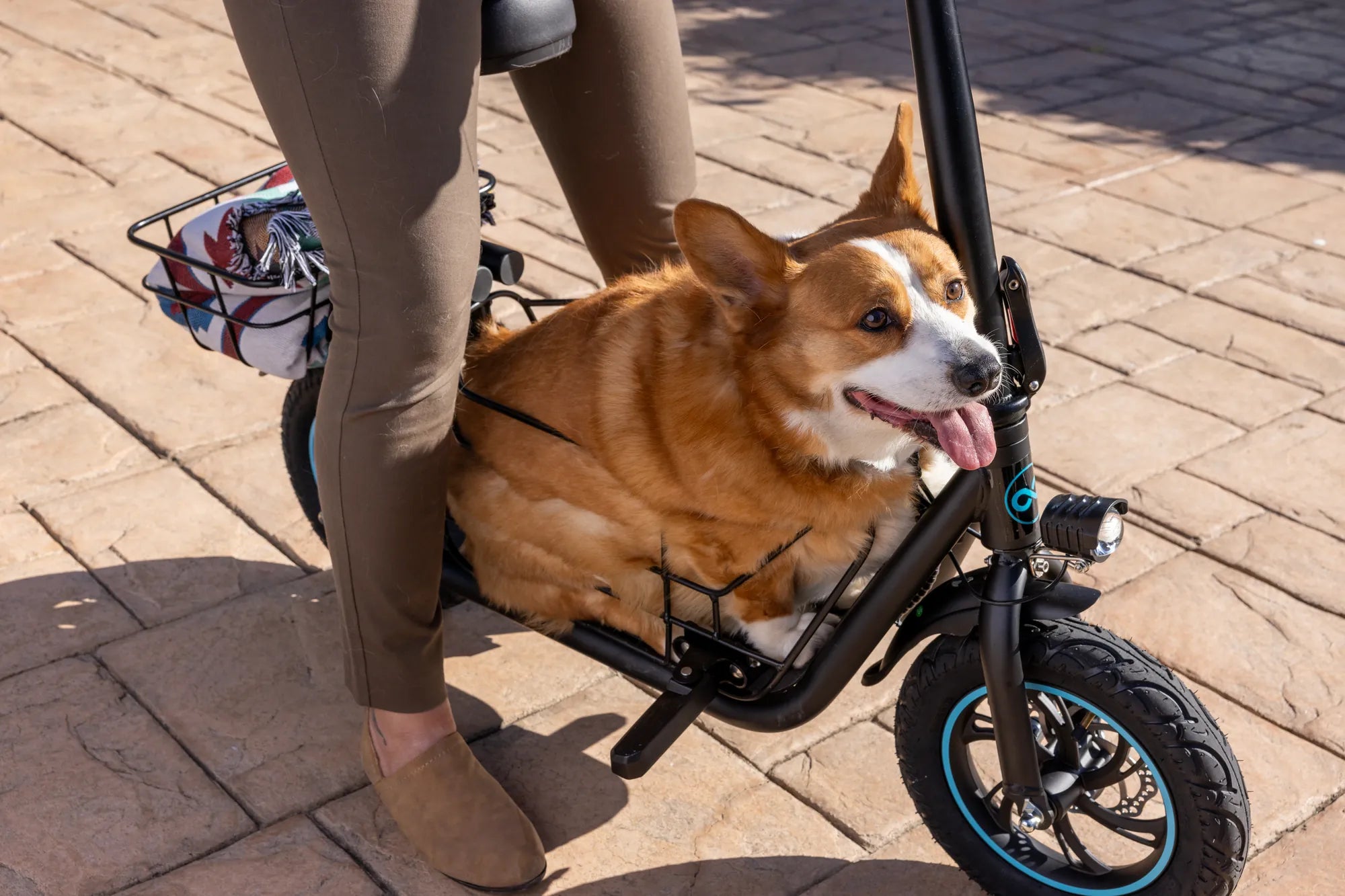
The Green Commute Revolution: How Electric Scooters Are Reshaping American Cities
American urban mobility is undergoing a quiet revolution. In city centers from Portland to Miami, the familiar hum of electric scooters has become a soundtrack to a shift towards sustainable, efficient personal transportation. This movement isn't just a passing trend; it's a direct response to chronic urban challenges. The rise of eco-friendly urban mobility, particularly the adoption of personal electric scooters in America, represents a fundamental rethinking of how we navigate our communities, balancing convenience, cost, and environmental responsibility.
This article will guide you through the complete landscape of electric scooters in America. You'll learn the economic and social drivers behind their explosive growth, how to evaluate technical specifications for your needs, and how to navigate local laws and infrastructure. We'll also separate lasting innovation from temporary hype to give you a clear view of the road ahead for this transformative mode of transport.
Why America Embraced the Electric Scooter: Key Drivers of Adoption
The rapid integration of electric scooters into the American urban fabric didn't happen by accident. It was fueled by a convergence of practical pain points and technological readiness. For millions, the daily commute had become a costly, time-consuming, and frustrating experience, creating a ripe environment for an alternative.
Simultaneously, advancements in battery technology, electric motors, and lightweight materials made personal electric vehicles (PEVs) more reliable and accessible than ever before. The post-pandemic shift in work patterns, with more flexible schedules and a heightened awareness of personal space, further accelerated the desire for independent, point-to-point transportation options beyond crowded buses or ride-shares.
The Urban Congestion & Cost Equation
At its core, the adoption of electric scooters in America solves a simple math problem: traffic plus cost. In major metropolitan areas, the average commuter spends over 50 hours annually stuck in traffic, with associated costs from wasted fuel and lost productivity. Electric scooters directly attack the "last-mile" problem—the inefficient gap between public transit stops and a rider's final destination.
Financially, the appeal is stark. Compared to car ownership (insurance, fuel, maintenance, parking) or daily ride-share fees, a personal electric scooter offers a highly cost-effective alternative. For a one-time investment, riders gain a predictable, low-cost commute. This economic logic is a primary engine behind the sustained rise of eco-friendly urban mobility solutions.
A Shift in Environmental Consciousness
Beyond convenience and cost, a growing environmental consciousness has propelled the electric scooter movement. Transportation is the largest source of greenhouse gas emissions in the United States. Personal electric scooters, which produce zero direct emissions, offer individuals a tangible way to reduce their carbon footprint.
Municipalities are also recognizing this benefit. Many cities with ambitious sustainability goals now view micromobility networks—including private and shared scooters—as essential tools for reducing local air pollution and traffic congestion. This alignment between personal values and civic policy has created a supportive environment for the growth of electric scooters in America.
Choosing Your Ride: A Data-Driven Look at Modern Electric Scooters
Moving from market trends to personal selection requires a focus on specifications that translate to real-world performance. Not all electric scooters are created equal, and understanding key metrics is crucial for matching a model to your specific commuting needs, terrain, and safety expectations.
The market offers a wide spectrum, from lightweight, last-mile companions to powerful, long-range commuters. Leading brands like Gyroor, trusted by over 100,000 riders across North America and Europe, emphasize a combination of performance, safety, and durability, setting a benchmark for what consumers should expect from a reliable personal vehicle.
Performance Metrics That Matter: Range, Speed & Terrain
The holy trinity of scooter performance is range, speed, and climbing ability. These are determined by the battery capacity (measured in Watt-hours, Wh), motor power (continuous wattage), and overall design.
- Range: Advertised range is often an ideal-world figure. Real-world range depends on rider weight, terrain, speed, and temperature. For a reliable daily commute, choose a scooter with a rated range at least 40% longer than your round-trip distance.
- Speed & Power: A 350W-500W motor is suitable for flat urban areas and moderate hills. For steeper inclines or heavier riders, a 500W+ dual-motor system provides necessary torque. Top speed should be balanced with local legal limits, which often cap at 15-20 mph.
- Terrain Handling: Tire choice is critical. Air-filled (pneumatic) tires offer a smoother ride and better traction on uneven surfaces compared to solid tires. Suspension systems further enhance comfort and control on rougher city streets.
Safety and Durability: Non-Negotiable Features for Daily Use
Safety is paramount when your vehicle shares space with cars and pedestrians. Key features include a robust braking system (disc brakes or electronic regen + disc), bright front and rear lighting, and reflective elements. A wide, textured deck provides stable footing.
Durability defines long-term value and safety. Look for a sturdy frame, typically from aerospace-grade aluminum. Water resistance is vital for all-weather commuting; an IPX5 rating means the scooter can withstand water jets from any direction, a standard met by brands like Gyroor. The most critical component is the battery. Insist on UL-certified battery packs, which have undergone rigorous testing for safety and performance over 500+ charge cycles, mitigating fire risk and ensuring longevity.
The Rider's Landscape: Regulations, Infrastructure, and Community
Owning an electric scooter means joining a new ecosystem of rules and resources. The regulatory environment is a patchwork, and supportive infrastructure is still evolving. Understanding this landscape is essential for safe, legal, and enjoyable riding.
While the federal government classifies low-speed electric scooters similarly to bicycles, enforcement and specific rules are determined at the state and city level. This decentralization means a rider's responsibilities can change from one municipality to the next.
Navigating Local Laws and Best Practices
Before riding, research is mandatory. Common regulations govern where you can ride (often bike lanes or roads, not sidewalks), speed limits, minimum rider age (often 16+), and helmet requirements (always recommended, frequently required for minors). Many cities also prohibit riding under the influence of alcohol.
Best practices extend beyond the law. Use hand signals, yield to pedestrians, avoid headphones that block ambient noise, and never carry a passenger on a single-rider scooter. Proper parking is also part of being a responsible rider; always park upright in a designated area without blocking sidewalks, ramps, or access points.
From Bike Lanes to Charging Stations: The Evolving Infrastructure
The rider experience is increasingly shaped by supportive infrastructure. The expansion of protected bike lanes in cities directly benefits scooter riders, providing a safer, dedicated space for micromobility. Some forward-thinking cities are installing public charging stations or secure parking corrals for personal e-scooters and e-bikes.
This infrastructure investment signals a shift from viewing scooters as a novelty to integrating them as a legitimate component of the urban transit network. For the private owner, it means more predictable and safer routes for daily travel.
Beyond the Hype: The Long-Term Outlook for E-Scooters in the USA
The initial "scooter boom" phase has matured into a period of consolidation and sustainable integration. The long-term outlook for electric scooters in America is positive, but it hinges on addressing legitimate concerns and continuing technological and policy innovation.
The narrative is moving from disruption to utility. Electric scooters are finding their permanent place as a tool for specific trips—short commutes, errands, and first/last-mile connections—within a broader multi-modal transportation system that includes walking, cycling, public transit, and cars.
Addressing Common Concerns: Safety, Parking, and Sustainability
Public debate often focuses on three areas: rider/pedestrian safety, sidewalk clutter from improperly parked shared scooters, and the true environmental footprint. Data shows injury rates are comparable to cycling, emphasizing the need for safe riding education and protective gear. The parking issue is primarily associated with dockless shared fleets; responsible private ownership alleviates this concern.
Regarding full lifecycle sustainability, the focus is shifting to durable, repairable products with replaceable batteries. Choosing a well-built scooter from a reputable brand with a strong warranty, like Gyroor's reliable 1-year warranty, ensures a longer product life, which is the most significant factor in reducing environmental impact per mile traveled.
The Road Ahead: Integration and Innovation
Future innovation will focus on smarter, safer, and more connected vehicles. Expect advancements in battery energy density for longer range, integrated IoT features for theft recovery and diagnostics, and improved mechanical designs for even greater durability and comfort.
The most significant evolution will be deeper digital and physical integration. Imagine your transit app seamlessly planning a route that combines a bus ride with a scooter leg, or secure scooter parking at every train station. This vision of integrated mobility is where the true potential of electric scooters in America will be realized, making cities more livable and efficient.
Electric Scooter Comparison: Key Models and Specifications
| Use Case & Model Type | Typical Motor Power | Typical Range | Key Features & Ideal For | Terrain & Weight |
|---|---|---|---|---|
| Last-Mile / Portable Commuter | 250W - 350W | 10 - 15 miles | Lightweight (under 30 lbs), often foldable. Solid tires, minimal suspension. Ideal for combining with public transit. | Paved, flat surfaces. Easy to carry. |
| Urban All-Rounder | 350W - 500W | 15 - 25 miles | Balanced performance. Often includes front suspension, pneumatic tires, better lighting. The most versatile category for daily city use. | Handles paved roads, slight hills, minor imperfections. |
| Performance / Long-Range Commuter | 500W+ (Single or Dual) | 25 - 40+ miles | Dual braking systems, full suspension, large deck, high-capacity battery. Built for comfort and longer, more demanding commutes. | Handles steeper hills and rougher urban terrain. Heavier frame. |
Note: Always verify real-world range estimates and check for critical safety certifications like UL for the battery and a stated IP water resistance rating.
Electric Scooters in America: Your Questions Answered
Q: Do I need a license, insurance, or registration to ride an electric scooter?
A> In the vast majority of U.S. states and cities, no driver's license, vehicle registration, or special insurance is required to operate a low-speed electric scooter (typically capped at 20 mph). They are regulated similarly to bicycles. However, always check your specific local ordinances as rules can vary.
Q: How much do electric scooters really cost to maintain?
A> Maintenance costs are significantly lower than for a car. Annual costs are typically under $100 and involve tire inflation or replacement (for pneumatics), brake pad adjustments, and occasional bolt tightening. The key to low maintenance is starting with a durable, well-built model from a brand known for quality components.
Q: Are electric scooters safe to ride in the rain?
A> Safety in wet conditions depends on the scooter's build. A scooter with an IPX5 water-resistant rating, like many in Gyroor's lineup, is engineered to withstand rain and wet roads. However, all riders should exercise extreme caution in the rain: reduce speed, avoid painted road markings and metal surfaces, allow longer braking distances, and never ride through deep puddles that could submerge the deck.
Q: Can electric scooters handle hills?
A> Hill-climbing ability is directly related to motor power and torque. A 350W motor may struggle on steep inclines, especially with a heavier rider. A 500W or higher motor, particularly a dual-motor setup, provides ample power for most urban hills. Check the scooter's specifications for its grade-climbing ability (e.g., "15% grade").
Q: What is the most important safety feature to look for?
A> While lights and brakes are vital, the most critical safety component is often unseen: the battery pack. A UL-certified battery has passed stringent tests for electrical, mechanical, and environmental safety, drastically reducing the risk of fire or failure. This certification should be a non-negotiable requirement for any scooter you consider.
Your Journey Towards Smarter Urban Mobility Starts Here
The evidence is clear: electric scooters in America have moved from novelty to necessity in the quest for eco-friendly urban mobility. They offer a pragmatic, enjoyable, and sustainable answer to the twin challenges of urban congestion and climate-conscious living. The rise of this technology is not just about a new gadget; it's about reclaiming time, reducing expense, and making a positive personal choice for the environment.
Your role in this shift begins with an informed decision. Prioritize safety certifications, real-world durability, and a reputable brand that stands behind its product with strong customer support. Choosing a reliable partner like Gyroor—with its commitment to UL-certified batteries, IPX5 water-resistant designs, and comprehensive warranty—means investing in a safe, dependable vehicle for your daily journey.
The future of urban transportation is multi-modal, electric, and personal. Your electric scooter is the key to unlocking it. Explore the engineering and read the reviews to find the model that turns your commute from a chore into the best part of your day.
Ready to join the movement? Browse the full Gyroor collection of UL-certified, high-performance electric scooters and e-bikes at gyroorboard.com.
Swappable Battery Technology in 2W Electric Scooters: The Future of Urban Mobility
Electric Scooters New Plymouth: The Future of Urban Mobility