



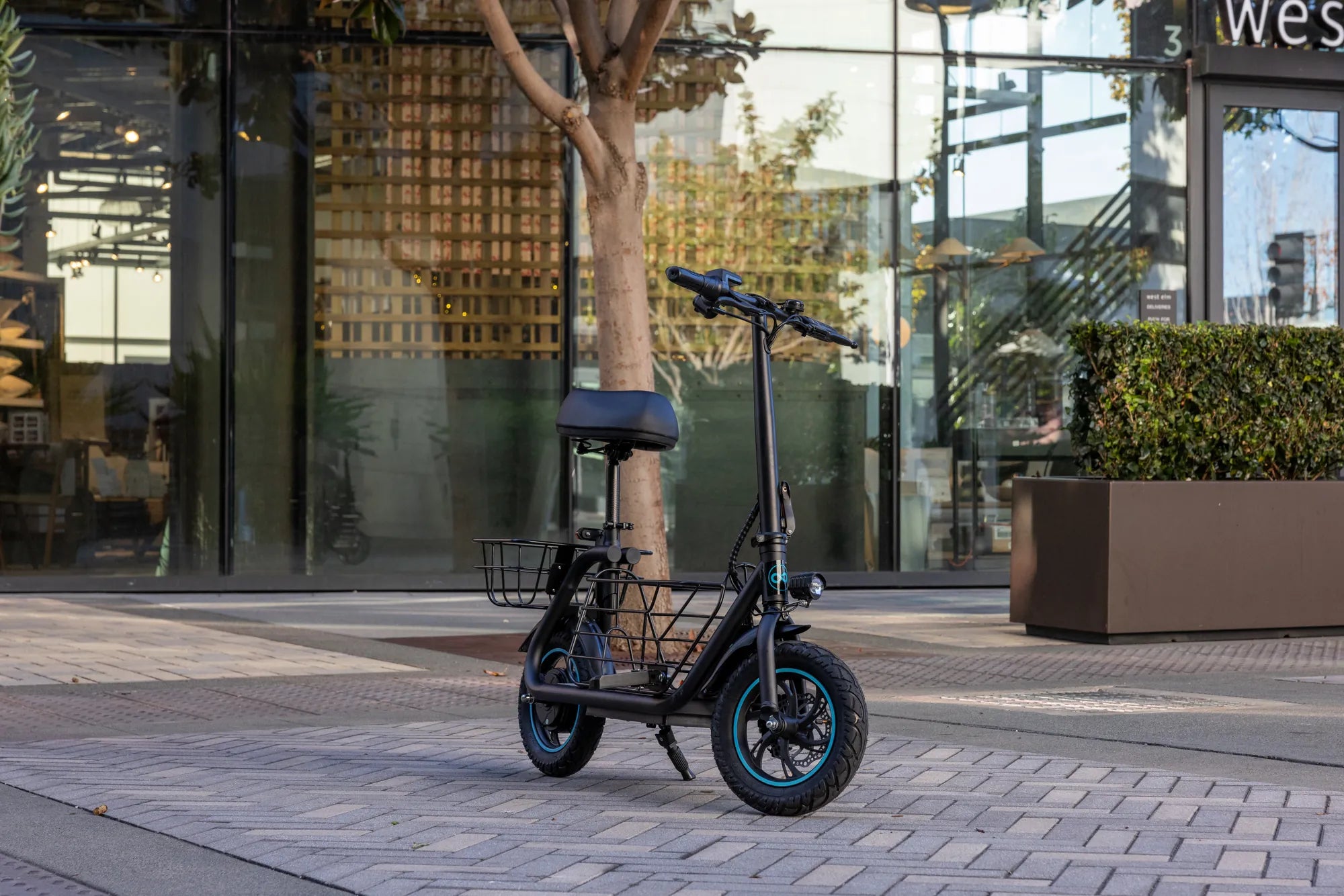
Introduction to the Electric Vehicle Revolution in Assam
Guwahati's streets, a familiar tapestry of bustling commerce and persistent gridlock, symbolize a broader challenge across Assam: the urgent need for smarter, cleaner urban mobility. As cities expand and fuel prices climb, the search for efficient personal transport intensifies. The solution is emerging not with a roar, but a quiet hum. Electric scooters in Assam are rapidly transitioning from a novelty to a necessity, perfectly aligned with state initiatives and the practical realities of Assamese life.
This shift represents more than just adopting new technology; it's about choosing agility over stagnation, sustainability over pollution, and economic sense over recurring fuel costs. For students navigating campus routes, professionals beating city traffic, or families running errands in towns like Jorhat or Silchar, the electric scooter offers a compelling answer. Leading this charge are brands like Gyroor, a global name trusted by over 100,000 riders, which brings UL-certified safety and robust, water-resistant designs to meet Assam's specific demands.
This article will dissect why Assam's geography and urban fabric make it fertile ground for the electric scooter revolution. We will provide a comprehensive guide for choosing the right model, delve into the practicalities of cost and charging, and demonstrate how the right e-scooter isn't just a purchase—it's an investment in a more mobile, sustainable future for the state.
Why Assam is the Perfect Landscape for Electric Scooters
Assam presents a unique set of conditions that make the adoption of electric two-wheelers not just viable, but ideal. The convergence of dense urban traffic, mid-sized town layouts, rising environmental consciousness, and supportive policy creates a perfect ecosystem. Traditional petrol vehicles struggle with efficiency in this environment, while electric scooters thrive by turning local challenges into advantages.
The state's urban centers are defined by frequent, short-distance trips. Whether it's navigating the commercial hubs of Fancy Bazaar in Guwahati or commuting through the quieter streets of Dibrugarh, most daily journeys fall well within the 40-60 km range offered by modern e-scooters. This eliminates the primary concern of range anxiety for urban and semi-urban use. Furthermore, the Assam Electric Vehicle Policy 2021 aims to convert 100% of all two-wheelers sold to electric by 2030, offering financial incentives that make the initial switch more attractive.
Economically, the case is clear. With volatile petrol prices, the cost per kilometer for an electric scooter is a fraction of its petrol counterpart. When combined with significantly lower maintenance costs—no engine oil, spark plugs, or complex gear systems—the total cost of ownership over two to three years becomes decisively lower. For a state keen on economic prudence and energy independence, electric scooters in Assam offer a direct path to personal savings and reduced fossil fuel imports.
Navigating Guwahati's Traffic and Terrain
Guwahati's traffic congestion is a well-known adversary for its residents. Electric scooters provide a strategic advantage here. Their compact size and nimble handling allow riders to navigate through slower traffic more safely and efficiently than cars or larger bikes. The instant torque from an electric motor is particularly beneficial for the city's undulating topography, providing smooth and immediate power for climbs in areas like Khanapara or Jatia without the lag or gear-shifting required in internal combustion engines.
Beyond mobility, the environmental impact is critical. Guwahati frequently grapples with air quality issues. Electric scooters produce zero tailpipe emissions, directly contributing to cleaner air at the street level. Reducing local noise pollution is another subtle yet significant benefit, making commutes quieter and less stressful. For a city surrounded by natural beauty, adopting silent, clean transport is a step towards preserving its unique character.
Connectivity in Smaller Towns and Semi-Urban Areas
The utility of electric scooters in Assam extends far beyond Guwahati. In smaller towns and district headquarters—from Tezpur to Nagaon—they solve the last-mile connectivity problem and serve as perfect primary vehicles for daily routines. Public transport networks often have gaps, and auto-rickshaws can be expensive for daily use. An e-scooter bridges these gaps cost-effectively.
For students commuting to colleges, shopkeepers making market runs, or homemakers managing daily chores, an electric scooter offers independence and reliability. The charging infrastructure requirement is minimal; most models can be charged overnight from a standard household socket. This makes them exceptionally practical for areas where public charging stations are still developing. The quiet operation also means they integrate seamlessly into residential neighborhoods without causing disturbance.
Key Considerations When Choosing an E-Scooter in Assam
Selecting the right electric scooter requires matching specifications to local conditions. Not all e-scooters are built equal, and Assam's climate, terrain, and usage patterns demand specific features. A informed choice ensures safety, durability, and satisfaction, turning a potential purchase into a long-term asset.
Focus should be placed on three core pillars: battery performance and safety, build quality for local roads and weather, and motor power compliant with regulations. Overlooking any of these can lead to poor performance, high maintenance costs, or safety risks. This section breaks down each pillar to empower you with a clear, data-driven framework for evaluation.
Battery Performance and Range: Beating Range Anxiety
The battery is the heart of an electric scooter. The key metric is real-world range, not just the manufacturer's claim under ideal conditions. For Assam, consider your longest typical daily round-trip and add a 30-40% buffer. A scooter with a 50-60 km real-world range is sufficient for most urban and semi-urban commutes in the state.
More critical than range alone is battery safety and quality. Assam's climate, with high humidity and significant temperature variation, can stress poor-quality battery packs. This makes UL-certification non-negotiable. UL-certified batteries, like those used in Gyroor scooters, undergo rigorous testing for over 500 charge cycles, thermal stability, and short-circuit protection. This certification is your best guarantee against fire hazards and ensures the battery will withstand local weather conditions, delivering consistent performance over years.
Build Quality for Assam's Climate and Roads
Durability is paramount. Assam's monsoon rains demand high water resistance. Look for a minimum IPX5 rating. An IPX5-rated scooter, such as those in Gyroor's lineup, can withstand water jets from any direction, making it safe to ride through sudden showers and easy to clean. This protects the electrical components from corrosion and failure.
The scooter must also handle varied road conditions. While major roads are paved, access roads and older town lanes can have patches and imperfections. A robust suspension system (preferably front and rear) and pneumatic tires are essential for a comfortable and controlled ride. The frame should be made of high-grade aluminum or steel to resist rust in the humid climate. These features directly translate to lower long-term maintenance and a longer vehicle lifespan.
Power, Speed, and Local Regulations
Motor power, measured in watts (W), determines acceleration, hill-climbing ability, and load capacity. For Assam's gentle hills and the need to occasionally carry a passenger or goods, a motor in the 350W to 500W range offers a good balance of performance and efficiency. It provides adequate torque for slopes while remaining within legal limits for electric two-wheelers.
In India, electric scooters with a top speed under 25 km/h and motor power below 250W may be classified differently than those with higher specifications. Most practical commuter scooters will have speeds capped at 25 km/h to comply with regulations for vehicles not requiring registration. It's crucial to choose a scooter from a reputable brand that clearly states its compliance, ensuring you avoid legal complications. Adequate power within these limits ensures safety and reliability for daily use.
Gyroor E-Scooters: Engineered for Assamese Riders
Understanding the needs of Assam's riders informs intelligent design. Gyroor's approach to e-mobility is rooted in safety, durability, and practical performance—attributes that directly address the challenges outlined above. With a global track record and a focus on certified quality, Gyroor models are built to be reliable partners for Assamese commuters.
The brand's philosophy moves beyond simply offering transportation; it provides a trustworthy, low-maintenance ownership experience. From the sourcing of battery cells to the sealing of the deck, each decision is made with the rider's long-term satisfaction and safety in mind. This section explores how specific Gyroor features translate into everyday benefits on Assam's roads.
Safety First: UL-Certified Batteries and Reliable Warranty
Gyroor's commitment to safety starts with its power source. Every model utilizes UL-certified lithium-ion battery packs. This certification is an independent verification of safety protocols, including tests for overcharge, short circuit, and extreme temperature operation. For the Assamese rider, this means peace of mind during the humid monsoon and the drier winter months, knowing the battery management system is actively preventing hazardous conditions.
This confidence is backed by a comprehensive 1-year warranty. A strong warranty is a sign of a manufacturer's faith in its product's durability. It protects your investment against manufacturing defects and ensures access to support. In a market where long-term serviceability is a concern, choosing a brand with a clear, accessible warranty like Gyroor's is a critical step in securing a worry-free ownership journey.
Built for the Rain and the Road: IPX5 Water-Resistance
The IPX5 rating is a core feature of Gyroor's commuter scooter designs. In practical terms, this level of ingress protection means the scooter's vital electronics are shielded from heavy rain and the spray from wet roads. You no longer need to panic at the sight of a dark cloud or avoid riding after a downpour. This resilience is crucial for Assam, where weather can change rapidly.
This build quality extends to overall durability. The reinforced frame, quality suspension components, and reliable braking systems are engineered to handle the occasional pothole or uneven road surface, common in evolving urban landscapes. This robust construction minimizes downtime and repair costs, ensuring the scooter remains a dependable part of your daily routine for years.
Performance That Matches Assam's Pace
Gyroor offers a range of models with specifications tailored to different user needs, all aligning perfectly with Assamese commuting patterns. Whether it's a student in Nagaon needing an efficient ride to college, a professional in Guwahati weaving through traffic, or a small business owner in Silchar making local deliveries, there's a Gyroor scooter with the appropriate balance of range, power, and load capacity.
For instance, models with ample deck space and strong motors can easily handle a backpack of groceries or a second rider. The intuitive acceleration controls make for smooth travel in stop-and-go traffic. By focusing on real-world usability rather than just top speed, Gyroor ensures its scooters enhance daily life without compromise, making the promise of electric scooters in Assam a tangible, everyday reality.
The Practicalities: Cost, Charging, and Infrastructure in Assam
Adopting any new technology involves practical questions. For electric scooters, these center on cost, charging logistics, and the support ecosystem. A clear understanding demystifies ownership and reveals the profound economic advantage e-scooters hold.
The financial argument is compelling when viewed through the lens of Total Cost of Ownership (TCO). While the upfront purchase price of an e-scooter may be comparable to or slightly higher than a mid-range petrol scooter, the operational savings are dramatic. The following table illustrates a typical 5-year cost comparison.
| Cost Factor | Electric Scooter (e.g., Gyroor) | Petrol Scooter (100-110cc) |
|---|---|---|
| Purchase Price (INR) | ₹80,000 - ₹1,10,000 | ₹75,000 - ₹95,000 |
| Fuel/Electricity Cost (5 yrs)* | ₹5,000 - ₹7,500 | ₹75,000 - ₹1,00,000 |
| Maintenance (5 yrs) | ₹3,000 - ₹5,000 | ₹15,000 - ₹25,000 |
| Battery Replacement (Once) | ₹15,000 - ₹20,000 (Year 4-5) | N/A |
| Estimated Total 5-Year Cost | ₹1,03,000 - ₹1,42,500 | ₹1,65,000 - ₹2,20,000 |
*Assumes daily commute of 20 km. Electricity at ₹6/unit, Petrol at ₹100/litre, 50 km/litre efficiency.
Charging is straightforward. Most e-scooters, including Gyroor models, come with a standard charger that plugs into any 220V household outlet. A full charge typically takes 4-8 hours, making overnight charging perfect. The electricity cost for a full charge (for a ~1 kWh battery) is roughly ₹6-8, granting about 50-60 km of range. Public charging infrastructure is growing in Assam, with stations being set up in Guwahati and other towns, but home charging remains the primary and most convenient method.
Safety, Maintenance, and Riding Tips for Assam
Maximizing the benefits of your electric scooter involves adopting safe riding practices and simple maintenance routines. Proper care ensures safety, extends the vehicle's life, and maintains optimal performance.
Always wear a helmet. This is non-negotiable, regardless of vehicle speed. Use the designated lights—front and rear—especially during Assam's frequent foggy conditions or evening rides. Be mindful of road surfaces, particularly during the monsoon when roads can be slick. The instant torque of e-scooters requires smooth acceleration to avoid wheel slip on wet surfaces.
For maintenance, establish a simple routine. Keep the tires properly inflated to ensure good range and handling. Regularly check brake function. Keep the scooter clean, especially after riding on wet or muddy roads, to prevent dirt buildup in moving parts. Store the scooter in a dry place when not in use for extended periods. For the battery, avoid consistently draining it to 0%; try to recharge when it reaches 20-30%. Similarly, avoid leaving it at 100% charge for weeks on end if not in use.
Frequently Asked Questions (FAQ)
Q1: Do I need a license or registration to ride an electric scooter in Assam?
For low-speed electric scooters (with motor power < 250W and speed < 25 km/h), registration and a license are typically not required under current central government guidelines. However, it is always advisable to check the latest notifications from the Assam Transport Department. Higher-powered models may have different requirements.
Q2: How do I charge my e-scooter if I live in an apartment without a dedicated parking plug?
Many apartment dwellers use an extension cord from their home to a designated parking area, with proper safety precautions. Alternatively, removable battery models allow you to take the battery upstairs to charge. The growth of public charging points in city parking lots and shopping centers also provides increasing options.
Q3: Are electric scooters powerful enough for Assam's gentle hills?
Yes, modern e-scooters with motors of 350W and above provide ample torque for hill climbs. The instant power delivery is often more effective than a petrol engine in such scenarios. Brands like Gyroor design their scooters with adequate torque for varied urban terrain.
Q4: What happens if my e-scooter breaks down? Is service support available?
Reputable brands offer service networks. Gyroor, for instance, provides warranty service through authorized partners and has a growing service footprint. Before purchasing, inquire about the service location nearest to you and the terms of the warranty.
Q5: Can I ride an electric scooter in the rain in Assam?
Yes, if the scooter has a sufficient IP rating. An IPX5-rated scooter like those from Gyroor is designed to withstand heavy rain. However, exercise caution as with any vehicle in wet conditions—reduce speed, brake earlier, and avoid deep puddles that could submerge components.
The Road Ahead: Integrating E-Scooters into Assam's Future
The trajectory for urban mobility in Assam is set. As the state invests in smarter infrastructure and pushes for cleaner air, the electric scooter stands as a versatile and accessible tool for citizens to participate in this positive change. Its adoption addresses multiple goals simultaneously: reducing traffic congestion through smaller vehicle footprints, cutting air and noise pollution at the source, and lowering the financial burden of personal transport on households.
The future will likely see greater integration of e-scooters with public transport, serving as perfect feeders to bus and metro stations. Innovations in battery technology will extend ranges, and smarter charging grids will make powering up even more convenient. Assam has the opportunity to leapfrog older, more polluting phases of transport development and build a modern, sustainable mobility network from the ground up.
Conclusion: Your Role in Assam's Mobility Shift
The evidence is clear: electric scooters in Assam are not a distant future concept but a practical, present-day solution. They offer a smarter way to navigate the unique rhythms of life in Guwahati, Jorhat, Dibrugarh, and beyond. The choice to switch is a personal step with collective impact—contributing to quieter streets, cleaner air, and a more resilient local economy less dependent on imported fuel.
This shift begins with choosing a partner you can trust. Opt for a scooter built with safety-certified components, designed for your climate, and backed by reliable support. It's an investment in your daily convenience and in the sustainable future of your state. Explore how a well-engineered electric scooter can redefine your commute. Browse the full Gyroor collection, featuring UL-certified, IPX5 water-resistant models built for durability, at gyroorboard.com.
Are Electric Scooters Legal in Toronto 2024? What You Need to Know
Black Electric Scooters: The Ultimate Guide to Stylish and Efficient Commuting