



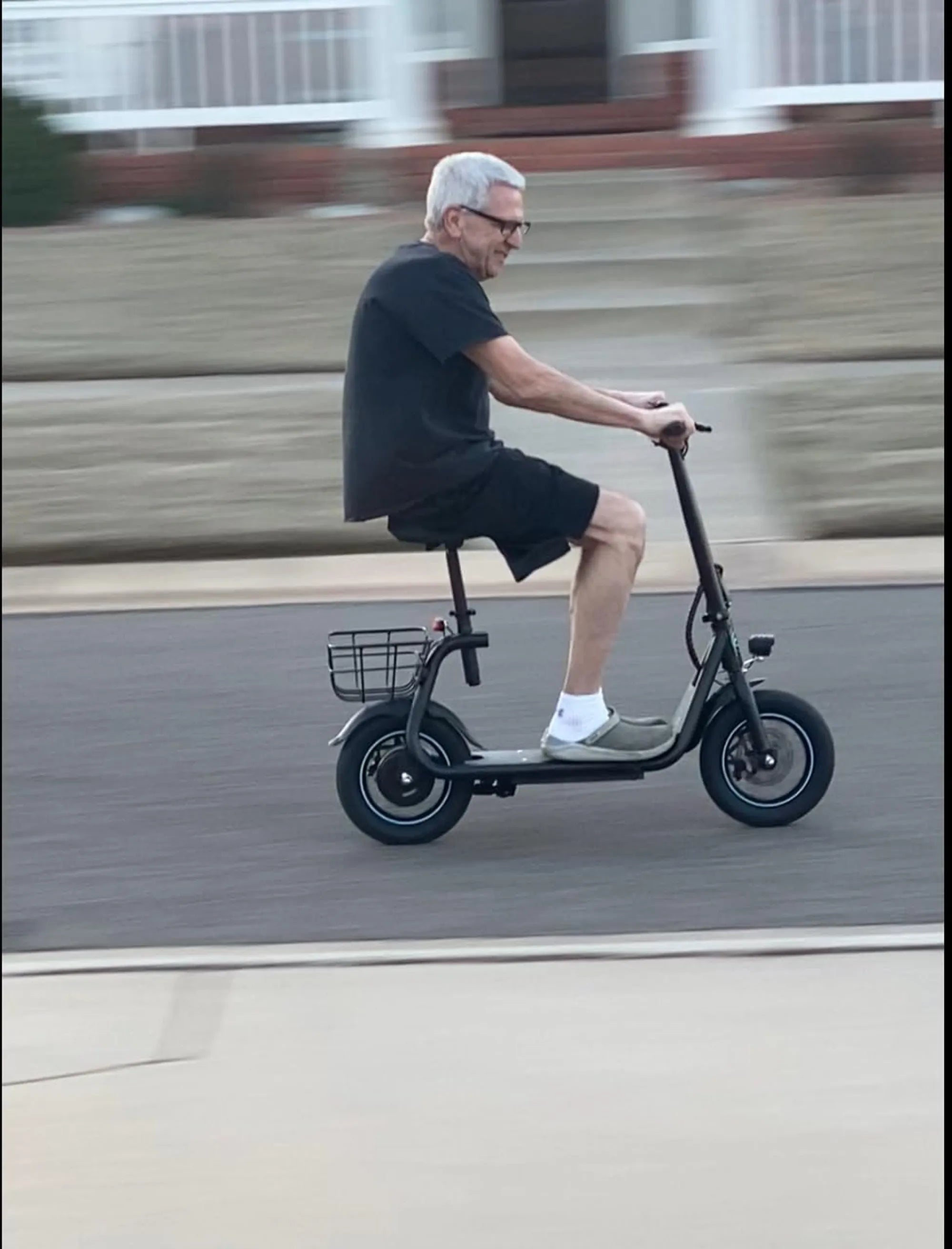
Bangalore's traffic congestion isn't just an inconvenience; it's a daily economic and personal drain. As the city's tech workforce grows, so does the search for smarter, nimbler, and more sustainable transport. Electric scooters in Bangalore are emerging not as a niche trend, but as a fundamental solution to urban gridlock, offering a direct answer to high fuel costs, parking scarcity, and last-mile connectivity gaps. This article provides a data-driven analysis of the e-scooter revolution, detailing why Bangalore is the ideal proving ground, what specifications matter most, and how to choose a scooter built for the city's unique challenges. You'll learn about real-world cost savings, essential safety features, and the practical considerations for making the switch.
Why Bangalore is the Perfect City for Electric Scooters
Bangalore's urban fabric presents a unique set of challenges that align perfectly with the strengths of electric scooters. The city's infamous traffic jams, particularly on corridors like Outer Ring Road and Hosur Road, turn short commutes into hour-long ordeals. Electric scooters provide the agility to navigate through static or slow-moving traffic, reclaiming valuable time. Furthermore, the extensive but not exhaustive Namma Metro network creates significant last-mile gaps. An e-scooter is the ideal companion for the final 2-5 kilometers from the metro station to home or office, a distance often poorly served by autos or buses.
The city's demographic is another key factor. With a large, tech-savvy, and environmentally conscious population, Bangaloreans are early adopters of innovation. The desire to reduce one's carbon footprint combines powerfully with the practical need to cut commuting costs. Finally, the chronic shortage of parking space in commercial hubs like MG Road, Indiranagar, and Koramangala makes the compact footprint of an e-scooter a major advantage, allowing it to fit into spaces impossible for a car.
The Commuter's Math: Cost Savings vs. Traditional Transport
The financial argument for adopting an electric scooter in Bangalore is compelling. A direct comparison with a petrol scooter reveals stark differences. A typical 110cc petrol scooter delivers around 40-50 kmpl. With petrol prices fluctuating around ₹100 per liter, the fuel cost per kilometer is approximately ₹2.00 to ₹2.50. In contrast, an electric scooter consumes about 1.5 to 2 units of electricity to charge a battery for a 60-70 km range. At a domestic electricity rate of ₹6-8 per unit, the cost per kilometer plunges to between ₹0.15 and ₹0.25.
Maintenance costs further widen this gap. Electric scooters have far fewer moving parts—no engine oil, spark plugs, air filters, or complex gearboxes to service. Annual maintenance for an e-scooter is often a fraction of that for an internal combustion engine vehicle. When compared to app-based cabs, which can cost ₹300-500 for a 10km commute during peak hours, or auto-rickshaws with metered and frequently haggled fares, the e-scooter's economics become overwhelmingly favorable for daily use.
Beating the Traffic: Agility and Parking Advantages
Maneuverability is the e-scooter's superpower in Bangalore's stop-start traffic. Their slim profile allows riders to safely filter through gaps, bypassing long queues at signals and choke points. This isn't just about speed; it's about predictable commute times. The psychological benefit of moving, rather than being stuck, significantly reduces daily stress. Parking, a perpetual headache, is transformed. An e-scooter can be parked in a corner of a building's lobby, in dedicated two-wheeler slots that cars can't use, or even in compact residential spaces, eliminating the time and cost associated with searching for parking.
Key Features to Look for in a Bangalore-Ready E-Scooter
Not all electric scooters are created equal for Bangalore's demanding environment. Selecting the right model requires focusing on specifications that translate to real-world performance on local roads. The key is to prioritize durability, range, and safety over peak speed or flashy extras. A scooter built for smooth European pathways may fail on Bangalore's patchwork of potholes, speed breakers, and occasional unpaved sections. The following features are non-negotiable for a reliable and safe commuting experience in the city.
Battery & Range: Conquering Bangalore’s Distances
The advertised range is often an ideal-world figure. For Bangalore, you must consider a 'real-world' range that accounts for frequent stops, starts, inclines, and the rider's weight. A commute from Whitefield to Manyata Tech Park, for example, is roughly 15-20 km one way. A scooter with a claimed 70 km range might deliver 50-55 km in these conditions. Therefore, a minimum practical real-world range of 40-50 km is essential for most city dwellers to avoid range anxiety and daily charging. Battery quality is paramount. Look for scooters using reputable, UL-certified lithium-ion battery packs, which offer better longevity, safety, and consistent performance over hundreds of charge cycles compared to uncertified alternatives.
Build & Durability: Handling Rough Roads and Weather
Bangalore's roads demand a robust build. A sturdy frame, preferably of aircraft-grade aluminum or high-tensile steel, is crucial for longevity. Suspension is not a luxury—it's a necessity. A combination of front hydraulic forks and a rear mono-shock or dual-shock system can make the difference between a comfortable ride and a jarring one. Given the city's distinct monsoon season, water resistance is critical. An IP rating of IPX5 or higher is recommended, ensuring the scooter can withstand water jets from any direction, protecting the motor, battery, and controller from rain and road spray.
Safety and Compliance: Riding with Peace of Mind
Safety features are your primary defense on chaotic roads. A dual braking system (disc brake in front and drum or disc at the rear) provides reliable stopping power. Bright LED headlights, tail lights, and turn signals are essential for visibility. A loud, clear horn is a basic communication tool. Regarding compliance, in Karnataka, electric vehicles with a motor power below 250W and speed below 25 km/h may not require registration or a license. However, most performance-oriented commuter scooters exceed these limits. It is advisable to check the specific model's power and speed and be prepared for registration (which typically requires an invoice, RC, and insurance) and possession of a valid driving license.
Gyroor E-Scooters: Engineered for Bangalore's Demands
With over 100,000 riders trusting their products across North America and Europe, Gyroor has built a reputation on reliability and performance. Their engineering philosophy directly addresses the core requirements of a Bangalore commuter: durability, safety, and hassle-free ownership. By focusing on certified safety standards and robust construction, Gyroor models are designed to be dependable daily partners, not just fair-weather gadgets. This approach makes them a compelling choice for riders who view an e-scooter as a primary vehicle for navigating the urban landscape.
Reliability You Can Trust: UL-Certified Batteries and IPX5 Rating
Gyroor's commitment to safety starts at the core: the battery. Every model uses UL-certified lithium-ion battery packs. This certification means the batteries have undergone rigorous independent testing for fire and electrical safety, a critical consideration for home charging. This aligns perfectly with the need for trustworthy components in Bangalore's varied living conditions, from high-rise apartments to independent houses. Furthermore, Gyroor designs its scooters with a minimum IPX5 water-resistant rating. This engineering ensures that the electronic systems are sealed against heavy rain, allowing riders to commute confidently through Bangalore's monsoon showers without worrying about water damage.
Warranty and Support: Your Long-Term Riding Partner
The value of an electric scooter is measured over years, not months. Gyroor backs its products with a comprehensive 1-year warranty, covering the motor, battery, controller, and frame. This warranty provides a significant safety net, ensuring that any manufacturing defects are addressed without major out-of-pocket expense. For a new technology adopter in Bangalore, this warranty reduces the perceived risk of investment. It signifies the brand's confidence in its product's durability under daily use and provides peace of mind that support is available, making the ownership experience smooth and predictable.
Comparing Top Electric Scooter Types for Bangalore Commutes
Choosing the right e-scooter depends heavily on your specific commute and needs. The market offers a spectrum from ultra-portable last-mile solutions to more powerful near-bike alternatives. The table below breaks down the key categories to help you match a scooter type to your daily routine in Bangalore.
| Type | Best For | Typical Range | Key Features | Bangalore Use-Case |
|---|---|---|---|---|
| Ultra-Portable / Last-Mile | Short trips, Metro integration, students | 15-25 km | Lightweight (<15 kg), foldable, simple design | Perfect for the 2-3 km from home to metro/bus stop. Easy to carry into office. |
| Standard Commuter | Daily office commute (5-15 km one way) | 40-60 km | Balanced speed (25-35 km/h), good suspension, storage | The workhorse for most. Handles typical distances like HSR Layout to Koramangala reliably. |
| Performance / Long-Range | Longer commutes, hilly areas, riders seeking power | 60-100+ km | Higher motor power, dual brakes, enhanced suspension, faster charging | Ideal for commutes from farther suburbs like Yelahanka to Central Bangalore or navigating hilly parts. |
Essential Maintenance and Safety Tips for Bangalore Riders
Proper care maximizes your e-scooter's lifespan and ensures safety. Regular maintenance is simple but vital. Keep tire pressure at the recommended PSI; under-inflated tires reduce range and increase wear. Regularly check brake pads for wear and ensure brakes are properly adjusted. Keep the scooter clean, especially after riding in rain, to prevent dirt buildup in moving parts. For the battery, avoid completely draining it to zero. Try to keep the charge between 20% and 80% for daily use, with a full charge every few weeks to balance the cells. Always use the manufacturer-provided charger.
Safety riding practices are non-negotiable in Bangalore's traffic. Always wear a helmet—it's the law and your most important protection. Assume you are invisible to cars and trucks; ride defensively. Use hand signals in addition to electronic indicators. Be extra cautious at intersections and during lane changes. Avoid riding through large, deep puddles during rains, as they can hide potholes. Finally, secure your scooter with a robust lock when parked in public, as its portability makes it a target for theft.
The Future is Electric: Sustainability and Smart City Integration
The rise of electric scooters in Bangalore is a microcosm of a larger sustainable mobility shift. Widespread adoption directly combats the city's air quality issues by eliminating tailpipe emissions at the source. It also contributes to significant noise reduction, making neighborhoods quieter. Looking ahead, the true potential lies in integration with Bangalore's smart city aspirations. Dedicated micromobility lanes, secure parking hubs near transit stations, and public fast-charging points can be woven into the urban infrastructure.
Initiatives like these would create a cohesive network where e-scooters seamlessly connect with metro, buses, and shared mobility services. This integrated approach can dramatically reduce the reliance on private cars for intra-city travel, decongesting roads and improving the quality of urban life. The data generated from e-scooter usage can also help city planners understand traffic flows and optimize infrastructure, making Bangalore a model for other Indian megacities.
Frequently Asked Questions (FAQ) for Bangalore Riders
1. What is the registration process for an e-scooter in Bangalore?
For e-scooters with a motor power exceeding 250W or a top speed over 25 km/h, registration is mandatory. The process is similar to registering any new vehicle. You need the manufacturer's invoice, Form 20/21 (application for registration), valid insurance, PUC (though zero-emission), and address proof. Submit these at your local RTO, after which the vehicle will be inspected, and you will receive a registration number (RC). It's best to confirm the exact requirements for your specific model with the dealer or RTO.
2. Where can I charge my electric scooter?
The primary and most convenient charging location is at home or your office. The scooter's removable battery can typically be charged from a standard wall socket. Public charging infrastructure for e-scooters is still emerging in Bangalore. Some metro stations, shopping malls, and co-working spaces are beginning to install charging points. Planning your daily commute around your scooter's range and charging at your destination is the most reliable strategy currently.
3. Is it safe to ride an e-scooter in Bangalore's rain?
Yes, provided your scooter has a sufficient water-resistance rating (IPX5 or higher, like Gyroor models). These ratings mean the scooter is protected against water jets from any direction. However, safety also depends on rider behavior. Reduce speed, increase following distance, avoid large puddles (which may hide potholes or depth), and ensure your lights are on for visibility. Waterproof gear for yourself is also recommended.
4. How does the one-year cost compare to a petrol scooter?
The total cost of ownership over one year heavily favors the e-scooter. Excluding the upfront purchase price, for a daily commute of 20 km: A petrol scooter would incur approximately ₹14,600 in fuel (@ ₹2/km) and at least ₹2,000-₹3,000 in routine maintenance (oil changes, servicing). An e-scooter would cost about ₹1,100 in electricity (@ ₹0.20/km) and perhaps ₹500-₹1,000 for basic checks. That's an annual saving of over ₹15,000 on running costs alone.
5. What is the actual range I can expect on Bangalore's mixed terrain?
Expect the real-world range to be 15-25% less than the manufacturer's claimed 'ideal' range. Factors that reduce range include stop-and-go traffic (which uses more power for acceleration), rider weight, inclines (like those in areas like Basavanagudi or CV Raman Nagar), and frequent use of the throttle. If a scooter claims 70 km, a realistic expectation for Bangalore is 50-60 km. Always choose a scooter whose realistic range exceeds your longest daily round-trip by a comfortable margin.
Your Next Commute, Reimagined
The evidence is clear: electric scooters in Bangalore are far more than a passing trend. They represent a logical, efficient, and sustainable evolution of personal urban transport. By directly addressing the city's core pain points—traffic, cost, parking, and pollution—they offer a tangible upgrade to daily life. The combination of significant long-term savings, reduced commute stress, and a lower environmental impact creates a powerful value proposition. As infrastructure adapts and technology advances, the e-scooter's role will only become more central to Bangalore's mobility ecosystem. The future of urban commuting in the city is quiet, clean, agile, and electric. It's time to reimagine your daily journey.
Ready to transform your Bangalore commute? Explore a range of durable, safe, and high-performance electric scooters engineered for city life. Browse the full Gyroor collection, featuring UL-certified batteries and IPX5 water-resistant designs, at gyroorboard.com.
Do Electric Scooters Explode? The Truth Behind Battery Safety & Reliability
Electric Scooters With Long Battery Life: Ultimate Guide