



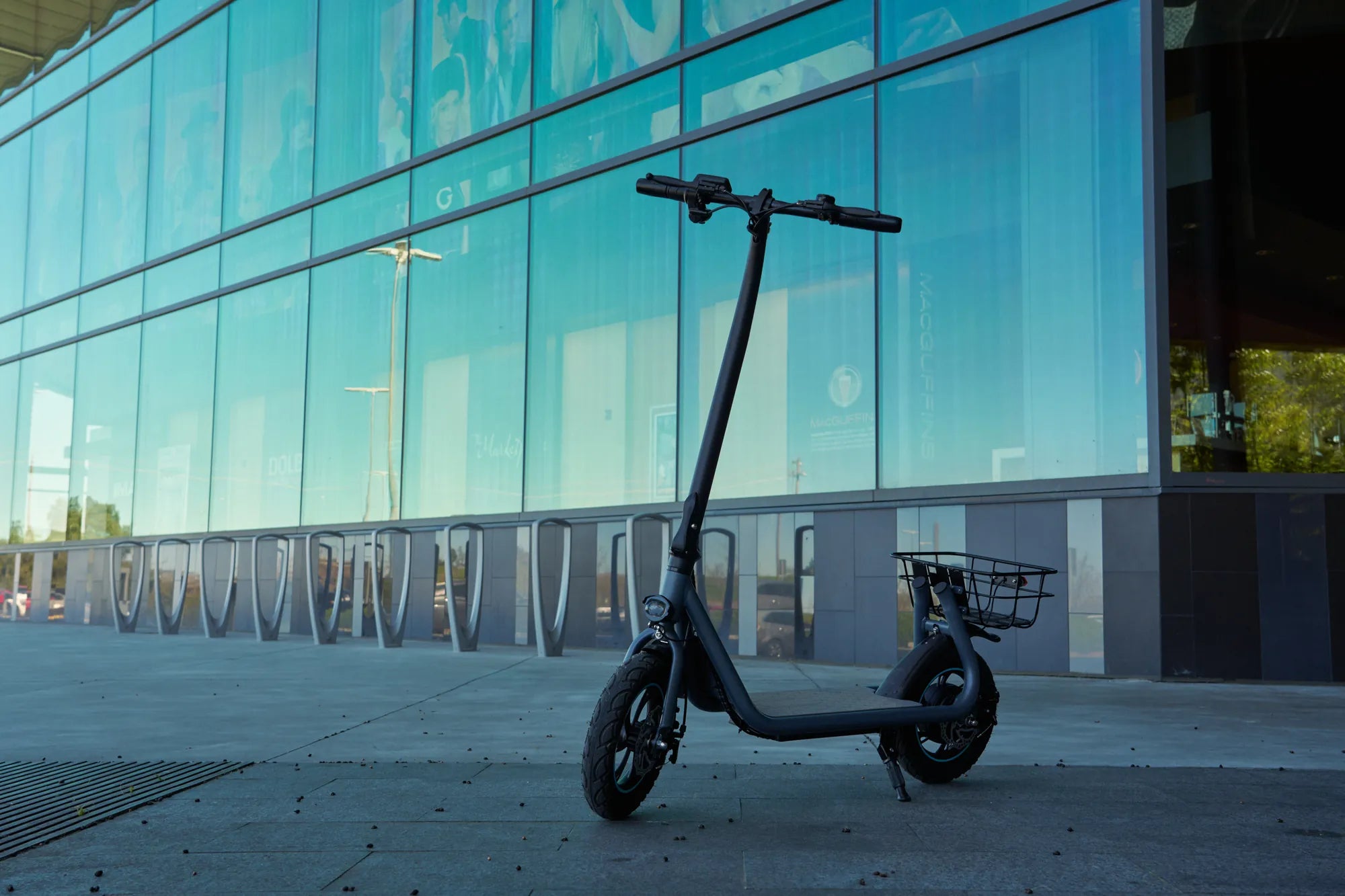
Introduction to the E-Scooter Revolution in Gujarat
Gujarat’s cities are at an inflection point. Ahmedabad, Surat, Vadodara, and Rajkot are expanding rapidly, but this growth is shadowed by increasing traffic congestion, rising fuel costs, and pressing air quality concerns. A silent, efficient solution is gaining momentum on these streets: the electric scooter. More than a trendy gadget, it represents a pragmatic answer to urban mobility challenges. This article will explore why Electric Scooters in Gujarat: The Future of Urban Mobility is not just a slogan but an emerging reality. You will learn about the state's supportive policies, the critical technical features for local conditions, the tangible economic savings, and how to navigate this transition seamlessly.
Why Gujarat is the Perfect Landscape for Electric Scooters
Gujarat’s geographical and infrastructural profile makes it exceptionally suited for electric two-wheeler adoption. The state is predominantly flat, with urban centers characterized by dense, interconnected networks of roads. This terrain minimizes the strain on scooter motors and batteries, allowing for efficient energy use and consistent range. Furthermore, Gujarat's climate, with long periods of dry, warm weather, is ideal for battery performance, though it necessitates specific durability features for the monsoon season.
The state government has been a frontrunner in fostering an Electric Vehicle (EV) ecosystem. The Gujarat EV Policy 2021 provides direct financial incentives, making the initial purchase significantly more affordable. Beyond subsidies, the policy mandates the development of widespread charging infrastructure, with plans for stations in commercial hubs, residential societies, and public parking areas. This proactive approach reduces 'range anxiety' and integrates e-scooters into the daily fabric of city life.
Urban commuting patterns in Gujarat also align perfectly with e-scooter capabilities. Most daily trips—for work, education, or shopping—fall within a 10-20 kilometer radius. Modern electric scooters easily cover these distances on a single charge, offering a nimble alternative to cars that get stuck in traffic and struggle for parking. The compact size of e-scooters allows riders to navigate through congestion and utilize small parking spaces, a critical advantage in crowded city centers.
Navigating Local Regulations and Incentives
Understanding the regulatory framework is crucial for a hassle-free ownership experience. In Gujarat, electric scooters with a motor power below 250W and a top speed under 25 km/h are typically classified as low-speed vehicles. These may not require formal registration or a driving license, but riders must be at least 16 years old. It is essential to check the latest notifications from the Gujarat Transport Department, as rules can evolve.
For higher-speed models, registration and a valid driver's license are mandatory. The good news is that the registration process for EVs is often streamlined and involves lower fees compared to internal combustion engine vehicles. Regarding where to ride, e-scooters are permitted on city roads but are generally prohibited on highways, expressways, and dedicated bicycle lanes unless specifically allowed.
The financial incentives are a major catalyst. Under the current state policy, buyers of electric two-wheelers are eligible for a subsidy based on battery capacity. This incentive, combined with a significant waiver on road tax and registration fees, can reduce the on-road price by a substantial margin. The central government’s FAME-II scheme may offer additional benefits, making the total cost of ownership highly competitive against petrol scooters from day one.
Key Features to Look for in an Electric Scooter for Gujarat's Conditions
Choosing the right e-scooter requires matching specifications to Gujarat's unique environment. Not all models are created equal, and prioritizing certain features will ensure longevity, safety, and value for money. The decision should be driven by data and verified performance metrics, not just aesthetics.
Battery Safety and Certification: This is the non-negotiable top priority. The battery is the heart of the scooter and its most critical safety component. Opt only for scooters equipped with batteries certified by recognized standards like UL (Underwriters Laboratories). UL-certified batteries, like those used in Gyroor models, undergo rigorous testing for thermal stability, short-circuit protection, and durability over hundreds of charge cycles, ensuring safety in Gujarat’s variable climate.
Water and Dust Resistance: The monsoon season demands robust protection. Look for a minimum IPX5 water-resistance rating. An IPX5-rated scooter can withstand water jets from any direction, making it safe to ride through light rain and wet roads. This protection also guards against the pervasive dust in drier months, preventing internal component damage.
Motor Power and Range: For mixed city commuting, a motor with a continuous power output of 350W to 500W offers a good balance of acceleration and hill-climbing ability. Real-world range is more important than theoretical maximums. A scooter offering 35-50 kilometers per charge will comfortably cover most daily urban commutes with a safety buffer, eliminating daily charging anxiety.
Performance Specs for the Urban Commute: Range, Speed, and Terrain
Performance must be evaluated in the context of real-world use. Advertised 'maximum' range often assumes ideal conditions—a lightweight rider on a perfectly flat road at low speed. A more practical metric is the 'real-world' or 'city' range, which accounts for stops, starts, and moderate payloads. For Gujarat's urban corridors, a reliable 25-40 km range is typically sufficient.
Speed should align with safety and regulations. Scooters capped at 25 km/h may not require licensing but can feel slow on wider roads. Models offering speeds up to 45 km/h provide a more versatile commuting experience while remaining manageable for most riders. It is crucial to always wear a helmet, regardless of the scooter's top speed.
While Gujarat is mostly flat, urban roads can have potholes, speed breakers, and uneven surfaces. Therefore, suspension is key. A model with front and rear suspension, or at least a robust rear suspension system, will provide a significantly more comfortable and controlled ride, protecting both the rider and the scooter's frame from undue stress.
Safety, Warranty, and After-Sales: The Pillars of Ownership
Long-term satisfaction with an electric scooter hinges on factors beyond the showroom. A comprehensive safety package, a trustworthy warranty, and accessible service support form the foundation of a wise purchase.
Safety features are paramount. A dual braking system—such as disc brakes in the front and drum brakes in the rear—provides reliable stopping power. Bright LED headlights and taillights, along with reflective elements, ensure visibility during early morning or evening commutes. The frame's build quality determines stability; a sturdy, well-welded frame inspires confidence at speed and over bumps.
The warranty is a direct reflection of the manufacturer's confidence in their product. A standard 1-year warranty on the vehicle is good, but pay close attention to the battery warranty. Reputable brands like Gyroor back their UL-certified battery packs with a strong warranty, often covering them for a significant period or a specified number of charge cycles. This protects your largest investment.
After-sales service availability within Gujarat is critical. Before purchasing, verify if the brand has authorized service centers or reliable partners in Ahmedabad, Surat, Vadodara, and Rajkot. Prompt access to genuine spare parts and trained technicians ensures minimal downtime. A brand with a track record of serving over 100,000 riders globally, like Gyroor, typically has established support protocols that benefit local customers.
The Environmental and Economic Impact: A Data-Driven Perspective
The shift to electric scooters delivers measurable benefits at both the personal and societal levels. The economic argument is compelling. The cost of electricity per kilometer is a fraction of petrol. For example, charging a scooter with a 1 kWh battery to travel 50 km costs roughly ₹5-₹8, depending on domestic electricity rates. A comparable petrol scooter would consume fuel worth ₹50-₹75 for the same distance.
Maintenance costs are drastically lower. Electric scooters have far fewer moving parts—no engine oil, spark plugs, air filters, or complex gearboxes. This translates to minimal routine maintenance (primarily brake pads, tires, and occasional checks) and significantly lower annual servicing costs.
| Cost Factor | Electric Scooter (Approx.) | Petrol Scooter (Approx.) |
|---|---|---|
| Fuel/Electricity per km | ₹0.10 - ₹0.16 | ₹1.00 - ₹1.50 |
| Annual Maintenance | ₹1,000 - ₹2,000 | ₹3,000 - ₹5,000 |
| Road Tax & Registration | Substantially Lower/Waived | Standard Rates |
| Subsidy Available | Yes (State & Central) | No |
Environmentally, the impact is profound. A single electric scooter replacing a petrol one can reduce carbon dioxide emissions by approximately 500 kg annually. When scaled across thousands of riders, this contributes directly to cleaner air in Gujarat's cities. Furthermore, e-scooters produce zero tailpipe emissions, reducing local pollutants like nitrogen oxides and particulate matter at street level, where it matters most for public health.
Frequently Asked Questions (FAQs) for Gujarat Riders
Q1: What is the maximum subsidy I can get on an e-scooter in Gujarat?
Under the Gujarat EV Policy 2021, the subsidy is ₹10,000 per kWh of battery capacity, with a cap of ₹20,000 per vehicle. For a typical scooter with a 2 kWh battery, this means a ₹20,000 subsidy. This is often in addition to potential benefits from the central FAME-II scheme.
Q2: Do I need a driver's license to ride an electric scooter in Ahmedabad or Surat?
For low-speed models (under 25 km/h, under 250W), a license is not required, but the rider must be at least 16. For higher-speed models, a valid driving license is mandatory. Always carry relevant documents and wear a helmet.
Q3: How do I handle charging if I live in an apartment without a dedicated parking spot?
Many newer housing societies are installing common charging points. Portable batteries are another solution; some models allow you to detach the battery and charge it in your home. You can also utilize public charging stations increasingly available in shopping malls, office complexes, and fuel stations.
Q4: Are electric scooters from brands like Gyroor reliable during heavy monsoon rains?
Yes, provided they have a high water-resistance rating. Models with an IPX5 rating, like several in Gyroor's lineup, are designed to withstand rain and wet roads. However, it is always advisable to avoid submerging the scooter in deep water and to dry it off after a wet ride.
Q5: Where can I get reliable servicing for my e-scooter in major Gujarati cities?
Reputable brands establish service networks. Before buying, check the manufacturer's website for listed service centers in cities like Ahmedabad, Surat, Vadodara, and Rajkot. Brands with a strong international presence often have more robust service logistics and access to genuine parts.
Conclusion: Embracing a Smarter, Cleaner Commute
The evidence is clear: electric scooters are a rational, efficient, and sustainable cornerstone for the future of urban mobility in Gujarat. They align perfectly with the state's development goals, offer undeniable economic advantages to the rider, and contribute to a healthier environment. This transition represents more than just changing a vehicle; it's about choosing a smarter way to navigate our cities. As you consider joining this movement, prioritize safety, reliability, and strong after-sales support. Investing in a reputable brand with certified components and a clear warranty is an investment in peace of mind and long-term value. Explore how a purpose-built electric scooter can redefine your daily commute. Browse the full Gyroor collection at gyroorboard.com to find a model engineered for performance and durability, trusted by a global community of riders.
Electric Scooters for Adults Australia: The Ultimate Guide to Urban Mobility
Electric Scooters Downtown Detroit: The Future of Urban Mobility